
 Save 15% on your 1st Autoship learn more

 Email us
 Live Chat
 FAQs
FAQs





Introduction
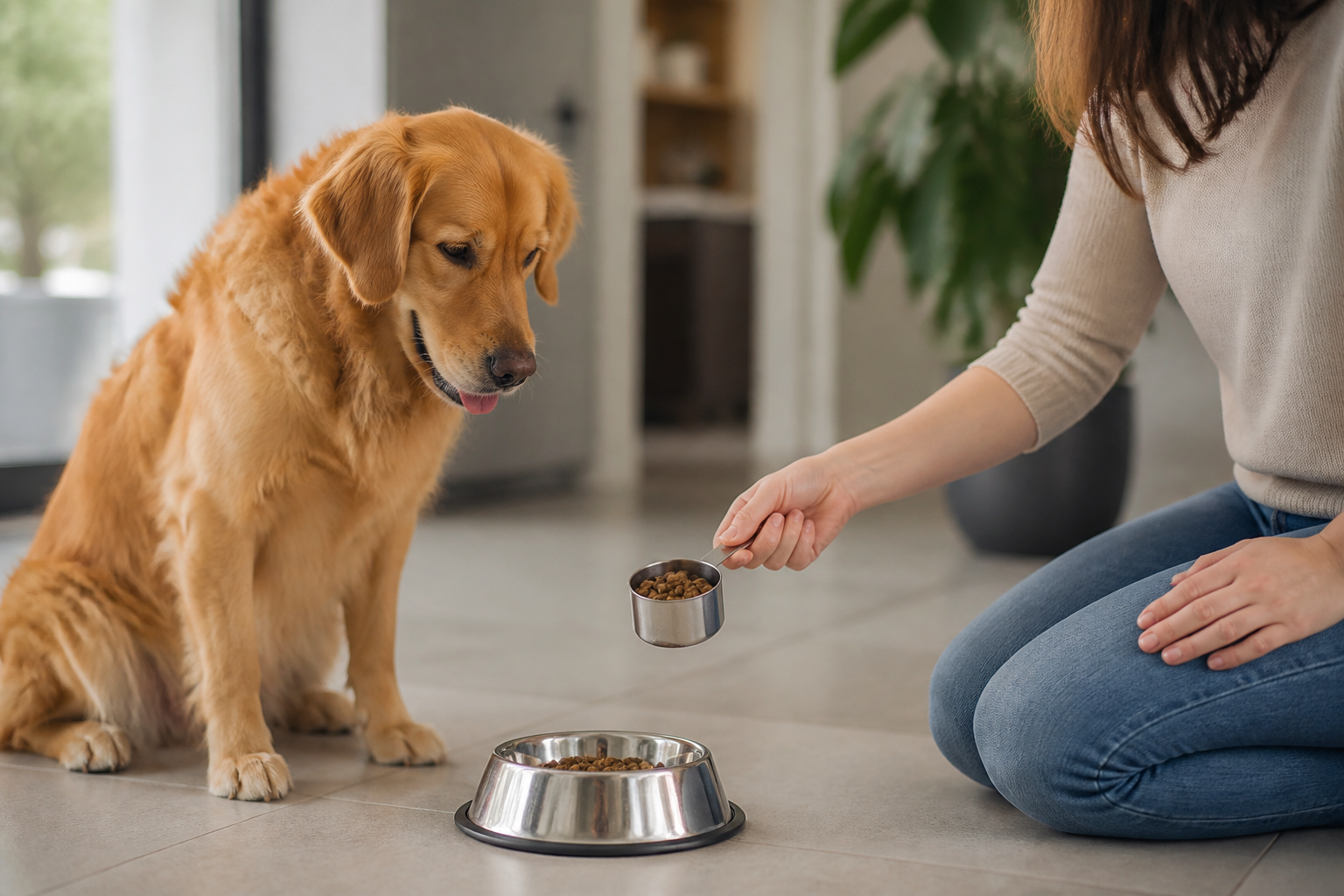
Standing in the kitchen with a measuring cup in hand is a familiar scene for every pet owner. You want to make sure your dog is full and happy, but you also worry about that extra half-scoop leading to weight gain. At BaxterBoo, we understand that finding the perfect balance is one of the most common challenges in daily pet care. There is no single number that works for every dog because every dog is a unique individual. This guide will walk you through how to interpret feeding charts, adjust for your dog's specific life stage, and recognize the physical signs that you have found the right portion size. By the end of this article, you will have a clear plan to ensure your dog is getting exactly what they need for a healthy, active life.
The Core Factors That Influence Portions
Before you look at the bag of food, you have to look at the dog in front of you. Several biological and lifestyle factors change the amount of energy a dog requires every day. A dog's metabolism is not a static thing. It shifts based on their environment, their age, and even their hormones.
Breed and Genetics
Size is the most obvious factor, but breed genetics also play a role in metabolism. High-energy working breeds, like Border Collies or Australian Shepherds, often have a much higher metabolic rate than more sedentary breeds of a similar weight. A 50-pound working dog might require significantly more calories than a 50-pound Basset Hound just to maintain their baseline weight.
Spay and Neuter Status
When a dog is spayed or neutered, their hormonal balance changes. This often leads to a decrease in their resting energy requirements. Many owners find that they need to reduce food portions by about 10 to 20 percent after these procedures to prevent unwanted weight gain. It is a subtle shift, but it is one of the most common reasons an adult dog begins to put on extra pounds.
Environment and Temperature
If your dog spends a significant amount of time outdoors, the weather matters. In the winter, a dog's body works harder to maintain its core temperature. This burns more calories. Conversely, in the heat of summer, many dogs become less active and may require slightly smaller portions to avoid gaining weight during the "lazy" months.
Key Takeaway: A feeding chart is a starting point, not a rule. Your dog's breed, activity level, and environmental conditions will determine where they land within the recommended range.
Decoding the Feeding Chart on the Bag
Every bag of dry food sold in the US is required to have a feeding guide. However, these charts can be confusing because they often provide wide ranges based on weight. A chart might say a 30-pound dog should eat between 1 and 2 cups per day. That is a 100 percent difference in volume. For more options, explore our dog food selection.
Understanding Daily Totals
The most important thing to remember is that the amount listed on the bag is almost always the total amount for the entire 24 hour period. If the bag says two cups and you feed your dog twice a day, you should be giving one cup in the morning and one cup in the evening. If you accidentally give two cups at every meal, you are doubling their caloric intake.
Calorie Density Between Brands
Not all dry food is created equal. A high-protein, calorie-dense kibble like Orijen or Acana will require smaller portions than a food with more fillers. This is why you must re-evaluate the portion size every time you switch brands. Never assume that the "one scoop" habit you had with your old brand applies to the new one.
Quick Steps for Evaluating a New Food:
- Locate the "kcal/kg" or "kcal/cup" information on the back of the bag.
- Compare it to your previous food to see if it is more or less energy-dense.
- Start at the lower end of the recommended range for your dog's weight.
- Monitor their weight for two weeks before making any further adjustments.
For additional guidance on measuring portions, read our guide to how many cups of dry dog food to feed per day.
Portions by Life Stage
A dog's nutritional needs are not a straight line. They peak during puppyhood, level off in adulthood, and often decline in the senior years. Feeding an adult portion to a puppy can stunt their growth, while feeding a puppy portion to an adult can lead to obesity.
Puppies and High-Growth Needs
Puppies are like little engines. They need massive amounts of energy to build bone, muscle, and brain tissue. Because they have small stomachs, they cannot eat their entire daily requirement in one sitting. For puppies under six months, we generally recommend splitting their daily dry food into three or four small meals. This keeps their blood sugar stable and prevents digestive upset.
Adult Maintenance
Once a dog reaches physical maturity, which happens anywhere from 10 months to 2 years depending on the breed, they move into the maintenance phase. This is the stage where most owners struggle with overfeeding. The goal here is to provide enough energy for their lifestyle without creating fat stores.
Senior Dogs and Slower Metabolisms
As dogs age, they tend to move less. Their muscle mass may begin to decrease, which slows down their metabolism. Senior-specific dry foods often have fewer calories per cup but higher fiber to help the dog feel full. If your senior dog is becoming less mobile, it may be time to transition to a senior formula or reduce their standard portion size slightly.
Vet Tip: If your senior dog is losing weight despite eating their normal portion, or if they are gaining weight rapidly, schedule a check-up. Sudden changes in weight can be early indicators of metabolic issues like thyroid dysfunction or diabetes.
The Impact of Activity Levels
Activity is the great equalizer in dog nutrition. A dog that goes on a three-mile hike every day has vastly different needs than a dog that goes for a ten-minute walk around the block.
Sedentary Dogs
If your dog spends most of the day on the couch, they are considered "low activity." You should almost always start at the very bottom of the feeding chart range for these dogs. Even a few extra kibbles a day can add up over time for a sedentary pet.
Active and Working Dogs
Active dogs burn through glycogen stores and need more calories to maintain their muscle mass. If you notice your active dog is looking a bit "ribby" or has less energy during play, you can safely increase their portion by 10 percent. Keep in mind that "active" means heart-pumping exercise for at least an hour a day, not just being awake.
For more portion-planning ideas, see our daily dry food guide for dogs.
Assessing Your Dog's Body Condition
Since charts are only estimates, you need a way to tell if your dog is actually at their ideal weight. We recommend using the Body Condition Score (BCS) method. This is a hands-on way to check your dog's health at home.
The Rib Test
You should be able to feel your dog's ribs easily without pressing hard. They should feel like the back of your hand when your fingers are flat. If they feel like your knuckles when you make a fist, the dog might be too thin. If they feel like the palm of your hand, there is too much fat covering them.
The Waistline Check
Look at your dog from above. They should have a visible tuck behind the ribcage, creating an hourglass shape. If they look like a solid rectangle or an oval from above, it is time to cut back on the dry food. From the side, the abdomen should slope upward from the end of the ribcage toward the hind legs.
When to Seek Professional Guidance
If your dog is significantly overweight or underweight, a simple portion change might not be enough. Some dogs have underlying health conditions that make weight management difficult. Our pet pharmacy for dogs offers prescription medications and specialized care options. These specialized diets, like those from Farmina Vet Life, are formulated to address specific health needs such as obesity, allergies, or kidney support.
Key Takeaway: Use your hands and eyes to judge your dog's weight. The scale is a tool, but the way the dog looks and feels is the best indicator of a proper portion.
For a closer look at body condition checks, read this practical pet weight-management guide.
The Role of Treats and Toppers
Many owners measure their dry food perfectly but forget to account for everything else the dog eats. Treats, dental chews, and "people food" can easily make up 20 to 30 percent of a dog's daily calories if you aren't careful.
The 10 Percent Rule
Treats and toppers should never make up more than 10 percent of your dog's total daily caloric intake. If you give a large dental chew in the afternoon, you must reduce the amount of dry food you put in the bowl at dinner.
For more ideas about balancing extras, review the 10 percent rule for pet treats.
Healthy Additions
If your dog seems hungry but is already at their calorie limit, you can use low-calorie "fillers" to help them feel satisfied. Green beans (unsalted and steamed) or plain canned pumpkin are excellent ways to add volume to a meal without adding significant calories. This is particularly helpful for dogs on a weight loss plan who are used to larger portions.
Feeding Schedules and Consistency
Dogs thrive on routine. Feeding your dog at the same time every day helps regulate their digestion and can even help with house training.
Once vs. Twice Daily
While some owners feed their adult dogs once a day, most veterinarians recommend splitting the portion into two meals. This prevents the dog from becoming overly hungry and reduces the risk of "bilious vomiting," which happens when a dog's stomach stays empty for too long.
Small Breed Considerations
Small and toy breeds, like Chihuahuas or Yorkies, are prone to hypoglycemia (low blood sugar) if they go too long without eating. These tiny dogs often do best with three small meals spread throughout the day to keep their energy levels consistent.
Large Breed Considerations and Bloat
For large and giant breeds, feeding two or three smaller meals is more than just a preference: it can be a safety issue. Large, deep-chested breeds are at higher risk for Gastric Dilatation-Volvulus (GDV), commonly known as bloat. Feeding smaller portions and using a slow-feeder bowl can help reduce the amount of air the dog swallows during mealtime.
Vet Tip: Avoid vigorous exercise for at least 30 to 60 minutes before and after meals, especially for large breeds. This helps prevent digestive distress and reduces the risk of serious complications like bloat.
Adjusting for Weight Loss or Gain
If you have determined that your dog needs to lose weight, do not make drastic cuts all at once. Sudden, extreme calorie restriction can lead to nutrient deficiencies and a grumpy pet.
Step 1: Calculate their current intake. Measure exactly what you are giving now, including all treats.
Step 2: Reduce the total daily amount by 10 percent.
Step 3: Increase activity levels gradually. A five-minute increase in walk time can make a big difference.
Step 4: Re-evaluate after two weeks. If the dog has not lost weight, reduce by another 5 to 10 percent.
Bottom line: Weight management is a slow process that requires patience and consistent measuring.
Tools for Precise Feeding
If you are currently using a coffee mug or a generic plastic cup to scoop food, you might be overfeeding by as much as 20 percent.
Use a Standard Measuring Cup
Always use a standard 8-ounce measuring cup. For even more precision, consider using a digital kitchen scale to weigh the food in grams. Many high-quality dry foods now list the weight per cup on the bag. Weighing the food is the only way to ensure 100 percent consistency every single day.
Slow Feeders and Enrichment
If your dog inhales their dry food in seconds, they may not feel full. Using a slow-feeder bowl or a puzzle toy makes the dog "work" for their food. This mental stimulation burns a few extra calories and slows down the eating process, allowing the brain to register that the stomach is full.
Environmental and Seasonal Changes
We often forget that our dogs' needs change with the seasons. If your dog is a "snow dog" who loves to play in the drifts, they will need more energy in January than they do in July.
- Winter: Monitor for weight loss if your dog is very active in the cold.
- Summer: Be mindful of reduced activity and potential weight gain.
- Travel: Stress and new environments can sometimes decrease a dog's appetite. Stick to your routine as closely as possible.
How to Handle Picky Eaters
Sometimes the question isn't how much a dog should eat, but how to get them to eat the amount they need. If your dog is consistently leaving food in the bowl, first rule out any dental issues or illness with your veterinarian.
If they are simply picky, avoid the temptation to constantly switch foods or add high-calorie toppers. This often teaches the dog that if they wait long enough, something "better" will appear. Instead, set the bowl down for 15 minutes. If they don't eat, pick it up and try again at the next scheduled mealtime. A healthy dog will not starve themselves, and this consistency helps establish a healthy eating drive.
Signs You Are Feeding the Right Amount
When you have finally dialed in the correct portion of dry food, you will see it in your dog's overall appearance and behavior.
- Energy: They should be alert and ready for their daily activities.
- Coat: A shiny, soft coat is a sign of proper nutrient absorption.
- Stool: Firm, consistent stools are an indicator that the digestive system isn't being overloaded.
- Weight: They maintain their ideal Body Condition Score consistently.
Summary of Feeding Guidelines
Finding the right amount of dry food is a journey of observation. Use the bag as your starting point, but let your dog's body be the final guide. Remember that every treat and topper counts toward the daily total. If you keep your measurements precise and your schedule consistent, you will provide your dog with the best foundation for a healthy life.
At BaxterBoo, we are here to support you with everything from high-quality dog food to the specialized care provided by our pharmacy. Whether you are managing a growing puppy or a senior dog with changing needs, we have the tools and products to help you succeed.
Key Takeaway: Successful feeding is about 90 percent consistency and 10 percent adjustment. Once you find the "sweet spot" for your dog, stay consistent and only adjust when life stages or activity levels change.
Conclusion
Determining how much dry food your dog should eat is a balance of science and observation. By focusing on life stages, activity levels, and body condition, you can move away from guesswork and toward a precise nutrition plan. Remember that regular weight checks and vet consults are essential parts of this process. For those looking to simplify their routine, our Autoship programme offers a convenient way to keep your dog's favorite food arriving on schedule, while the MVP Rewards programme helps you save on every bag. Keeping your dog at a healthy weight is the kindest thing you can do for their long-term wellness.
FAQ
How do I know if the feeding chart on the bag is accurate for my dog?
Feeding charts are based on average dogs with moderate activity levels, so they are only a starting point. Most veterinarians recommend starting at the lower end of the suggested range and adjusting based on your dog's body condition. If your dog is very sedentary or has been neutered, they may actually need slightly less than the lowest amount listed on the bag.
Can I just leave dry food out all day for my dog to eat?
This is known as free-feeding, and while it is convenient, it often leads to obesity because most dogs will eat more than they need out of boredom. Scheduled mealtimes are generally better for weight management and allow you to monitor exactly how much your dog is eating. If your dog stops eating suddenly, you will notice much sooner if you have a set schedule.
Should I change the amount of food I feed in the winter?
If your dog is very active outdoors during the winter, they may need more calories to help maintain their body temperature in the cold. However, many indoor dogs actually become less active when it is cold outside, meaning they might need a slight reduction in food. Use the rib test monthly during seasonal transitions to see if you need to adjust their portions.
What should I do if my dog always acts like they are starving?
Some breeds, like Labrador Retrievers, are biologically driven to seek food even when they have had enough calories. If your dog is at a healthy weight but seems hungry, try adding low-calorie bulk to their meals like steamed green beans or canned pumpkin. Using a slow-feeder bowl or puzzle toy can also help them feel more satisfied by making the meal last longer.






