
 Save 15% on your 1st Autoship learn more

 Email us
 Live Chat
 FAQs
FAQs





Introduction
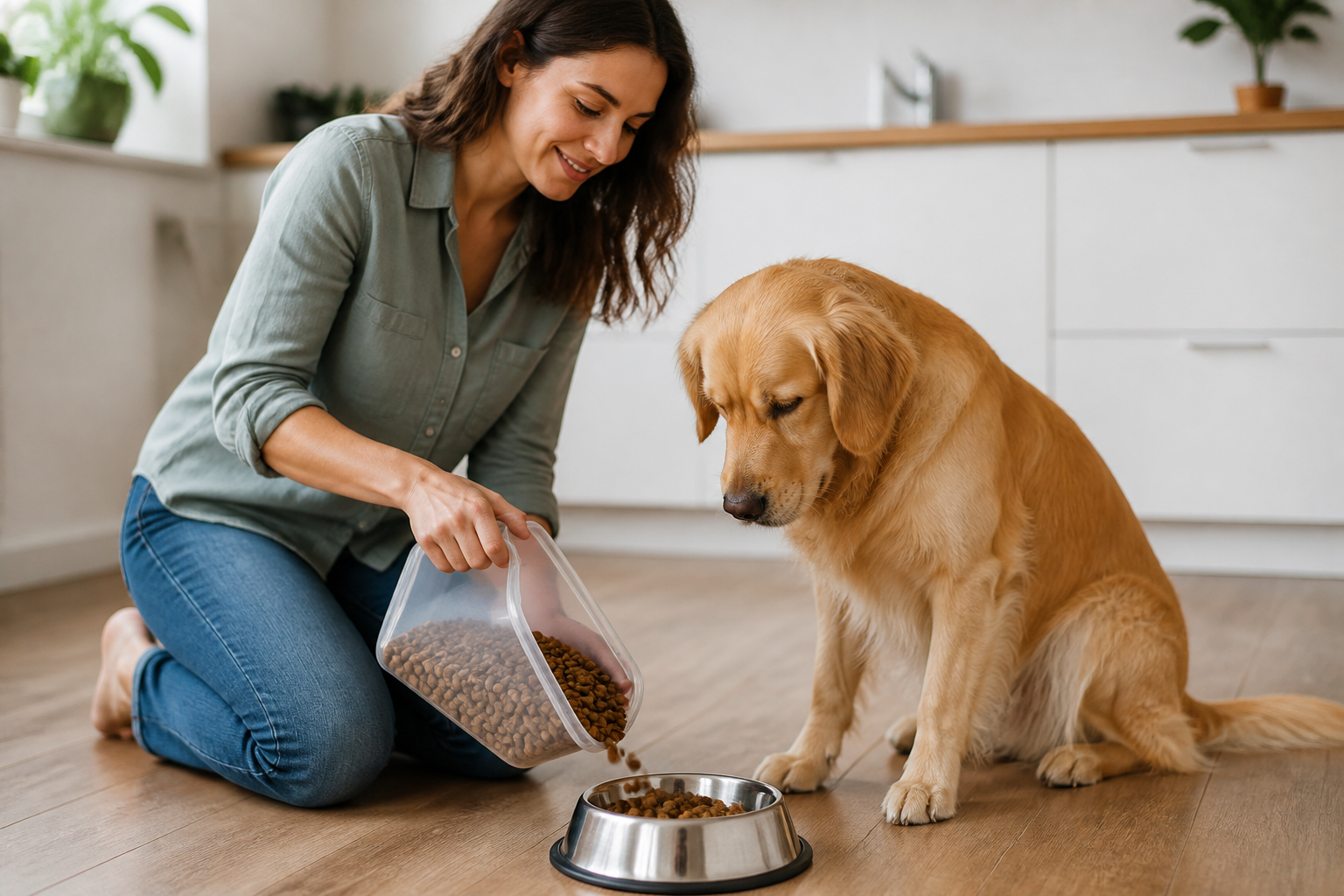
You are standing in the kitchen with a measuring cup in one hand and your hungry dog watching your every move. You look at the back of the kibble bag, but the suggested range is wide. Should you give them two cups or three? Getting this amount right is about more than just satisfying a hungry belly. It is one of the most effective ways to manage your dog's long-term health and energy. At BaxterBoo, we talk to owners every day who want to move past the guesswork of mealtimes. This guide explains how to calculate the perfect portion based on your dog's age, weight, and lifestyle. We will help you understand the factors that change a dog's nutritional needs so you can feed them with confidence.
Quick Answer: Start with the feeding chart on your dog's specific food bag using their ideal target weight. Adjust this amount based on their activity level and life stage, typically splitting the total daily volume into two meals for adults.
Key Factors That Determine Portions
Not every twenty pound dog needs the same amount of food. Metabolism and energy expenditure vary wildly between breeds and individuals. If you have a high energy breed like a Border Collie, they will burn through calories much faster than a more sedentary breed like a Basset Hound. Environmental factors also matter. Dogs that spend a lot of time outside in cold weather use extra energy just to keep their bodies warm.
Age is perhaps the most significant variable. Puppies are essentially little engines of growth. They require a much higher concentration of calories, protein, and minerals to build bone and muscle. Adult dogs need a maintenance diet that supports their daily activity without adding unnecessary weight. Senior dogs often have a slower metabolism and may be less active, meaning they need fewer calories but often require higher quality, easily digestible proteins. You can compare formulas for different life stages in our dog food category.
Reproductive status also changes the math. Spayed or neutered dogs generally have lower energy requirements than intact dogs. Research suggests that a dog's calorie needs can drop by as much as twenty percent after they are fixed. If you do not adjust their food intake after the procedure, they may begin to put on weight quickly.
Activity Level and Lifestyle
A dog that goes for a three mile run every morning has different needs than a dog that strolls around the block. Working dogs or those participating in agility trials need nutrient-dense food to fuel their performance. If your dog is mostly a "couch potato," you must be careful not to overfeed them. Even an extra quarter cup of food a day can lead to significant weight gain over a year.
Breed and Genetics
Some breeds are genetically predisposed to obesity. Labradors and Pugs, for example, are known for being highly food motivated and can easily overeat. Other dogs have very high resting metabolic rates. A svelte Greyhound might eat more than a much heavier, calmer breed because of how their body processes energy.
Key Takeaway: Portions are not one size fits all. You must consider age, breed, activity level, and whether your dog is fixed when deciding on a daily amount.
How to Read a Dog Food Label
The feeding chart on the back of the bag is the best place to start. However, these charts are guidelines based on an "average" dog. Most manufacturers provide a range of cups per day based on the dog's current weight. It is important to look at the calorie count per cup, which is usually listed as "kcal/kg" or "kcal/cup."
Not all dry foods are created equal. One brand might have 350 calories per cup, while a high-performance formula might have 500 calories per cup. If you switch brands, you cannot simply use the same measuring cup amount. You must recalibrate based on the energy density of the new recipe. If you are comparing options, our selection of dry dog food offers formulas from a range of brands and life stages.
Using the Chart Correctly
- Find your dog's ideal weight, not necessarily their current weight.
- Locate the corresponding daily amount on the table.
- Divide that total number by the number of meals you plan to feed.
- Adjust slightly if your dog is exceptionally active or very sedentary.
Vet Tip: Always use a standard measuring cup. "A scoop" can vary in size and lead to overfeeding. For the most accuracy, many veterinarians recommend weighing the food in grams on a kitchen scale.
For more guidance on weighing portions accurately, read how many grams are in a cup of dry dog food.
Life Stage Feeding Requirements
A dog’s nutritional needs move through distinct phases. Feeding the wrong life stage formula or the wrong amount can lead to developmental issues in young dogs or weight gain in older ones.
Puppyhood
Puppies need to eat frequently. Because they have small stomachs and high energy needs, they often require three to four meals a day. Large breed puppies need specific formulas that control growth rates to protect their developing joints. If a large breed puppy grows too fast, it can put a massive strain on their skeletal system.
Adult Maintenance
Most dogs reach adulthood between twelve and eighteen months. This is when you transition to a maintenance schedule. Most healthy adults do well with two meals a day. This helps keep blood sugar levels stable and prevents the dog from feeling overly hungry between morning and evening.
Senior Years
As dogs age, they often become less active. Their organs also begin to work differently. Senior-specific dry foods often have lower calories but include supplements like glucosamine or chondroitin. If your senior dog is maintaining a healthy weight on their adult food, you may not need to change formulas, but you should monitor their body condition closely.
Key Takeaway: Life stage matters as much as volume. Ensure the food you are measuring is formulated for your dog's current stage of life.
Monitoring Your Dog's Weight and Condition
The scale is a helpful tool, but it does not tell the whole story. Veterinarians use a Body Condition Score (BCS) to determine if a dog is at a healthy weight. You can perform a simple version of this at home.
First, look at your dog from above. They should have a visible waistline behind the ribs. From the side, their abdomen should tuck up toward the hind legs rather than hanging low. Finally, do the rib test. You should be able to feel your dog's ribs easily under a thin layer of fat without having to press hard. If you cannot feel the ribs at all, your dog is likely overweight.
If your dog needs to lose weight, do not make drastic cuts to their food immediately. Start by reducing their daily portion by ten percent. Monitor them for two weeks and see if their condition improves. For additional guidance, see our dog weight management guide.
Signs You Are Underfeeding
- The dog's ribs, spine, or pelvic bones are highly visible.
- Their coat looks dull or brittle.
- They have very low energy levels.
- They are constantly scavenging for food or acting ravenous.
Signs You Are Overfeeding
- Loss of a visible waistline.
- A "fat pad" at the base of the tail.
- Difficulty breathing during light exercise.
- Reluctance to move or play.
Managing Health Conditions and Prescription Diets
Sometimes, the standard bag of kibble from the store is not enough. Dogs with chronic health issues often require specific nutritional profiles to manage their condition. For example, dogs with kidney disease need restricted phosphorus and high quality protein. Dogs with diabetes require a very consistent schedule and specific fiber levels to manage blood sugar.
We understand that managing a pet's health can be overwhelming. Our pet pharmacy carries FDA-approved medications and prescription pet foods through our partnership with Pet's Choice. If your veterinarian has prescribed a therapeutic diet, this is often a non-negotiable part of their treatment plan. These foods are formulated with precise nutrient levels that act as part of the medical management for issues like urinary stones, food allergies, or heart disease.
Vet Tip: If your dog has a sudden change in appetite or weight, consult your veterinarian before making major dietary changes. Weight fluctuations can be early signs of underlying health issues like thyroid imbalance or metabolic disease.
Establishing a Feeding Schedule
Consistency is helpful for both you and your dog. Feeding at the same time every day helps regulate your dog's digestive system. It also makes house training easier because you can predict when they will need to go outside.
Most owners find that a morning and evening meal works best. However, some dogs benefit from more frequent, smaller portions. This is common for dogs prone to digestive upset or those that get "bilious vomiting" when their stomach stays empty for too long.
How to Transition to a New Food
If you are changing brands or life stages, do not swap the food all at once. A sudden change can cause diarrhea or vomiting. Follow this seven day schedule:
- Days 1-2: 75% old food, 25% new food.
- Days 3-4: 50% old food, 50% new food.
- Days 5-6: 25% old food, 75% new food.
- Day 7: 100% new food.
For another perspective on changing diets, read our guide to selecting the best dry dog food.
Bottom line: A slow transition allows your dog's gut bacteria to adjust to the new ingredients and calorie density.
The Role of Treats and Extras
Treats are an important part of training and bonding, but they are not calorie-free. Many owners forget to account for the biscuit given after a walk or the bit of cheese used to hide a pill. These "extras" can easily push a dog into an unhealthy weight range.
Follow the ten percent rule. No more than ten percent of your dog's daily calories should come from treats. If you are doing a heavy training session with lots of rewards, reduce their dinner portion accordingly. You can even set aside a portion of their daily dry food to use as training treats throughout the day. When you need rewards for training or everyday bonding, browse our dog treats category.
Healthy Low-Calorie Additions
- Green beans (fresh or frozen, no salt).
- Carrot slices.
- Plain pumpkin (not pie filling).
- Blueberries.
For more treat ideas, explore this roundup of natural dog treats.
Measuring for Success
The tool you use to measure food matters. Using a coffee mug or a large plastic scoop often leads to "portion creep," where the amount slowly increases over time. Use a dedicated measuring cup and level off the top. If your dog is on a very strict weight loss plan, a digital kitchen scale is the gold standard for accuracy.
Key Takeaway: Precision in measuring ensures that your dog gets exactly what they need every day, preventing the slow creep of weight gain.
Frequently Asked Questions About Feeding
Can I leave dry food out for my dog to eat whenever they want?
This is called free feeding. While it is convenient, it makes it very difficult to monitor how much your dog is actually eating. It often leads to obesity in food-motivated breeds and can be a problem in multi-pet households where one dog might eat the other's portion.
Why is my dog still acting hungry even though I feed the recommended amount?
Some dogs are simply very motivated by food and will act hungry even when they have had enough calories. If your dog is at an ideal weight but seems unsatisfied, you can ask your vet about high-fiber foods that help them feel full. You can also try using slow-feeder bowls or puzzle toys to make the meal last longer.
Should I add water to my dog's dry food?
Adding a bit of warm water to kibble can help with hydration and may make the food more aromatic for picky eaters. It also creates a bit of gravy that many dogs enjoy. This is especially helpful for senior dogs that might have dental issues or a reduced sense of smell.
What should I do if my dog stops eating their dry food?
A sudden loss of appetite can be a sign of illness, dental pain, or stress. If your dog misses more than two meals or shows other signs of being unwell, such as lethargy or vomiting, you should contact your veterinarian immediately. If they are just being picky, try to avoid adding "mix-ins" like table scraps, as this can reinforce the picky behavior.
Conclusion
Finding the right amount of dry food for your dog is a balancing act that changes over time. By starting with the label guidelines and adjusting for your dog's unique lifestyle, you can ensure they stay at a healthy weight. Remember to monitor their body condition regularly and use consistent measuring tools. If your dog's nutritional needs become more complex due to a health condition, we are here to help. Our BaxterBoo pharmacy, in partnership with Pet's Choice, provides the prescription diets and medications your dog might need for long-term wellness. Keeping your dog lean and well-nourished is one of the best ways to ensure you have many happy years together.
- Start with the bag's feeding chart using the target weight.
- Account for treats within the daily calorie limit.
- Use a standard measuring cup or scale for every meal.
- Adjust portions based on life stage and activity level.
Bottom line: Consistent portions and regular body condition checks are the keys to a healthy, long-lived dog.
FAQ
How do I know if my dog is at a healthy weight?
A healthy dog should have a visible waistline when viewed from above and a slight abdominal tuck from the side. You should be able to feel their ribs easily under a thin layer of fat without pressing down hard. If you cannot feel the ribs, or if the dog looks "straight" from the ribs to the hips, they may be overweight.
Should I feed my dog once or twice a day?
Most veterinarians recommend feeding adult dogs twice a day, usually twelve hours apart. This schedule helps keep their energy levels stable and prevents them from becoming overly hungry or scavenging. Puppies require more frequent feedings, typically three to four times a day, because of their smaller stomachs and higher energy needs.
Does the brand of food change how much I should feed?
Yes, every brand and formula has a different number of calories per cup. A high-protein "active" formula will be more calorie-dense than a "weight management" formula. Whenever you switch brands, you must check the new feeding chart rather than using the same volume you fed previously.
What is the 10 percent rule for dog treats?
The 10 percent rule states that treats and table scraps should never make up more than 10 percent of your dog's total daily calorie intake. The other 90 percent should come from a complete and balanced dog food. Over-treating can lead to obesity and can also cause nutritional imbalances if the dog fills up on treats instead of their balanced meals.






