
 Save 15% on your 1st Autoship learn more

 Email us
 Live Chat
 FAQs
FAQs





Introduction
You might find yourself standing in the pet food aisle or scrolling through endless pages of kibble wondering if there is a better way to nourish your dog. Many pet owners want the nutritional benefits of a raw diet but lack the freezer space or the time for messy meal prep. Air-dried dog food has emerged as a middle ground that offers the convenience of a scoopable dry food with the nutritional integrity of fresh meat. At BaxterBoo, we have seen this category grow as more people look for ways to improve their dog's vitality through "low and slow" processing. This post covers exactly how the air-drying process works, how you can safely prepare air-dried treats at home, and what to look for in professional formulas. Understanding this preservation method can help you provide a nutrient-dense diet that supports everything from a shiny coat to better digestion. If you want to compare options while you read, start with our air-dried dog food collection.
The Basics of Air-Dried Nutrition
Air-drying is a preservation method that has been used for centuries to keep meat fresh without the need for refrigeration. Unlike traditional kibble, which is cooked at high temperatures and high pressure, air-dried food is prepared using a gentle circulation of warm air. This process slowly evaporates moisture from the raw ingredients over several hours or even days. Because the heat stays low, the proteins do not become denatured or damaged. This helps maintain the natural structure of the meat.
When food is extruded to make kibble, the high heat can destroy delicate vitamins, minerals, and enzymes. Manufacturers then have to add synthetic nutrients back into the recipe to make it "complete and balanced." Air-drying allows more of those nutrients to stay in their natural state. This means your dog gets vitamins and minerals from the actual food sources rather than from a chemical premix.
Quick Answer: Air-drying food for dogs involves circulating low-heat air around raw ingredients to remove moisture while preserving nutrients. This process creates a shelf-stable, nutrient-dense meal that bridges the gap between raw feeding and traditional kibble.
The Commercial Air-Drying Process
In a professional setting, the process begins with high-quality raw ingredients. This usually includes muscle meat, organ meats, and sometimes bone, along with a few functional ingredients like green-lipped mussels or kelp. These ingredients are blended and then spread out onto trays in a specialized drying chamber.
The temperature in these chambers is carefully controlled, usually staying between 140 and 180 degrees Fahrenheit. This temperature is high enough to kill harmful pathogens like Salmonella or Listeria but low enough to prevent the meat from "cooking" in the traditional sense. The constant airflow whisks away moisture until the food reaches a shelf-stable state. The result is a dense, jerky-like texture that is packed with calories and nutrition.
Why Texture Matters
The texture of air-dried food is quite different from the crunchy nuggets of kibble. It is often described as "leathery" or "meaty." Because it is so nutrient-dense, the serving sizes are typically much smaller than what you would see with a standard dry food. This makes it an excellent choice for dogs with small appetites or those who need to maintain a lean weight while still getting plenty of protein.
Nutrient Bioavailability
Bioavailability refers to how easily your dog's body can absorb and use the nutrients in their food. Proteins that have been gently air-dried are generally more bioavailable than those that have been heavily processed. When a dog eats highly bioavailable food, you will often notice they have smaller, firmer stools. This is a sign that their body is utilizing more of the food and producing less waste.
Key Takeaway: The "low and slow" air-drying process protects the natural enzymes and amino acids in meat, making the food more digestible and nutrient-dense than standard kibble.
How to Air Dry Dog Food and Treats at Home
While creating a fully balanced "complete" meal at home through air-drying is difficult due to the precise balance of minerals required, many owners use a home dehydrator to make high-value treats and toppers. This is a great way to control exactly what goes into your dog's snacks, especially if they have allergies or sensitivities.
Essential Equipment
To air dry food at home safely, you will need a food dehydrator with an adjustable temperature setting. Simple models with only an "on/off" switch are often too inconsistent for meat. You also need a sharp knife for consistent slicing and a clean workspace to prevent cross-contamination.
Step-by-Step DIY Air-Drying
Step 1: Choose a lean protein. / Fat does not dry well and can go rancid, so look for lean cuts of beef, chicken breast, or turkey.
Step 2: Prepare the meat. / Place the meat in the freezer for about 30 to 60 minutes to firm it up. This makes it much easier to slice into thin, uniform strips about one-quarter inch thick.
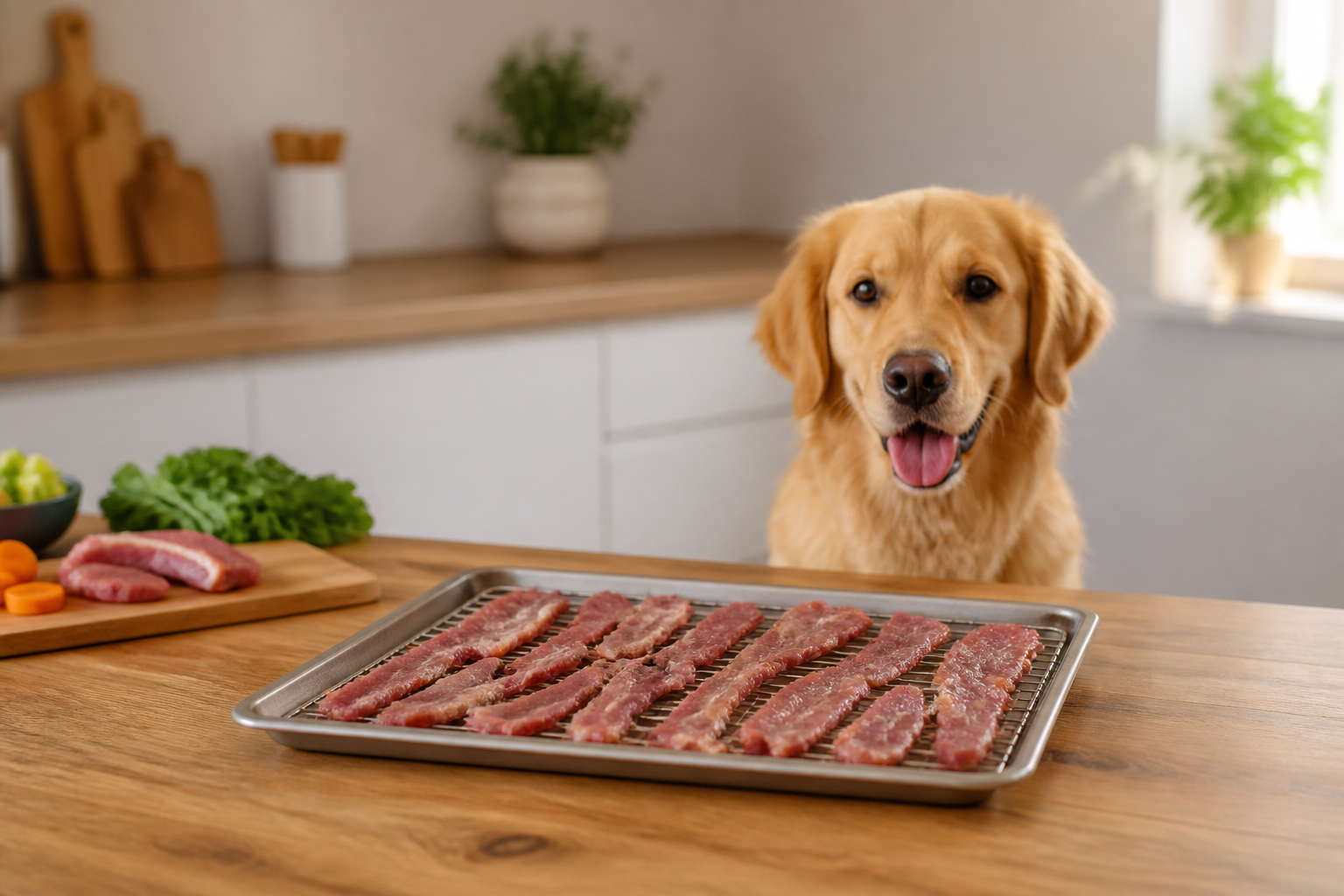
Step 3: Arrange on trays. / Place the slices on your dehydrator trays, ensuring they do not overlap. Air must be able to circulate around every surface of the meat to dry it evenly.
Step 4: Set the temperature. / Set your dehydrator to at least 160 degrees Fahrenheit. This is the temperature recommended by many food safety experts to ensure any bacteria in the raw meat are neutralized during the drying process.
Step 5: Monitor the progress. / The drying time can range from 6 to 12 hours depending on the thickness of the meat and the humidity in your home. The meat is done when it is firm and cracks slightly when bent.
Step 6: Cool and store. / Let the treats cool completely before placing them in a container. Storing warm treats in a sealed bag will create condensation, which leads to mold.
Vet Tip: If you are making homemade air-dried treats or toppers, remember that they should not make up more than 10 percent of your dog's daily caloric intake. For dogs with specific health conditions like kidney disease or pancreatitis, always consult your veterinarian before adding new high-protein treats to their diet.
Safety Considerations for Homemade Air-Drying
Safety is the most important factor when you are handling raw meat at home. Commercial brands use sophisticated testing and climate control that is hard to replicate in a standard kitchen. If you choose to air dry at home, you must be diligent about hygiene.
- Wash all surfaces, knives, and cutting boards with hot, soapy water after use.
- Check the internal temperature of your dehydrator with a separate thermometer to ensure it actually reaches the setting on the dial.
- Do not leave meat out at room temperature for extended periods before starting the drying process.
- If you notice any fuzzy mold or an "off" smell after storage, discard the food immediately.
Understanding Pathogen Control
The reason commercial air-dried food is so safe is that manufacturers often use additional steps to ensure the food is clean. Some use High Pressure Processing (HPP), which uses extreme pressure to kill bacteria without using heat. Others use rigorous batch testing. When you dry food at home, you are relying solely on the heat of your dehydrator to do this work. This is why using a high-quality machine with a reliable thermostat is non-negotiable. If you want more background on minimally processed formats, our guide to freeze-dried dog food is a helpful comparison.
Commercial Air-Dried Options at BaxterBoo
For many pet parents, the peace of mind that comes with a professionally formulated diet is worth it. We carry several top-tier brands that specialize in this "low and slow" method. Brands like Ziwi Peak and Open Farm have perfected the science of air-drying to ensure every scoop provides a balanced profile of vitamins, minerals, and fatty acids.
These foods are often used as a full meal, but they are also popular as high-value training treats or meal toppers. If your dog is a picky eater, adding a handful of air-dried "jerky" bites to their regular kibble can often entice them to finish their bowl. Because these formulas are concentrated, a little bit goes a long way. You can browse our selection of Open Farm products when you want a brand with air-dried options.
Transitioning Your Dog to Air-Dried Food
If you decide to switch your dog to an air-dried diet, you must do so gradually. Because the food is so much denser than kibble, their digestive system needs time to adjust to the high protein and fat content. A sudden switch can lead to an upset stomach or loose stools.
The 7-10 day rule is the gold standard for any food transition. Start by mixing about 25 percent of the air-dried food with 75 percent of their old food. Every few days, increase the amount of the new food while decreasing the old food. By the end of the week, your dog should be fully transitioned.
Monitoring Your Dog's Progress
During the transition, keep a close eye on your dog's energy levels and bowel movements. If they experience any persistent diarrhea or vomiting, stop the transition and consult your veterinarian. Some dogs with very sensitive stomachs may require a more extended transition period or a specific formula designed for digestive support.
Our pet pharmacy, operated through our partnership with Pet's Choice, carries various prescription diets and supplements for dogs with chronic digestive issues. If your vet recommends a specific therapeutic diet, we can help you fulfill that prescription easily online for home delivery or in-store pickup in Vernon Hills.
Storage and Shelf Life
One of the biggest advantages of air-dried food is that it is shelf-stable. Unlike raw food, you do not need to worry about thawing or freezer burns. However, it still needs to be stored correctly to maintain its freshness and nutritional value.
Most air-dried foods should be kept in their original packaging, as these bags are often designed to keep out light and moisture. Ensure the seal is pressed tight after every feeding. Store the bag in a cool, dry place. While the food is shelf-stable, extreme heat can cause the natural fats in the meat to oxidize, which affects the flavor and nutritional quality. For more storage pointers, see our dry dog food freshness guide.
How Long Does It Last?
Once a bag is opened, most manufacturers recommend using it within four to eight weeks for maximum freshness. If you buy in bulk to take advantage of our Autoship programme, keep the unopened bags in a climate-controlled area. If you are making treats at home, they usually last about two weeks in an airtight container in the pantry, or longer if kept in the refrigerator.
The Cost-Benefit Analysis of Air-Drying
There is no denying that air-dried dog food comes with a higher price tag than budget kibble. The cost reflects the quality of the ingredients and the time-intensive manufacturing process. However, many owners find that the benefits outweigh the costs over time.
- Smaller serving sizes mean the bag lasts longer than you might expect.
- Better digestibility often leads to fewer vet visits for skin or digestive issues.
- Higher nutrient density can lead to a healthier weight and better muscle tone.
- The high palatability saves money on wasted food from picky eaters.
We offer several ways to make these premium diets more affordable. The MVP Rewards programme allows you to earn points on every purchase, and our Autoship program provides a discount on your first order plus free MVP Gold membership. This is especially helpful for high-end food, as the savings add up quickly on recurring deliveries.
Bottom line: Air-dried food is a premium investment in your dog's long-term health, offering the nutritional power of raw meat with the ease of dry food.
Is Air-Dried Food Right for Your Dog?
Air-dried food is suitable for dogs at almost any life stage, from puppies to seniors. It is particularly beneficial for dogs with certain needs:
Picky Eaters
The intense meaty aroma of air-dried food is often enough to win over the most stubborn dogs. Since the food isn't "burnt" or over-processed, it smells like real meat because it is real meat.
Dogs with Allergies
Many air-dried recipes are limited-ingredient diets. This makes it easier to avoid common allergens like corn, wheat, soy, or specific protein sources that might trigger itchy skin or ear infections.
Senior Dogs
Senior dogs often experience a decrease in appetite or muscle mass. The high protein content and soft, leathery texture make air-dried food easy for older dogs to chew and digest. It provides the concentrated calories they need to maintain their strength.
High-Energy or Working Dogs
Dogs that are very active need a lot of fuel. The high fat and protein levels in air-dried food provide sustained energy without the "sugar crash" that can come from high-carb kibble.
Incorporating Air-Dried Food as a Topper
You do not have to feed a 100 percent air-dried diet to see the benefits. Many people use it as a "booster" for their dog's current meals. Replacing just 20 percent of their kibble with air-dried food can significantly increase the nutritional value of the bowl.
This is also a great strategy for budget-conscious owners. It allows you to give your dog high-quality nutrition from brands like Ziwi Peak or Badlands Ranch without the full cost of a total diet overhaul. Just be sure to adjust the total calories to prevent overfeeding. If toppers are your main goal, our food topper collection is a good next stop.
Final Thoughts on Air-Dried Food
Air-drying is more than just a trend; it is a return to a more natural way of preserving food. By removing the moisture "low and slow," we can give our dogs the amino acids and enzymes they naturally crave. Whether you decide to make your own treats at home or switch to a professionally formulated air-dried diet, your dog's body will likely show the results in their coat, energy levels, and overall wellness.
If you are ready to explore the world of air-dried nutrition, our team at BaxterBoo is here to help. We have been operating since 2006 and carry over 500 trusted brands to ensure you find exactly what your pet needs. From premium food to the medications available through our pharmacy, we are your partners in pet care. For another perspective on this format, read our air-dried dog food guide.
FAQ
Can I air dry any type of meat for my dog at home?
Most lean meats are safe for air-drying, including beef, chicken breast, turkey, and even some white fish. Avoid fatty meats like pork belly or untrimmed steaks, as the fat does not dry out and can quickly turn rancid. Always ensure the meat is fresh and handled with strict hygiene to prevent the growth of bacteria.
Do I need to rehydrate air-dried dog food before feeding?
You do not have to rehydrate it, as it is designed to be fed as a dry, shelf-stable product. However, adding a bit of warm water or bone broth can be beneficial for dogs who need extra hydration or those who prefer a softer texture. Rehydrating the food can also help release more of the meaty aroma for picky eaters.
Is air-dried food safer than a raw diet?
For many households, air-dried food is considered safer because the "low and slow" heating process is effective at killing common pathogens like Salmonella. It offers the nutritional benefits of raw feeding without the risk of cross-contamination in your kitchen. It also eliminates the need for handling and storing raw meat daily, which is a major concern for families with small children or immunocompromised individuals.
How does air-dried food differ from freeze-dried food?
Air-drying uses warm air to evaporate moisture, resulting in a dense, jerky-like texture. Freeze-drying involves freezing the food and then using a vacuum to remove moisture through sublimation, resulting in a very light, airy, and "puffy" texture. Both methods are excellent at preserving nutrients, but air-dried food is often more convenient as it doesn't always require rehydration and is less prone to crumbling.






