
 Save 15% on your 1st Autoship learn more

 Email us
 Live Chat
 FAQs
FAQs





Introduction
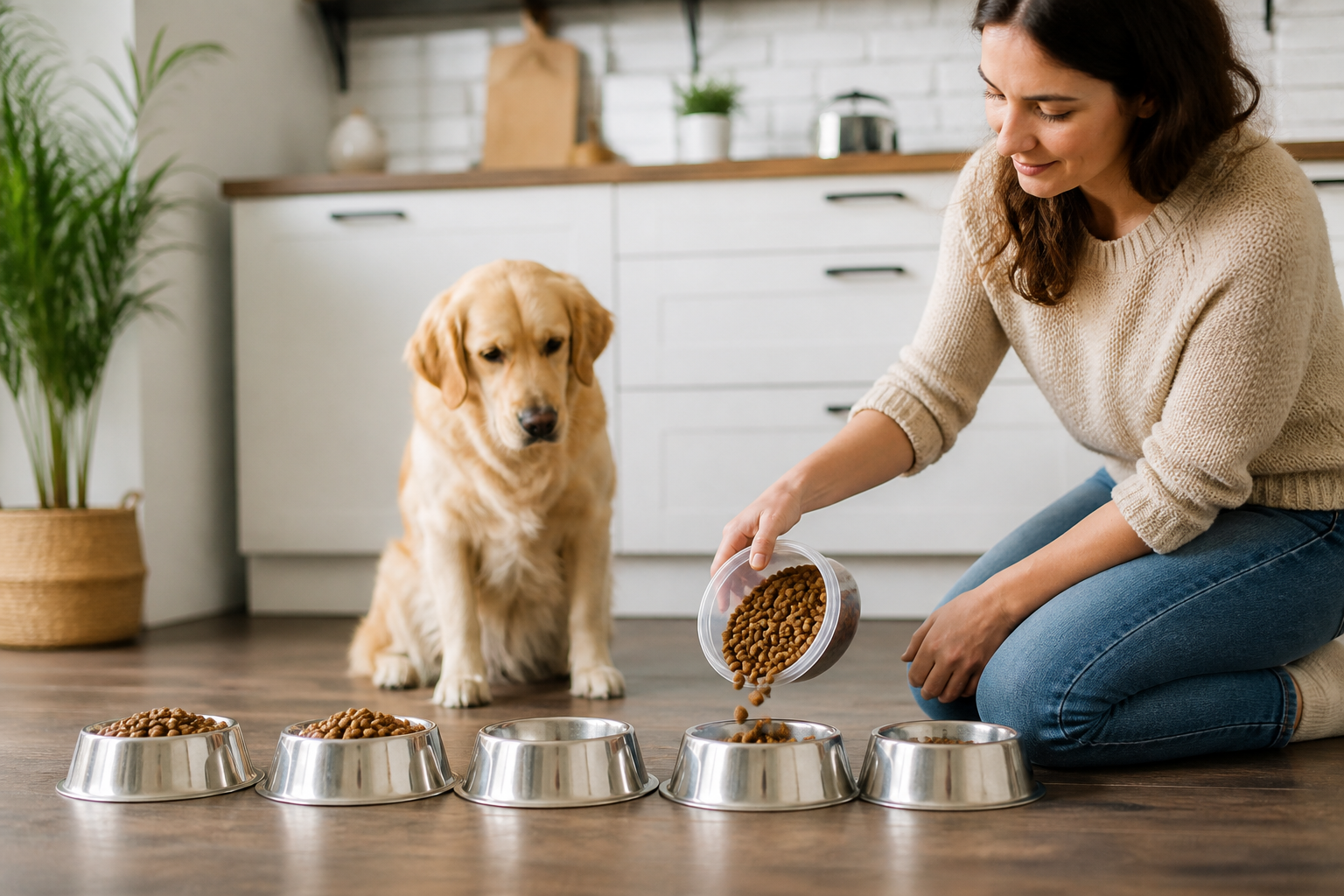
You finally found the perfect new dry food for your dog. Perhaps you are moving from a puppy formula to an adult diet. Maybe your veterinarian recommended a specific recipe to help with weight or skin issues. You might simply want to upgrade to a more nutritious brand you found at BaxterBoo. It is tempting to just fill the bowl with the new kibble and be done with it. However, a sudden change can lead to messy bathroom accidents and a very unhappy pup. Proper transitions are about more than just avoiding diarrhea. They help your dog's gut bacteria adapt to new ingredients and nutrient levels. This guide will show you exactly how to manage the switch while keeping your dog's digestive system stable and healthy.
Why a Slow Transition is Essential
A dog's digestive tract is home to a complex ecosystem of bacteria. This is often called the gut microbiome. These microbes help break down specific proteins, fibers, and fats. When you feed the same food for months, the gut becomes highly specialized. If you suddenly introduce a different set of ingredients, the system cannot keep up. This results in fermentation and inflammation.
Common signs of a transition that moved too fast include:
- Loose stools or sudden diarrhea
- Excessive gas and bloating
- Vomiting shortly after eating
- A total refusal to eat the new food
Slow changes allow the gut population to shift gradually. It also helps you identify if the new food actually agrees with your dog before they have consumed a large amount. For more information about possible digestive reactions, read our guide to dry food and diarrhea in dogs.
Key Takeaway: Sudden food changes disrupt the gut microbiome and often cause gastrointestinal distress. A gradual introduction is the only way to ensure your dog absorbs nutrients correctly from their new diet.
The Standard 7-Day Transition Plan
For most healthy adult dogs, a one-week transition is the gold standard. This schedule gives the digestive system enough time to adjust without dragging the process out too long. You will need a small amount of the old food remaining to make this work. Browse our dry dog food selection when you are ready to compare new recipes.
Step 1: The Initial Mix
For Days 1 and 2, use a ratio of 75 percent old food and 25 percent new food. This is just a "handshake" between the two formulas. Watch for any immediate changes in stool consistency.
Step 2: The Halfway Point
On Days 3 and 4, move to a 50/50 split. This is usually when you will notice if the new food causes gas. If your dog seems comfortable, proceed. If they seem gassy, stay at this stage for an extra day.
Step 3: The Final Stretch
For Days 5 and 6, the bowl should contain 25 percent old food and 75 percent new food. Your dog is now primarily eating the new recipe. By this point, their system should be well-adjusted to the new protein and fat sources.
Step 4: Full Success
On Day 7, you can feed 100 percent of the new dry food. Keep an eye on their energy levels and coat quality over the next month to ensure the food is a good long-term fit.
Bottom line: Most dogs transition perfectly over seven days by increasing the new food amount by 25 percent every two days.
Handling Sensitive Stomachs with a 10-Day Plan
Some dogs have what owners often call an "iron stomach." Others seem to get an upset tummy if the wind blows the wrong way. If your dog has a history of digestive issues or food intolerances, a 10-day transition is safer.
- Days 1 to 3: 90 percent old food, 10 percent new food.
- Days 4 to 6: 70 percent old food, 30 percent new food.
- Days 7 to 9: 40 percent old food, 60 percent new food.
- Day 10: 100 percent new food.
This slower pace is also helpful when moving between very different types of food. For example, moving from a grain-inclusive chicken recipe to a grain-free salmon recipe is a major shift. The more the ingredients differ, the slower you should go. Dogs with specialized dietary needs may also benefit from our veterinary diet food guide.
Vet Tip: If your dog has a known history of chronic GI issues, consult your veterinarian before any diet change. They may recommend a prescription diet or specific supplements to protect the gut lining during the switch.
When an Immediate Switch is Required
There are rare times when you cannot wait a week. A food recall is the most common reason for a sudden stop. You might also run out of the old food unexpectedly because the store was out of stock. If your veterinarian suspects a severe food allergy, they might also order an immediate change to a hypoallergenic diet.
Our pet pharmacy carries FDA-approved medications and prescription pet foods through our partnership with Pet's Choice. If your vet prescribes a specific therapeutic diet for a condition like kidney disease or severe allergies, you may need to start it right away.
If you must switch immediately, follow these steps:
- Offer a smaller portion than usual for the first few meals.
- Add a spoonful of plain canned pumpkin (not pie filling) to provide soluble fiber.
- Monitor for vomiting or severe lethargy.
- Consider a 12-hour fast before the first meal of new food to let the gut rest.
Quick Answer: Immediate food switches should only happen during recalls or under veterinary direction. Use probiotics and pumpkin to help manage the likely digestive upset that follows a sudden change.
Supporting Digestive Health During the Change
You can proactively support your dog's gut during a transition. Adding specific supplements can make the process much easier for the dog and cleaner for you. For another way to make meals more appealing and hydrating, see our guide to wetting dry dog food.
Probiotics and Prebiotics
Probiotics add beneficial bacteria to the gut. Prebiotics act as food for that bacteria. Starting a probiotic supplement two days before the transition begins can "prime" the gut for change. Brands like Zesty Paws or Honest Paws offer easy-to-use options that many dogs view as treats.
Digestive Enzymes
These help the body break down proteins, fats, and starches more efficiently. They are especially helpful if the new food has a significantly higher protein or fat content than the old one. Most enzymes come in a powder that you can sprinkle directly onto the dry kibble.
Canned Pumpkin
Plain canned pumpkin is a miracle worker for dog transitions. It contains fiber that helps firm up loose stools. It also provides moisture that aids in digestion. A tablespoon for small dogs or two tablespoons for large dogs is usually plenty.
Key Takeaway: Using supplements like probiotics and pumpkin can act as a safety net during a food switch. These tools help maintain stool quality even when the gut is processing new ingredients.
Choosing the Right New Food
Not all dry foods are created equal. When you choose a new brand from the 500 plus trusted brands we carry, look at the nutritional adequacy statement. This is often called the AAFCO statement. It tells you if the food is balanced for your dog's specific life stage.
Check the ingredient list for:
- Named animal proteins: Look for "chicken" or "lamb" rather than "meat meal."
- Healthy fats: Ingredients like salmon oil or chicken fat provide essential fatty acids.
- Complex carbohydrates: Brown rice, oats, or sweet potatoes provide steady energy.
- Avoidance of fillers: Minimize foods that rely heavily on corn or soy if your dog has a sensitive system.
Brands like NutriSource, Stella and Chewy's, and Farmina offer highly digestible recipes that often make the transition process smoother. You can also explore our selection of Orijen products.
Comparing Nutrient Levels Correctly
When you look at two bags of food, the "Guaranteed Analysis" can be misleading. This is because the moisture levels might be different. To truly compare the protein or fat content, you must look at the dry matter basis.
To calculate dry matter, follow these steps:
- Look at the moisture percentage on the bag (usually around 10 percent for dry food).
- Subtract that number from 100 to get the total dry matter (e.g., 90 percent).
- Divide the protein or fat percentage by the total dry matter.
- Multiply by 100.
If your new food has a much higher fat content on a dry matter basis, you must transition more slowly. High-fat diets can trigger pancreatitis in susceptible dogs if introduced too quickly.
Bottom line: Always compare the dry matter fat and protein percentages between the old and new food. A significant jump in fat requires a 10-day or 14-day transition rather than the standard seven.
Dealing with Picky Eaters During a Change
Some dogs are not sensitive to the food; they are just stubborn. They might pick out the old kibble and leave the new pieces in the bowl. If you have a discerning eater, you may need to use a few tricks to encourage them. For more ideas, read our practical guide for picky eaters and dry dog food.
- Add warm water: This releases the aroma of the new kibble and creates a light gravy.
- Use a topper: A small amount of wet food or a freeze-dried topper can entice them to eat the whole mix.
- Change the bowl: Sometimes a new environment or a puzzle feeder makes the new food seem like a game.
- Stay consistent: Do not give in and offer a bowl of human food if they refuse the new kibble. As long as they are healthy, they will eventually eat when they are hungry.
Be careful with toppers if the switch is for medical reasons. If your dog is on a prescription diet from our pharmacy for allergies, adding a random topper could ruin the trial. Always check with your vet before adding extras to a therapeutic diet.
When to Call the Veterinarian
Most transition issues resolve within a few days. However, you should never ignore signs of a serious problem. If your dog's reaction seems extreme, it might not be the transition speed. It might be the food itself.
Contact your vet if you notice:
- Vomiting that lasts more than 24 hours
- Total refusal to eat for more than 48 hours
- Bloody stools or severe, watery diarrhea
- Signs of an allergic reaction, such as hives or facial swelling
- Extreme lethargy or weakness
These symptoms could indicate a food intolerance or an underlying health issue that the diet change has highlighted. Your vet can determine if you need a different type of food or if your dog needs medication to settle their stomach.
Vet Tip: For dogs with chronic conditions like diabetes, never change their food without a vet's supervision. Diet changes can drastically alter insulin requirements and lead to a health crisis.
Conclusion
Changing your dog's dry food is a common part of pet ownership. Whether you are moving to a senior diet or trying a new flavor, the secret to success is patience. By following a 7-day or 10-day schedule, you protect your dog from the discomfort of an upset stomach. Remember to monitor their stool quality and energy levels throughout the process. We are here to help you find the best options for your pup, whether you need premium kibble or a prescription diet through our pharmacy.
Next steps for a successful transition:
- Check your remaining supply of old food to ensure you have enough for a 7-day mix.
- Pick up a probiotic or canned pumpkin to support their digestive tract.
- Sign up for our Autoship programme to save on your new food and ensure you never run out during the transition.
FAQ
How do I know if the new food is actually working for my dog?
It usually takes about four to six weeks to see the full results of a food change. Look for a shiny coat, clear skin, and consistent, firm stools as signs of success. If your dog has high energy levels and maintains a healthy weight, the food is likely a good fit.
Can I mix two different brands of dry food permanently?
Yes, many owners use a rotational feeding method or mix brands to provide a variety of nutrients. As long as both foods are high-quality and "complete and balanced," mixing is safe for most dogs. Just ensure you are calculating the total calories correctly to avoid overfeeding.
What should I do if my dog picks out the old food and leaves the new food?
Try mixing the two foods more thoroughly or adding a tiny bit of warm water to "glue" them together. You can also use a food topper or a bit of plain yogurt to make the entire mixture more appealing. If they continue to pick, you might need to try a different protein source or kibble shape.
Why is my dog so gassy after changing their food?
Gas is often caused by the gut bacteria fermenting new types of fiber or protein that they are not used to. This usually settles down within a week as the microbiome adjusts. If the gas is accompanied by pain or lasts longer than two weeks, the food might be too rich for your dog's system.






