
 Save 15% on your 1st Autoship learn more

 Email us
 Live Chat
 FAQs
FAQs





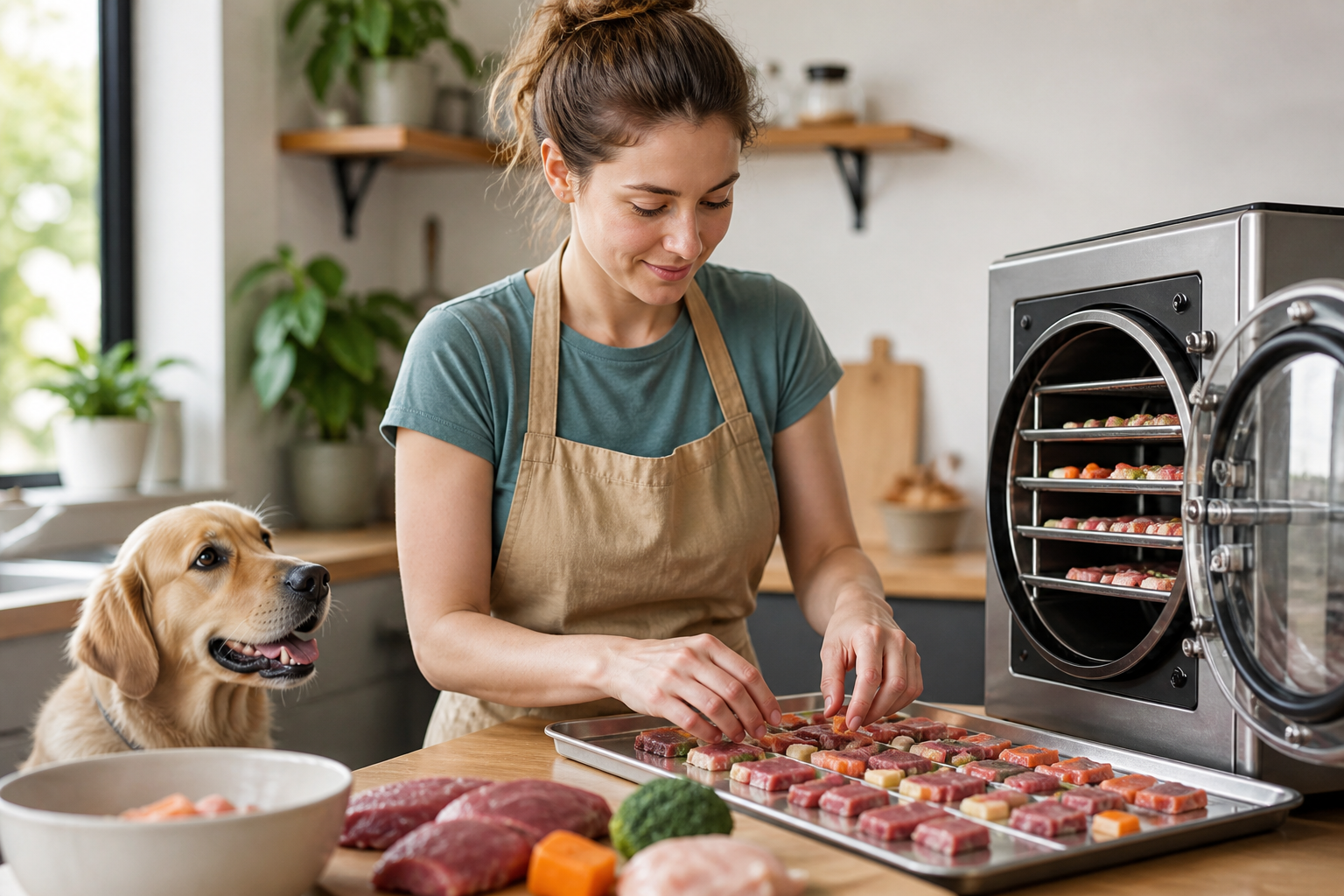
Table of Contents
- Introduction
- What Is the Freeze-Drying Process?
- Equipment Needed for DIY Freeze-Drying
- Preparing Raw Food for the Freeze Dryer
- Managing the Freeze-Drying Cycle
- Food Safety and Pathogen Concerns
- Nutritional Balance in Homemade Recipes
- Rehydrating Freeze-Dried Raw Dog Food
- Comparing DIY to Commercial Freeze-Dried Options
- Managing Health Conditions with Specialized Diets
- Storage and Shelf Life
- Transitioning Your Dog to Freeze-Dried Raw
- Conclusion
- FAQ
Introduction
You might find yourself staring at a freezer full of raw meat and wondering how you can possibly take this diet on your upcoming road trip. Raw feeding offers incredible nutritional benefits, but it can be a logistical challenge when you leave the house. Many dog owners are turning to freeze-drying to make their pet's meals shelf-stable without losing the vital nutrients found in fresh, raw ingredients. At BaxterBoo, we know that your dog's health starts in their bowl. This guide covers the mechanics of sublimation, the step-by-step process of preparing food for a home freeze dryer, and the safety protocols you must follow. We will help you understand whether the DIY route or a trusted commercial brand is the best fit for your lifestyle.
Quick Answer: To freeze dry raw dog food at home, you must prepare balanced raw meals, spread them on specialized trays, and run them through a home freeze dryer cycle. This process uses sublimation to remove moisture while preserving roughly 97 percent of the original nutrients.
What Is the Freeze-Drying Process?
Freeze-drying is technically known as lyophilization or sublimation. It is a process that removes moisture from food while it is frozen. Instead of using high heat like traditional dehydration, freeze-drying turns ice directly into water vapor. This happens inside a vacuum chamber. Because the food never gets cooked, the cell structure remains intact. This is why freeze-dried nuggets or patties look almost exactly like they did before the process started.
Most traditional kibble is made through extrusion. This process involves high heat and pressure, which can destroy sensitive vitamins and enzymes. Dehydration also uses heat, which can change the texture and nutritional profile of the meat. Freeze-drying is unique because it preserves the flavor and nutritional integrity of the raw ingredients. It removes up to 99 percent of the moisture, making the food extremely light and shelf-stable for years if stored correctly. For ready-to-serve alternatives, explore our freeze-dried dog food collection.
The Science of Sublimation
When you put raw dog food into a freeze dryer, the machine first brings the temperature down to well below zero. Once the food is completely frozen, a vacuum pump creates a low-pressure environment. The machine then applies a tiny amount of heat to the trays. In this vacuum, the ice does not melt into water. Instead, it turns into a gas. This gas is then collected on freezing coils inside the machine. This leaves you with a piece of meat that is essentially a dry sponge of nutrients.
Equipment Needed for DIY Freeze-Drying
If you want to freeze dry raw dog food at home, the most significant hurdle is the initial investment. A home freeze dryer is a large appliance that looks similar to a small refrigerator or a large microwave. These machines are significantly more expensive than standard dehydrators because they require a powerful vacuum pump and sophisticated sensors.
In addition to the machine itself, you will need several other supplies.
- Stainless steel trays that fit your specific machine.
- Silicone liners or parchment paper to prevent sticking.
- High-quality Mylar bags or glass jars for long-term storage.
- Oxygen absorbers to keep the food fresh once sealed.
- A high-quality kitchen scale to ensure consistent portioning.
- A sharp knife or meat grinder for food preparation.
For another look at the equipment and preparation process, read this practical guide to making freeze-dried dog food.
Key Takeaway: Freeze-drying is the gold standard for preserving raw nutrition because it avoids the high temperatures used in kibble production and dehydration. This results in a shelf-stable product that maintains the vitamins and minerals your dog needs.
Preparing Raw Food for the Freeze Dryer
Before you start the machine, you must prepare the food correctly. Consistency is the most important factor here. If you have some pieces that are very thick and others that are thin, the thin pieces will be done while the thick pieces remain moist in the center. Any remaining moisture can lead to mold and bacterial growth.
If you are following a specific recipe, like a BARF (Biologically Appropriate Raw Food) or Prey Model diet, you should mix everything before freezing. This includes your muscle meat, organ meats, and bone. If you use vegetables or fruits, pulse them in a food processor first. This breaks down the cellulose walls, making them easier for your dog to digest. You can also compare prepared options in our raw dog food category.
Step 1: Slice or grind the meat. / Cut the meat into uniform bite-sized pieces or small patties. If you use a grinder, make sure the patties are no more than one inch thick.
Step 2: Arrange on trays. / Place the food on the trays in a single layer. Do not overlap the pieces, as this will prevent the vacuum from reaching all surfaces equally.
Step 3: Pre-freeze the trays. / While the freeze dryer can freeze the food for you, pre-freezing in your chest freezer can save time and energy. Put the loaded trays in your freezer for at least 24 hours before starting the machine cycle.
Step 4: Load the machine. / Slide the trays into the freeze dryer and ensure the drain valve is closed tightly. Start the cycle according to the manufacturer's instructions.
Managing the Freeze-Drying Cycle
A typical freeze-drying cycle for raw meat can take anywhere from 20 to 40 hours. The time depends on the thickness of the food and the fat content. High-fat meats like duck or fatty beef take much longer than lean meats like turkey or white fish. Fat does not freeze-dry as easily as protein or water, so keep this in mind when selecting your ingredients.
During the drying phase, the machine will slowly warm the trays while the vacuum pump runs. You will hear the pump cycle on and off throughout the day. Most modern machines have sensors that tell you when the process is complete. However, you should always check the food manually before packaging it.
To check for dryness, take a large piece and break it in half. The center should feel warm and completely dry to the touch. If the center feels cold, there is still ice present. You must put the trays back in for more drying time. Even a tiny amount of moisture can ruin an entire batch of food once it is sealed in a bag.
Bottom line: Preparation consistency and fat content are the two biggest variables that determine how long your raw dog food will take to freeze dry.
Food Safety and Pathogen Concerns
It is a common misconception that freeze-drying kills bacteria. This is not true. Freeze-drying puts bacteria like Salmonella, E. coli, and Listeria into a dormant state. They do not die. As soon as you add water back to the food or the food enters your dog's warm digestive tract, those bacteria can become active again.
Commercial brands like Stella & Chewy's or Open Farm often use a process called High Pressure Processing (HPP). This is a cold-water pressure process that effectively kills pathogens without using heat. When you are freeze-drying at home, you do not have access to HPP technology. This means you must be extremely diligent about the quality of the raw meat you buy. Use the same food safety standards you would use when preparing meat for your family. For a commercial option, Steve's Real Food freeze-dried selections are designed for convenient storage and travel.
Vet Tip: If your dog has a compromised immune system or is undergoing certain medical treatments, talk to your veterinarian before feeding a raw or home-freeze-dried diet. Our pharmacy carries prescription diets through our partnership with Pet's Choice that may be safer for dogs with specific health vulnerabilities.
Safe Handling Practices
- Wash your hands with warm, soapy water for 20 seconds before and after handling raw meat.
- Sanitize all surfaces, trays, and utensils that come into contact with the raw food.
- Store your finished freeze-dried food in a cool, dark place to prevent the fats from going rancid.
- Clean your dog's bowl thoroughly after every meal, even if they licked it clean.
- Keep children away from the area where you prepare raw pet food.
Nutritional Balance in Homemade Recipes
One of the biggest risks of DIY freeze-drying is a lack of nutritional balance. A dog cannot thrive on plain chicken breast alone. They require a specific ratio of calcium, phosphorus, vitamins, and essential fatty acids. In the wild, canines get these from the bones, organs, and stomach contents of their prey.
If you are making your own raw mix to freeze dry, you must ensure it meets the AAFCO (Association of American Feed Control Officials) standards for your dog's life stage. Puppies, in particular, need very specific calcium-to-phosphorus ratios to ensure their bones grow correctly. Many home-feeders use a high-quality multivitamin or a "base mix" to fill in the nutritional gaps. This freeze-dried dog food feeding guide provides another perspective on complete and balanced options.
Common Ingredients in a Balanced Mix
- Muscle meat (beef, turkey, chicken, lamb).
- Organ meats (liver, kidney, spleen, heart).
- Ground bone or a calcium supplement.
- Essential fats (omega-3 fatty acids from fish oil or flaxseed).
- Trace minerals (zinc, iron, manganese).
Key Takeaway: Homemade freeze-dried food is only as healthy as the recipe you start with. Ensure your base mix is nutritionally complete to avoid long-term health issues like bone density loss or organ dysfunction.
Rehydrating Freeze-Dried Raw Dog Food
While you can use small pieces of freeze-dried meat as high-value training treats, you should always rehydrate them if they are being served as a full meal. Freeze-dried food is extremely dry, usually containing less than 3 percent moisture. If your dog eats a large amount of dry food without enough water, it can lead to dehydration and put a strain on their kidneys.
Rehydrating also helps with digestion. It allows the enzymes in the food to activate and makes the texture more appealing to your dog. To rehydrate, simply add warm water, bone broth, or goat milk to the food. Let it sit for about five to ten minutes until the pieces are soft all the way through.
Step 1: Measure the food. / Place the appropriate portion of freeze-dried nuggets or patties into your dog's bowl.
Step 2: Add liquid. / Use a one-to-one ratio of food to liquid as a starting point. Warm liquid works faster than cold liquid.
Step 3: Wait. / Give the food time to absorb the moisture. You can mash the pieces with a fork to speed up the process.
Step 4: Serve. / Once the food is soft, serve it immediately. Do not leave rehydrated raw food out for more than 30 minutes.
For additional serving guidance, see how to feed freeze-dried dog food.
Comparing DIY to Commercial Freeze-Dried Options
At our warehouse in Vernon Hills, we see a wide variety of pet parents. Some love the control of making their own food, while others prefer the convenience and safety of established brands. Commercial freeze-dried raw food, such as options from Steve's Real Food or Vital Essentials, offers several advantages that are hard to replicate at home.
First, commercial brands are formulated by animal nutritionists. This ensures that every bite contains the exact ratio of vitamins and minerals your dog needs. Second, as mentioned earlier, many brands use HPP to ensure the food is free from dangerous pathogens. This provides a level of safety that is difficult to achieve in a home kitchen.
However, the cost of commercial freeze-dried food can be high. It is often the most expensive category of dog food because of the labor-intensive drying process and the high quality of the ingredients. If you have multiple large dogs, the DIY approach with a home freeze dryer might eventually pay for itself. But for many, the time and equipment costs make commercial options a better fit.
Bottom line: Commercial freeze-dried raw food offers expert formulation and safety testing that is difficult to match at home, though DIY can be more cost-effective for multi-dog households in the long run.
Managing Health Conditions with Specialized Diets
If your dog is managing a chronic health condition like kidney disease, diabetes, or severe food allergies, their diet is a medical tool. Sometimes, a standard raw or freeze-dried diet may not be the right choice. In these cases, your veterinarian might recommend a prescription diet specifically formulated for their condition.
At BaxterBoo, we aim to be your partner in every stage of pet care. Through our partnership with Pet's Choice, we offer a full pharmacy with access to prescription pet foods and FDA-approved medications. If your dog requires a specific diet for weight management or skin issues, we can help you get those specialized foods delivered right to your door. Always consult with your vet before switching a dog with a health condition to a raw or homemade freeze-dried diet. Explore our pet pharmacy for specialized options.
Storage and Shelf Life
One of the primary reasons people want to know how to freeze dry raw dog food is for long-term storage. Properly dried and sealed food can last for 15 to 25 years. However, this only applies if the food is stored correctly. Exposure to light, heat, and oxygen will cause the fats in the meat to oxidize and go rancid.
For daily use, you can store freeze-dried food in an airtight container in a cool pantry. If you are prepping for long-term storage or travel, use Mylar bags with oxygen absorbers. Once you open a bag, try to use it within 30 days to ensure the best flavor and nutritional value. You do not need to refrigerate freeze-dried food as long as it remains dry.
Transitioning Your Dog to Freeze-Dried Raw
If your dog has been eating kibble their whole life, you should not switch to freeze-dried raw overnight. A sudden change in protein and fat levels can cause digestive upset, including vomiting or diarrhea. Start by replacing about 10 to 20 percent of their current meal with the new food.
Slowly increase the amount of freeze-dried food over seven to ten days. Monitor your dog's stool consistency and energy levels during this time. If you notice any issues, slow down the transition. Many owners find that their dogs have smaller, firmer stools on a raw diet because the food is more digestible and contains fewer fillers like corn, soy, or wheat. For a comparison of preservation methods, read this guide to freeze-dried versus dehydrated dog food.
Conclusion
Learning how to freeze dry raw dog food is a great way to provide high-quality nutrition with the convenience of a shelf-stable product. Whether you invest in a home machine or choose our expertly curated brands like Stella & Chewy's or Open Farm, you are giving your dog a diet that supports their natural biology. Remember to prioritize safety by handling raw meat carefully and ensuring your recipes are nutritionally complete. For those looking for the ultimate convenience, consider our Autoship program. You can save on your first order and ensure your dog never runs out of their favorite raw meals.
Key Takeaway: Freeze-drying bridges the gap between raw nutrition and modern convenience, making it easier than ever to feed your dog a diet that supports their health and longevity.
FAQ
Is freeze-dried dog food as good as fresh raw food?
Freeze-dried raw food retains about 97 percent of the original nutrients found in fresh raw ingredients. It offers the same benefits for digestion, skin, and coat health but in a more convenient, shelf-stable format. The main difference is the lack of moisture, which is why rehydrating the food before serving is so important for your dog's hydration and kidney health.
Can I freeze dry cooked dog food instead of raw?
Yes, you can freeze dry cooked dog food. If you prefer to feed a gently cooked diet due to concerns about pathogens, you can cook the meat and vegetables first, let them cool, and then run them through the freeze dryer. This results in a product that is still highly nutritious and shelf-stable, though it will have a slightly different texture than raw freeze-dried food.
Why is freeze-dried dog food so expensive?
The cost is high because the freeze-drying process is very slow and requires expensive machinery that uses a significant amount of electricity. Additionally, most freeze-dried foods are made with premium, human-grade meats and do not contain cheap fillers like grains or potatoes. When you buy freeze-dried, you are paying for both the quality of the ingredients and the specialized preservation process.
Do I have to rehydrate freeze-dried food if I only use it as a topper?
If you are only sprinkling a small amount of freeze-dried food over your dog's regular kibble or using it as a training treat, you do not need to rehydrate it. The moisture in your dog's body can handle a small amount of dry material. However, if the freeze-dried food makes up more than 20 percent of the meal, adding water or broth is highly recommended to prevent dehydration.






