
 Save 15% on your 1st Autoship learn more

 Email us
 Live Chat
 FAQs
FAQs





Introduction
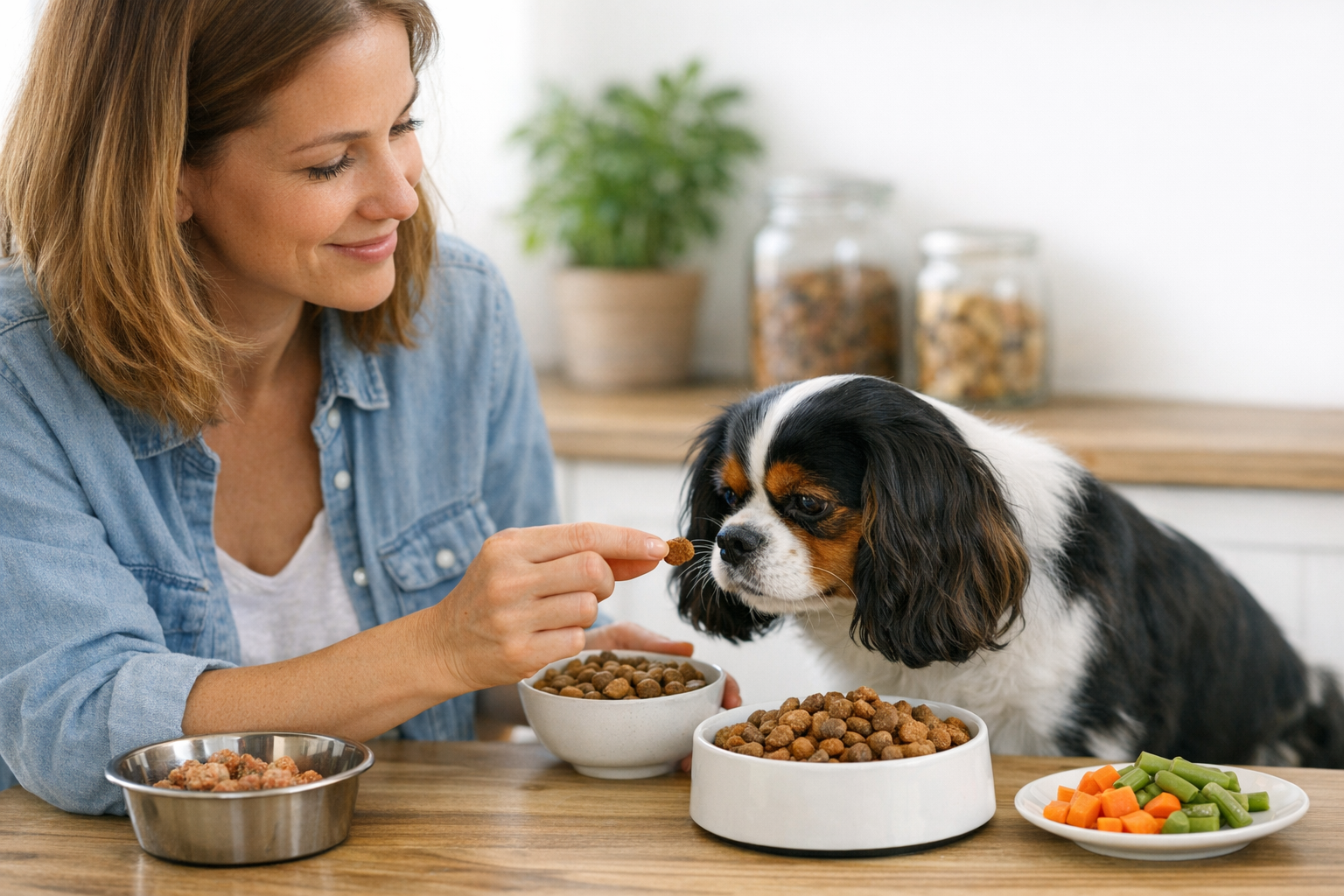
You fill the bowl with high-quality kibble and set it down. Your dog walks over, takes a single sniff, and then looks up at you with an expression of pure disappointment. They might even nudge the bowl away or walk out of the room entirely. This "hunger strike" is a common source of stress for pet owners. At BaxterBoo, we talk to people every day who are struggling to find a balance between providing proper nutrition and keeping their pets happy. This guide explores the reasons why your dog might be avoiding their bowl and offers practical steps to fix it. We will cover environmental changes, kitchen tricks, and how to identify when a medical issue is the real culprit. Understanding your dog’s motivation is the first step toward a clean bowl and a healthy pup.
Quick Answer: To get a dog to eat dry food, start by ruling out dental or medical issues with a vet. If they are healthy, establish a strict 20 minute feeding window, limit all treats and table scraps, and consider adding warm water or a healthy topper to enhance the aroma of the kibble.
Rule Out Health and Dental Concerns First
Before you assume your dog is just being stubborn, you must ensure they are physically comfortable. A sudden refusal to eat dry food is often a signal that something is wrong. Dry kibble is hard. If a dog has a cracked tooth, inflamed gums, or an abscess, crunching down on that food can be incredibly painful. You might notice them drop food out of their mouth or only chew on one side. These are classic signs of dental distress that require professional attention.
Gastrointestinal issues also play a large role in appetite. If your dog feels nauseous or has a sour stomach, the rich smell of their usual food might be off-putting. Chronic conditions like pancreatitis or kidney disease can cause a gradual or sudden loss of interest in meals. If your dog has stopped eating entirely or is losing weight, do not wait to see if their appetite returns on its own.
Vet Tip: If your dog refuses dry food but eagerly accepts soft treats or table scraps, they may be managing dental pain or simply being picky. However, if they refuse all food for more than 24 hours, contact your veterinarian immediately to rule out serious underlying illness.
Our pet pharmacy offers a range of prescription diets and medications. If your vet determines that a medical condition is causing the pickiness, we can help you manage it with FDA-approved treatments. Sometimes a specific prescription diet for digestive health or dental support is exactly what a dog needs to feel like eating again.
The Power of the Canine Nose
A dog’s sense of smell is significantly more advanced than their sense of taste. While humans have about 9,000 taste buds, dogs only have around 1,700. They do not experience flavor the same way we do. Instead, they "taste" through their nose. If a bag of dry food has been open for too long, the fats can become rancid and the aroma fades. To your dog, that bowl of kibble might smell like stale cardboard.
Temperature also affects how food smells. Cold food has very little scent. This is why many dogs prefer wet food. It is naturally more aromatic. You can mimic this effect with dry food by adding a small amount of warm water or low-sodium broth. The heat helps release the fat molecules and proteins into the air. This makes the meal much more enticing before the dog even takes a bite.
Simple Ways to Boost Aroma
- Add two tablespoons of warm water to the bowl.
- Let the food sit for three minutes to create a natural gravy.
- Use a microwave-safe dish to warm the kibble for 5 to 10 seconds.
- Store dry food in an airtight container to keep the fats fresh.
Key Takeaway: Scent is the primary driver of appetite for dogs. Enhancing the aroma of dry food through heat or moisture is often the fastest way to encourage a picky eater.
Eliminate the Buffet Mentality
One of the most common reasons a dog refuses dry food is that they are simply not hungry. We often overestimate how many calories a dog actually needs. If you provide a constant stream of high-value treats, dental chews, and table scraps throughout the day, your dog has no reason to eat their boring kibble. They are essentially holding out for the "good stuff" because they know it is coming eventually.
To fix this, you must treat their daily caloric intake as a single pie. Every treat you give takes a slice out of that pie. If the treats make up half the pie, the dog will not be hungry enough to finish their nutrient-dense dry food. Start by cutting out all extras for at least one week. This includes that little piece of cheese at lunch or the biscuit after a walk. When the only option available is the dry food in the bowl, hunger becomes a very effective motivator.
Bottom line: A dog who is filled up on snacks will never have the drive to eat a standard meal of dry kibble.
The 20-Minute Feeding Rule
Dogs thrive on routine and clear boundaries. If you leave a bowl of dry food out all day, it is called free-feeding. This often leads to pickiness because the food loses its value. It is always there, so there is no urgency to eat it. It also allows the food to go stale as it sits in the open air. Switching to a structured feeding schedule can change your dog's perspective on mealtime.
Set the bowl down at the same time every morning and evening. Give your dog exactly 20 minutes to eat. If they walk away or sniff it and leave, pick the bowl up. Do not offer any treats or alternative foods until the next scheduled mealtime. At the next meal, put the bowl down again for 20 minutes. Most healthy dogs will learn within two or three cycles that they must eat when the food is available.
Transitioning to a Schedule
Step 1: Choose two consistent times of day for meals. Step 2: Place the measured amount of dry food in a clean bowl. Step 3: Remove the bowl after 20 minutes, regardless of how much was eaten. Step 4: Resist the urge to give treats between these scheduled windows.
Kitchen Hacks and Healthy Add-Ins
If your dog is healthy but still needs a little encouragement, you can use toppers to bridge the gap. You do not want to create a situation where your dog refuses to eat unless there is a steak on top of the kibble. The goal is to use a small amount of a high-value ingredient to "kickstart" the eating process. Once they start eating the topper, they usually continue through the rest of the bowl.
Bone broth is an excellent choice for this. Brands like Open Farm products produce broths specifically designed for pets that are free from onions, garlic, and excessive salt. A splash of broth adds moisture and a massive boost of flavor. Another option is a tablespoon of plain, unsweetened Greek yogurt or canned pumpkin. These add a different texture and scent that can break the boredom of a standard dry diet.
Safe and Healthy Toppers
- Freeze-dried meal mixers: Crumble these over the top to add a punch of raw protein flavor.
- Plain canned fish: A tiny bit of water-packed sardines or tuna can be very enticing.
- Stella & Chewy's Magic Dust: This is a specialized powder designed specifically for picky eaters.
- Warm goat milk: This is easy on the stomach and provides a creamy texture many dogs love.
Key Takeaway: Use toppers as a tool to start the meal, but keep them to less than 10 percent of the total bowl to ensure the diet remains balanced.
Check the Quality of the Kibble
Not all dry foods are created equal. Some grocery store brands rely heavily on corn, wheat, and soy fillers. These ingredients do not have the same nutritional density or appealing flavor as real meat proteins. If your dog is consistently refusing a specific brand, they might be reacting to the quality of the ingredients. Dogs are biologically driven to seek out animal fats and proteins.
At BaxterBoo, we carefully curate our dog food category to include brands that prioritize real meat as the first ingredient. Brands like Acana products and Orijen use high inclusions of fresh animal ingredients. These foods naturally have a stronger, meatier aroma that is more attractive to dogs. If you have been feeding a budget-friendly kibble with a lot of grain, switching to a high-protein, grain-free, or ancient grain formula might be the simple solution you need.
The Role of Texture and Bowl Type
Sometimes the issue is not the food itself, but the vessel it is served in. Some dogs are sensitive to the sound of their collar tags clinking against a stainless steel bowl. Others might be put off by the reflection in a glass or polished metal dish. If your dog seems hesitant to approach the bowl, try switching to a ceramic or BPA-free plastic dish with a lower profile.
Texture also matters. Some older dogs find large, hard kibble difficult to manage even without dental disease. Smaller kibble sizes or "life stage" specific formulas from brands like Royal Canin products are designed with specific jaw shapes and biting strengths in mind. If your dog is a small breed, ensure they are not struggling with a kibble size meant for a much larger animal.
Environmental Stress and Distractions
Dogs are creatures of habit. If their environment changes, their appetite is often the first thing to disappear. Moving to a new home, the arrival of a new baby, or even a loud thunderstorm can cause enough anxiety to shut down a dog's hunger. If your feeding area is in a high-traffic part of the house, like a busy kitchen, your dog might feel too distracted or vulnerable to focus on eating.
Try moving the food bowl to a quiet corner or a separate room where the dog can eat in peace. This is especially important in multi-pet households. If another dog is "hovering" or watching them eat, your dog might feel pressured and walk away from the food to avoid a confrontation. Giving each pet their own space to eat can significantly reduce mealtime stress.
Using Enrichment to Spark Interest
If your dog has a high play drive, they might find a static bowl of food boring. In the wild, canines spend a significant portion of their day working for their food. You can tap into this instinct by using food puzzles and enrichment toys. Instead of putting the kibble in a bowl, put it inside a Kong or a snuffle mat.
This turns mealtime into a game. The mental stimulation of "hunting" for the kibble can actually increase a dog's interest in the food. It also slows down fast eaters, which can help with digestion. Many owners find that a dog who ignores a bowl will happily spend 20 minutes working the same kibble out of a wobbling toy or a silicone mat.
Enrichment Ideas for Picky Eaters
- Snuffle Mats: Hide the kibble in the fabric strips for them to find by scent.
- Rolling Dispensers: These drop kibble as the dog nudges them around the floor.
- Frozen Toppers: Smear a little wet food or peanut butter inside a toy and fill the rest with kibble.
- Training Sessions: Use the dry food as "rewards" during a short trick-training session.
Bottom line: Making a dog work for their food can provide the mental "spark" needed to get them interested in dry kibble again.
How to Safely Transition to a New Food
If you decide that your current dry food is the problem, do not switch to a new brand overnight. A sudden change in protein or fiber content can cause significant stomach upset, including diarrhea and vomiting. This will only make your dog more likely to avoid the new food in the future because they associate it with feeling sick.
A proper transition should take about seven to ten days. Start by mixing a small amount of the new food into the old food. Gradually increase the ratio of the new kibble while decreasing the old. This gives the beneficial bacteria in your dog's gut time to adjust to the new ingredients.
Vet Tip: During a food transition, watch for signs of allergies or sensitivities. These can include excessive scratching, red ears, or changes in stool consistency. If these occur, consult your vet about a limited ingredient or hypoallergenic diet.
If you want a deeper walk-through, our guide on how to switch from dry to wet dog food covers a gradual transition plan that can help picky eaters too.
Managing the Senior Dog's Appetite
As dogs age, their senses often dull. A senior dog might not be able to smell their food as well as they used to. They may also experience cognitive changes that make them "forget" to eat or feel more easily overwhelmed by a full bowl. For these dogs, smaller and more frequent meals are often better than one or two large ones.
Softening the kibble is almost always a requirement for very senior dogs. Use warm water or a specialized senior-formula topper to create a mush-like consistency. This makes the food easier to chew and swallow while boosting the aroma. We carry several senior-specific brands like NutriSource products and PureVita products that focus on high digestibility and joint support for aging pets.
The Importance of Exercise
A sedentary dog burns very few calories. If your dog spends most of the day lounging on the sofa, their body may not be signaling for more fuel. Physical activity is a natural appetite stimulant. A long walk or a vigorous game of fetch about 30 minutes before mealtime can help kick their metabolism into gear.
The increased heart rate and physical exertion tell the brain that the body needs to replenish its energy stores. You will often find that a dog who is picky after a day of napping is much more interested in their bowl after a trip to the park. Ensure they have had a chance to cool down and drink some water before you set the food bowl down to prevent digestive issues like bloat.
If your dog gets bored easily, our tips on indoor enrichment for dogs can help make mealtime and exercise feel more rewarding.
Conclusion
Getting a dog to eat dry food requires a mix of patience, observation, and consistency. Start by ensuring there are no medical or dental issues causing pain. Once health is confirmed, focus on making the food smell irresistible and establishing a strict feeding schedule. Avoid the temptation to give in with table scraps, as this only reinforces the picky behavior. We are here to help you navigate these challenges with a massive selection of premium foods and a pet pharmacy ready to support your pet's specific health needs. By staying firm with your boundaries and perhaps adding a healthy topper or enrichment toy, you can turn mealtime from a struggle into a success. Consider signing up for our Autoship programme to ensure your dog's favorite fresh kibble always arrives right when you need it, and check out our MVP Rewards programme to make every recurring order work a little harder for you.
FAQ
Is it okay if my dog skips a meal?
If your dog is an adult and in good health, skipping one or two meals is generally not a cause for panic. They may simply not be hungry or are waiting for better options. However, you should never withhold food from a puppy, a senior dog, or a pet with an underlying health condition like diabetes without veterinary guidance. If you want more context on meal changes, see should you feed your dog wet and dry food.
Can I mix wet and dry food permanently?
Yes, mixing wet and dry food is a great way to provide variety and extra hydration. This is often called "combination feeding." Just be sure to calculate the total calories of both the wet and dry portions to ensure you are not overfeeding your dog, which can lead to obesity and joint stress. For a step-by-step approach, our article on switching from dry to wet dog food is a helpful reference.
Why does my dog eat treats but refuse their dry food?
Treats are designed to be extremely high in fat and sugar to make them highly palatable. Most dogs will choose a treat over a balanced meal for the same reason a child might choose candy over broccoli. To fix this, stop all treats until your dog is consistently eating their regular dry food again. For more strategies, our guide to best dry dog food for picky eaters may help.
Should I leave the food bowl out all day?
We generally recommend against free-feeding. Leaving food out allows it to go stale and lose its scent, making it less attractive to your dog. It also makes it much harder for you to track exactly how much your dog is eating, which is vital information if they ever become ill or need a weight management plan. If you need more ideas for making meals engaging, our article on dog boredom busters and enrichment is worth a look.






