
 Save 15% on your 1st Autoship learn more

 Email us
 Live Chat
 FAQs
FAQs





Introduction
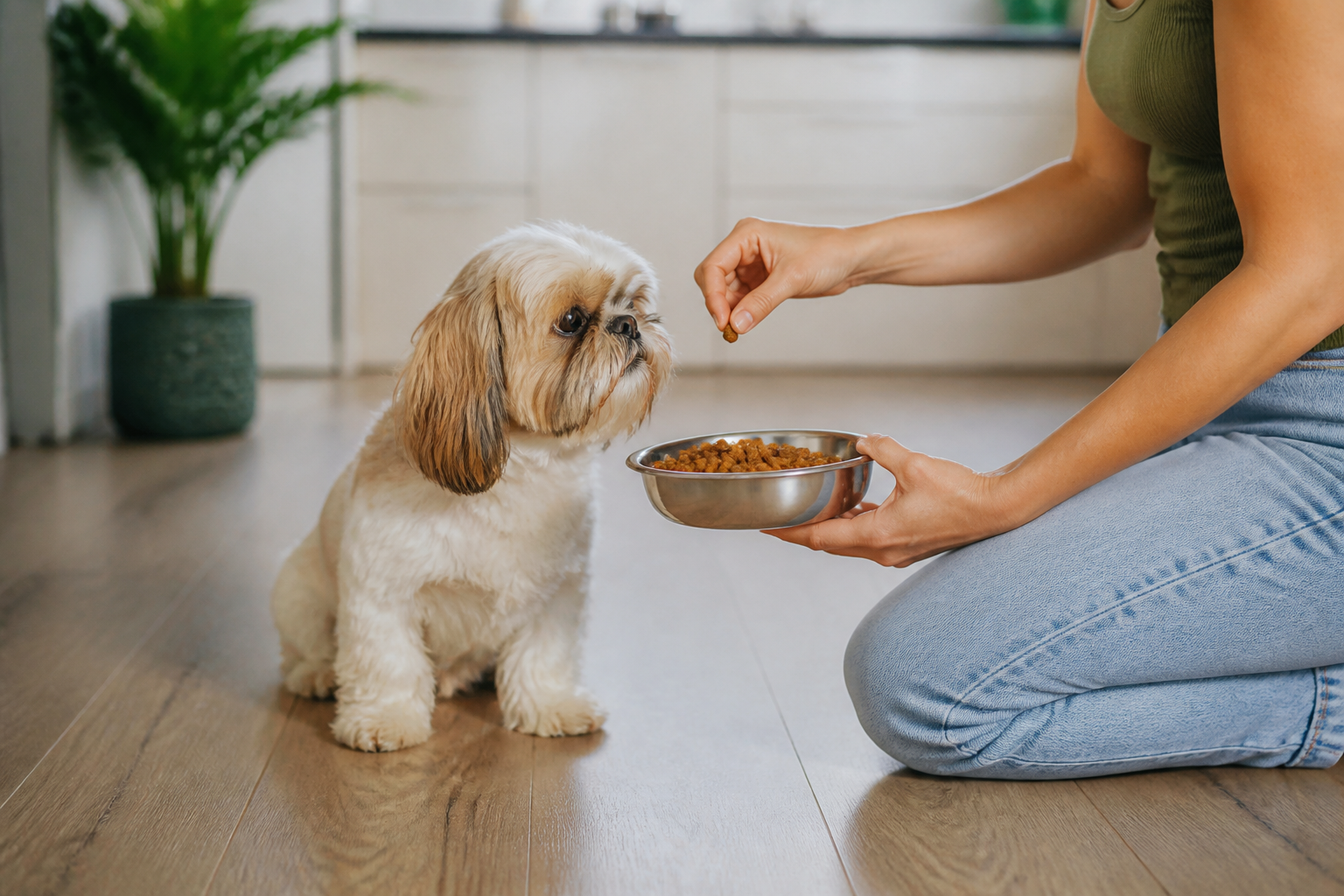
You fill the bowl with high-quality kibble and set it down with a smile. Your dog walks over, takes a single sniff, and walks away with a heavy sigh. It is a frustrating moment that many pet owners know well. You might start worrying about their health or wondering if you bought the wrong bag of food. At BaxterBoo, we talk to pet owners every day who are dealing with this exact struggle. Whether you have a new puppy who is easily distracted or a senior dog whose tastes have changed, there are practical ways to encourage them to eat. This guide covers the common reasons for food refusal and provides a list of proven strategies to get your dog excited about mealtime again. Understanding the root cause is the first step toward a happy, eating pup.
Quick Answer: To get a dog to eat dry food, try adding warm water or low-sodium broth to enhance the aroma. You can also mix in a small amount of wet food, use healthy toppers, or establish a strict 15-minute feeding schedule to create a routine.
Rule Out Medical Issues First
Before you assume your dog is just being stubborn, you must ensure they are not in pain or feeling unwell. A sudden refusal to eat is often the first sign of a medical problem. Dogs are experts at hiding discomfort, so a change in appetite is a loud signal that something might be wrong.
Dental Health and Mouth Pain
If your dog used to love their crunchy kibble but now avoids it, they might have a dental issue. Broken teeth, gum disease, or oral infections make chewing hard food very painful. They might still show interest in soft treats or table scraps while avoiding dry food because the texture is too much for their sensitive mouth to handle.
Digestive Upsets and Allergies
Gastrointestinal issues like IBD, pancreatitis, or even simple food sensitivities can make a dog feel nauseous. If eating their regular food makes them feel sick later, they will quickly learn to avoid that specific bowl. Some dogs develop allergies to common proteins like chicken or beef over time. This can lead to a lack of appetite combined with itchy skin or chronic ear infections.
Vet Tip: If your dog has not eaten for more than 24 hours, or if they are showing signs like vomiting, diarrhea, or lethargy, please consult your veterinarian immediately. Our pet pharmacy can provide prescription diets like Farmina Vet Life through our partnership with Pet's Choice if your vet determines a medical diet is necessary for weight or digestive management.
Behavioral Reasons for Picky Eating
If your vet has given your dog a clean bill of health, the issue is likely behavioral. Dogs are incredibly smart and can be very manipulative when they know something better might be coming.
The Waiting Game
If your dog knows that refusing kibble eventually leads to a piece of steak or a spoonful of peanut butter, they will hold out. They are essentially training you to give them higher-value food. This is common in smaller breeds like Chihuahuas or Yorkies, who do not need many calories and can afford to skip a meal in hopes of a better reward.
Stress and Environmental Changes
Dogs thrive on routine. A recent move, a new baby, or even a change in your work schedule can cause enough anxiety to suppress their appetite. Some dogs are also "social eaters" who only feel comfortable eating when their family is nearby. Others are the opposite and get too distracted by household noise to focus on their bowl.
12 Practical Tricks to Get Your Dog Eating Kibble
Once you know your dog is healthy, you can start experimenting with these techniques. Not every trick works for every dog, so be patient as you find the right combination.
1. Add Warm Water or Broth
Dry kibble does not have much of a scent when it is cold and dry. Adding a splash of warm water or a pet-safe broth like Caru creates a "gravy" and releases the fats in the food, making it smell much more appetizing. The warmth also mimics the temperature of fresh prey, which appeals to a dog's natural instincts. For more ideas, read how to wet dry dog food for better digestion and hydration.
2. Mix in Wet Food
A small amount of high-quality wet food can go a long way. Brands like Tiki Dog or Weruva offer highly palatable options that you can fold into the dry kibble. Start with a 25/75 mix of wet to dry and ensure the wet food is thoroughly coated onto the individual pieces of kibble so your dog cannot just pick out the "good stuff." You can compare options in our dog food category.
3. Use Freeze-Dried Toppers
Freeze-dried raw toppers, such as Stella and Chewy’s Meal Mixers, are a massive hit with picky eaters. They offer the intense flavor of raw meat without the mess. You can crumble these over the top of the dry food to act as a "seasoning" that encourages the dog to keep digging into the bowl. Explore our freeze-dried raw dog food selection for meal mixers and other toppers.
4. Implement the 15-Minute Rule
Leaving food down all day, also known as free-feeding, can actually decrease a dog's interest in food. It makes the food feel like a permanent, boring fixture of the environment. Instead, put the bowl down for exactly 15 minutes. If they do not eat it, pick it up and do not offer anything else until the next scheduled mealtime. Most healthy dogs will learn that they need to eat when the food is available.
5. Cut Back on Treats and Scraps
It is easy to accidentally fill a dog up on treats throughout the day. If your dog is getting 20% or 30% of their calories from Zesty Paws supplements or training treats, they simply will not be hungry for their dinner. Limit all extras to no more than 10% of their daily intake. If they refuse dinner, they definitely should not get a "bedtime snack" of human food.
6. Upgrade the Quality of the Food
Sometimes dogs refuse food because it simply does not taste good. Lower-quality foods often rely on heavy grains and artificial flavorings that lose their appeal quickly. Switching to a premium brand like Orijen, Acana, or Farmina can make a huge difference. These brands use higher concentrations of fresh meat and animal fats, which are naturally more delicious to dogs. You can browse our selection of Orijen products when comparing formulas.
7. Change the Feeding Environment
If your dog is anxious, try moving their bowl to a quiet corner or even inside their crate where they feel safe. If they are bored, try using a puzzle toy like a Kong or a snuffle mat. Turning mealtime into a game can stimulate their brain and make the act of eating much more rewarding.
8. Hand Feeding for Transition
If you are transitioning to a new food, try hand-feeding a few pieces as if they are treats. This builds a positive association with the new kibble. Use this sparingly, though, as you do not want to create a dog that refuses to eat from a bowl entirely.
9. Check for Spoilage
Check the "best by" date on your bag. Dry food contains fats that can go rancid if the bag is left open or stored in a warm, humid place. If the food smells "off" or like old paint, your dog’s superior nose will pick it up long before you do. Always store kibble in its original bag inside an airtight container. For additional food-storage guidance, read how to switch from dry to wet dog food.
10. Increase Physical Activity
A tired dog is a hungry dog. If your pet spends most of the day lounging, their calorie needs are low. A long walk or a vigorous game of fetch about 30 minutes before mealtime can jumpstart their metabolism and create a natural sense of hunger.
11. Texture Variation
Some dogs prefer smaller kibble sizes, while others like a larger crunch. Brands like NutriSource or Stella and Chewy’s often offer different "kibble plus" recipes that include varying textures like dried pieces of meat mixed in with the biscuits. This variety keeps them from getting bored.
12. Rotational Feeding
Just like humans, some dogs get tired of eating the exact same flavor every day for years. If you stay within the same brand and line, many dogs can handle a rotation of proteins, such as moving from a beef recipe to a lamb recipe. This provides a variety of amino acids and keeps the "newness" factor alive.
Key Takeaway: Success with a picky eater requires consistency. Avoid the urge to constantly switch foods or add human scraps, as this reinforces the behavior. Stick to a schedule and use healthy, pet-specific toppers to add flavor without unbalancing the diet.
Comparing Mix-ins and Boosters
When choosing a way to make kibble more exciting, consider the nutritional impact. Some additions are better for weight management, while others focus on pure flavor. Our dog food supplement selection includes broths, toppers, and other meal additions.
| Addition Type | Best For | Popular Brand Example |
|---|---|---|
| Warm Water | Hydration & Aroma | N/A |
| Bone Broth | Joint Support & Taste | Caru or Honest Kitchen |
| Freeze-Dried Raw | High Protein & Picky Eaters | Stella and Chewy's |
| Wet Food/Pate | Older Dogs & Texture | Tiki Dog or Farmina |
| Probiotics | Digestive Sensitivity | Zesty Paws or Purina FortiFlora |
Bottom line: Adding moisture is usually the easiest and most cost-effective way to improve the palatability of dry dog food.
Transitioning to a New Dry Food
If you decide that a food change is necessary, do not do it all at once. A sudden switch can cause an upset stomach, which will only make your dog more reluctant to eat. We recommend a gradual seven-day transition. For additional guidance, read our practical guide to transitioning picky dogs to new dry food.
- Days 1-2: 25% new food, 75% old food.
- Days 3-4: 50% new food, 50% old food.
- Days 5-6: 75% new food, 25% old food.
- Day 7: 100% new food.
During this time, monitor your dog's stool and energy levels. If you notice any loose stools, slow the transition down. Using a probiotic supplement during this week can also help stabilize their gut bacteria.
The Role of Expert Curation
At BaxterBoo, we do not just stock whatever is popular. Every brand we carry, from The Honest Kitchen to Carna4, is handpicked because it meets our standards for quality and nutrition. Our team understands that every dog is an individual with unique needs. We have been operating since 2006, and our warehouse in Vernon Hills is filled with products that we trust for our own pets. This expertise is why we offer over 500 brands and maintain a 4.9-star rating. We want to ensure that when you finally find a food your dog loves, it is a food that will help them thrive for years to come.
Note: If your dog is a senior or has mobility issues, their lack of appetite might be linked to joint discomfort. Keeping them on a supplement like Cosequin can improve their overall well-being, making them more interested in life and their food bowl.
When to Use the BaxterBoo Pharmacy
Sometimes, picky eating is a side effect of a chronic condition that requires medication. Our pharmacy, partnered with Pet's Choice, provides FDA-approved medications and prescription diets that can help manage these issues. If your vet prescribes an appetite stimulant or a specific diet for kidney or heart health, you can fulfill those needs through us. Prescription foods are formulated to be highly palatable even when a dog is feeling under the weather, helping to ensure they get the nutrients they need during recovery.
Key Takeaway: A medical reason for not eating requires a medical solution. Our pet pharmacy makes it easy to get the exact prescription your veterinarian recommends delivered right to your door alongside your regular pet supplies.
Maintaining Long-Term Success
Once your dog is eating their dry food consistently, the goal is to keep it that way. Avoid the temptation to go back to feeding table scraps "just once." Stick to the boundaries you have set. To make your life easier, consider our Autoship programme. It ensures you never run out of your dog’s favorite kibble or toppers, and it comes with a free MVP Gold membership. You can also earn up to 5% back on every purchase through our MVP Rewards program, which helps you save on those premium toppers and high-quality foods.
Summary of Next Steps
Getting a dog to eat kibble is often about patience and finding the right "extra" to spark their interest. Start by ruling out pain, then look at your own feeding habits.
- Check the food for freshness and spoilage.
- Add warm water or broth to boost the smell.
- Stick to a strict 15-minute feeding window.
- Limit treats to 10% of their daily calories.
- Consult a vet if the refusal lasts more than 24 hours.
Bottom line: Most picky eating is a habit that can be broken with a week of consistency and the right nutritional boosters.
FAQ
Why did my dog suddenly stop eating their dry food?
A sudden stop can be caused by dental pain, a recent stressful event, or even a spoiled bag of food. It could also be that they have learned they get better treats if they wait. If the refusal is accompanied by other symptoms like lethargy or vomiting, you should visit your vet to rule out an underlying illness.
Is it okay to leave dry food out all day?
We generally recommend against "free-feeding" for picky eaters because it makes the food less exciting. When food is always available, it loses its value as a reward. Setting specific mealtimes creates a routine and helps you monitor exactly how much your dog is eating, which is vital for maintaining a healthy weight.
Can I mix human food into my dog's kibble?
While things like plain boiled chicken or unsweetened pumpkin are safe, rely on pet-specific toppers whenever possible. Human foods often contain hidden salts, fats, or seasonings like onion and garlic that can be dangerous. Pet-specific toppers are balanced to ensure you aren't accidentally causing a nutritional deficiency or weight gain.
How long can a healthy dog go without eating?
A healthy adult dog can typically go 24 to 48 hours without eating without serious harm, though it is stressful for the owner. However, they must always have access to fresh water. If your dog misses more than two meals in a row, it is time to try some of the tricks mentioned above or call your veterinarian for a check-up.






