
 Save 15% on your 1st Autoship learn more

 Email us
 Live Chat
 FAQs
FAQs





Introduction
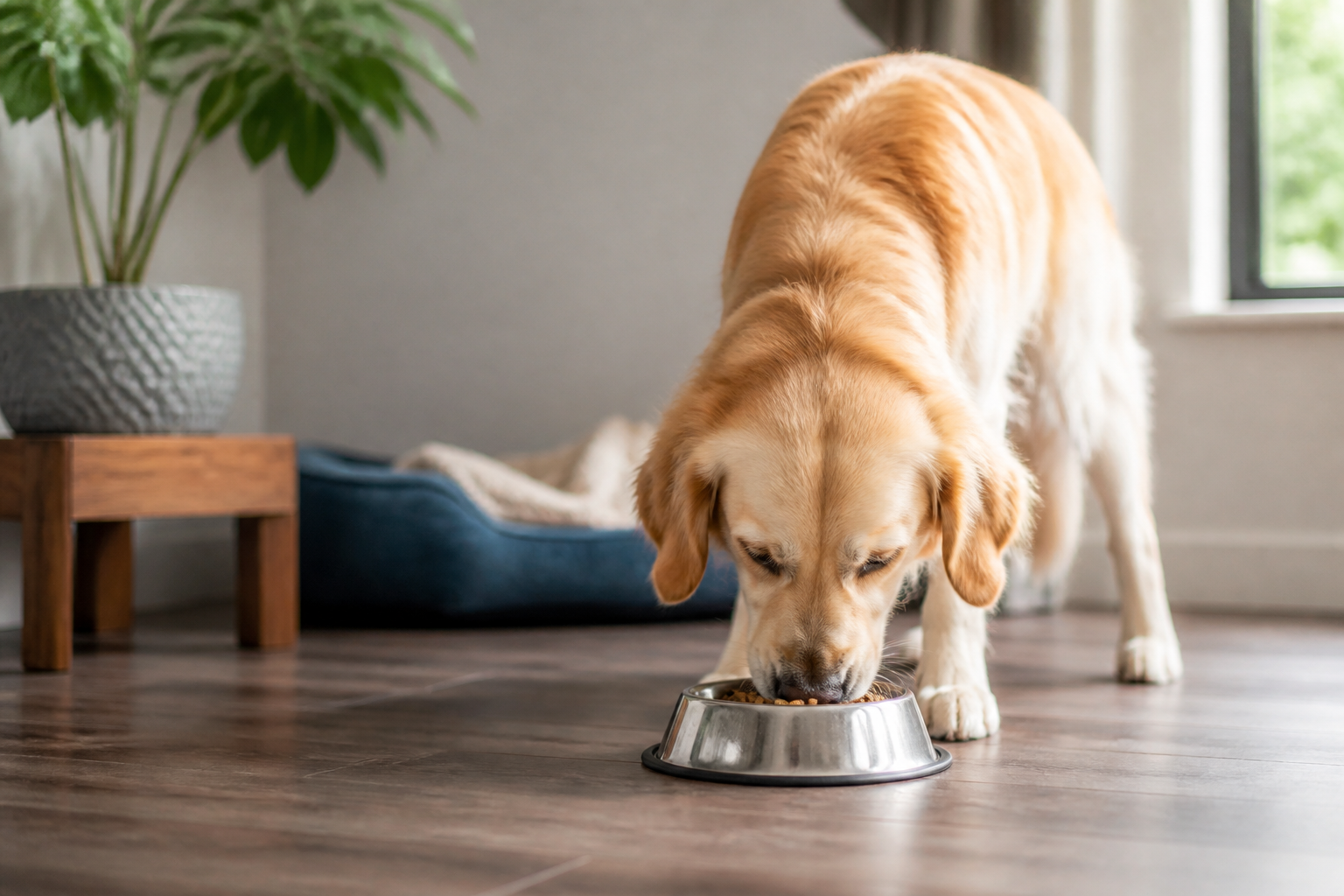
You set the bowl down and hear the familiar clink of kibble. Your dog walks over, takes a single sniff, and then looks up at you with a disappointed sigh. They might even nudge the bowl away or walk out of the room entirely. This moment is frustrating for any pet owner. You want your dog to be healthy and fed, but they seem to have lost interest in their standard meals. At BaxterBoo, we talk to pet owners every day who are facing this exact challenge. This guide will help you understand why your dog is refusing their meals and give you practical ways to fix the behavior. We will cover medical red flags, behavioral habits, and simple tricks to make dry food exciting again. Our goal is to help you rebuild a healthy feeding routine that works for both you and your dog.
Quick Answer: To get a dog to eat dry food again, first rule out dental or health issues with a vet. Then, try adding warm water or a topper to enhance the aroma. Stick to a strict feeding schedule and limit treats to build a natural appetite.
Rule Out Medical Issues First
Before you assume your dog is just being picky, you must make sure they are not in pain. A sudden refusal to eat is often the first sign that something is wrong internally. Dogs are experts at hiding discomfort. If they associate the act of eating with pain, they will stop trying.
Dental Pain and Mouth Sensitivity
Dry kibble is hard and crunchy. If your dog has a cracked tooth, an abscess, or inflamed gums, biting down on that hard food is painful. You might notice them dropping pieces of food or only chewing on one side of their mouth. In some cases, they may approach the bowl hungrily but back away after the first bite.
Gastrointestinal Problems
Nausea or an upset stomach will make any dog turn away from their bowl. This could be caused by a minor bug, a food sensitivity, or a more chronic condition like pancreatitis. If your dog is also lethargic, vomiting, or has diarrhea, the issue is likely medical rather than behavioral.
Changes in Senses
Senior dogs often experience a decline in their sense of smell and taste. If they cannot smell their food, it becomes much less appealing to them. This is common in older pets who have eaten the same dry food for years. They might need a stronger scent to trigger their appetite.
Vet Tip: If your dog refuses to eat for more than 24 hours, or if they stop drinking water, contact your veterinarian immediately. Our pet pharmacy offers FDA-approved medications and prescription diets through our partnership with Pet's Choice to help manage chronic health conditions that affect appetite.
Identifying Behavioral Causes
If your vet gives your dog a clean bill of health, the problem is likely behavioral. Many dogs learn how to "work the system" to get better food.
The Table Scrap Trap
Dogs are smart. If they know that refusing kibble eventually leads to a piece of chicken or a spoonful of wet food, they will wait you out. By giving them high-value human food when they reject their own, you are accidentally training them to be picky.
Overfeeding and Too Many Treats
If your dog is getting treats throughout the day, they may simply not be hungry at mealtime. Treats should never make up more than 10% of a dog's daily calories. If you are training a new puppy or rewarding a senior dog frequently, those calories add up fast. A dog that is "full" will be much more selective about what they choose to eat.
Stress and Environmental Changes
Dogs thrive on routine. A move to a new house, a new baby, or even a change in the location of their food bowl can cause stress. Some dogs will refuse to eat if they feel anxious or if the environment is too loud and busy during dinner time.
Key Takeaway: Picky eating is often a learned behavior. If you consistently offer "better" options when your dog refuses kibble, they will continue to hold out for the premium treats.
12 Tricks to Get Your Dog Eating Again
If your dog is healthy but stubborn, you can use these strategies to encourage them to eat their dry food. Start with the simplest changes and see what works for your specific dog.
1. Add Warm Water or Broth
Moisture helps release the fats and aromas in dry kibble. Add a splash of warm water or low-sodium chicken broth to the bowl. Let it sit for a few minutes so the kibble softens slightly. The warm temperature makes the food smell much more enticing to a dog.
2. Use a High-Quality Topper
Sometimes a little "seasoning" is all they need. You can use freeze-dried raw bits, a spoonful of canned food, or a specialized meal mixer. Brands like Stella and Chewy's or The Honest Kitchen make excellent toppers that add protein and flavor without requiring you to switch their entire diet. Our freeze-dried pet food collection offers options for adding variety to your dog's bowl.
3. The 30-Minute Rule
Stop leaving food out all day. This is called free-feeding, and it takes away the excitement of mealtimes. Put the bowl down for 30 minutes. If your dog does not eat, pick it up and do not offer food again until the next scheduled meal. Do not give any treats in between. Eventually, hunger will encourage them to eat what is offered.
4. Warm the Food Briefly
If you are adding wet food or broth, pop the bowl in the microwave for five to ten seconds. Do not make it hot. You just want it to be room temperature or slightly warm. This mimics the temperature of fresh prey and can trigger a dog's natural hunting and eating instincts.
5. Increase Physical Exercise
A tired dog is a hungry dog. If your dog has been lazy all day, their metabolism might be slow. Take them for a long walk or play a game of fetch about 30 minutes before dinner. The physical activity will help build a natural appetite.
6. Limit All Treats
For at least one week, cut out all treats and table scraps. This resets your dog's expectations. When they realize that kibble is the only food source available, they are much more likely to eat it. You can use a few pieces of their dry food as "treats" during the day if you are working on training. You can also browse our dog treats collection when you are ready to choose measured rewards.
7. Switch to a Different Protein
Your dog might just be bored with chicken. Try a bag of food with a different base, like lamb, fish, or beef. Many premium brands like Acana or Orijen offer "rotational" diets designed for this purpose. Always transition to a new food slowly over seven to ten days to avoid an upset stomach. Start by comparing options in our dry dog food category.
8. Change the Feeding Location
If your dog feels anxious in the kitchen, try moving their bowl to a quiet corner or a crate. Some dogs are distracted by the movement of the family. A calm, private space allows them to focus on their food without feeling like they need to guard the room.
9. Use a Puzzle Feeder
Some dogs find a standard bowl boring. A puzzle toy or a snuffle mat turns mealtime into a game. This engages their brain and makes the act of "finding" the food more rewarding than simply eating from a dish.
10. Check for Freshness
Dry food contains fats that can go rancid over time. If the bag has been open for more than a month, it might smell "off" to your dog. Always store kibble in its original bag inside an airtight container. This keeps the air out and preserves the flavor. For more storage guidance, read how to keep dry dog food fresh.
11. Hand-Feed for a Short Time
If your dog is recovering from an illness or a stressful event, hand-feeding can help. It builds a positive association with the food. However, do not make this a permanent habit, or your dog may refuse to eat from a bowl entirely.
12. Add a Probiotic
A healthy gut leads to a better appetite. Adding a probiotic powder like Purina Pro Plan FortiFlora can make the food taste better while supporting digestion. This is especially helpful for dogs that have had recent stomach issues.
Bottom line: Combining a strict schedule with flavor enhancers is the most effective way to break a picky eating habit.
Choosing the Right Dry Food
Not all kibble is created equal. If you are buying low-quality food with lots of fillers, your dog might genuinely dislike the taste. Higher-quality foods use real meat as the first ingredient and contain more natural animal fats, which smell and taste better to dogs.
Look for Real Meat
The first three ingredients on the label should be specific animal proteins like "deboned chicken" or "salmon." Avoid foods that list "animal by-products" or generic "meat meal."
Consider Kibble Size
Small breed dogs often struggle with large kibble pieces. If the pieces are too big, they might get tired of chewing. Conversely, large dogs might find tiny kibble unappealing. Match the kibble size to your dog's mouth for the best results.
Freshness Markers
Check the "Best By" date on the bag before you buy it. At our warehouse, we rotate stock constantly to ensure every bag is fresh. If you buy a huge bag for a small dog, it will likely go stale before you finish it. Buy smaller bags more frequently to keep the flavor peak.
| Strategy | Why it Works | Best For |
|---|---|---|
| Adding Broth | Increases aroma and softens texture | Senior dogs or those with minor dental issues |
| 30-Minute Rule | Creates a sense of scarcity and routine | Stubborn or picky behavioral eaters |
| Puzzle Toys | Provides mental stimulation | High-energy dogs or easily bored puppies |
| Toppers | Adds high-value protein and flavor | Dogs transitioning between food brands |
Transitioning to New Habits
When you decide to change your dog's feeding routine, you must be consistent. If you stay firm for two days but give in on the third, your dog will learn that they just have to hold out a little longer next time.
Step 1: Set a schedule. / Feed your dog at the exact same times every morning and evening. This helps their body expect food at specific intervals.
Step 2: Measure the portions. / Use a standard measuring cup to ensure you are not overfeeding. Follow the guidelines on the bag but adjust based on your dog's weight and activity level.
Step 3: Monitor their progress. / Keep a log of how much they eat. If they are maintaining their weight and have plenty of energy, they are getting enough calories, even if they seem to be eating less than you expect. For another perspective on choosing a suitable formula, read our guide to selecting dry dog food.
When to Talk to a Professional
Sometimes, a refusal to eat is a symptom of a deeper issue that needs professional help. If you have tried these tricks for a week and your dog is still losing weight or acting lethargic, it is time for a vet visit.
Conditions like kidney disease or liver issues can cause a total loss of appetite. In these cases, your vet might prescribe a specific medical diet. Our pharmacy carries many of these specialized foods, such as the Farmina Vet Life range, to help manage health through nutrition. We work with Pet's Choice to make sure you can get these essential supplies delivered right to your door.
Key Takeaway: Persistence is vital. It can take several days for a dog to accept a new feeding routine, but their health depends on a balanced, consistent diet.
Conclusion
Getting a dog to eat dry food again requires a mix of patience, strategy, and high-quality ingredients. Start by ensuring there are no painful dental issues or underlying illnesses. Once health is confirmed, focus on building a routine. Limit treats, stick to a schedule, and use simple additions like warm water or high-quality toppers from brands we trust. We have seen thousands of dogs successfully return to their kibble by following these steps.
- Check for dental pain or illness first.
- Stick to a strict 30-minute feeding window.
- Enhance flavor with warm broth or freeze-dried toppers.
- Ensure your kibble is fresh and stored correctly.
If you find that your dog needs a more specialized approach, our team at BaxterBoo is here to help. You can explore our premium dry dog food selection, healthy toppers, and digestive supplements. For those managing long-term health conditions, our pet pharmacy offers a convenient way to get the prescription support your dog needs. Consider signing up for our Autoship programme to ensure your dog’s favorite fresh kibble always arrives on time, and you will earn rewards through the MVP Rewards programme with every purchase.
FAQ
How long can a healthy dog go without eating?
A healthy adult dog can typically go for 3 to 5 days without food, though this is not ideal. However, if your dog has not eaten for 24 hours, you should start looking for the cause and consult a vet. Puppies and senior dogs are much more vulnerable and should be seen sooner if they refuse meals.
Can I mix wet food and dry food permanently?
Yes, many owners find that a "mixed" diet is the best balance of convenience and palatability. Just make sure you are calculating the total calories correctly so your dog does not gain weight. Mixing in a high-quality wet food can provide extra hydration and make the dry kibble much more appealing. For more ideas, see our guide to switching from dry to wet dog food.
Why does my dog eat treats but refuse their kibble?
This is a classic sign of a picky eater. Treats are usually higher in fat and salt, making them taste much better than plain dry food. If your dog knows they can get a "cookie" by skipping dinner, they will wait for the treat every time.
Does dry dog food actually go bad?
Yes, dry food can spoil. Once a bag is opened, the fats are exposed to oxygen and begin to break down, which is called oxidation. This changes the smell and taste of the food. For the best flavor and safety, try to use a bag within 4 to 6 weeks of opening and store it in a cool, dry place.






