
 Save 15% on your 1st Autoship learn more

 Email us
 Live Chat
 FAQs
FAQs





Introduction
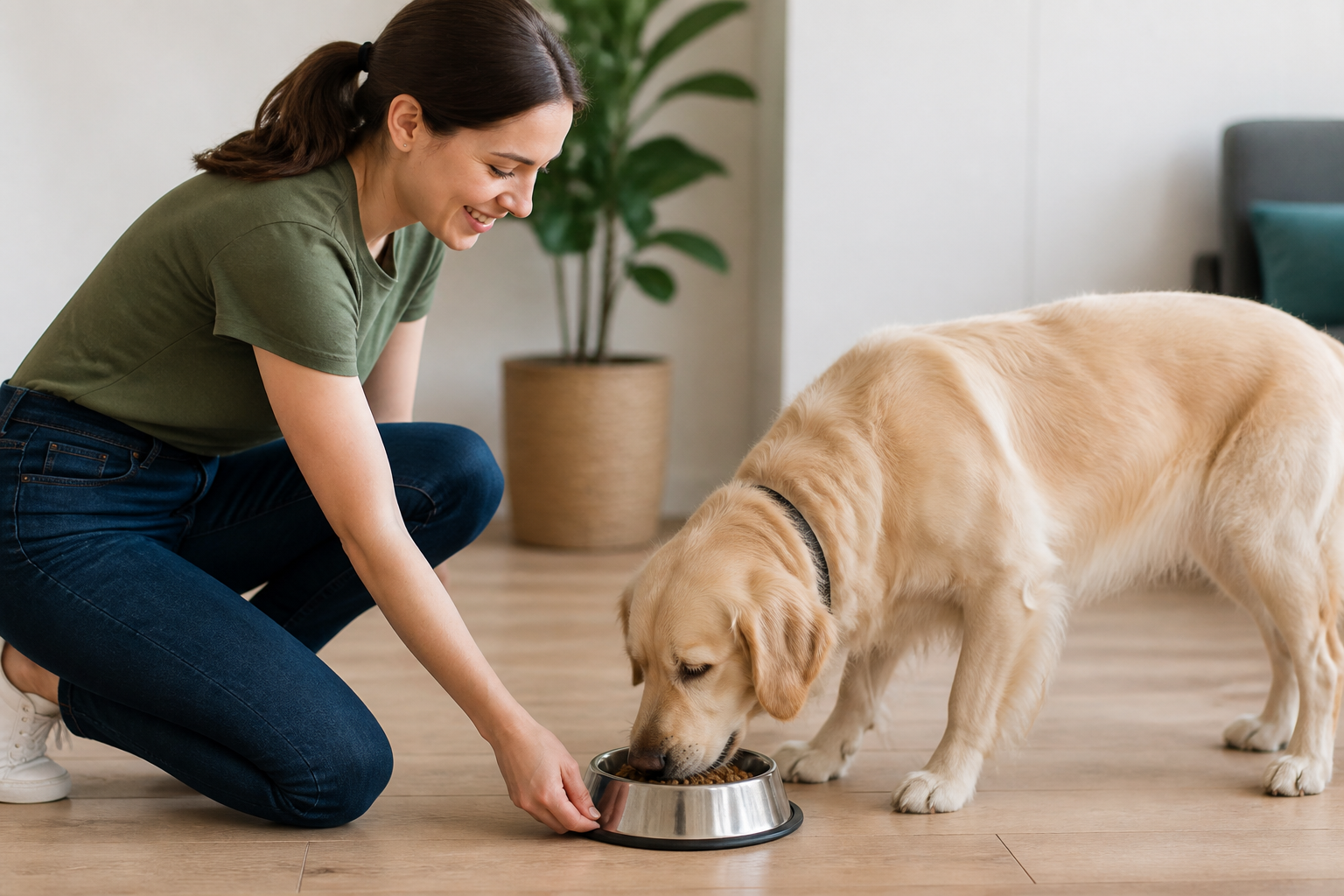
It is a common and stressful moment for any pet parent. You scoop out a serving of high quality kibble, place the bowl on the floor, and your dog simply walks away. You might worry they are sick or just incredibly stubborn. At BaxterBoo, we talk to owners every day who are facing this exact challenge with their canine companions. Whether you have a new puppy or a senior dog, getting them to enjoy their meals is essential for their long term health. This article covers practical strategies for making dry food more enticing, establishing better feeding routines, and knowing when a vet visit is necessary. Our goal is to help you turn mealtime from a struggle into a highlight of your dog's day.
Rule Out Health Concerns First
Before you try to fix a behavior, you must ensure your dog is physically well. A sudden refusal to eat dry food is often a sign of discomfort. Dogs are masters at hiding pain, but their appetite usually gives them away.
Dental and Mouth Pain
If your dog has a cracked tooth or inflamed gums, crunching down on hard kibble can be painful. You might notice them drop food out of their mouth or only chew on one side. Older dogs are especially prone to dental disease. If the mouth is sore, your dog might eagerly eat soft treats but walk away from dry food.
Digestive Issues and Allergies
Sometimes a dog stops eating because the food makes them feel poorly. Food sensitivities or gastrointestinal issues can cause nausea. If your dog associates their dry food with an upset stomach, they will naturally avoid it.
Vet Tip: If your dog refuses food for more than 24 hours, or if they show signs of vomiting or lethargy, contact your veterinarian immediately. Our pharmacy offers prescription diets like Farmina Vet Life and medications through our partnership with Pet's Choice to help manage chronic health conditions.
The Power of Scent and Temperature
A dog's sense of smell is significantly more powerful than their sense of taste. If the food does not smell like much, your dog may not be interested in eating it. Dry kibble that has been sitting in an open bag can lose its aroma over time. If you want a refresher on freshness, see our guide on how long dry dog food stays fresh once opened.
Adding Warm Water
Adding a small amount of warm water to the bowl is one of the easiest ways to help. The heat helps release the fats and aromas inside the kibble. This creates a natural gravy that coats the pieces and makes the food smell much more appetizing. Let the food sit for a few minutes so the kibble softens slightly.
Using Low Sodium Broth
If water does not do the trick, try a pet safe bone broth or low sodium chicken broth. Avoid any broths that contain onions or excessive salt, as these are toxic to dogs. Brands like The Honest Kitchen offer pour over broths specifically designed for this purpose. The added moisture is also great for your dog's hydration levels.
Quick Answer: To make dry food more appealing, add a splash of warm water or low sodium broth to the bowl. This softens the texture and releases savory scents that trigger a dog's natural desire to eat.
Enhancing the Bowl with Toppers
If your dog is bored with their daily menu, a topper can provide the variety they crave. You do not need to change their entire diet to make it exciting again. For more ideas, browse our dog treat collection.
Freeze Dried and Air Dried Boosters
Freeze dried raw toppers are a favorite for picky eaters. Brands like Stella and Chewy's or Vital Essentials make meal mixers that you can crumble right over the dry food. These are packed with protein and have a very strong scent that most dogs cannot resist.
Fresh and Healthy Additions
You can also use fresh foods from your kitchen as long as they are dog safe. A spoonful of plain Greek yogurt, some steamed green beans, or a few blueberries can change the texture of the meal. Just remember that these extras should not make up more than ten percent of your dog's daily calorie intake.
- Canned pumpkin (unsweetened)
- Dehydrated meat flakes
- Cooked plain chicken breast
- Small bits of scrambled egg
Establishing a Successful Feeding Routine
Many dogs become picky because their feeding schedule is inconsistent. If food is available all day, they may never feel truly hungry when you want them to eat.
The 30 Minute Rule
Instead of leaving the bowl out, try a timed feeding approach. Put the food down and give your dog 30 minutes to eat. If they have not touched it by then, pick the bowl up and do not offer it again until the next scheduled mealtime. This teaches your dog that food is a limited resource and encourages them to eat when it is served.
Limit the Between Meal Snacks
It is easy to overindulge your pet with treats throughout the day. If your dog gets too many high value snacks, they will hold out for those instead of eating their balanced kibble. If you are training and using lots of treats, adjust their meal portions accordingly. Consider using a portion of their daily dry food as training rewards so they "earn" their dinner throughout the day.
Key Takeaway: Consistency is the foundation of a healthy appetite. Fixed mealtimes and limited treats prevent your dog from becoming a professional "beggar" who holds out for human food.
Choosing the Right Kibble for Your Dog
Sometimes the problem is the food itself. Not all dry foods are created equal, and your dog might have a genuine preference for a specific protein or kibble size.
Match Kibble Size to Breed Size
Small dogs like Chihuahuas or Yorkies often struggle with large, hard kibble pieces. They may find it physically exhausting to chew. Look for small breed formulas from brands like Royal Canin or NutriSource. These have smaller, easier to crunch pieces. Conversely, large dogs may prefer a bigger kibble that they can actually feel in their mouths.
Consider Ingredient Quality
Dogs are sensitive to the quality of ingredients. Foods that use high amounts of fillers or artificial flavors may not be as palatable. Brands like Acana, Orijen, and Open Farm focus on high meat content and fresh ingredients. These naturally taste better to a dog than lower quality options. We carry over 500 brands to ensure every dog finds a flavor they love.
Transitioning to a New Food Safely
If you decide to switch brands because your dog truly dislikes their current food, do it slowly. A sudden change can cause an upset stomach, which will only make the pickiness worse.
Step 1: Mix 25 percent of the new food with 75 percent of the old food. / Do this for two to three days while watching for any digestive changes.
Step 2: Increase the ratio to 50 percent new and 50 percent old food. / Continue this for another few days to let your dog's system adjust.
Step 3: Move to 75 percent new food and 25 percent old food. / This stage ensures your dog is fully accepting the new flavor and texture.
Step 4: Serve 100 percent of the new food. / Your dog should now be fully transitioned without any tummy trouble.
Bottom line: A slow transition over 7 to 10 days prevents digestive upset and helps your dog accept a new dry food recipe.
Using Interactive Feeders and Toys
Some dogs refuse dry food because they are bored. In the wild, canines spend a lot of time working for their food. A plain bowl can be uninspiring for a high energy breed.
Puzzle Toys and Dispensers
Try putting their dry food inside a Kong toy or a snufflemats. This turns mealtime into a game of problem solving. The mental stimulation can actually increase their appetite. When a dog has to "hunt" for their kibble, they are often much more excited to eat it.
Slow Feeders for Fast Eaters
On the flip side, some dogs love their dry food so much they eat it too fast. This can lead to bloating or vomiting. Slow feeder bowls have ridges and mazes that force the dog to take smaller bites. This improves digestion and makes the meal last longer.
Support for Senior Dogs
As dogs age, their senses often decline. A senior dog might not be able to smell their food as well as they used to. They may also struggle with joint pain that makes standing at a bowl uncomfortable. If you want more feeding ideas for older pets, take a look at our article on should senior dogs eat wet or dry food.
Raising the Food Bowl
If your older dog has arthritis, leaning down to the floor can be painful. Using an elevated feeder can make a big difference. It takes the pressure off their neck and shoulders, allowing them to focus on their meal.
Supplements for Brain and Joint Health
Adding a supplement like Cosequin for joints or Senilife for cognitive support can help your senior dog feel more like themselves. When a dog feels good, they are much more likely to maintain a healthy appetite. You can find many of these wellness products in our medical and mobility section, including our dog healthcare category.
Managing Environmental Stress
If your dog is nervous, they may not feel safe enough to eat. Look at where you have placed their food bowl. Is it in a high traffic area like a hallway? Is there a loud appliance nearby that scares them?
Creating a Quiet Space
Move the food bowl to a quiet corner where your dog can eat without being disturbed by children or other pets. Some dogs prefer to eat in their crate because it feels like a safe den. Ensuring they are relaxed during mealtime is a simple but effective way to encourage better eating habits.
Multiple Pet Households
If you have more than one dog, there might be a silent competition happening. One dog may be hovering or staring, which makes the other too anxious to eat. Feed your pets in separate rooms or behind a baby gate to remove this social pressure.
Why Quality Matters for Long Term Health
Feeding a high quality dry food provides the balanced nutrition your dog needs to thrive. While it might be tempting to give in and only feed wet food or table scraps, kibble has many benefits. It is convenient, easy to store, and helps keep teeth cleaner through mechanical scraping. If you are considering mixed feeding, our article on can you mix dry dog food with wet covers the basics.
At BaxterBoo, we handpick every brand we carry to ensure you have access to the best options on the market. From grain free recipes to ancient grain formulas, we prioritize ingredients that support your dog's overall wellness. Our MVP Rewards program also helps you earn money back on every bag of food you buy.
Key Takeaway: Investing in premium dry food often pays off in fewer vet visits and a happier, more energetic dog. High quality proteins and healthy fats make the food naturally more appealing to your pet.
Monitoring Your Dog's Weight
If your dog is refusing their kibble but still gaining weight, they are likely getting too many calories elsewhere. It is easy to underestimate the calories in a few extra treats or a bit of cheese from the fridge.
Check the Feeding Guidelines
Always look at the feeding chart on the back of your food bag. These are just starting points, and every dog's metabolism is different. If your dog is less active, they may need less food than the bag suggests. Overfeeding can lead to a dog who is never truly hungry, which looks like picky eating.
Use a Measuring Cup
Do not just eyeball the amount of food you give. Use a standard measuring cup to ensure you are being consistent. This helps you track exactly how much your dog is eating so you can report any changes to your veterinarian accurately. If you are unsure whether the food itself is the issue, our freeze-dried food collection can be a useful comparison point.
Summary of Success Strategies
Getting a dog to eat their dry food requires a mix of patience and strategy. Start by ensuring they are healthy and then focus on making the food smell and taste better.
- Add warm water or broth to boost the scent.
- Use high value toppers like Stella and Chewy's.
- Keep a strict feeding schedule and remove the bowl after 30 minutes.
- Cut back on treats and human food scraps.
- Try interactive toys like a Kong to make eating fun.
- Consult your vet if the lack of appetite persists for more than a day.
Conclusion
Helping your dog enjoy their dry food is an important part of responsible pet ownership. By ruling out health issues and using clever tricks like adding moisture or toppers, you can overcome even the most stubborn picky eating habits. We are proud to have served pet owners since 2006 by providing the products and advice they need to keep their furry friends healthy. Our wide selection of premium foods and our convenient pharmacy through Pet's Choice make it easy to care for your dog's specific needs. For regular savings on your dog's favorite kibble, consider signing up for our Autoship programme to ensure you never run out of the food they love.
FAQ
How long can a dog go without eating dry food?
Most healthy adult dogs can go for 24 to 48 hours without food as long as they are still drinking water. However, you should not wait this long if your dog is a puppy, a senior, or has an underlying health condition. If your dog misses more than two meals in a row, it is time to call your veterinarian for advice.
Can I mix wet food and dry food together?
Yes, mixing wet and dry food is an excellent way to make a meal more appealing. The wet food adds moisture, a different texture, and a much stronger aroma. Just be sure to adjust the total amount of food so you are not overfeeding your dog.
Why does my dog only eat their dry food at night?
Some dogs prefer to eat when the house is quiet and they feel completely safe. If your dog waits until the end of the day, it might be because they were too distracted or anxious earlier. As long as they are eating their full daily portion and maintaining a healthy weight, a late night meal is usually not a cause for concern.
Will adding water to kibble cause dental problems?
Adding water to dry food makes it softer, which reduces the mechanical scraping effect on the teeth. However, kibble alone is not a substitute for a good dental care routine. To keep your dog's mouth healthy, you should also provide dental chews like Greenies and brush their teeth regularly.






