
 Save 15% on your 1st Autoship learn more

 Email us
 Live Chat
 FAQs
FAQs





Introduction
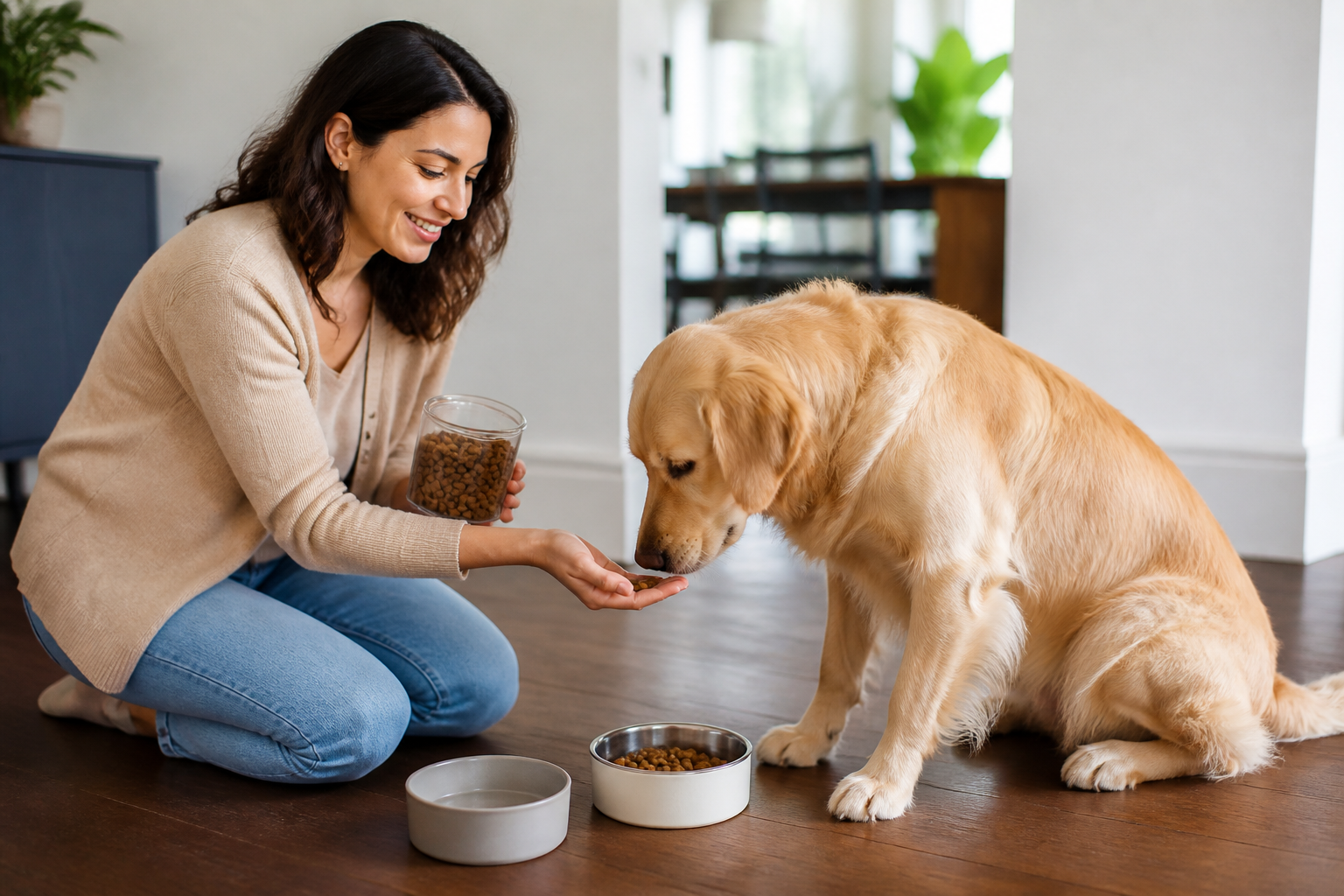
You finally found the perfect kibble after hours of research. You might be switching because your puppy is becoming an adult or your senior dog needs more joint support. Perhaps you are moving to a brand like Farmina or Royal Canin to better manage a specific health goal. Whatever the reason, the way you start this new diet is just as important as the food itself. At BaxterBoo, we know that a sudden change can lead to messy accidents and a very unhappy pup. This guide will walk you through the safest way to transition your dog to a new dry food while keeping their digestion on track. We will cover the specific schedules, troubleshooting tips, and how to know when it is time to call the vet.
Quick Answer: Introduce new dry dog food slowly over 7 to 10 days. Start by mixing 25 percent new food with 75 percent of the old food, gradually increasing the new portion every few days until the transition is complete.
Why a Slow Transition Matters
Dogs have very specific bacteria in their gut that help them break down their meals. These microbes get used to the exact protein, fiber, and fat levels in their current bag. When you suddenly swap one kibble for another, those bacteria do not have time to adapt. This often results in gas, bloating, or diarrhea.
A gradual change allows the digestive system to produce the right enzymes for the new ingredients. It also gives your dog a chance to get used to the new smell and texture. Some dogs are very sensitive to the shape of the kibble or the way it crunches. Moving slowly helps them accept the change without becoming "picky" or refusing to eat.
If you want more background on digestive upset, our post on can dry food cause diarrhea in dogs is a helpful follow-up.
Common Reasons to Switch Your Dog's Food
There are several milestones in a dog’s life that require a dietary update. Understanding these helps you choose the right time to start a transition.
Moving from Puppy to Adult Food
Puppies need calorie-dense food with plenty of calcium for growing bones. Once they reach about 12 months of age, those extra calories can lead to unhealthy weight gain. Larger breeds might stay on puppy formulas a bit longer, while small breeds finish growing faster.
Addressing Health Concerns
Sometimes a veterinarian will recommend a prescription diet for issues like kidney health, urinary crystals, or skin allergies. Our pet pharmacy carries many of these prescription pet foods. If your vet suggests a therapeutic diet, the transition process is even more critical to ensure the dog accepts the "medicine" in their bowl.
Managing Weight
If your dog has put on a few extra pounds, a weight management formula can help them feel full while consuming fewer calories. Brands like Farmina Vet Life offer specialized options for this.
Changing Budgets or Availability
Sometimes your favorite brand is out of stock or you need to find a more cost-effective option that still provides high-quality nutrition. Switching between standard kibbles still requires the same level of care as switching to a prescription diet.
Key Takeaway: Never rush a food change unless your veterinarian specifically tells you to do so for a medical emergency. A slow pace protects your dog's gut health and ensures they stay hydrated.
The 10-Day Step-by-Step Transition Plan
A 10-day schedule is the safest approach for most dogs. If your dog has a known sensitive stomach, you can stretch this to 14 days.
Days 1 to 3: The Introduction
Start with a ratio of 25 percent new food and 75 percent old food. This is just enough for their system to recognize a change without causing a major reaction.
Days 4 to 6: The Halfway Mark
If the stool looks normal and your dog is acting fine, move to a 50/50 split. Half of the bowl should be the old kibble and half should be the new kibble. Mix them thoroughly so the dog cannot just pick out the pieces they like best.
Days 7 to 9: Nearing the Finish Line
Increase the ratio to 75 percent new food and 25 percent old food. At this stage, the digestive system has mostly adapted to the new nutrient profile.
Day 10: Full Transition
If everything has gone well, you can now serve 100 percent of the new dry food.
Transition Checklist:
- Use a consistent measuring cup for accuracy.
- Keep meal times at the same time every day.
- Check the "Guaranteed Analysis" on both bags to see if the fat content is significantly different.
- Ensure fresh water is always available to help process new fiber levels.
Vet Tip: If your dog develops loose stools at any point, do not move to the next step. Stay at the current ratio for an extra two or three days until their digestion settles.
Supporting Digestion During the Switch
Sometimes a little extra help can make the process easier. This is especially true if you are switching from a low-protein diet to a high-protein brand like Orijen or Acana.
For a closer look at storage and freshness while you transition, our post on how dry dog food stays fresh once opened can help you keep every bowl in top shape.
Probiotics and Prebiotics
Adding a probiotic supplement can bolster the good bacteria in the gut. We carry several options, including powders and chews from brands like Zesty Paws or Honest Paws. Start these supplements a few days before you begin the food transition.
Digestive Enzymes
These help break down proteins and fats more efficiently. If you are moving to a food with a higher fat content, enzymes can prevent the greasy stools that sometimes occur during a diet change.
Plain Canned Pumpkin
A tablespoon of plain, canned pumpkin (not pie filling) can work wonders. The soluble fiber in pumpkin helps firm up loose stools and can also help with constipation. It is a gentle way to keep things moving correctly.
Bottom line: Adding digestive support like pumpkin or probiotics can act as an insurance policy against stomach upset.
Troubleshooting Common Transition Issues
Even with a perfect plan, you might run into a few hurdles. Here is how to handle them without giving up on the new food.
The Picky Eater
If your dog is picking out the old kibble and leaving the new stuff, they might just be wary of the new smell. Try adding a little warm water or a low-sodium broth to the bowl. This creates a gravy that coats all the pieces, making it harder for them to separate the two. You can also use a meal topper from brands like Stella and Chewy's to entice them.
Excess Gas
A little extra gas is normal during the first few days. However, if the gas is constant and very foul-smelling, it might mean the transition is moving too fast. Slow down the ratio increase and give them more time at the 25 percent mark.
Refusing to Eat
If a healthy adult dog skips one meal, it is usually not a crisis. They might just be holding out for their old food. However, you should never let a puppy skip meals. If your dog refuses to eat for more than 24 hours, contact your veterinarian.
Vomiting
Vomiting is a sign that the change is too much for their system or that they have an intolerance to an ingredient in the new food. Stop the new food immediately and go back to the old diet for a few days. Consult your vet before trying the new food again.
If you need more help choosing a formula that is easier on the stomach, our dog food collection is a good place to compare options.
Understanding Nutritional Labels
When you introduce new food, it helps to know exactly what you are putting in the bowl. Not all dry dog foods are created equal.
The AAFCO Statement
Look for a statement that says the food is "complete and balanced" for your dog’s specific life stage. This ensures the food meets the minimum nutritional requirements established by the Association of American Feed Control Officials.
Ingredient Lists
The first five ingredients are the most important. If your old food was chicken-based and the new one is lamb-based, the transition might be slightly harder on the stomach. Matching the primary protein source can make the switch smoother if your dog is sensitive.
Calorie Counts
Dry dog foods vary wildly in calorie density. One cup of a high-protein food might have 100 more calories than a cup of your old food. Always check the feeding guidelines on the new bag. You might find that you need to feed less of the new food to maintain the same weight.
When to Consult Your Veterinarian
Most food transitions go smoothly at home. However, some situations require professional guidance. If your dog has a chronic condition like diabetes, you should never change their food without talking to your vet first. Because insulin doses are tied to calorie and carbohydrate intake, a new food can throw their blood sugar out of balance.
You should also seek help if you notice:
- Blood in the stool.
- Extreme lethargy or weakness.
- Signs of an allergic reaction, such as hives or intense itching.
- Diarrhea that lasts more than 48 hours.
If your dog needs a specialized diet, our veterinary diet guide explains why careful transitions matter even more for prescription feeding plans.
Transitioning Different Life Stages
The "how" remains the same, but the "why" and the "what" change as your dog grows.
For Puppies
Puppies are growing rapidly and have very high energy needs. When they transition to adult food, usually around their first birthday, keep a close eye on their energy levels. If they seem sluggish, they might need a slightly longer transition to ensure they are absorbing all the new nutrients.
For Seniors
Older dogs often have slower metabolisms and may suffer from joint stiffness or cognitive decline. When switching to a senior formula, look for ingredients like glucosamine or DHA. Senior dogs can also have more sensitive stomachs, so a 14-day transition is often better than a 10-day one.
For more on age-specific feeding choices, our post on should senior dogs eat wet or dry food offers a useful comparison.
For Working or Athletic Dogs
If your dog is very active in sports or agility, they might need a "performance" formula with higher fat and protein. These transitions require careful monitoring of their stool quality, as high-fat diets can sometimes cause "runners' diarrhea" if introduced too quickly.
Tips for Measuring and Storage
Precision helps prevent weight gain and digestive issues.
Step 1: Use a standard dry measuring cup. / Do not use a coffee mug or a plastic scoop that has no markings. Small differences in volume add up over a week.
Step 2: Store the new food in its original bag. / Many bags are designed to keep fats from oxidizing. If you use a plastic bin, keep the food inside the bag and place the whole bag in the bin.
Step 3: Keep both bags until the transition is done. / You may need to refer back to the old bag's ingredient list or calorie count if your dog has a reaction.
Key Takeaway: Proper storage prevents the new food from going rancid, which is a common but overlooked cause of stomach upset during a transition.
Choosing the Best Dry Food at BaxterBoo
We take pride in curating a selection of over 500 brands that we actually trust. Whether you are looking for grain-free options like those from Stella and Chewy's or ancient grain formulas from Farmina, we focus on quality ingredients.
When you find the right food and complete a successful transition, consider using our Autoship programme. It saves you money on your recurring orders and ensures you never run out of food and find yourself forced into a sudden, "cold turkey" switch. Combined with our MVP Rewards programme, you can earn points back on every bag you buy.
We have been helping pet owners since 2006. Our team in Vernon Hills, Illinois, is always here to help you navigate the many choices in our warehouse. We want your dog to thrive on their new diet, and a careful introduction is the first step toward that goal.
Conclusion
Introducing new dry dog food is a simple process that requires a little patience and a lot of observation. By following a 10-day schedule and watching for signs of discomfort, you can avoid the common pitfalls of dietary changes. Remember to support their gut with probiotics if needed and keep a close eye on their stool quality. If you are managing a health condition, lean on your veterinarian and our pharmacy for the right prescription options. Once you have successfully made the switch, you can enjoy the peace of mind that comes with knowing your dog is getting the nutrition they need for their current stage of life.
Bottom line: Patience is the most important ingredient in any successful food transition.
FAQ
How long does it take for a dog to adjust to new food?
Most dogs fully adjust to a new dry food within 7 to 10 days if a gradual transition is followed. However, it can take up to three or four weeks for their skin, coat, and energy levels to fully reflect the benefits of the new nutrition. If your dog has a very sensitive stomach, your veterinarian might recommend an even slower 14-day schedule.
Can I just switch my dog's food "cold turkey" if the brand is similar?
It is not recommended to switch foods suddenly even if the ingredients look similar. Different manufacturers use different processing methods and sourcing, which can change how the nutrients are absorbed. A sudden switch is the leading cause of acute diarrhea and vomiting in otherwise healthy dogs.
What should I do if my dog gets diarrhea during the transition?
If your dog develops mild diarrhea, stop increasing the amount of new food and go back to the previous ratio that they tolerated well. You can add a tablespoon of plain canned pumpkin to help firm up the stool. If the diarrhea is severe, contains blood, or is accompanied by vomiting, contact your veterinarian immediately.
Do I need to transition if I am switching flavors within the same brand?
Yes, you should still perform a shortened transition of 3 to 5 days when switching flavors. Even within the same brand, a change from chicken to salmon or beef involves different protein structures and fat levels. A quick transition helps the gut bacteria adjust to the new protein without causing gas or discomfort.






