
 Save 15% on your 1st Autoship learn more

 Email us
 Live Chat
 FAQs
FAQs





Introduction
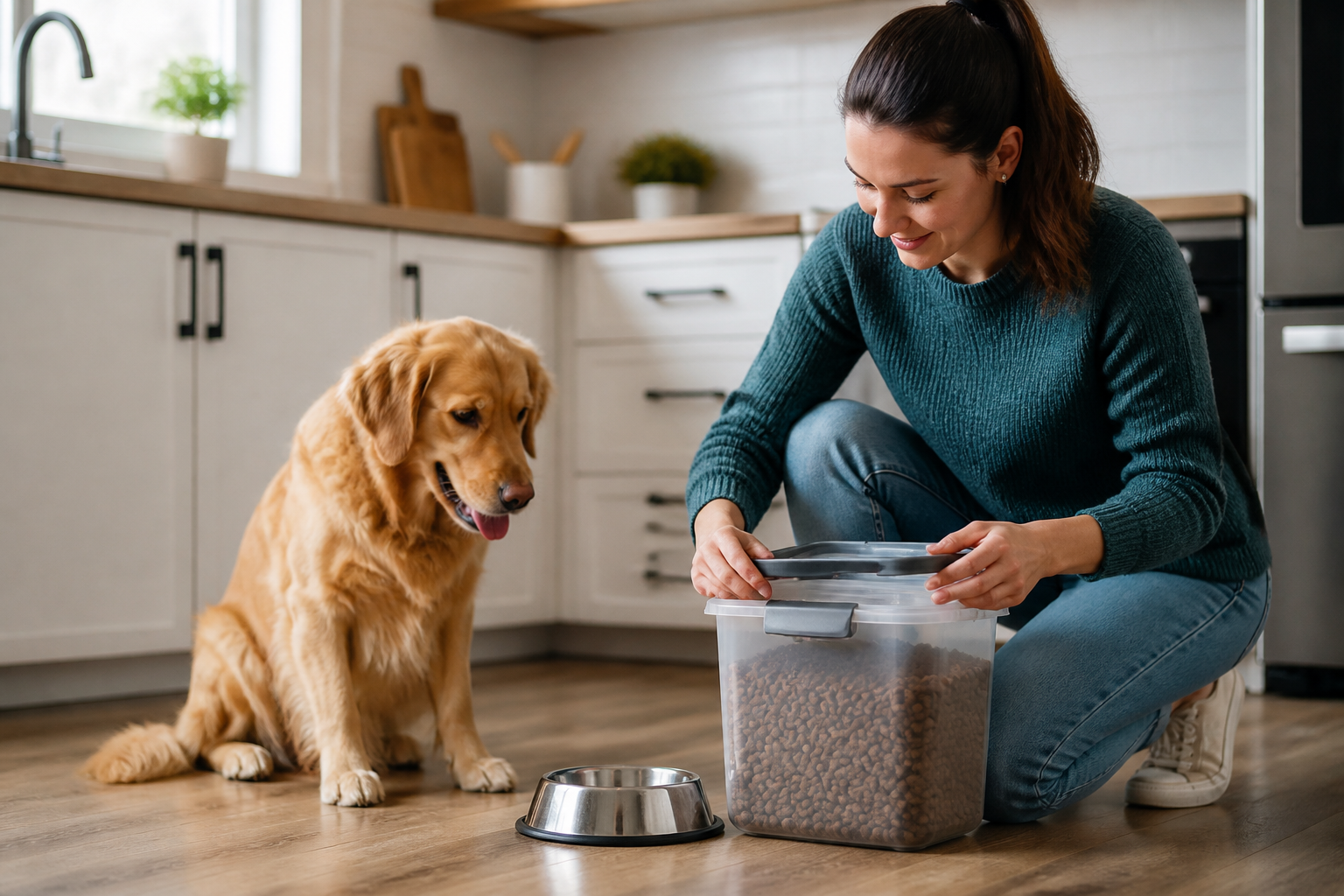
You pull a heavy bag of kibble from the pantry and notice a strange, slightly sour scent. Perhaps the texture feels a bit soft rather than crunchy. This is a common moment for many dog owners who realize that dry food does not stay fresh forever. At BaxterBoo, we know that your dog's nutrition is an investment in their long term health. Keeping that food fresh is about more than just maintaining a satisfying crunch for your pet. It is about protecting the vitamins, minerals, and fats that keep them thriving. This post covers the best storage practices, signs of spoilage, and how to choose the right container to extend the life of every bag. Proper storage prevents waste and ensures every bowl you serve is as nutritious as the first.
The Science of Why Kibble Goes Stale
Dry dog food might look like it is shelf stable indefinitely, but it begins to change the moment you break the seal. Most high quality kibble contains fats and oils that provide energy and support skin health. When these fats are exposed to oxygen, a process called oxidation occurs. This causes the fats to become rancid. Rancid fat does not just taste bad to your dog. It can also lead to digestive upset or more serious health concerns over time.
Oxygen is not the only enemy. Humidity and heat also play major roles in food degradation. High moisture levels can encourage the growth of mold or bacteria like Salmonella. Heat speeds up the breakdown of essential nutrients, meaning your dog might not be getting the full benefit of the premium ingredients you paid for. Understanding these environmental factors is the first step in mastering food storage.
Quick Answer: Dry dog food should generally be used within four to six weeks of opening. To keep it fresh, store the original bag inside an airtight container in a cool, dry place.
For additional guidance about opened-bag freshness, read how long dry dog food stays good.
Choosing the Right Storage Container
Many owners prefer to pour kibble directly into a plastic bin for convenience. While this looks tidy, it may actually cause the food to spoil faster. Plastic containers can be porous. Over time, the fats from the kibble can seep into the plastic and become rancid. If you do not wash the container thoroughly between every single bag, that old, rancid fat can contaminate your fresh new food.
The best solution is a food grade, BPA free container with a high quality gasket seal. Look for bins that have a locking mechanism to ensure the seal is truly airtight. If you prefer metal or glass, these are also excellent options as they are non porous and easy to sanitize. However, the most important factor is not just the bin itself, but how you use it.
The Original Bag Advantage
One of the best ways to keep food fresh is to keep the kibble inside its original packaging. Premium pet food manufacturers spend a lot of money designing bags with specific barriers. These liners are engineered to keep moisture out and seal oils in. Instead of pouring the food out, place the entire bag into your airtight storage bin.
This method offers a double layer of protection. It also keeps crucial information handy. If there is ever a product recall, you will need the lot number and the best by date from the original bag. Keeping the bag also makes it easier to reference the ingredient list or caloric information if your veterinarian asks about your dog's diet.
Key Takeaway: Always store the original dog food bag inside an airtight container rather than pouring the kibble directly into the bin. This provides a better barrier against oxygen and preserves vital manufacturing information.
Finding the Perfect Storage Location
Where you store the food is just as important as what you store it in. Many people keep large bags of dog food in the garage or a laundry room. These areas often experience significant temperature swings and high humidity. Heat is one of the fastest ways to destroy the nutritional value of pet food.
The ideal environment is a climate controlled area like a kitchen pantry or a dedicated closet. The temperature should consistently stay below 80 degrees Fahrenheit. Keeping the container off the floor can also help prevent pests like ants or rodents from taking an interest in your dog's dinner.
For fresh options suited to different feeding needs, explore our dog food category.
Avoiding Sunlight and Moisture
Direct sunlight can cause condensation inside a sealed container. Even a small amount of moisture can lead to mold growth that is not always visible to the naked eye. If you use a transparent container, make sure it is tucked away in a dark cupboard. If you live in a particularly humid climate, you might consider using a desiccant pack designed for food storage to help absorb excess moisture.
For more advice about protecting kibble from humidity, see how to keep dog food dry outside.
Establishing a Cleaning Routine
Hygiene is often overlooked in pet food storage. Every time you handle a scoop or reach into the bag, you introduce bacteria from your hands and the environment. Over time, a "biofilm" can develop on the surface of bowls and storage bins. This is a thin layer of bacteria that can make food taste off and potentially make your pet sick.
Washing the Scoop and Bowls
You should wash your dog's food bowl with hot, soapy water every day. The scoop you use to measure the food should be washed at least once a week. If you choose to pour food directly into a container, you must wash and completely dry that container before adding a new bag. Never "top off" an old bag of food with a new one. Mixing old crumbs with fresh kibble will significantly shorten the shelf life of the new food.
Hand Hygiene Matters
It is a good habit to wash your hands before and after handling pet food. This prevents you from transferring germs to the food and protects you from potential contaminants like Salmonella that can occasionally be present even in high quality dry foods. This is especially important in households with young children or anyone with a compromised immune system.
Identifying Spoiled Dog Food
Sometimes, despite your best efforts, food can go bad before the bag is empty. You should perform a quick check every time you feed your dog. Trust your senses and your dog's behavior. If your normally enthusiastic eater suddenly turns their nose up at their bowl, the food might be the problem.
Signs to Watch For
- The Sniff Test: Fresh kibble has a mild, grainy, or meaty scent. If it smells sour, paint like, or metallic, the fats have likely gone rancid.
- Visual Cues: Look for any signs of fuzzy growth or discoloration. Even a small patch of mold means the entire bag should be discarded.
- Texture Changes: Kibble should be dry and crunchy. If it feels oily, damp, or crumbles easily in your hand, moisture has likely compromised it.
- Pest Activity: Check for small moths, weevils, or larvae. If you see any bugs, the food is contaminated and needs to be thrown away.
Vet Tip: If your dog experiences sudden vomiting or diarrhea after eating from a new or old bag of food, consult your veterinarian immediately. They can help determine if the symptoms are related to food spoilage or an underlying health issue. For dogs with chronic digestive sensitivities, our pet pharmacy offers prescription diets and medications through veterinary care.
For another perspective on identifying freshness problems, read how long you can keep dry dog food for peak freshness.
Buying Strategies for Freshness
It is tempting to buy the largest bag of food available to save money. However, if you only have one small dog, that 40 pound bag might sit in your pantry for three months. By the time you get to the bottom of the bag, the nutritional value will be significantly lower than when you first opened it.
At BaxterBoo, we recommend buying a bag size that your dog can finish within four to six weeks. This ensures that the food remains at peak freshness. If you find that you are constantly running to the store, consider our Autoship programme. This allows you to schedule frequent deliveries of smaller bags so you always have fresh food on hand without the bulk.
Using the Best By Date
The date printed on the bag is for unopened food. It is not a "use by" date for after the bag is opened. Once the seal is broken, that date becomes less relevant. Always check the date before you purchase the bag to ensure you are starting with the freshest product possible. If a bag is within a month of its best by date on the shelf, it is better to look for a fresher one.
If you are comparing the cost of different bag sizes, this guide to feeding your dog for less offers another helpful perspective.
Handling the Food During Mealtime
Freshness concerns do not end once the food is in the bowl. Many dogs are "grazers" who eat small amounts throughout the day. While this is convenient, leaving dry food out for too long can lead to problems. Exposure to air and the bacteria in your dog's saliva can cause the food to degrade quickly once it is in the dish.
The 24 Hour Rule
Dry food should never be left in a bowl for more than 24 hours. If your dog hasn't finished their portion by the end of the day, throw the remainder out and wash the bowl. For dogs that struggle with appetite or freshness, you might try serving smaller meals more frequently. This keeps the food in the bag protected for longer.
Bottom line: Controlled portions and clean bowls are just as important as airtight storage containers for maintaining food quality.
Step-by-Step Transition to Better Storage
If you have been pouring your food directly into a bin or leaving the bag open in the garage, here is how to fix your routine.
Step 1: Clean your current equipment.
Empty your storage bin and wash it thoroughly with hot water and dish soap. Ensure it is completely dry before moving to the next step.
Step 2: Purchase a fresh bag.
Buy a bag size that fits your dog's needs for about a month. Check the best by date at the store or when your BaxterBoo order arrives.
Step 3: Seal the bag.
Open the new bag carefully. After scooping the first meal, squeeze out as much air as possible and fold the top down tightly. Secure it with a heavy duty bag clip.
Step 4: Place the bag in the bin.
Set the clipped bag inside your airtight container and lock the lid. Store the bin in a cool, dark place like a pantry.
Step 5: Monitor and repeat.
Check the food for smell and texture changes daily. Wash your dog's bowl every day and the scoop once a week.
Summary of Best Practices
Keeping dry dog food fresh is a simple way to support your pet's health. By minimizing exposure to oxygen, heat, and moisture, you protect the essential nutrients your dog needs. Remember that the original bag is your best friend when it comes to storage.
Investing in a good container and a consistent cleaning routine pays off. Your dog will enjoy better tasting meals, and you will have peace of mind knowing their food is safe. If you ever notice your dog losing interest in their food or showing signs of a sensitive stomach, talk to your vet about whether a specialized diet from our pharmacy might be the right choice.
Key Takeaway: Proper storage is a combination of the right container, the right location, and the right buying habits. Use the bag-in-bin method for the best results.
Conclusion
Mastering the art of food storage is an essential skill for any pet owner. By following these practical steps, you can ensure that every meal you serve is fresh, safe, and nutritionally complete. At BaxterBoo, we are committed to helping you provide the best possible care for your pets. Whether you are earning rewards through our MVP Rewards programme or setting up an Autoship for your favorite brands, we are here to support your journey as a pet parent. Start by checking your current storage setup today and making the small changes that lead to a healthier, happier dog.
FAQ
Can I store my dog's food in the garage?
It is generally not recommended to store dog food in a garage. Garages often have extreme temperature fluctuations and high humidity, both of which accelerate the spoilage of fats and the breakdown of vitamins. It is much better to keep the food in a climate controlled area like a pantry or kitchen closet.
Is it okay to mix the old food with the new food in the bin?
You should avoid mixing old kibble with a fresh bag. The old crumbs and oils can be rancid and will contaminate the new food, causing it to spoil much faster. Always finish the old bag completely and wash the storage container before adding a new one.
How can I tell if my dog's dry food has gone bad?
The most common sign is a sour or metallic smell, indicating rancid fats. You should also look for signs of moisture, mold, or insects. If your dog suddenly refuses to eat or develops digestive issues like vomiting, the food should be inspected and likely replaced.
How long does dry dog food stay fresh after the bag is opened?
Most experts recommend using a bag of dry dog food within four to six weeks of opening. While it may stay safe for slightly longer if stored in a perfect environment, the nutritional quality begins to decline significantly after this window. Buying smaller bags more frequently is often the best strategy for freshness.






