
 Save 15% on your 1st Autoship learn more

 Email us
 Live Chat
 FAQs
FAQs





Introduction
It is a familiar scene for many pet owners. You scoop out the high quality kibble you carefully selected, set the bowl down, and your dog takes one sniff before walking away. This "kibble strike" can be frustrating and worrying, especially if you know the food provides the balanced nutrition they need. At BaxterBoo, we understand that mealtime should be a highlight of your dog's day, not a chore for you or a disappointment for them.
There are many reasons why a dog might lose interest in dry food, ranging from simple boredom to the food losing its fresh aroma. We have gathered practical, expert backed strategies to help you reignite your dog's appetite. This guide covers everything from simple pantry additions to proper storage techniques and behavioral shifts. Our goal is to help you transform a plain bowl of dry bits into a meal your dog genuinely craves. Explore our dog food selection for kibble, wet food, freeze-dried options, and toppers.
Quick Answer: To make dry food more appealing, try adding warm water or low sodium bone broth to release aromas. You can also mix in healthy toppers like plain yogurt, scrambled eggs, or freeze dried raw morsels to improve texture and flavor.
Check the Freshness of the Kibble
Before you start adding fancy toppings, you must ensure the base of the meal is actually edible. Dry dog food contains fats and oils that can go rancid over time. Once a bag is opened, exposure to oxygen, light, and heat begins to degrade the quality. Most kibble stays at its peak flavor for about two to three weeks after the seal is broken.
If your dog suddenly stops eating a brand they usually love, check the "best by" date on the bag. If the food smells sour, musty, or like old paint, it has likely spoiled. Even if it is not technically expired, it may have lost the meaty scent that attracts your dog. Dogs have a sense of smell that is tens of thousands of times more sensitive than ours. If it smells "off" to them, they will likely reject it.
Proper Storage Techniques
How you store the food matters as much as the food itself. Many owners pour the kibble directly into a plastic bin. This is actually not the best method. The plastic can leach odors into the food, and fats from the kibble can settle in the scratches of the plastic, turning rancid and contaminating new batches. For more guidance, read our article on keeping dog food dry for freshness and safety.
- Keep the food in its original bag.
- Place the entire bag inside an airtight container.
- Store the container in a cool, dry place like a pantry rather than a hot garage.
- Ensure the bag is rolled down tightly and clipped after every use.
Key Takeaway: Stale or rancid food is the most common reason for a sudden refusal to eat. Always store kibble in its original bag inside an airtight bin to preserve the fats and aromas that dogs find appealing.
Use Liquids to Enhance Aroma and Texture
Dry food is, by definition, moisture poor. This means it does not have a strong scent until it is hydrated. By adding a liquid, you activate the fats and proteins in the kibble, making the meal smell much more intense. This is often the easiest and most cost effective way to improve palatability.
The Power of Warm Water
Adding a splash of warm water is the simplest trick in the book. Use warm, not boiling, water and let the kibble sit for five to ten minutes. This creates a soft texture and a light gravy. It is especially helpful for senior dogs who might have minor dental sensitivity. The added moisture also supports kidney health and hydration, which is a bonus for dogs who do not drink enough water during the day.
Dog Safe Bone Broth
Bone broth is a nutritional powerhouse. It is rich in collagen and amino acids that support joint health and digestion. However, you cannot use standard grocery store broth made for humans. Human versions often contain onions, garlic, and high levels of sodium, all of which are dangerous for dogs.
Look for broths specifically formulated for pets. We carry various shelf stable and powdered options that are designed to be poured directly over dry food. If you make it at home, use only bones and water, simmering them for a long time to extract the nutrients without any added seasonings.
Goat's Milk and Kefir
For dogs with a strong stomach, goat's milk is an excellent topper. It is often called "universal milk" because it is much easier for dogs to digest than cow's milk. It provides probiotics that support gut health and a creamy flavor that most dogs find irresistible. You can find frozen or powdered goat's milk that can be rehydrated and stirred into the bowl. For additional ideas, see what you can add to dry dog food for better nutrition.
Vet Tip: If your dog is refusing food and also shows signs of lethargy or digestive upset, consult your veterinarian. Sudden appetite loss can sometimes indicate dental pain or underlying health issues that require professional diagnosis.
Incorporate High Value Protein Toppers
If water or broth is not enough, you may need to add some "real food" textures. Adding fresh or minimally processed protein can make the entire bowl feel like a treat. The trick is to mix these items thoroughly so your dog cannot just pick out the good stuff and leave the kibble behind.
Eggs: The Perfect Protein
Eggs are one of the most complete sources of protein available. They are also very affordable. You can offer a plain scrambled egg or a hard boiled egg chopped into tiny pieces. Most dogs love the taste, and the yolk provides healthy fats that support a shiny coat. If you are worried about calories, half an egg is usually plenty for a medium sized dog.
Canned Fish Options
Sardines, mackerel, and wild caught salmon are fantastic additives. They are packed with Omega 3 fatty acids, which help with inflammation and brain health. Use fish packed in water with no added salt. Avoid fish packed in oil, as the calorie count is too high and can cause stomach upset. Smash one or two sardines into the kibble until every piece is coated in that distinct fishy scent.
Freeze Dried Raw Morsels
Freeze dried raw food offers the benefits of a raw diet with the convenience of a bag. These morsels are typically made of meat, organs, and bone, then gently dried to lock in nutrients. Because they are so flavorful, you only need a small amount. Brands like Stella and Chewy's or Vital Essentials make specific "meal mixers" or "toppers" designed for this exact purpose. They add a crunch and an intense meat flavor that dry kibble often lacks. You can also learn more about using freeze-dried dog food as a topper before choosing an option.
Healthy Fruits and Vegetables
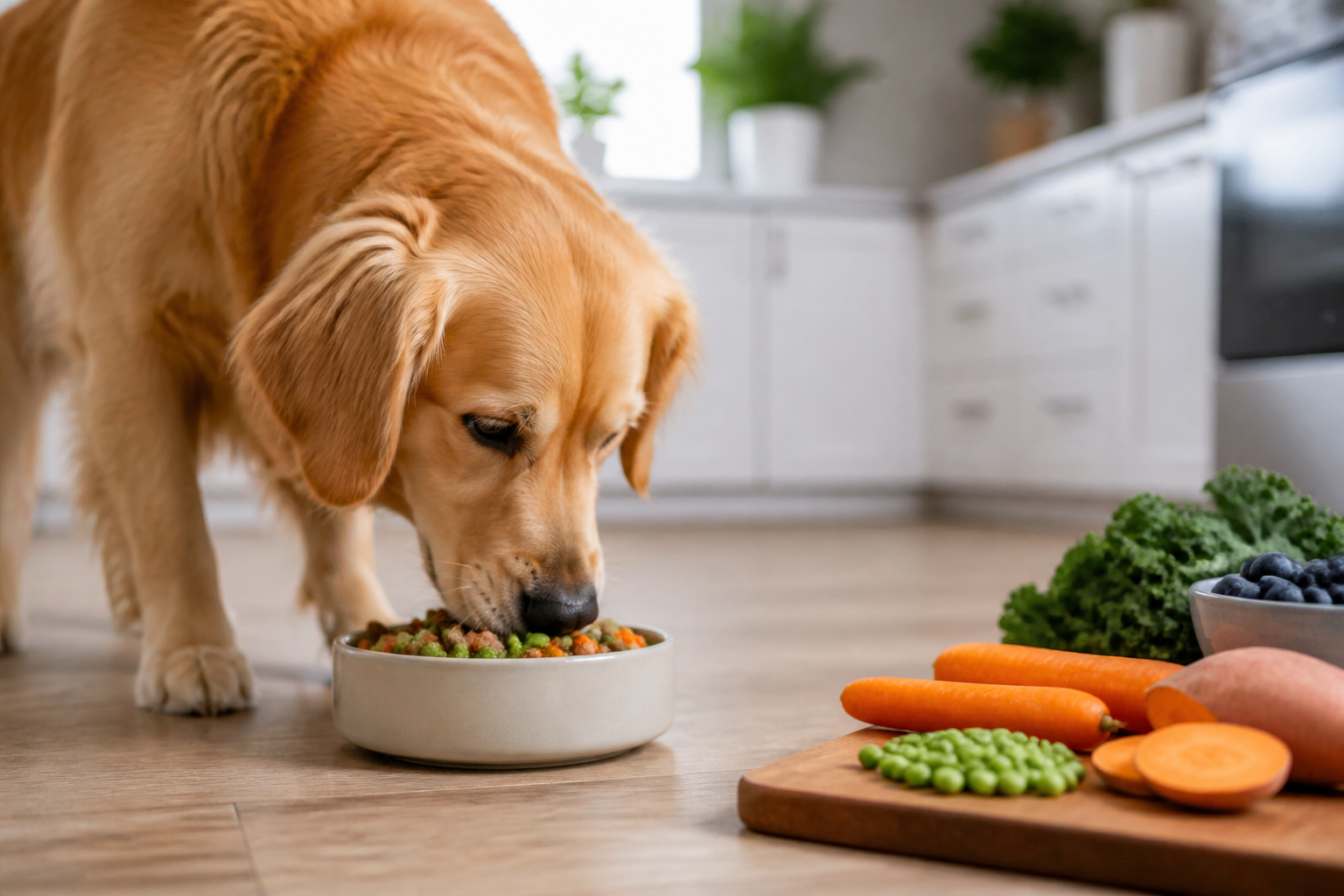
While dogs are primarily meat eaters, many enjoy the crunch and sweetness of certain vegetables and fruits. These add fiber and antioxidants to the diet without adding many calories. This is a great strategy for dogs who need to watch their weight but still want a more interesting meal.
Steamed and Pureed Veggies
Dogs cannot digest cellulose well, so raw chunks of carrots or broccoli might pass right through them. To get the nutritional benefit and ensure the flavor is mixed in, lightly steam or puree the vegetables.
- Green Beans: High in fiber and very filling.
- Carrots: Sweet and full of beta carotene.
- Sweet Potato: Must be cooked and mashed; great for digestion.
- Pumpkin: Pureed pumpkin (not pie filling) is excellent for firming up stools.
Fruit Boosts
Blueberries, apples (without seeds), and bananas can be mashed into the kibble. These are high in vitamins and provide a different flavor profile. If your dog is bored with the savory taste of meat, a little bit of fruit sweetness might be just what they need to get interested again.
Key Takeaway: When adding toppers, follow the 10 percent rule. Any "extras" should not make up more than 10 percent of the total daily calories to ensure you do not unbalance their primary nutrition.
Mixing Wet and Dry Food
If your dog is a true kibble hater, a hybrid diet might be the best solution. Wet food is naturally more appealing because it has a higher meat content and a much stronger aroma. You do not have to switch entirely to canned food, which can be expensive and less convenient.
Start by mixing a tablespoon of high quality wet food with the dry kibble. Add a little warm water to create a uniform "stew." This coats every single piece of kibble in the wet food flavor. Over time, you can find the specific ratio that keeps your dog happy without breaking your budget.
We carry premium wet food brands like Farmina and Tiki Cat that focus on high protein and limited ingredients. These are great options for mixing because a little bit goes a long way in terms of flavor.
Using Digestive Enzymes and Probiotics
Sometimes a dog refuses food because they have a sensitive stomach. If eating kibble makes them feel slightly bloated or uncomfortable, they will eventually stop wanting to eat it. Adding digestive enzymes can help break down the starches and proteins in the kibble more efficiently.
Probiotic powders or liquids can also improve the taste while supporting the gut microbiome. Many of these supplements come in flavors like beef or chicken, acting as a flavor booster and a health supplement at the same time. Our warehouse stocks several options, including the Zesty Paws and Honest Paws lines, which are easy to sprinkle over any meal.
Note: If your dog is on a prescription diet for a specific health condition like kidney disease or food allergies, always check with your vet before adding toppers. You can find many of these specialized prescription diets through our partnership with Pet's Choice at the BaxterBoo pharmacy.
Behavioral and Environmental Adjustments
Sometimes the problem is not the food at all, but the way it is being served. Dogs are social animals, but they also have instincts regarding how and where they eat. Simple changes to their routine can stimulate their appetite.
The 15 Minute Rule
Free feeding, or leaving the bowl down all day, often leads to picky eaters. If the food is always there, it is not "valuable." Try setting the bowl down for 15 minutes. If they do not eat, pick it up and do not offer food again until the next scheduled mealtime. Most healthy dogs will learn that they need to eat when the food is available.
Exercise Before Meals
A tired dog is a hungry dog. Try taking your dog for a brisk walk or a game of fetch right before dinner. The physical activity stimulates the digestive system and creates a natural "hunger drive." When they return to the house, their body will be looking for fuel, making that bowl of kibble look much more attractive.
Bowl Type and Cleanliness
Is the bowl clean? Residual oils from previous meals can go rancid and smell terrible to a dog. Ensure you are washing the bowl with soap and water every day. Additionally, some dogs dislike the sound of their tags clinking against a ceramic or metal bowl. Try a silicone mat or a shallow plate to see if a change in the "dining hardware" makes a difference.
Step-by-Step: Transitioning to a More Appealing Routine
If you want to start making these changes, do not do everything at once. Introducing too many new things can cause diarrhea or stomach upset.
- Check your inventory. Ensure your current bag of food is fresh and stored correctly.
- Start with hydration. Add warm water to the next meal to see if the aroma boost is enough.
- Introduce one topper. Pick one item, like an egg or a little bit of canned fish, and use it for three days.
- Monitor the results. Watch your dog's energy and stool quality. If they do well, you can start rotating different toppers to prevent future boredom.
When New Food is the Best Answer
Sometimes, despite your best efforts, a dog simply does not like a specific recipe. They might have a sensitivity to a common protein like chicken, or they might prefer a different kibble shape. If you have tried toppers and liquids and they still turn their nose up, it might be time to switch brands.
We offer a Frequent Buyer Program on many of our top brands, which makes it easier to try different high quality options like NutriSource, Acana, or Open Farm. When you switch, remember to do it gradually over 7 to 10 days by mixing the old food with the new food. This prevents the "new food blues" that can happen with a sudden diet change.
Conclusion
Making dry dog food more appealing is often about engaging your dog's senses of smell and taste. Whether you choose the simplicity of warm water, the nutritional boost of bone broth, or the excitement of freeze dried raw toppers, small changes can make a big difference. Remember that variety is the spice of life for dogs too. Rotating through different healthy additives keeps them interested in their bowl and ensures they get a wide range of nutrients.
If your dog's picky eating is accompanied by weight loss or other health changes, please reach out to your veterinarian. They may recommend a prescription diet, which you can conveniently order through the our pet pharmacy. For everything else, our Autoship programme is a great way to ensure your dog's favorite food and toppers always arrive before you run out, keeping that kibble fresh and the bowl full.
Bottom line: A combination of proper storage, hydration, and fresh whole food toppers will turn most picky eaters back into enthusiastic diners.
FAQ
Can I add human gravy to my dog's dry food?
You should avoid standard human gravy because it usually contains high levels of salt, onions, and garlic. These ingredients can be toxic to dogs or cause severe digestive distress. Instead, use a dedicated pet safe bone broth or make your own at home using only dog safe ingredients.
Why did my dog suddenly stop eating their favorite kibble?
Sudden refusal can be caused by the food going stale, a change in the manufacturer's recipe, or an underlying health issue like a toothache. First, check the freshness of the bag and try adding a tasty topper. If they still refuse to eat for more than 24 hours, a vet visit is recommended to rule out medical problems.
Is it okay to mix wet and dry food every day?
Yes, mixing wet and dry food is a great way to provide moisture and variety. Just be sure to adjust the portions so you are not overfeeding. Many owners find that a "kibble base" with a "wet topper" provides the perfect balance of dental benefits from the crunch and palatability from the canned food.
How much "extra" food can I safely add to kibble?
Toppers and treats should not exceed 10 percent of your dog's daily caloric intake. If you add a significant amount of "real food" like meat or eggs, you should slightly reduce the amount of kibble you serve. This prevents weight gain while still ensuring they get the concentrated vitamins and minerals found in their balanced dry food.






