
 Save 15% on your 1st Autoship learn more

 Email us
 Live Chat
 FAQs
FAQs





Introduction
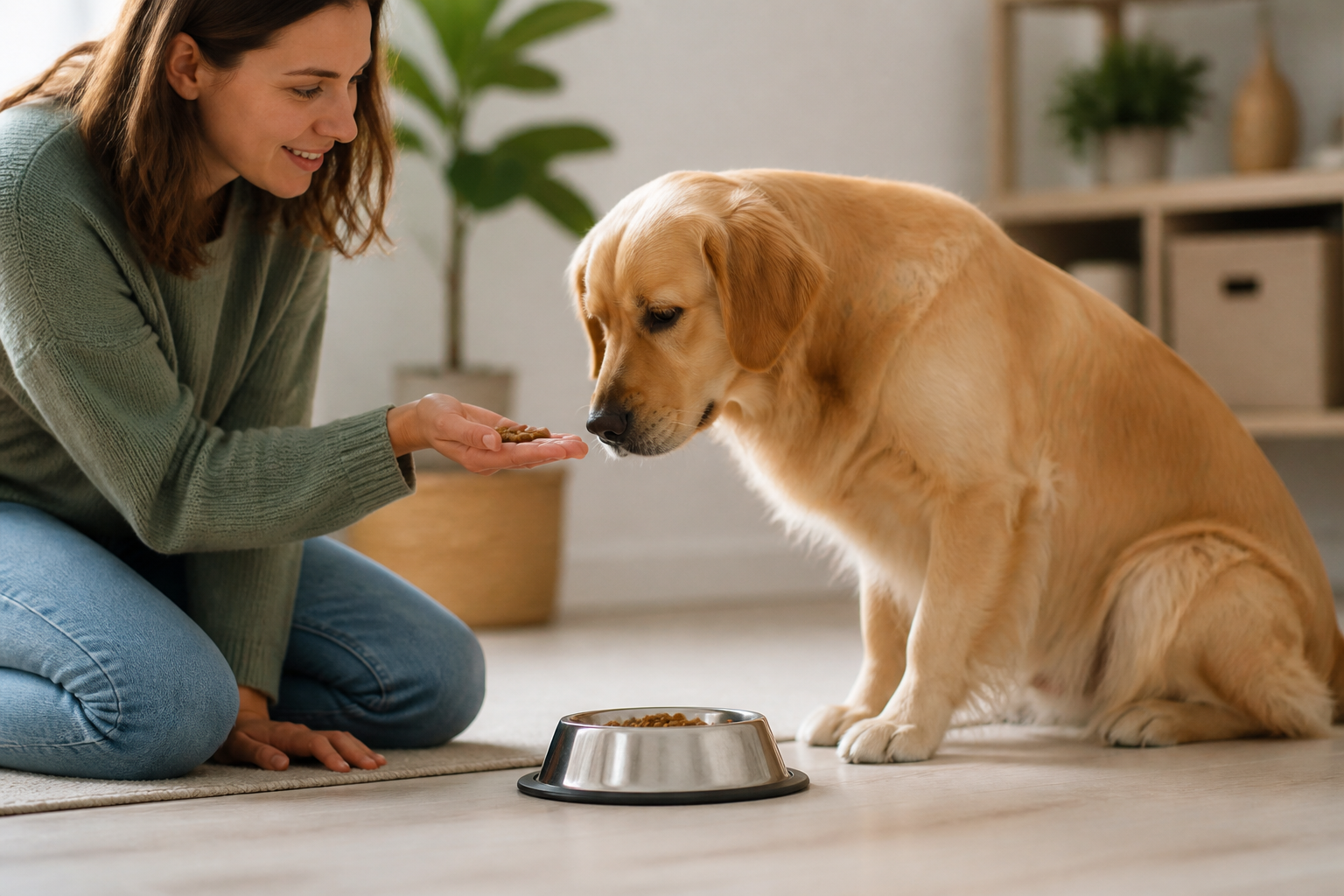
You set the bowl down and hear the familiar clink of kibble hitting the ceramic. Your dog walks over, takes one sniff, and looks up at you with a sigh before walking away. This moment is incredibly frustrating for any pet owner. You want your dog to be healthy, but they seem determined to hold out for something better. At BaxterBoo, we hear from pet parents every day who are struggling with this exact situation, and our dog food category is a good place to start when you want to compare options. Whether you have a new puppy or a senior dog who has suddenly become choosy, a refusal to eat dry food is a common hurdle. This guide covers the most effective strategies to encourage your dog to enjoy their kibble again. We will look at health checks, behavioral tricks, and simple ways to boost the flavor of every meal. Our goal is to help you make mealtime the best part of your dog's day.
Rule Out Medical Concerns First
Before you assume your dog is just being stubborn, you must rule out health issues. A sudden change in eating habits is often the first sign that a dog does not feel well. If a dog has been a consistent eater for years and suddenly stops, it is rarely just about the flavor of the food.
Dental Pain and Discomfort
Dental issues are one of the most common reasons dogs avoid dry food. Kibble is hard and requires significant crunching. If your dog has a broken tooth, an abscess, or inflamed gums, that crunching becomes painful. They might want to eat but find the physical act of chewing dry food too difficult. Look for signs like dropping food, pawing at the mouth, or chewing on only one side. If dental discomfort seems likely, our dog dental care collection can help you explore supportive options.
Gastrointestinal Upsets
If your dog's stomach is upset, they will likely turn their nose up at a full meal. Issues like nausea, acid reflux, or food sensitivities can make the smell of their regular kibble unappealing. This is especially true if the food has caused them discomfort in the past. They may associate the dry food with feeling sick.
Age Related Changes
Senior dogs often experience a decline in their senses of taste and smell. If they cannot smell their food, they are much less likely to want to eat it. Older dogs may also have more trouble digesting heavy, dry kibble compared to softer options.
Vet Tip: If your dog has not eaten for more than 24 hours or shows signs like lethargy, vomiting, or diarrhea, contact your veterinarian immediately. It is important to rule out underlying conditions like kidney disease or infections before trying behavioral training.
Assess the Freshness of the Food
Sometimes the problem isn't the dog. It is the food itself. Dry dog food contains fats and oils that can go rancid once the bag is opened. Most kibble stays fresh for about two to three weeks after the seal is broken. If you buy giant bags for a small dog, the food at the bottom of the bag might taste stale or bitter by the time you reach it. For a deeper look at spoilage signs, our blog post on how long you can keep dry dog food for peak freshness is a helpful next step.
Check the "best by" date on the bag. Store your kibble in its original bag inside an airtight container. This protects it from oxygen and moisture. If the food smells "off" or like old paint, it has likely spoiled. Your dog's nose is much more sensitive than yours. They will smell rancidity long before you do.
Simple Ways to Make Dry Food More Appealing
If your dog is healthy and the food is fresh, you may just need to boost the sensory appeal of the meal. Dogs are primarily driven by scent. If you can make the food smell better, you are halfway to winning the battle.
Add Warm Water or Broth
Adding moisture is the easiest and most cost effective trick. Pour a small amount of warm water over the kibble and let it sit for a few minutes. The water creates a savory gravy and softens the texture. More importantly, the heat releases the aromas of the fats and proteins in the food.
You can also use bone broth designed specifically for pets. We carry options from brands like The Honest Kitchen that are free from onions and garlic. These broths add a massive punch of flavor and extra nutrients.
Use High Quality Meal Toppers
A meal topper is a concentrated burst of flavor you add to the top of the bowl. This is often enough to entice a picky eater to start. We recommend mixers like Stella and Chewy's Freeze-Dried Raw Patties or Zesty Paws Salmon Oil, and our food topper selection is full of ways to make meals more appealing.
- Freeze dried raw bits: These are packed with meat flavor and can be crumbled over the top.
- Salmon oil: This adds a strong scent and provides essential Omega fatty acids for skin and coat health.
- Wet food mixers: Adding a spoonful of high quality canned food can change the texture and smell enough to get them interested.
Warm the Food
A few seconds in the microwave can make a world of difference. Do not make the food hot. You just want it to be slightly above room temperature. This mimics the temperature of fresh prey and makes the fats in the kibble much more fragrant.
Quick Answer: To make a dog eat dry food, try adding warm water or low sodium bone broth to the bowl. This softens the kibble and releases enticing aromas that encourage picky eaters to start chewing.
Address Behavioral Factors
Many dogs are "made" picky by their owners. If your dog knows that refusing kibble leads to a piece of chicken or a spoonful of peanut butter, they will wait for the better option. This is called "holding out."
The 30 Minute Rule
One of the most effective ways to stop picky eating is to establish a strict feeding schedule. Put the bowl down for exactly 30 minutes. If your dog does not eat, pick the bowl up and put it away. Do not offer treats or table scraps until the next scheduled mealtime.
Your dog might skip a meal or two. For a healthy adult dog, this is perfectly safe. Once they realize that the kibble is the only option available, their natural hunger drive will usually take over. Consistency is the most important part of this process.
Stop the Table Scraps
It is hard to resist those puppy eyes at the dinner table. However, human food is much higher in salt and fat than dog food. It tastes much better to them. If they are filling up on bits of steak or cheese, they have no reason to eat their balanced kibble. Cut out all human food for at least two weeks to reset their palate.
Limit the Treats
Treats should never make up more than 10 percent of your dog's daily calories. If you are training heavily and using high value treats, your dog might simply be full by the time dinner rolls around. If you are struggling with a picky eater, try using their kibble as training rewards during the day.
Bottom line: Establishing a routine where food is only available for a limited time helps your dog understand that they cannot wait for a better offer.
Improve the Quality of the Kibble
Not all dry foods are created equal. Some budget brands use high amounts of fillers like corn, wheat, and soy. These ingredients do not have the same meat-based aroma that dogs crave. If your dog is consistently refusing their food, it might be time to look at the ingredient label.
Look for a food where a specific meat (like chicken, beef, or lamb) is the first ingredient. Brands like NutriSource, Acana, and Orijen focus on high protein content and quality fats. These foods naturally smell more like real meat, which is more enticing to a dog's predatory instincts.
Try Rotational Feeding
Some dogs simply get bored eating the same thing every day for years. Rotational feeding involves switching flavors or protein sources every time you buy a new bag. You might do a bag of chicken, then a bag of salmon, then a bag of beef. This keeps the routine fresh and provides a wider variety of nutrients. Just be sure to transition slowly over 7 to 10 days to avoid upsetting their stomach.
Step-by-Step: Transitioning to a New Flavor
Step 1: Mix 25 percent of the new flavor with 75 percent of the old food for three days.
Step 2: Move to a 50/50 split for the next three days.
Step 3: Increase to 75 percent new food for the final three days before switching completely.
For more guidance on premium food formats, our blog post on how to feed freeze-dried dog food for better health is a useful follow-up.
Make Mealtime Fun
Sometimes a dog refuses dry food because they are bored. In the wild, dogs have to work for their food. Eating out of a plain bowl can be uninspiring for a high energy or highly intelligent dog.
Use Puzzle Feeders
Instead of a bowl, try putting the kibble inside a Kong toy or a snuffle mat. This turns mealtime into a game. The mental stimulation of "hunting" for the kibble can increase their interest in the food. Many dogs who ignore a bowl will happily spend twenty minutes working for the same kibble inside a puzzle.
Change the Environment
If you have multiple pets, your dog might feel stressed during mealtime. They may be worried about another dog stealing their food, which causes them to walk away. Try feeding your picky eater in a quiet room or inside their crate where they feel safe and focused.
If you are exploring richer textures and formats, our blog post on whether freeze-dried dog food is good for dogs can help you compare options.
When a Prescription Diet is Necessary
In some cases, a dog might need a specific type of food to manage a health condition. If your vet diagnoses your dog with allergies, kidney issues, or weight concerns, they may prescribe a therapeutic diet. These foods are formulated to treat specific medical needs but are sometimes less palatable than standard kibble.
Our pet pharmacy offers a wide range of prescription pet foods through our partnership with Pet's Choice. If your dog is struggling with a prescription diet, talk to your vet about adding a compatible topper. We can help you find the right supplies once you have your prescription ready.
Key Takeaway: Success with a picky eater requires a combination of high quality food, enticing aromas, and a consistent feeding schedule that eliminates "holding out" for human treats.
How Exercise Affects Appetite
A tired dog is a hungry dog. If your dog spends all day on the couch, their caloric needs are low. They might not feel a strong urge to eat. Increasing your dog's physical activity can naturally boost their metabolism and their appetite. Try a longer walk or a game of fetch about thirty minutes before mealtime. This gives them time to cool down and settle before the bowl hits the floor.
If you want to shop the formats that tend to appeal most to picky eaters, our blog post on the best dry dog food for small dogs is another helpful read.
Summary of Strategies
To recap, if you are wondering how to make your dog eat dry food, follow this checklist:
- Rule out dental pain or stomach issues with a vet.
- Ensure the kibble is fresh and stored in an airtight container.
- Add warm water or bone broth to enhance the smell.
- Try a high quality meat-based topper.
- Stick to a 30 minute feeding window and remove the bowl afterward.
- Eliminate all table scraps and human food.
- Use puzzle feeders to provide mental stimulation.
Every dog is different. What works for a Labrador might not work for a Chihuahua. You may need to experiment with a few different toppers or textures before you find the perfect match. Stay patient and remain consistent. Once your dog learns that kibble is their primary source of nutrition, their picky habits will usually fade away.
If you are feeding a routine staple, our Autoship programme can make it easier to stay stocked up without extra trips to reorder. If you want a broader savings path, our MVP Rewards programme is another simple way to keep value front and center.
FAQ
Why did my dog suddenly stop eating their dry food?
A sudden refusal to eat is often caused by a medical issue like dental pain, gum disease, or an upset stomach. It can also happen if the food has gone stale or if there has been a major change in the dog's environment, such as a move or a new pet. If the behavior lasts more than 24 hours, you should consult your veterinarian to rule out illness.
Can I add water to my dog's kibble every day?
Yes, adding warm water to kibble is a great way to increase hydration and make the food more flavorful. It creates a natural gravy and releases the scent of the ingredients, which is very helpful for picky eaters. Just make sure to throw away any uneaten soaked kibble after 30 minutes to prevent bacteria growth.
How do I know if my dog is being picky or if they are sick?
A picky dog will often refuse their kibble but act very excited about high value treats or table scraps. A sick dog will usually refuse all food, including their favorite treats, and may show other symptoms like lethargy or vomiting. If your dog is refusing everything, it is time for a vet visit.
Is it okay to mix wet food with dry food?
Mixing wet and dry food is an excellent strategy for encouraging a dog to eat. The wet food provides a stronger aroma and a different texture that many dogs find more appealing than plain kibble. Be sure to calculate the total calories to ensure you are not overfeeding your dog when combining the two types.






