
 Save 15% on your 1st Autoship learn more

 Email us
 Live Chat
 FAQs
FAQs





Introduction
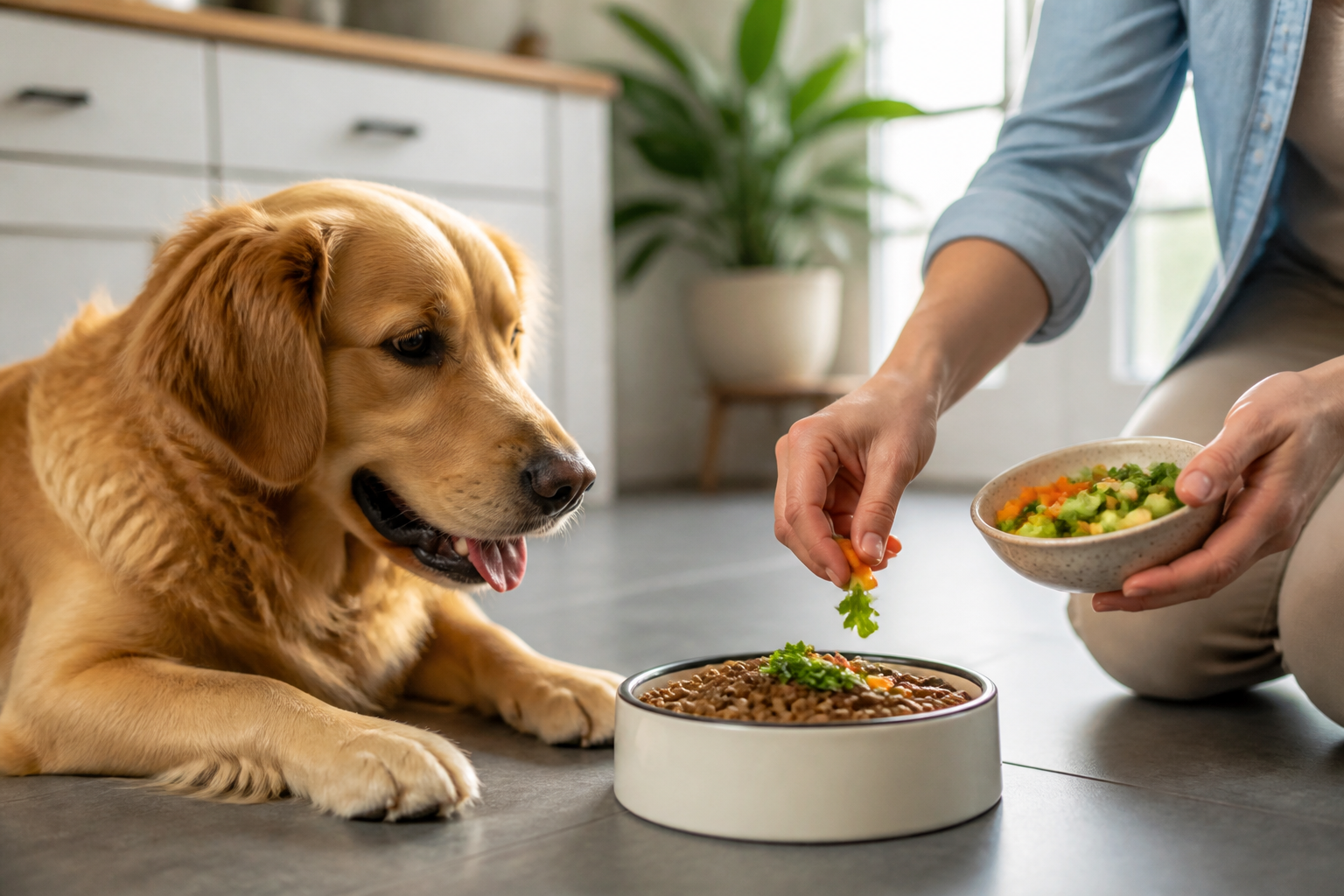
You fill the bowl with high-quality kibble and set it down. Your dog walks over, gives it a single sniff, and wanders away. It is a frustrating moment that many pet owners face. Even the best dry food can feel a bit repetitive after months of the same crunch. At BaxterBoo, we know that mealtime should be a highlight of your dog's day. While kibble is convenient and cost-effective, it does not always provide the variety or moisture dogs naturally crave. Fortunately, you can transform a plain bowl of dry food into a nutritious feast with simple additions. This guide covers safe toppers, hydration tips, and nutritional boosts to keep your dog excited about their dinner. By using whole foods and smart mixing techniques, you can improve your pet's health and appetite.
The Importance of Hydration
Dry dog food typically contains only about 10 percent moisture. In contrast, fresh meat or wet food contains closer to 70 percent. Adding liquid to kibble is one of the easiest ways to make it better. It helps with digestion and keeps your dog hydrated. This is especially important for senior dogs or those with kidney concerns. For more mealtime options, browse our dog food category.
Warm Water
Adding warm water is the simplest method. It softens the hard pieces and releases the aroma of the fats in the food. Use warm water rather than boiling water. Boiling water can destroy some of the heat-sensitive vitamins added to the kibble. Let the food sit for about ten minutes until it absorbs the liquid. This creates a soft texture that is much easier to chew.
Bone Broth
Bone broth is a nutritional powerhouse. It is rich in collagen and amino acids that support joint health. However, you must never use human grade canned broth. Many human versions contain onions and garlic. These ingredients are toxic to dogs. We recommend using a broth specifically formulated for pets. You can also make your own at home by simmering beef or chicken bones without any seasonings. You can also browse our dog food topper collection for pet-friendly meal additions.
Goat Milk and Kefir
Goat milk is often called a universal milk. Most dogs digest it better than cow's milk. It contains probiotics that support gut health. Adding a splash of goat milk or plain kefir to dry food provides a creamy texture. It also introduces beneficial bacteria to the digestive tract. Always choose plain, unsweetened options to avoid digestive upset.
Quick Answer: You can make dry dog food better by adding liquids like warm water, bone broth, or goat milk. These additions improve the smell, soften the texture, and provide much-needed hydration for your dog's digestion.
Fresh Protein Toppers
Dogs are facultative carnivores. They thrive when high-quality animal protein is the focus of their diet. While kibble provides a baseline, adding fresh protein can significantly boost the nutritional profile of the meal. For additional ideas, read what you can add to your dog's dry food for better nutrition.
Eggs
Eggs are a complete protein source. They are affordable and easy to prepare. You can serve them raw, scrambled, or hard-boiled. Many owners find that a lightly scrambled egg mixed into kibble is enough to entice the pickiest eater. If you use raw eggs, make sure they come from a clean, high-quality source. Eggs contain biotin, which is excellent for skin and coat health.
Canned Fish
Sardines, mackerel, and pink salmon are fantastic additions. These fish are packed with Omega-3 fatty acids. These fats support heart health and reduce inflammation in the joints. When buying canned fish, look for options packed in water with no added salt. Avoid fish packed in oil, as the extra fat can cause weight gain or digestive issues. One or two small sardines a few times a week can make a big difference.
Lean Muscle Meat
If you have leftover chicken, turkey, or lean beef, these can go right into the bowl. Make sure the meat is unseasoned. Do not add meat that was cooked with onions, salt, or heavy spices. Shredded chicken breast is a common favorite for dogs with sensitive stomachs. It provides a lean protein boost without a lot of extra calories.
Vet Tip: If your dog suddenly stops eating their dry food, it could be a sign of dental pain or an underlying health issue. Always consult your veterinarian before making major dietary changes, especially if your dog shows signs of lethargy or weight loss.
Adding Nutritious Vegetables and Fruits
Vegetables and fruits provide fiber and antioxidants. These nutrients help your dog's immune system and support healthy aging. However, dogs digest plant matter differently than humans. Their digestive tracts are shorter, and they do not chew food as thoroughly. If you are considering broader nutritional support, explore our pet supplement selection.
Pureed Pumpkin
Plain canned pumpkin is a staple for dog owners. It is high in fiber and can help with both diarrhea and constipation. A spoonful of pumpkin mixed into dry food adds a sweet flavor that most dogs enjoy. Ensure you are using 100 percent pure pumpkin and not pumpkin pie filling. Pie filling contains sugar and spices that are dangerous for pets.
Steamed Green Beans and Carrots
Green beans are low in calories and high in fiber. They are a great "filler" for dogs that need to lose weight but still feel hungry. Carrots provide beta-carotene and a satisfying crunch. For the best digestion, lightly steam or puree these vegetables. This breaks down the plant cell walls, making the nutrients easier to absorb.
Berries
Blueberries and strawberries are safe, low-sugar treats. They are loaded with antioxidants. You can drop a few fresh or frozen berries directly onto the kibble. Most dogs enjoy the tart sweetness. These are much better alternatives to high-calorie processed treats.
Professional Mix-ins and Meal Toppers
The pet food industry has created many specific products designed to improve kibble. At BaxterBoo, we carry a wide variety of meal toppers that are formulated to be both tasty and balanced.
Freeze-Dried Raw Toppers
Freeze-dried raw food offers the benefits of raw nutrition with the convenience of a bag. These toppers are usually made of meat, organs, and bone. They are intensely flavorful. You can crumble them over the kibble or rehydrate them with a bit of water. Brands like Stella and Chewy’s or Vital Essentials offer these specifically for mixing with dry food. For another option, see our freeze-dried pet food collection.
Wet Food Mix-ins
Mixing wet food with dry food is a classic strategy. It provides the "gravy" that many dogs want. If you do this, make sure to adjust the amount of dry food you are feeding. Adding a full can of wet food on top of a full portion of kibble will lead to obesity. Start by replacing one-quarter of the dry food with an equivalent amount of wet food. For more guidance, read can you mix dry dog food with wet food.
Digestive Enzymes and Probiotics
Kibble is cooked at very high temperatures. This process often kills natural enzymes found in raw ingredients. Adding a digestive enzyme supplement can help your dog get more nutrition out of every bite. Probiotics help maintain a healthy balance of bacteria in the gut. We often recommend these for dogs that have gas or irregular stools.
Key Takeaway: Using a variety of toppers prevents "flavor fatigue." Rotate between different proteins and vegetables to ensure your dog receives a wide spectrum of vitamins and minerals.
Essential Oils and Supplements
Sometimes the best way to improve a meal is to add a concentrated nutrient boost. Oils are particularly effective for making dry food smell better while improving the dog's physical appearance.
Fish Oils
Salmon oil and pollock oil are rich in EPA and DHA. These are essential fatty acids that dogs cannot produce on their own. Drizzling a pump of salmon oil over kibble adds a strong, appealing scent. Within a few weeks, you will likely notice a shinier coat and less shedding. Brands like Zesty Paws or PureVita offer high-quality oils that are easy to dose.
Joint Supplements
For senior dogs, mealtime is the perfect time for joint support. Many joint supplements come in liquid or powder form. These can be mixed directly into the food. If your dog is struggling with mobility, look for ingredients like glucosamine, chondroitin, and MSM. Our pharmacy carries a variety of these supports, including prescription-strength options through our partnership with Pet's Choice. Visit our dog pharmacy to explore available options.
Coconut Oil
A small amount of organic coconut oil can be beneficial. It contains medium-chain triglycerides that support brain health. It also has antifungal properties. Most dogs love the taste of coconut oil. However, it is very high in calories. Only use a small amount, especially for small breeds.
The Golden Rules of Mixing
While it is tempting to throw everything in the fridge into the dog bowl, there are rules to follow. Maintaining a balanced diet is critical for long-term health.
The 25 Percent Rule
Most experts recommend that "extras" should not exceed 25 percent of your dog's total daily calories. If you exceed this, you risk unbalancing the vitamins and minerals in the base kibble. Commercial dog food is carefully formulated. If you add too much of one thing, you might interfere with the absorption of another.
Slow Transitions
If your dog has only ever eaten dry kibble, their stomach may be sensitive. Do not add three new toppers at once. Start with one addition in a small amount. Watch their stool for any signs of upset. If they handle it well for a few days, you can continue or try something else.
Temperature Matters
Dogs generally prefer food that is at body temperature. If you are adding meat from the refrigerator, let it sit out for a few minutes or warm it slightly. Avoid serving frozen toppers unless it is a very hot day. Warm food has a stronger smell, which is the primary way dogs "taste" their food. For hydration-focused preparation ideas, read how to wet dry dog food for better digestion and hydration.
Bottom line: Focus on quality over quantity; small amounts of high-impact fresh foods are better than large amounts of fillers.
When to Seek Specialized Solutions
Sometimes, making dry food better is not about the taste. It might be about a medical need. If your dog has chronic allergies, skin issues, or digestive problems, they might need more than just a topper.
Our pharmacy provides a wide range of FDA-approved medications and prescription diets. We work with Pet's Choice to offer specialized formulas for weight management, kidney care, and allergy relief. If your dog is on a prescription diet, always check with your vet before adding toppers. Some ingredients might interfere with the medical purpose of the food. For example, adding high-protein toppers to a low-protein kidney diet can be harmful.
If your dog is itchy or has red skin, adding salmon oil is a great start. However, if the scratching persists, you may need flea and tick protection or allergy medication. We stock trusted brands like Frontline and NexGard to help manage these common issues.
Proper Storage for Freshness
The best way to make dry food better is to keep it from going stale. Once a bag of kibble is opened, the fats begin to oxidize. This leads to a rancid smell and a loss of nutritional value.
- Keep the original bag: The bags are designed to protect the food. Place the entire bag inside an airtight container rather than pouring the food out.
- Use an airtight container: Exposure to air is the enemy of freshness. Use a container with a rubber seal.
- Store in a cool place: Do not store dog food in a garage or near a heater. Heat speeds up the spoiling process.
- Check the date: Try to buy bags that you can finish within six weeks. After six weeks, the freshness drops significantly.
Conclusion
Improving your dog's dry food does not have to be expensive or complicated. By adding moisture, fresh proteins, and healthy vegetables, you can turn a basic meal into a highlight of their day. Remember to follow the 25 percent rule and introduce new items slowly. Whether you use a splash of bone broth or a scoop of freeze-dried raw topper, your dog will appreciate the variety. At BaxterBoo, we are here to help you find the best supplements, toppers, and gear for your pet's life. Keeping your dog excited about their food is a great way to ensure they get the nutrition they need to stay active and happy.
Key Takeaway: A little bit of moisture and fresh food goes a long way in improving the health and appetite of a kibble-fed dog.
To get started on your dog's meal upgrade, browse our collection of dog food toppers or sign up for our Autoship programme to ensure your favorite kibble and supplements always arrive on time.
FAQ
Can I add human gravy to my dog's dry food?
You should avoid standard human gravy. Most recipes include high levels of salt, onions, and garlic, which are all toxic to dogs. If you want to add a liquid topper, use a pet-safe bone broth or a small amount of low-sodium, unseasoned chicken stock made specifically for animals.
Is it okay to mix wet and dry food every day?
Yes, mixing wet and dry food is a common and healthy practice. It provides variety and increases hydration. Just remember to reduce the amount of dry kibble to account for the extra calories in the wet food to prevent weight gain.
Does adding water to kibble help with dental health?
While hard kibble is often touted as good for cleaning teeth, many dogs swallow it whole or break it quickly, which does little for plaque. Softening food is better for dogs with existing dental pain. For actual dental health, it is better to provide dental chews like Greenies or brush your dog's teeth regularly.
Can I give my dog raw eggs in their food?
Most healthy dogs can handle raw eggs, and they are a great source of protein and biotin. However, there is a small risk of salmonella. If you are concerned or if your dog has a weakened immune system, lightly cooking or poaching the egg is a safer way to provide the same nutritional benefits.






