
 Save 15% on your 1st Autoship learn more

 Email us
 Live Chat
 FAQs
FAQs





Introduction
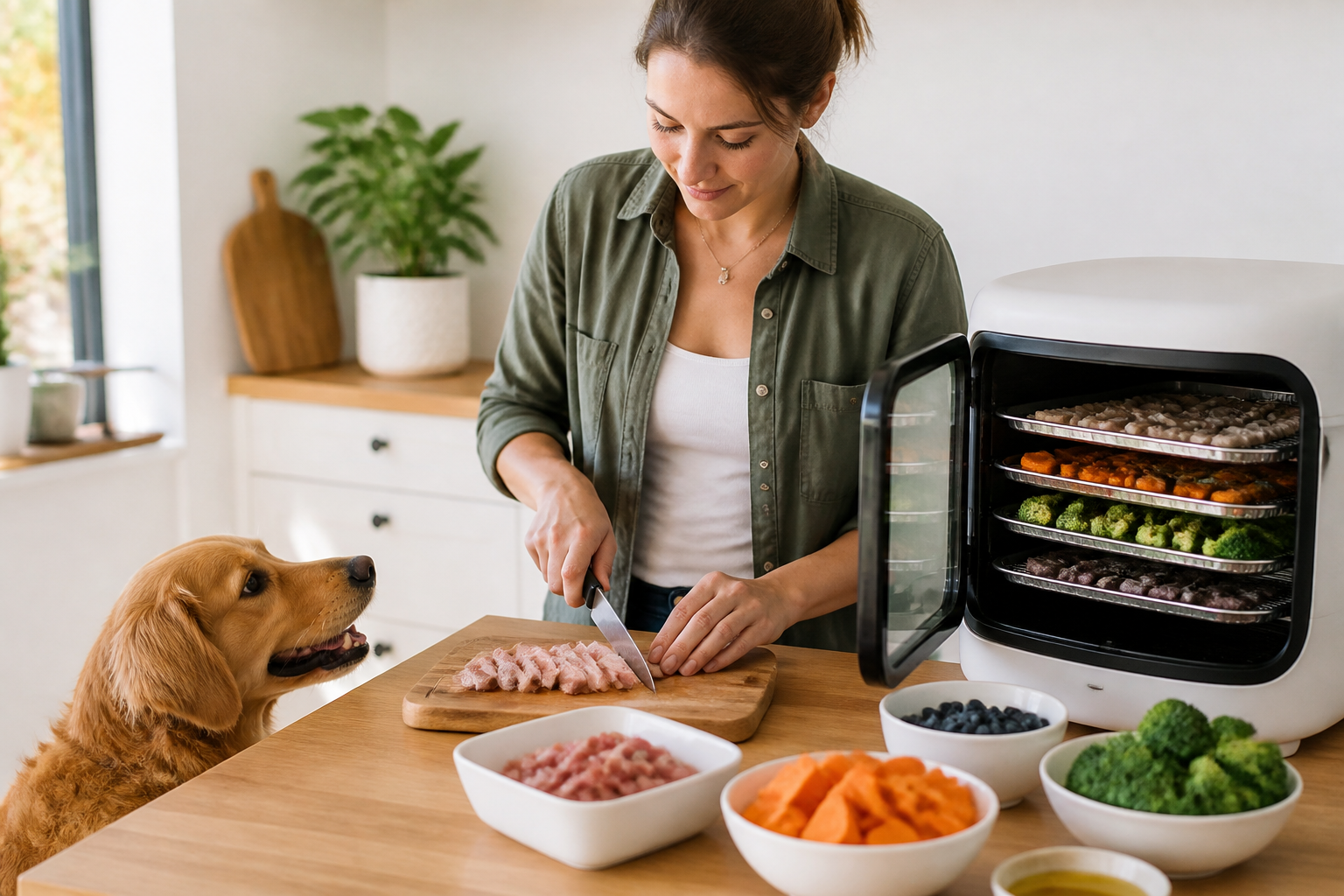
Standing in the pet food aisle can be a shock to the wallet. You see those bags of freeze dried morsels and realize they are some of the most expensive items on the shelf. Many pet owners love the idea of high protein, lightweight, and nutrient dense food. However, the price tag makes it a luxury for many. You might wonder if there is a way to provide that same quality without the markup. At BaxterBoo, we know that many of our customers are looking for ways to balance premium nutrition with a realistic budget. Making your own freeze dried meals is a path toward total control over your dog's diet. This guide covers the equipment you need, how to balance a recipe, and the step by step process for successful home production.
Quick Answer: Making freeze dried dog food at home requires a dedicated freeze dryer machine to remove moisture through sublimation. You prep balanced ingredients, pre-freeze them on trays, and run the machine for 24 to 48 hours before storing the food in airtight containers.
What Is Freeze Drying and Why Does It Matter?
Freeze drying is not the same as dehydrating. Traditional dehydration uses low heat to evaporate water over several hours. This process can sometimes change the texture and degrade some heat-sensitive vitamins. Freeze drying uses a process called sublimation. The food is frozen to extreme temperatures, often forty degrees below zero. Then, a vacuum pump removes the air from the chamber.
As the temperature slightly rises under vacuum pressure, the ice turns directly into water vapor. It skips the liquid phase entirely. This preserves the cellular structure of the meat and vegetables. The result is a porous, lightweight nugget that retains nearly all its original nutrients. It also tastes much better to most dogs than hard, dry kibble. For a broader look at the process, read how freeze-dried dog food works and whether it is good for dogs.
The Benefits of Going Homemade
One of the biggest reasons to make your own is ingredient transparency. You choose the exact cut of beef or the specific farm where the chicken was raised. If your dog has a sensitive stomach, you can eliminate every possible trigger. There are no hidden fillers or "natural flavors" that might cause a flare up.
Another benefit is the shelf life. Properly freeze dried food can last for years if stored correctly. It is the ultimate convenience for hiking, camping, or emergency kits. You get the benefits of raw feeding without the mess or the need for a freezer on the road. You can also compare homemade meals with our freeze-dried pet food collection.
Key Takeaway: Freeze drying preserves about 97 percent of nutrients and provides a shelf-stable alternative to raw feeding by removing moisture through a vacuum process.
Essential Equipment for Home Freeze Drying
You cannot freeze dry food in a standard kitchen oven or a basic dehydrator. The process requires very specific conditions that only a dedicated freeze dryer can provide. While the initial investment is significant, it pays for itself over time if you have multiple large dogs or also freeze dry food for your own pantry.
The Freeze Dryer
The most common brand for home use is Harvest Right. These units come in different sizes. A small unit can handle about six to ten pounds of fresh food per batch. A large unit can handle nearly double that. You will need a dedicated space for this machine. It generates heat and makes some noise while the vacuum pump is running.
Storage Supplies
Once the food comes out of the machine, it will act like a sponge for any moisture in the air. You must have your storage ready immediately.
- Mylar bags: These are thick, foil-lined bags that block light and air.
- Oxygen absorbers: Small packets that remove any remaining oxygen inside the bag.
- Vacuum sealer: Needed to heat-seal the Mylar bags.
- Mason jars: Excellent for short-term storage or food you use daily, provided you use a vacuum jar sealer.
Preparation Tools
A high-quality scale is vital. You need to know the weight of your ingredients to ensure the meal is balanced. You will also need a sharp knife or a food processor. Small, uniform pieces dry much faster and more evenly than large chunks.
Choosing the Right Ingredients for Nutritional Balance
This is the most critical part of the process. If you only feed your dog freeze dried chicken breast, they will eventually develop severe nutritional deficiencies. A dog needs a complex mix of proteins, fats, vitamins, and minerals.
Protein and Organ Meats
Muscle meat should be the foundation. This includes chicken thighs, lean ground beef, or turkey. However, you cannot skip the organs. Liver, heart, and kidney are nature's multivitamins. They provide essential nutrients like Vitamin A, B vitamins, and iron that muscle meat lacks.
Vegetables and Fiber
While dogs are primarily meat-eaters, they benefit from the fiber and antioxidants in vegetables. Carrots, green beans, spinach, and blueberries are excellent choices. Avoid onions, garlic, and grapes, as these are toxic to dogs. Some owners also include a small amount of cooked pumpkin to support digestion.
Supplements and Minerals
Even with a variety of meats, it is hard to hit every nutritional mark at home. Most homemade diets require a calcium source, like ground eggshells or a specific supplement. You might also need to add Omega-3 fatty acids through fish oil after the freeze drying process is complete.
Vet Tip: Creating a balanced long-term diet at home is difficult. Always consult with a veterinarian or a certified veterinary nutritionist before switching your dog to a 100 percent homemade diet to ensure they receive all necessary micronutrients.
A Step-by-Step Guide to the Freeze Drying Process
Once you have your ingredients and equipment, it is time to start your first batch. Preparation is the key to a successful run.
Step 1: Prep and Cook the Ingredients
While some people freeze dry raw meat, we recommend cooking it first for home production. Freeze drying does not kill bacteria like Salmonella or E. coli. It simply puts them in a dormant state. Cooking ensures the food is safe for both you and your dog to handle. Dice the meat and vegetables into half-inch cubes or grind them together into a consistent mash.
Step 2: Mix and Weigh
Combine your ingredients in a large bowl. Ensure the organ meats and vegetables are evenly distributed. Use your scale to track the total weight of the wet food. This helps you determine how much water to add back when it is time to serve the meal.
Step 3: Load the Trays
Spread the mixture onto the freeze dryer trays. Do not stack the food too high. A thin, even layer allows the vacuum to pull moisture from every piece efficiently. If you are using a mash, you can pre-cut it into small squares on the tray so they break apart easily once dry.
Step 4: Pre-Freeze the Trays
Most freeze dryers have a freezing cycle, but you can save time and electricity by putting the trays in your kitchen freezer overnight first. This gets the food down to zero degrees before it ever enters the machine.
Step 5: Run the Machine
Slide the trays into the freeze dryer and start the cycle. Depending on the water content and the thickness of the food, this will take between 24 and 48 hours. The machine will sense when the moisture is gone and the process is complete.
Step 6: The Dryness Test
When the cycle ends, check the thickest pieces of food. Break one in half. It should be bone-dry all the way through and feel warm to the touch. If it feels cold or has any "squish" left, it needs more time. Cold spots usually indicate that there is still ice inside the food.
Bottom line: Preparation and uniform sizing are the most important factors for ensuring your dog food dries completely and stays safe for storage.
Rehydrating and Serving Your Homemade Meals
One of the great things about freeze dried food is the variety of ways you can serve it. You do not always have to turn it back into "wet" food. For additional guidance, see how to feed freeze-dried dog food.
Serving Dry
Many dogs love the crunch of freeze dried food. You can use the nuggets as high-value training treats. Since they are lightweight and do not require refrigeration, they are perfect for stuffing into a pocket during a walk. If you serve it dry as a meal, make sure your dog has plenty of fresh water available. The food will absorb liquid from their digestive tract.
Rehydrating with Water
To turn the food back into a meal, add warm water. A good rule of thumb is to use one part water for every two parts of food. Let it sit for about five to ten minutes. The porous structure will soak up the liquid, and the meat will return to a texture very similar to fresh-cooked food.
Enhancing with Toppers
You can also use your homemade freeze dried food as a topper for high-quality kibble. Brands like NutriSource or Open Farm offer excellent base diets. Adding your homemade freeze dried bits on top can entice a picky eater or add a boost of fresh protein to their bowl. For ready-made options, browse our selection of Stella & Chewy's products.
Safety and Storage Best Practices
Because you are removing the water, you are removing the environment where mold and bacteria grow. However, this only works if the food stays dry.
Immediate Packaging
Do not let the food sit out on the counter. As soon as the trays are out of the machine, move the food into your Mylar bags or jars. Drop an oxygen absorber into each container before sealing. If you leave the food out, it will begin to absorb humidity from the kitchen air. This can lead to spoilage later in the month.
Proper Storage Environment
Store your sealed bags in a cool, dark, and dry place. A pantry or a climate-controlled basement is ideal. Extreme heat can cause the residual fats in the meat to go rancid over time. If you notice a "sour" or "off" smell when you open a bag, discard it. More storage guidance is available in this guide to keeping dry dog food fresh.
Batch Coding
Always label your bags with the date and the primary protein used. It is easy to forget which bag is chicken and which is beef once they are all processed. Using the "first in, first out" method ensures your dog is always eating the freshest batch.
When Homemade Isn't the Best Fit
While making food at home is rewarding, it is not always the right choice for every pet. Some dogs have complex medical needs that require precise laboratory-grade formulations.
Prescription Diets
If your dog is managing a condition like chronic kidney disease, urinary stones, or severe inflammatory bowel disease, DIY food can be risky. These conditions often require very specific levels of phosphorus, protein, or amino acids that are nearly impossible to calculate in a home kitchen.
Our pharmacy carries FDA-approved prescription pet foods through our partnership with Pet's Choice. These diets, such as Farmina Vet Life, are formulated to manage specific illnesses. If your vet has prescribed a medical diet, we can help you fulfill that through our pet pharmacy. It is often safer to stick with a proven prescription formula for chronic health issues.
Time and Labor
Freeze drying at home is a labor of love. It takes hours of prep and days of machine time. If you have a busy schedule, you might find it difficult to keep up with the demand of a large dog. In those cases, stocking up on trusted brands like Stella & Chewy's or Vital Essentials is a great middle ground. You can also explore our selection of Vital Essentials products.
Vet Tip: If your dog shows signs of a dull coat, lethargy, or digestive changes after switching to homemade food, see your veterinarian. These can be signs of a nutritional imbalance that needs to be addressed through diet adjustment or supplements.
Comparing Homemade to Commercial Options
| Feature | Homemade Freeze Dried | Commercial Freeze Dried |
|---|---|---|
| Ingredient Control | Total control over every item. | Pre-set formulas. |
| Initial Cost | High (cost of machine). | Low (cost of one bag). |
| Long-term Cost | Lower per pound. | High per pound. |
| Convenience | Time-consuming prep. | Ready to serve. |
| Nutritional Balance | Requires careful planning. | AAFCO balanced and complete. |
Conclusion
Making freeze dried dog food at home is a major commitment that offers significant rewards. You gain the peace of mind that comes with knowing exactly what is in your dog's bowl. By following the proper steps for preparation, drying, and storage, you can create a shelf-stable, nutrient-dense diet that your dog will love. Remember to focus on variety and consult with a professional to ensure your recipes are balanced.
- Invest in a quality freeze dryer and storage supplies.
- Use a mix of muscle meats, organ meats, and safe vegetables.
- Always cook meat before freeze drying for maximum safety.
- Store food with oxygen absorbers in airtight containers.
If you find that home production is too time-consuming, explore our dog food category for premium freeze dried foods and treats. Joining the MVP Rewards programme is a great way to earn points on every purchase, helping you provide the best nutrition for your dog while keeping your budget on track.
FAQ
Can I freeze dry raw meat for my dog at home?
Yes, it is possible to freeze dry raw meat, but it requires very strict hygiene and handling. Freeze drying does not kill pathogens, so any bacteria present in the raw meat will remain. For most home cooks, lightly cooking the meat first is a much safer option for both the humans in the house and the dog.
How long does homemade freeze dried dog food last?
If it is stored in a vacuum-sealed Mylar bag with an oxygen absorber in a cool, dark place, it can last for several years. Once you open a bag and expose it to air, you should use it within two to four weeks. Always check for any unusual smells before feeding it to your dog.
Is it cheaper to make your own freeze dried dog food?
In the long run, the cost of ingredients is significantly lower than buying premium commercial bags. However, you must factor in the initial cost of the freeze dryer, which is often several thousand dollars. It is most cost-effective for households with multiple dogs or those who use the machine for human food storage as well.
Do I need to add water to freeze dried food before feeding?
You do not have to rehydrate it, but it is often recommended. Adding water helps with digestion and ensures your dog stays hydrated. If your dog does not drink much water on their own, rehydrating the food is a great way to sneak extra moisture into their diet.






