
 Save 15% on your 1st Autoship learn more

 Email us
 Live Chat
 FAQs
FAQs





Introduction
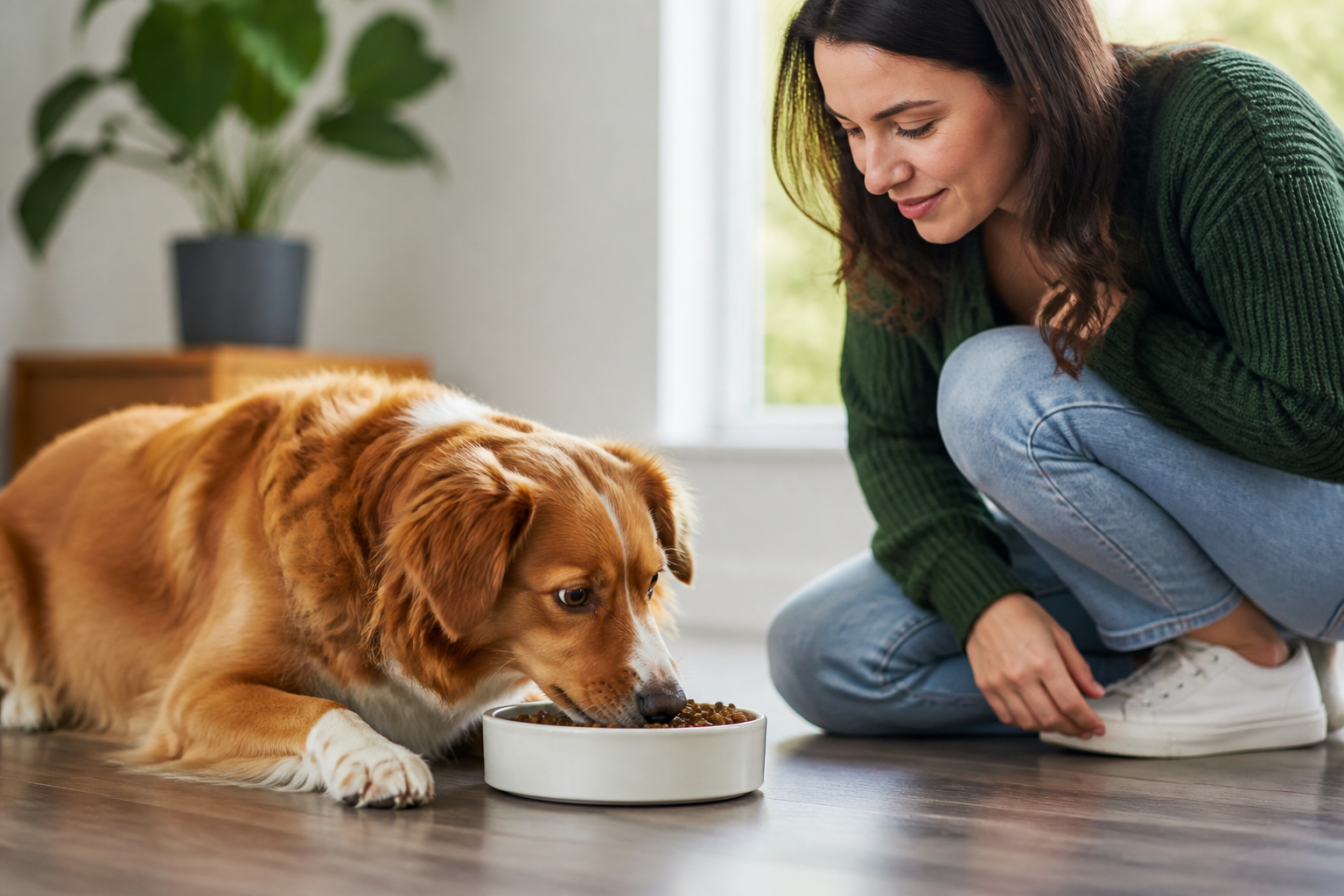
You set the bowl down, and instead of the usual excited tail wag, your dog gives the kibble a skeptical sniff and walks away. This moment of rejection can be stressful for any pet owner. You might worry about their health or wonder if you bought the wrong bag of food. While it is common for dogs to go through phases of pickiness, a consistent refusal to eat dry food usually has a specific cause. Since 2006, we at BaxterBoo have helped pet parents navigate these nutritional hurdles with expert advice and carefully chosen products. This guide covers why your dog might be avoiding their bowl and offers practical strategies to bring back their appetite. You will learn how to differentiate between a stubborn palate and a medical concern.
Quick Answer: To encourage your dog to eat dry food, try adding warm water or low-sodium broth to enhance the aroma. You should also establish a strict feeding schedule and limit treats to ensure they are hungry at mealtime.
Rule Out Medical Concerns First
Before you assume your dog is just being a food critic, you must consider their physical health. A sudden change in eating habits is often the first sign that something is wrong. Dogs cannot tell us when they have a dull toothache or a sour stomach, so they communicate through their behavior.
Dental issues are a leading cause of kibble refusal. Dry food is hard and requires significant crunching. If your dog has a cracked tooth, inflamed gums, or a hidden abscess, the pressure of chewing kibble can cause sharp pain. They might want to eat but find the physical act of chewing too uncomfortable. If you notice your dog dropping food out of their mouth or only chewing on one side, a dental checkup is necessary. Our dog dental care collection can help you maintain an at-home routine between veterinary visits.
Gastrointestinal distress or internal illnesses can also suppress a dog's appetite. Conditions like kidney disease, liver issues, or simple infections often lead to nausea. When a dog feels nauseated, they may associate their regular dry food with feeling sick. This creates a learned aversion that makes them avoid the bowl entirely.
Vet Tip: If your dog refuses to eat for more than 24 hours or shows signs of lethargy and vomiting, consult your veterinarian immediately. Our pet pharmacy provides medications and prescription diets to help manage diagnosed health conditions.
Identifying Behavioral Pickiness
If your veterinarian gives your dog a clean bill of health, the issue is likely behavioral. Many dogs learn how to train their owners. If your dog refuses kibble and you immediately offer a piece of chicken or a spoonful of wet food, they have successfully learned that holding out leads to a better reward.
Over-treating is another common culprit. It is easy to lose track of how many biscuits or training treats a dog gets throughout the day. If treats make up a large portion of their daily calories, they simply will not be hungry enough to eat their balanced dry meal. Our dog treats collection offers options for training and rewards, but treats should never exceed ten percent of a dog's total caloric intake.
Stress and environmental changes can also play a role. Dogs are creatures of habit. A move to a new house, a new baby, or even a change in where you place the food bowl can cause anxiety. An anxious dog often loses interest in food until they feel secure in their surroundings again.
Bottom line: Rule out physical pain first, then look at your own feeding habits to see if you are accidentally rewarding the refusal to eat.
Simple Tricks to Increase Kibble Appeal
You do not always need to switch brands to get your dog to eat. Often, small adjustments to the existing dry food can make it much more enticing. Dogs rely heavily on their sense of smell to determine what is worth eating. Dry kibble straight from the bag has a relatively mild scent. For additional ideas, read our guide to adding toppers to dry dog food.
Step 1: Add warm moisture. / Pour a small amount of warm water or low-sodium chicken broth over the kibble. This softens the texture and releases the fats and aromas in the food.
Step 2: Let it sit. / Wait two or three minutes for the moisture to soak in. This creates a savory gravy that coats each piece of kibble.
Step 3: Check the temperature. / Ensure the food is warm but not hot to the touch. Warm food mimics the temperature of fresh prey, which is an instinctual trigger for many dogs to eat.
The Power of Toppers
If moisture alone does not work, a high-quality topper can bridge the gap. We carry several brands at BaxterBoo that specialize in meal enhancers. Products from Stella and Chewy's or The Honest Kitchen are designed to add a boost of flavor and nutrition without completely replacing the dry diet.
- Freeze-dried raw crumbles: These provide a burst of concentrated meat flavor.
- Canned pumpkin: A spoonful of plain, unsweetened pumpkin adds fiber and a new texture.
- Plain yogurt: A small dollop of unsweetened yogurt can be a tasty probiotic boost.
- Bone broth: Specially formulated pet bone broths are rich in collagen and highly aromatic.
Using Wet Food as a Mixer
Mixing a small amount of wet food into the dry kibble is a classic strategy. It provides a variety of textures that many dogs find more satisfying. When using this method, be sure to reduce the amount of dry food slightly to prevent weight gain. Ensure you stir the wet food thoroughly so the dog cannot simply pick out the "good parts" and leave the kibble behind. If you are considering a broader food change, our guide explains how to switch from dry to wet dog food.
Establish a Strict Feeding Routine
Free-feeding, or leaving a bowl of food out all day, is one of the biggest contributors to picky eating. When food is always available, it loses its value. It also makes it difficult for you to track exactly how much your dog is consuming.
Instead, move to a scheduled feeding system. Put the bowl down for exactly twenty minutes. If the dog has not eaten by the end of that time, pick the bowl up and do not offer food again until the next scheduled meal. Do not give any treats or scraps in the interim.
Most healthy dogs will not starve themselves. Once they realize that the food is only available for a limited window, they will be more likely to eat when the bowl is presented. This builds a healthy "scarcity" mindset that increases the value of the dry food.
Increase Physical Activity
A tired dog is a hungry dog. If your dog spends most of the day lounging on the sofa, their caloric needs are low. Increasing the length of your morning walk or adding a vigorous game of fetch can stimulate their metabolism. Exercise triggers the release of hunger hormones, making that bowl of dry food look much more appealing when you return home.
Change the Bowl or Location
Sometimes the problem is not the food, but the vessel. Some dogs dislike the sound of their collar tags clinking against a metal or ceramic bowl. Others may find a deep bowl uncomfortable if it touches their whiskers.
Try using a flat plate or a shallow silicone mat. You can also try moving the feeding station to a quieter part of the house. If your dog is distracted by family activity or other pets, they may feel too distracted to focus on their meal. A calm, predictable environment helps them relax and eat.
Key Takeaway: Consistency is your best tool. A combination of increased activity, a quiet environment, and a strict "twenty-minute rule" can reset a dog's relationship with their food.
Evaluating Food Quality and Freshness
If your dog suddenly stops eating a brand they have enjoyed for months, check the bag for a few specific things. Dry food contains fats that can go rancid over time. If the bag was not sealed properly or is past its expiration date, your dog will smell the spoilage long before you do. You can compare fresh options in our dog food category.
Storage matters. Always keep kibble in its original bag, then place that bag inside an airtight container. The original packaging is designed to keep moisture and air out. Pouring the food directly into a plastic bin can lead to fat oxidation and a plastic smell that many dogs find repulsive.
Ingredient Sensitivities
Sometimes a dog refuses food because it makes them feel subtly unwell. If a food contains high levels of fillers, artificial colors, or ingredients the dog is sensitive to, they might experience mild bloating or gas. We curate our selection at BaxterBoo to include brands like Open Farm and Acana, which focus on high-quality proteins and transparent sourcing.
Rotational Feeding
Some dogs simply get bored. Imagine eating the exact same dry cereal for every meal of your life. Rotational feeding involves switching between different protein sources within the same brand. For example, you might finish a bag of chicken-based kibble and switch to beef or lamb for the next month. This provides a variety of amino acid profiles and keeps the palate interested without the digestive upset that comes from switching brands entirely.
- Check the bag for oily residue or an "off" smell.
- Store food in a cool, dry place.
- Use an airtight container but keep the original bag.
- Buy smaller bags if you have a single small dog to ensure the food stays fresh.
Managing Senior Dogs and Puppies
Age plays a significant role in appetite. Puppies have very high energy needs and should be eating food specifically formulated for growth. If a puppy refuses dry food, ensure the kibble size is small enough for their developing teeth.
Senior dogs often experience a decline in their sense of smell and taste. They may need more pungent additives to get excited about their meals. Older dogs are also more likely to have joint pain that makes standing at a floor-level bowl difficult. Using an elevated feeder can make the physical act of eating much more comfortable for a senior pet.
If your senior dog is managing chronic health issues, they may require specialized nutrition. Our pharmacy partnership allows you to easily source prescription diets like Farmina Vet Life, which are designed for specific conditions like kidney support or weight management. Always work with your veterinarian to determine if a prescription diet is the right path for your older dog. For another perspective, read whether senior dogs should eat wet or dry food.
Bottom line: Tailor your approach to your dog's life stage. Puppies need accessibility, while seniors often need enhanced aroma and physical comfort.
Training with Kibble
If your dog is motivated by play but not the bowl, try using the dry food as a reward. Instead of putting all the food in a bowl, use it during a training session. Have the dog perform "sit," "stay," or "down" and reward them with a few pieces of kibble.
This changes the context of the food. It stops being a boring pile of brown pellets and becomes a hard-earned prize. You can also use puzzle toys or snuffle mats to make the dog "hunt" for their dry food. This engages their brain and taps into their natural foraging instincts. Many dogs find the challenge of a puzzle toy much more engaging than a static bowl. Explore interactive dog toys and puzzles for more enrichment ideas.
Conclusion
Getting a dog to eat their dry food requires patience and a bit of detective work. Start by ensuring there are no underlying dental or medical issues. Once you have ruled out pain or illness, focus on establishing a firm routine and making the kibble more aromatic with warm water or high-quality toppers. Avoid the temptation to give in to their demands for table scraps, as this only reinforces the picky behavior. We are here to support your journey with a wide range of premium foods and a dedicated pharmacy for your pet's health needs. If your dog's appetite does not improve with behavioral changes, the next step is to schedule a professional veterinary consultation.
Key Takeaway: A healthy dog will usually eat when they are hungry and when the food is presented in a calm, consistent manner. Use toppers and moisture as tools, not as a permanent crutch for a spoiled palate.
FAQ
Why did my dog suddenly stop eating his dry food?
A sudden stop can be caused by dental pain, a change in the food's recipe, or the food going rancid. It could also be a result of a stressful change in the home environment or an underlying medical issue like nausea. If the refusal lasts more than a day or is accompanied by other symptoms, you should contact your veterinarian.
Can I mix human food with kibble to make my dog eat?
You can use small amounts of dog-safe human foods like plain boiled chicken, unsweetened pumpkin, or low-sodium broth as a topper. However, avoid using seasoned table scraps or fatty meats, as these can cause digestive upset or pancreatitis. The goal is to use the human food to encourage the dog to eat the kibble, not to replace the balanced nutrition of the dry food.
Is it okay to leave dry food out all day?
We generally recommend against free-feeding because it can lead to obesity and makes it harder to notice when a dog's appetite changes. Scheduled feedings help build a routine and ensure the dog is hungry when the food is presented. Picking up the bowl after twenty minutes teaches the dog that they need to eat when the opportunity is available.
Should I change brands if my dog won't eat his kibble?
Not necessarily. Frequent brand changes can actually encourage picky behavior because the dog learns that refusing one food leads to a "newer, better" option. Try enhancing the current food with warm water or toppers first. If you do decide to switch, choose a high-quality brand with different protein sources and transition the food slowly over seven to ten days to avoid upsetting their stomach.






