
 Save 15% on your 1st Autoship learn more

 Email us
 Live Chat
 FAQs
FAQs





Introduction
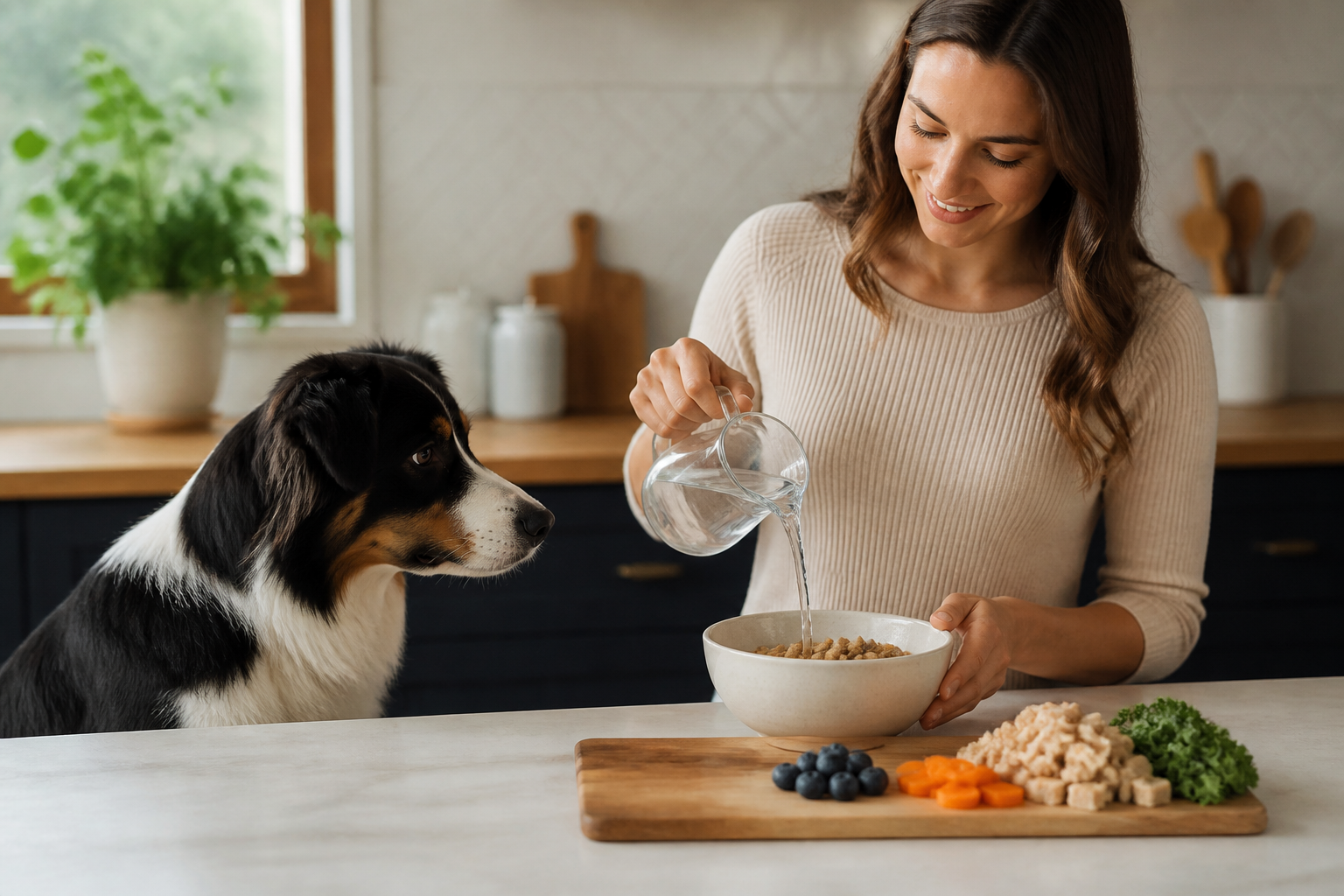
You just opened a new bag of freeze dried dog food and noticed the lightweight, porous texture of the nuggets. It is a far cry from the heavy bags of kibble or the moisture-rich cans you might be used to. This unique format is a favorite among our customers at BaxterBoo because it offers the nutritional benefits of raw food with the convenience of a shelf-stable product. Knowing how to prepare freeze dried dog food correctly is the key to ensuring your dog gets the most out of every meal. Proper preparation involves more than just dumping food into a bowl. This guide covers the best methods for rehydrating, serving, and storing these nutrient-dense meals to keep your dog healthy and hydrated.
Quick Answer: Most manufacturers recommend rehydrating freeze dried dog food with warm water, bone broth, or goat milk using a 1:1 ratio. Simply crumble the food, add the liquid, and wait three to five minutes for the moisture to absorb before serving.
Understanding the Freeze Drying Process
To prepare the food correctly, it helps to know how it is made. Freeze drying is a preservation process that removes nearly all the moisture from raw ingredients. The food is flash-frozen and then placed in a vacuum chamber. Through a process called sublimation, the ice turns directly into vapor without becoming liquid.
This method is special because it does not use high heat. Heat can denature proteins and destroy delicate enzymes and vitamins. Because the ingredients stay raw or gently cooked throughout the process, the food retains about 97 percent of its original nutritional value. At BaxterBoo, we source brands like Stella and Chewy's and Open Farm because they prioritize this level of nutrient integrity.
The resulting product is extremely shelf-stable. It does not require refrigeration like traditional raw diets. However, because it only contains about 2 percent moisture, you have a specific responsibility as a pet parent to manage your dog's hydration.
Why Rehydration Matters
While you can technically feed freeze dried food dry, we generally recommend adding liquid. In the wild, a dog's prey is composed of about 70 percent water. Kibble usually contains around 10 percent moisture. Freeze dried food is much drier than both.
If a dog eats dry freeze dried food consistently, their body must use its own internal moisture to digest the meal. Over time, this can put a strain on the kidneys and digestive system. Rehydrating the food makes it easier to chew and much easier to digest.
Adding liquid also brings out the natural aromas of the meat. This makes the meal far more appealing to picky eaters or senior dogs with a declining sense of smell. If your dog has dental issues or missing teeth, rehydrated food provides a soft texture that is gentle on the gums.
Key Takeaway: Rehydrating freeze dried food mimics the natural moisture content of a raw diet and supports healthy kidney function and digestion.
Step-by-Step Instructions for Preparation
Preparing a complete meal takes only a few minutes. Follow these steps to ensure the texture is consistent and the nutrients are accessible.
Step 1: Measure the correct portion. / Use the feeding guidelines on the back of the bag based on your dog's weight and activity level.
Step 2: Crumble the nuggets or patties. / Break the food into smaller pieces using your hands or a fork to increase the surface area for faster absorption.
Step 3: Add your chosen liquid. / Use a 1:1 ratio of liquid to food, or follow the specific instructions provided by the brand.
Step 4: Stir and wait. / Give the mixture a quick stir and let it sit for three to five minutes until the food is soft and the liquid is absorbed.
Step 5: Serve and clean up. / Offer the meal to your dog and wash the bowl thoroughly with soap and water immediately afterward.
Bottom line: Crumbling the food before adding liquid ensures a faster, more even rehydration process.
Choosing the Best Liquid for Rehydration
Water is the most common choice for rehydrating dog food, but it is not your only option. You can use different liquids to add flavor or functional nutrients to the bowl.
Warm Water
Filtered, warm water is the easiest and most cost-effective choice. Avoid using boiling water, as extreme heat can damage the very enzymes the freeze drying process worked so hard to protect. Warm water helps the food soften quickly and releases the meaty scent dogs love.
Bone Broth
Using a dog-safe bone broth is a fantastic way to boost joint health and collagen intake. Ensure the broth is free from onions, garlic, and excessive salt. Many brands we carry, such as The Honest Kitchen, offer dehydrated or boxed broths specifically formulated for pets.
Raw Goat Milk
Often called "universal milk," raw goat milk is packed with probiotics and electrolytes. It is highly digestible and excellent for dogs with sensitive stomachs. It adds a creamy texture and a significant boost to the immune system.
Low-Sodium Meat Stock
If you do not have pet-specific broth, a very low-sodium chicken or beef stock can work. Always check the label for hidden ingredients like leeks or spices that could be toxic to dogs.
Using Freeze Dried Food as a Topper
You do not have to feed freeze dried food as a full meal to see the benefits. Many pet parents use it as a topper to enhance standard kibble. This is an excellent way to provide high-quality protein without the cost of a 100 percent freeze dried diet. Explore our freeze dried dog food selection to compare meal and topper options.
When using it as a topper, you have more flexibility. You can crumble a small amount over the dry food to act as a "flavor dust" for picky eaters. In this specific case, rehydration is optional because the dog is still getting some moisture from other sources, provided they have access to a full water bowl.
However, adding a splash of water to the "dust" creates a savory gravy that coats every piece of kibble. This ensures the dog eats the entire meal rather than just picking out the freeze dried bits. If you are transitioning your dog to a new food, using a freeze dried topper can make the change much smoother.
Vet Tip: When adding toppers to a daily diet, remember to reduce the amount of the main meal to avoid accidental weight gain. Consult your veterinarian to determine the right caloric balance for your dog's specific needs.
Essential Food Safety and Handling
Even though freeze dried food is shelf-stable, it is often made from raw meat. This means you must practice the same hygiene habits you would use when cooking dinner for your family.
Most reputable brands use a process called High Pressure Processing (HPP) to eliminate harmful bacteria like Salmonella or Listeria. Despite this safety step, handling the food requires care. Always wash your hands with warm soap and water after touching the food or the bag.
Your dog's bowl should be washed after every single feeding. Leftover moisture and organic matter can become a breeding ground for bacteria if left out. If your dog does not finish their rehydrated meal within 30 minutes, you should discard the leftovers. Once water is added, the food is no longer shelf-stable and can spoil quickly.
- Keep the bag sealed tightly to prevent moisture from entering.
- Store the food in a cool, dry place like a pantry.
- Check the "best by" date regularly.
- Use a dedicated scoop to avoid cross-contamination.
Bottom line: Treat freeze dried dog food with the same sanitary respect as any other raw meat product to keep both your pet and your family safe.
Customizing Prep for Life Stages
Different dogs have different requirements when it comes to their meals. How you prepare the food can help address these specific needs.
Puppies
Puppies need significant amounts of energy and nutrients for growth. When preparing food for a puppy, ensure the brand is labeled for "all life stages" or specifically for puppies. You might want to use a bit more liquid to make the food very soft, which helps with the transition from milk or mush to solid food. For more age-specific feeding guidance, read our holistic puppy food guide.
Senior Dogs
Older dogs often deal with reduced appetite or dental pain. Rehydrating with warm bone broth can provide joint-supporting nutrients like glucosamine while making the food easy to eat. If a senior dog is struggling with weight loss, using goat milk for rehydration adds healthy fats and calories in an easy-to-digest form.
Overweight Dogs
If your dog is on a weight management plan, stick to plain water for rehydration. This adds volume to the meal, helping the dog feel full without adding any extra calories. We carry several weight-support formulas, and our partnership with Pet's Choice pharmacy allows us to offer prescription diets for dogs with specific medical needs.
Transitioning to Freeze Dried Food
Moving your dog to a freeze dried diet should be a gradual process. A sudden change in protein levels or fat content can lead to an upset stomach. Start by replacing about 25 percent of their current food with the prepared freeze dried food.
Observe your dog's stool and energy levels for a few days. If everything looks good, move to a 50/50 split. Continue this process over the course of seven to ten days until they are eating the new diet exclusively. For another gradual transition approach, see our guide to switching your dog from dry to wet food.
During this transition, it is a great time to sign up for our Autoship program. This ensures you never run out of food during the critical transition period and gives you a discount on your recurring orders. Plus, you get an MVP Gold membership, which helps you earn rewards on every bag of Stella and Chewy's or Northwest Naturals you buy.
Managing Health Conditions with Specialized Diets
Sometimes, a simple diet change is not enough to manage a chronic health condition. Many dogs require prescription diets or specific medications for issues like allergies, kidney disease, or heart health.
Our BaxterBoo pharmacy, operated through our partnership with Pet's Choice, provides a convenient way to get FDA-approved medications and prescription foods delivered to your door. If your veterinarian has prescribed a specific diet, you can often find freeze dried versions or compatible supplements in our medical and mobility section.
Whether your dog needs Cosequin for joint support or a specific flea and tick preventive like NexGard, we integrate those health needs into your regular shopping experience. Always talk to your vet before switching to a raw-based diet if your dog has a compromised immune system or severe chronic illness.
Common Mistakes to Avoid
Even seasoned pet owners can make errors when they first start using freeze dried products. One common mistake is using too much water, which can turn the meal into a soup that some dogs find unappealing. Start with less liquid and add more until you reach a consistency your dog likes.
Another error is ignoring the calorie count. Because freeze dried food is so light and airy, it is easy to overfeed. A small cup of freeze dried nuggets is much more calorie-dense than a cup of kibble. Always use a standard measuring cup rather than "eyeballing" the portion.
Finally, do not forget to rotate proteins. Feeding only one type of meat for years can sometimes lead to food sensitivities. Because freeze dried food comes in many varieties like beef, lamb, turkey, and fish, it is easy to switch things after each bag to keep the diet balanced and interesting.
- Avoid using boiling water (it kills nutrients).
- Do not leave rehydrated food out for hours.
- Do not forget to account for toppers in total calorie counts.
- Avoid cheap fillers by checking the first three ingredients.
Key Takeaway: Precision in measuring both food and water ensures your dog maintains a healthy weight and stays hydrated.
The Role of Enrichment in Mealtime
Preparing freeze dried food also offers opportunities for mental stimulation. You do not have to serve every meal in a standard bowl. The texture of freeze dried food makes it perfect for enrichment toys.
You can stuff rehydrated food into a Kong or similar toy and freeze it. This creates a long-lasting, cold treat that is perfect for a hot day or for keeping a high-energy dog occupied. You can also use the dry nuggets as high-value training treats. Since they are lightweight and non-greasy, they are easy to carry in a treat pouch during walks.
If your dog eats too fast, you can spread the rehydrated food onto a lick mat. This forces them to slow down and provides a calming sensory experience. Enrichment at mealtime can reduce anxiety and prevent boredom-based behaviors. For another way to add moisture and enrichment, read how to wet dry dog food.
Value and Selection at BaxterBoo
Since 2006, we have operated as a specialty pet retailer with a physical warehouse in Vernon Hills, Illinois. We handpick every brand we carry, from Kong toys to Farmina Vet Life diets. We understand that premium food is an investment in your dog's long-term health.
Our physical retail presence combined with our online store gives you the best of both worlds. You can trust that our team knows these products because we handle them every day. When you shop with us, you are supporting a business that truly cares about the well-being of your pets.
To get the best value, we recommend joining our MVP Rewards program. You can earn up to 5 percent back on your purchases. Combined with our frequent buyer programs on participating brands, you can significantly lower the cost of feeding a premium freeze dried diet.
Conclusion
Preparing freeze dried dog food is a simple process that yields significant health benefits. By rehydrating the food with warm water, broth, or goat milk, you provide your dog with essential moisture and highly digestible nutrients. Remember to handle the food safely, measure portions accurately, and transition slowly to avoid digestive upset. Whether you use it as a full meal or a savory topper, your dog will appreciate the fresh taste and natural energy.
- Always rehydrate with a 1:1 ratio for complete meals.
- Use warm (not boiling) liquid to preserve enzymes.
- Clean bowls and hands thoroughly after every prep.
- Store the bag in a cool, dry place to maintain shelf life.
Bottom line: Proper preparation turns shelf-stable nuggets into a moisture-rich, biologicaly appropriate meal that supports your dog's vitality.
To find the perfect formula for your pet, browse our extensive freeze dried dog food collection. If your dog has specific health needs, visit our pharmacy section to see how we can help with prescription diets and medications.
FAQ
Can I feed my dog freeze dried food without adding water?
You can feed it dry as a treat or occasional topper, but it is not recommended as a primary meal. Without added water, your dog's body must work harder to digest the food, which can lead to dehydration over time. Always ensure a bowl of fresh water is available if you choose to feed it dry.
How long does freeze dried dog food stay fresh after the bag is opened?
Most brands recommend using the food within 30 to 60 days of opening for maximum freshness. While it will not necessarily "spoil" like fresh meat, the fats can begin to oxidize and the flavor may diminish. Keep the bag tightly sealed and store it in a cool, dry pantry rather than a humid garage.
Is freeze dried dog food safe for puppies?
Yes, most freeze dried foods are excellent for puppies because they are high in protein and easy to digest. However, you must check the packaging for the AAFCO nutritional adequacy statement to ensure it is formulated for growth or "all life stages." Always rehydrate the food well for puppies to support their higher hydration needs.
What is the difference between freeze dried and dehydrated dog food?
Freeze drying uses a vacuum and freezing temperatures to remove moisture, which preserves the original shape and most nutrients. Dehydration uses low heat to evaporate moisture, which can slightly change the texture and nutrient profile. Freeze dried food usually rehydrates much faster (in minutes) compared to dehydrated food (which can take 15 to 20 minutes).






