
 Save 15% on your 1st Autoship learn more

 Email us
 Live Chat
 FAQs
FAQs





Introduction
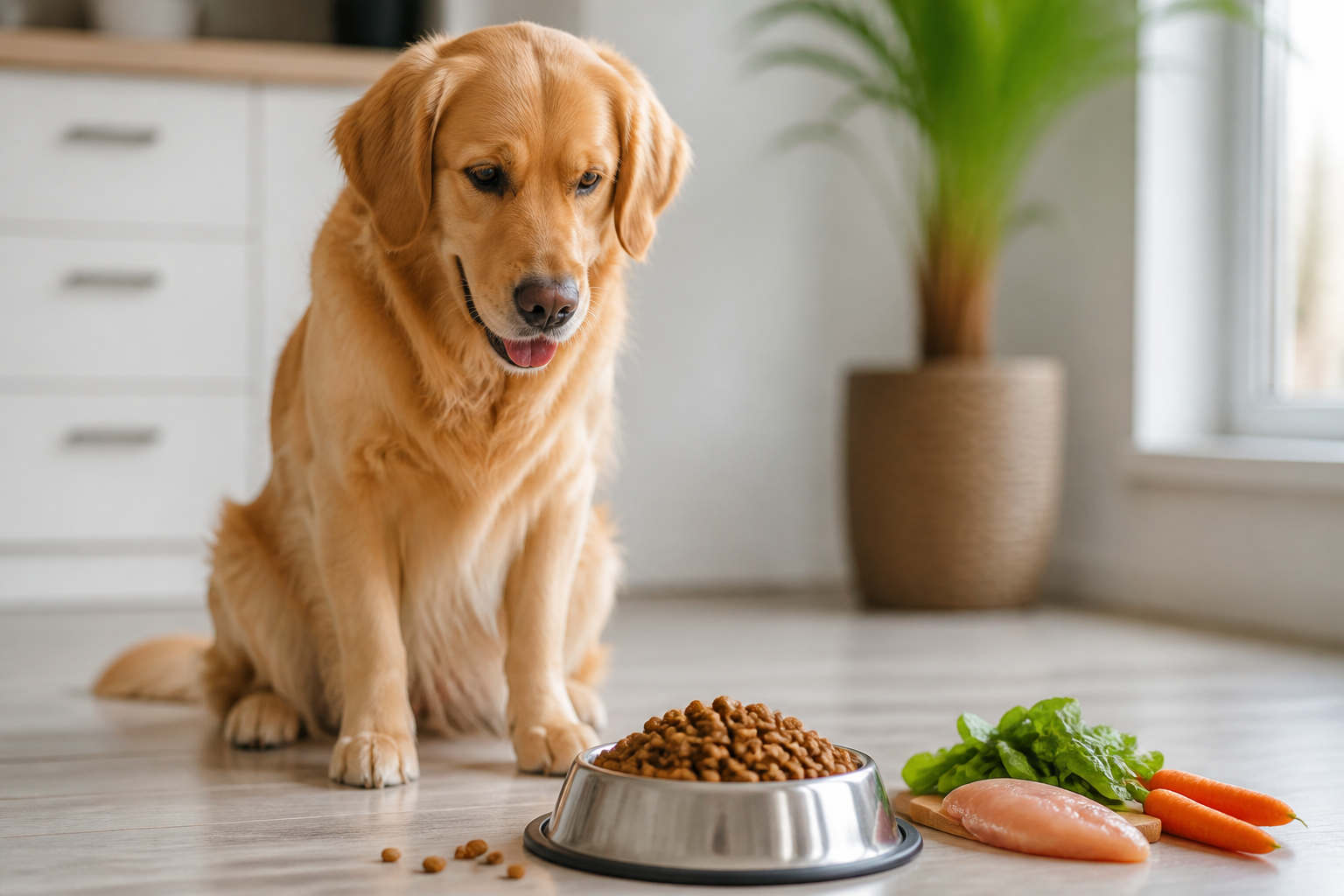
You set the bowl down and your dog takes one look before walking away. Or perhaps they bolt the food so fast you worry about their digestion. Serving dry dog food seems simple, but the way you present that kibble can change your dog's interest in mealtime and their overall physical health. At BaxterBoo, we have spent years helping pet owners find the right balance between convenience and nutrition. This guide covers the best ways to prepare, enhance, and portion dry food to keep your dog satisfied and thriving. Whether you are managing a picky eater or a senior dog with dental needs, the right serving technique makes all the difference. We will explore hydration, safe toppers, and the importance of proper measurement for long term wellness.
Quick Answer: Serve dry dog food by measuring the exact portion with a scale and adding warm water or low-sodium broth to increase hydration. For picky eaters, mix in a small amount of wet food or safe fresh toppers like plain eggs or carrots.
The Importance of Proper Measurement
Many owners use a random coffee mug or a large plastic scoop to serve kibble. This often leads to overfeeding because visual estimates are usually inaccurate. Even an extra quarter cup per day can lead to significant weight gain over a year. Small dogs are especially sensitive to these minor calorie surpluses.
Using a digital kitchen scale is the most accurate way to serve dry food. Most bags list portions in grams alongside cup measurements. Grams provide a precise weight that does not change based on how tightly the kibble settles in a scoop. If you prefer using a cup, ensure it is a standard measuring cup meant for cooking.
Establishing a consistent schedule is also vital. Most adult dogs do well with two meals per day. This prevents the stomach from becoming overextended and helps regulate digestion. Puppies usually require three to four smaller meals to maintain steady energy levels. For more portion guidance, our dry dog food category is a helpful place to compare formulas.
Key Takeaway: Precise measurement with a kitchen scale prevents accidental overfeeding and helps maintain a healthy weight for your dog.
Adding Hydration to the Bowl
Dry dog food typically contains only about 10 percent moisture. In contrast, a natural canine diet would consist of much higher water content. Adding liquid to the bowl is one of the easiest ways to improve the serving.
Warm water is the simplest addition. It softens the kibble and releases the fats and aromas in the food. This makes the meal smell more appealing to your dog. Let the water sit with the food for about five minutes before serving. This allows the kibble to expand before it reaches the stomach.
Low-sodium bone broth is another excellent option. Ensure the broth does not contain onions, garlic, or excessive salt. These ingredients are toxic or harmful to dogs. A splash of broth adds collagen and amino acids to the meal while making the taste more enticing.
If you want feeding tools that support a slower, more comfortable meal, our slow feed bowls are a practical next step.
| Serving Method | Primary Benefit | Best For |
|---|---|---|
| Plain Dry Kibble | Mechanical cleaning of teeth | Healthy adult dogs with no dental issues |
| Water-Soaked Kibble | Increased hydration and easier chewing | Senior dogs and fast eaters |
| Broth-Topped Kibble | Enhanced flavor and aroma | Picky eaters and recovering pets |
| Kibble with Wet Mix-in | Variety in texture and high protein | Dogs needing extra calories or motivation |
Mixing Wet and Dry Food
Mixing wet food into dry kibble is often called "top-dressing" or "hybrid feeding." This method offers the dental benefits of crunchy food with the high palatability of canned options. It is an effective way to encourage a dog to eat their entire meal.
When you mix these textures, you must balance the calories. You cannot simply add a scoop of wet food on top of a full portion of dry food. Consult the feeding guides on both packages to determine the correct ratio. Usually, replacing 25 percent of the dry food with an equivalent caloric amount of wet food is a good starting point. If you want a deeper comparison, our blog post on whether you should feed your dog wet and dry food is a useful companion read.
Stir the wet food thoroughly into the kibble. If you leave it sitting on top, many dogs will lick off the wet food and leave the dry bits behind. Incorporating it creates a coating that makes every bite taste better.
Vet Tip: If your dog has a history of kidney issues or urinary stones, increasing moisture through wet food or water is highly beneficial. Always consult your veterinarian before making major dietary changes for a dog with chronic health conditions.
Safe Human Food Toppers
You can improve a dry food meal with items from your own fridge. Many fresh foods provide antioxidants and fiber that processed kibble might lack. Keep these additions to less than 10 percent of the total daily calories to avoid nutritional imbalances.
Plain scrambled or boiled eggs are a fantastic protein boost. They contain essential fatty acids that support skin and coat health. One egg is roughly 70 calories, so adjust the kibble portion accordingly. For smaller dogs, half an egg is usually plenty.
Fresh vegetables like steamed carrots, green beans, or broccoli add volume without many calories. This is helpful for dogs that always seem hungry. The fiber helps them feel full longer. Avoid any seasonings like butter, salt, or oil when preparing these for your pet.
Blueberries and sliced apples (without seeds) are great fruit options. They provide a sweet crunch and a hit of vitamin C. Just be sure to avoid grapes, raisins, and cherries, as these are dangerous for dogs.
Transitioning to a New Serving Style
If your dog is used to plain dry food, do not change everything at once. A sudden shift in texture or the addition of rich toppers can cause an upset stomach. Use a slow transition over the course of a week.
Step 1: Introduce the new element in a small amount. Add just a tablespoon of water or a tiny piece of a new topper to the regular meal.
Step 2: Monitor for digestive changes. Watch for loose stools or gas over the next 24 hours.
Step 3: Gradually increase the new addition. If the dog handles it well, add a bit more every two days until you reach the desired serving style.
Step 4: Stay consistent. Once you find a method that works, stick with it to keep your dog's digestion stable.
Serving for Senior Dogs and Dental Health
As dogs age, their ability to crunch hard kibble may decrease. Dental disease, missing teeth, or sensitive gums make dry food difficult to eat. If you notice your senior dog dropping pieces of food or eating more slowly, it is time to adjust.
Soaking the food until it reaches a mash-like consistency is very helpful for older pets. You can use warm water or a warm broth to create a soft texture that requires no chewing. This also ensures they stay hydrated, which is critical for senior organ function.
If your dog has specific health needs, they may require a prescription diet. Our pet pharmacy carries prescription pet foods through our partnership with Pet's Choice. These diets are formulated for specific conditions like joint support, kidney care, or weight management. Serving these foods correctly often involves strict portioning and avoiding outside toppers that might interfere with the clinical nutrition.
Key Takeaway: Senior dogs benefit from softened food and specific nutritional profiles. A transition to a prescription diet should always be managed with professional guidance.
Enrichment and Slow Feeding
How you serve the food is just as important as what is in the bowl. Many dogs gulp their food in seconds. This can lead to indigestion or a dangerous condition called bloat. Slowing down the eating process is better for their physical health and provides mental stimulation.
Slow feeder bowls have ridges and puzzles that force the dog to use their tongue to navigate the kibble. This can turn a thirty-second meal into a ten-minute activity. Snuffle mats are another great tool. You hide the dry food in fabric strips, and the dog must use their nose to find the pieces. For more inspiration, our dog bowls and feeders with digestive health options can help you match the right mealtime setup to your dog's pace.
Using kibble for training sessions is another serving method. Instead of putting the whole meal in a bowl, use it as rewards for practicing sits, stays, or new tricks. This builds a stronger bond and makes the dog work for their calories. It is especially useful for high-energy breeds that need a job to do.
Storage and Freshness
Dry food can go rancid if not stored properly. Once a bag is opened, the fats in the food begin to oxidize when exposed to air. Serving "stale" food can lead to a refusal to eat or even mild stomach upset.
Keep the kibble in its original bag. These bags are designed to keep moisture out and nutrients in. Place the entire bag inside an airtight plastic or metal container. This provides a double layer of protection against pests and air. If you want a closer look at food freshness, our blog post on how long dry dog food lasts for peak freshness is worth a read.
Avoid buying bags that are too large for your dog to finish within six weeks. Even in a sealed container, the nutritional value starts to decline after a month and a half. If you have a small dog, buying smaller bags more frequently is better than getting a giant bag that lasts for months.
Bottom line: Proper storage in the original bag inside an airtight container keeps dry food fresh and palatable for your dog.
Troubleshooting Picky Eaters
If your dog refuses dry food even after you have added water or toppers, it is time to investigate. Sometimes the issue is not the food itself but the environment. Ensure the bowl is in a quiet place where the dog feels safe from distractions or other pets.
Check the age of the food. If the bag has been open for a long time, the smell might have faded. Dogs rely heavily on scent to enjoy their meals. You can try "blooming" the food by microwaving the portion for five to ten seconds. This warms the fats and makes the smell much stronger. Be careful to check for hot spots before serving. For more help with mealtime frustration, our blog post on what dry dog food is best for picky eaters offers a useful next step.
If the refusal is sudden and accompanied by lethargy or vomiting, stop the toppers and call your vet. A lack of appetite can be a symptom of many underlying health issues. A veterinarian can determine if the problem is behavioral or medical.
Managing Weight Through Serving Habits
Obesity is a common problem for dogs on dry food diets because the food is so calorie dense. It is very easy to provide too much energy in a small volume. If your dog needs to lose weight, you can change how you serve their meals to help them feel more satisfied.
Adding "volume fillers" like canned pumpkin (not pie filling) or green beans allows the dog to eat a larger amount of food without the extra calories. This stretches the stomach and signals to the brain that the meal is over. If you are fine-tuning daily portions, our blog post on how much dry dog food to feed a puppy can help with the basics of measuring and scheduling.
We recommend the Autoship programme for consistent weight management. This ensures you never run out of the specific formula your dog needs and keeps you on a regular feeding schedule. Regularity is a major factor in maintaining a healthy metabolic rate.
Vet Tip: Always weigh your dog regularly. If you cannot feel their ribs easily, they may be carrying extra weight. Your vet can help you calculate the exact calorie count needed for safe weight loss.
Summary of Best Practices
Serving dry dog food effectively requires a mix of precision and creativity. Start with a solid foundation of accurate measurement and high-quality storage. From there, you can tailor the meal to your dog's specific preferences and health requirements.
- Use a scale for the most accurate portions.
- Add warm water or broth to boost hydration and aroma.
- Mix wet and dry food thoroughly to prevent "picky" sorting.
- Use slow feeders or training sessions for mental enrichment.
- Keep kibble in the original bag to maintain freshness.
By paying attention to these details, you transform a basic chore into a tool for better health. Your dog will appreciate the variety, and you will enjoy the peace of mind that comes with knowing they are getting exactly what they need. At BaxterBoo, we are here to help you navigate every stage of your pet's nutritional journey. Whether you need a new slow feeder, a specific topper, or prescription support through our dog healthcare category, we have the resources to help your dog thrive.
FAQ
Can I leave dry dog food out all day?
Free feeding, or leaving food out constantly, is generally not recommended by experts. It makes it difficult to track how much your dog is eating and can lead to obesity or pest problems. Scheduled mealtimes help regulate digestion and allow you to notice immediately if your dog loses their appetite. If you add water or wet toppers, you must pick up the bowl after 30 minutes to prevent bacterial growth.
Is it okay to put milk on dry dog food?
While some dogs can handle small amounts of milk, many are lactose intolerant. Adding milk can cause diarrhea, gas, or an upset stomach. If you want to add liquid, warm water or low-sodium meat broth is a much safer and healthier choice. If you want a creamy texture, a small dollop of plain, unsweetened Greek yogurt is usually better tolerated than liquid milk.
Should I change my dog's food brand frequently?
Dogs do not necessarily need a different brand every month, and sudden changes can cause significant digestive distress. However, some owners practice "rotational feeding" within the same brand to provide a variety of proteins. If you decide to switch brands, always do so gradually over seven to ten days. This gives the beneficial bacteria in your dog's gut time to adapt to the new ingredients.
How do I know if my dry dog food has gone bad?
The first sign of spoiled kibble is usually a sour or metallic smell, which indicates the fats have gone rancid. You might also notice a dusty or oily film on the pieces that was not there before. If your dog, who usually loves their food, suddenly refuses to eat from a new or old bag, trust their nose. Check the expiration date on the bag and look for any signs of mold or insects inside the container.
For more shopping value, you can also explore our MVP Rewards programme when you are ready to make your next pet purchase.






