
 Save 15% on your 1st Autoship learn more

 Email us
 Live Chat
 FAQs
FAQs





Introduction
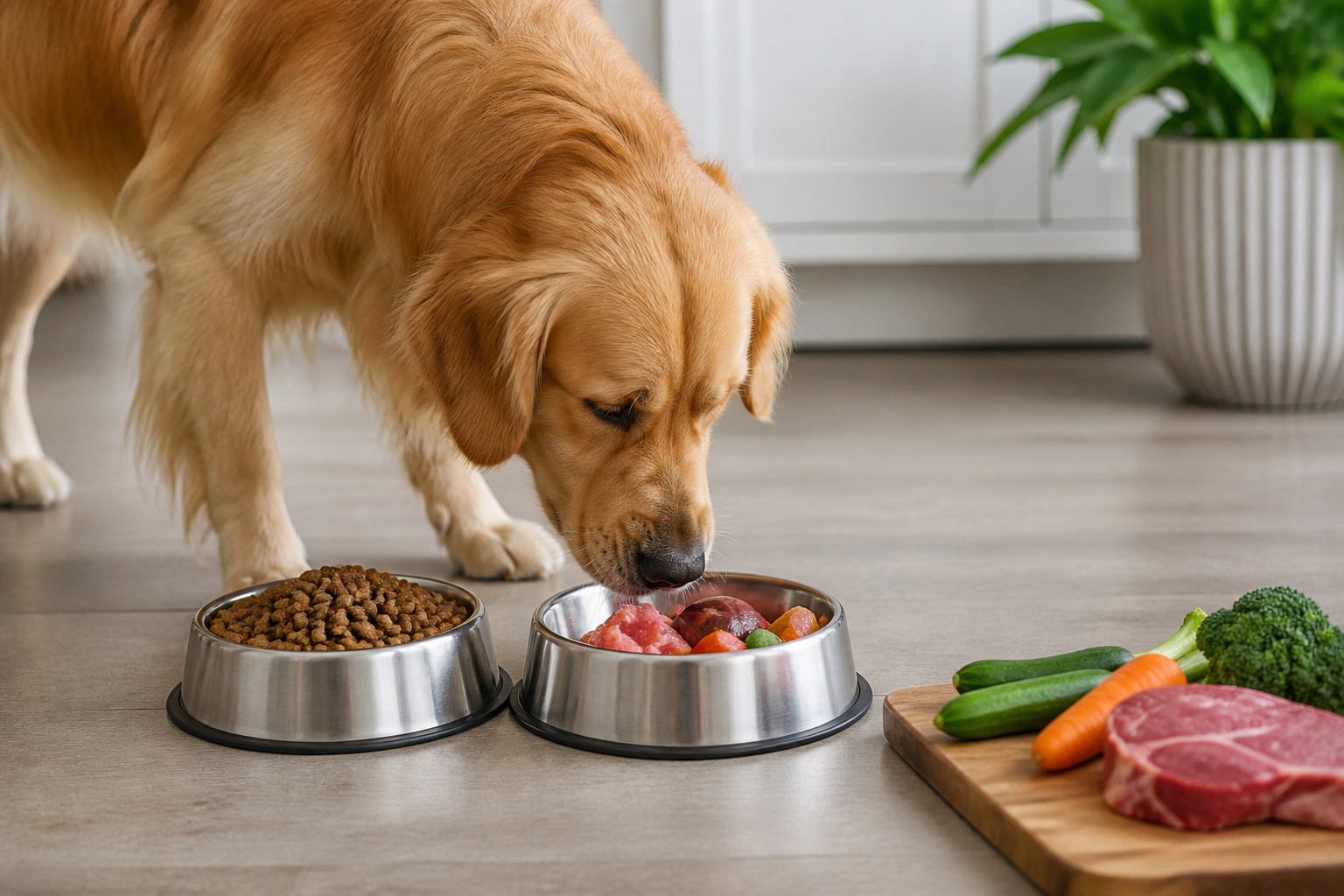
Standing in front of the pet food aisle can feel overwhelming when you are considering a major change for your dog. You might be watching your dog skip their morning kibble or noticing a dull coat and wondering if a fresh approach could help. At BaxterBoo, we talk to pet owners every day who want to move away from highly processed pellets toward a diet that looks like real food. Switching from dry dog food to raw is a significant step that requires a bit of strategy to keep your dog comfortable. This article covers the different methods of transitioning, how to manage the adjustment period, and the safety steps you need to take. By following a structured plan, you can help your dog enjoy the benefits of a raw diet without the digestive drama.
Quick Answer: Most dogs do best with a gradual 10 to 14 day transition. Start by mixing 25 percent raw food with 75 percent kibble and slowly increase the raw portion as long as your dog's stool remains firm.
Why Consider the Move to Raw Food
Dry kibble is a convenient staple for many households, but it is often cooked at high temperatures. This process can reduce the natural enzymes and nutrients found in fresh ingredients. Raw food aims to provide nutrition in a form that is easier for a dog's body to recognize and use. When you make the switch, you are often cutting out fillers like corn, wheat, and soy that can contribute to inflammation or allergies.
The most immediate change many owners see is in the backyard. Raw food is highly digestible, which means the body uses more of it and creates less waste. You can expect smaller, firmer, and less odorous stools. Beyond the cleanup, a raw diet provides natural moisture. This is especially helpful for dogs that do not drink enough water on their own. For more feeding options, explore our dog food category.
Choosing Your Transition Method
There are two main ways to handle the switch: the gradual method and the instant method. Most experts recommend the gradual approach because it gives the gut microbiome time to adjust. A dog that has eaten dry food for years has a digestive system tuned for starches and processed proteins. Moving too fast can result in a "colonic shock" that leads to temporary diarrhea or gas.
The Gradual Transition
This is the safest route for senior dogs, puppies, or any pet with a history of a sensitive stomach. You slowly decrease the kibble while increasing the raw food over one to two weeks. This allows you to monitor your dog's reaction every step of the way. If the stool gets soft, you simply stay at the current ratio for a few extra days before increasing the raw portion again. Dogs with digestive sensitivities may also benefit from reading our guide to affordable diets for sensitive stomachs.
The Instant Transition
Some owners prefer the "cold turkey" method. This involves fasting the dog for 12 to 24 hours to clear the digestive tract and then starting with a full raw meal. This is generally only recommended for young, healthy dogs with very resilient stomachs. It is also a common choice if a dog is refusing their current kibble entirely due to a sudden intolerance.
Vet Tip: If your dog has a chronic health condition like kidney disease or pancreatitis, consult your veterinarian before starting a raw diet. Our pharmacy carries prescription diets through our partnership with Pet's Choice if your vet recommends a specific medical formulation instead of a standard raw diet.
The 14 Day Transition Schedule
If you have decided on a gradual move, a 14 day window is usually the sweet spot. This timeline provides enough flexibility to slow down if your dog needs more time. Always use a scale or a measuring cup to ensure you are not overfeeding during the transition. For another perspective on changing a dog’s diet, read our guide to switching from dry to wet dog food.
Days 1 to 3: The Introduction
Start with 25 percent raw food and 75 percent of their old dry food. At this stage, you are just introducing the new proteins and enzymes to the gut. Watch for any signs of extreme gas or lethargy. It is normal for a dog to be a little extra excited about their bowl during these days.
Days 4 to 7: The Halfway Mark
Move to a 50/50 split. By now, your dog's digestive system should be producing the necessary enzymes to handle the raw meat. If the stools are still firm, you are on the right track. If things are looking a bit loose, go back to the 25 percent raw mix for two more days.
Days 8 to 11: The Final Stretch
Shift the ratio to 75 percent raw food and 25 percent kibble. Most of the heavy lifting for the digestive system is done at this point. You may notice your dog is drinking slightly less water from their bowl because they are getting more moisture from the meat.
Day 12 and Beyond: 100 Percent Raw
You have officially made the switch. At this point, your dog’s system is fully adjusted to the nutrient density of the raw diet. You can now start thinking about rotating proteins to ensure a wide range of amino acids and minerals.
Key Takeaway: Success depends on the stool. Never increase the amount of raw food if your dog is currently experiencing loose stools or digestive upset.
Starting with Freeze-Dried Raw
If the idea of handling raw frozen meat is intimidating, freeze-dried raw is an excellent bridge. Brands like Stella and Chewy's or Northwest Naturals offer freeze-dried nuggets that look similar to kibble but contain raw nutrition. You can browse our selection of Stella & Chewy's raw food or our Northwest Naturals products when comparing options.
You can use freeze-dried pieces as high-value treats during the first week of your transition. This gets your dog used to the flavor and the different nutrient profile. When you are ready for full meals, you simply rehydrate the nuggets with warm water or bone broth. This provides the moisture of a frozen diet with the shelf-stable convenience of a bag of dry food. For more preparation ideas, see our freeze-dried dog food feeding guide.
Safe Handling and Preparation
Transitioning to raw means you are now handling raw meat in your kitchen. This requires the same level of care you would use when preparing a chicken dinner for your family. Bacteria like Salmonella or E. coli are a concern for humans even if a dog’s acidic stomach can handle them. For additional guidance, review our tips for feeding freeze-dried dog food.
- Use stainless steel or glass bowls. Plastic bowls can develop tiny scratches that harbor bacteria over time.
- Thaw frozen raw food in the refrigerator. Never leave it out on the counter to thaw at room temperature.
- Wash your hands, counters, and all utensils with hot, soapy water immediately after feeding.
- Pick up any uneaten food after 20 minutes. Raw food cannot sit out in the bowl all day like kibble.
Step 1: Portions / Pre-portion your frozen raw into daily containers while it is still semi-frozen. This makes it easy to grab exactly what you need for the next day.
Step 2: Thawing / Place the next day's portion in the fridge 24 hours before feeding. This ensures it is the right consistency and temperature for your dog.
Managing Picky Eaters
Not every dog dives into a bowl of raw food immediately. Some dogs are addicted to the flavor enhancers and high salt content found in processed kibble. If your dog is sniffing the bowl and walking away, you might need to use a few tricks to help them understand that this is food.
Texture is often the biggest hurdle. A dog used to the "crunch" of kibble might find the "squish" of raw meat strange. You can try mashing the raw food into a pate or even lightly searing the outside of the meat in a pan for the first few days. This brings out the aroma and makes the transition feel more familiar.
Adding a topper can also bridge the gap. A splash of raw goat milk or a bit of salmon oil can make the meal irresistible. These toppers also provide an extra boost of probiotics and healthy fats. We see many owners find success by hand-feeding a few small bites of raw food before putting the bowl down. This creates a positive association and builds trust.
Understanding the Adjustment Period
As your dog moves away from dry food, their body goes through an adjustment period. Some people call this a "detox," but it is really just the body recalibrating to a new nutrient density. You might see a few physical changes that seem alarming but are usually quite normal.
One common change is a temporary increase in ear wax or a slight change in coat oils. This usually clears up within a few weeks as the skin and immune system balance out. You might also notice that your dog seems hungrier. Kibble is full of fiber and fillers that create a feeling of fullness. Raw food is more concentrated, so it leaves the stomach faster. This hunger usually levels off once the dog's body gets used to the higher protein and fat content.
Bottom line: Temporary changes in energy or skin are common during the first month, but persistent vomiting or refusal to eat requires a vet visit.
Support for Sensitive Stomachs
Some dogs have a harder time with the enzymatic shift required for raw feeding. If your dog has struggled with food changes in the past, consider adding a digestive enzyme or a probiotic supplement. Products like Optagest or Zesty Paws can help break down the new proteins while the gut builds up its own beneficial bacteria.
In some cases, a dog might have an underlying allergy or a medical condition that makes a standard raw diet difficult. If you notice persistent issues, our pet pharmacy offers a wide selection of prescription medications and specialized diets. Working with your vet and using the BaxterBoo pharmacy can help you manage these chronic needs while still providing high-quality nutrition.
Maintaining the Raw Routine
Once you have successfully switched to raw, the goal is long-term balance. You do not need to provide every single nutrient in every single meal, but you should aim for "balance over time." This means rotating your protein sources every few weeks. If you start with beef, switch to turkey or lamb for the next bag.
To make this easier, consider using a program like our Autoship programme. This ensures you never run out of food and can often save you money on your recurring orders. Managing a raw diet is a commitment to your dog's long-term health, and having a reliable delivery schedule takes the stress out of the process.
Safe Storage and Bulk Buying
Raw food takes up a lot of room. If you have a large dog, you might find that your main freezer is quickly filled with dog food. Many raw feeders eventually invest in a small chest freezer to take advantage of bulk buying. Brands like Northwest Naturals often offer larger "chubs" or bulk boxes that are more economical than individual patties.
When buying in bulk, make sure you have a plan for safe storage. Food should stay frozen at zero degrees Fahrenheit until it is moved to the fridge for thawing. Label everything with the date you bought it so you can practice a "first in, first out" rotation. This keeps the food fresh and ensures your dog is getting the best possible nutrition.
Final Encouragement
Switching from dry dog food to raw is one of the most impactful choices you can make for your pet's wellness. While the first few weeks require more attention to detail and a bit of a learning curve, the results often speak for themselves. From brighter eyes to smaller poops, the benefits of fresh, species-appropriate nutrition are worth the effort.
We are here to help you through every stage of your pet's life. Whether you are looking for freeze-dried toppers to start the journey or need to visit our pharmacy for ongoing health support, we have the expertise to guide you. Take it slow, watch your dog's signals, and enjoy the process of seeing your dog thrive on a fresh diet.
Key Takeaway: A successful transition is a marathon, not a sprint. Patience during the first 14 days leads to years of better health.
FAQ
Can I mix kibble and raw food in the same bowl?
Yes, you can mix them during the transition period to help your dog adjust. While some believe they digest at different rates, most healthy dogs handle the combination just fine for the short duration of a 14 day switch. If your dog has an extremely sensitive stomach, you can try feeding kibble in the morning and raw in the evening instead.
How do I know if the raw food is balanced?
Look for products that are labeled as "Complete and Balanced" or meet AAFCO standards for your dog's life stage. These formulations include the correct ratios of meat, organ, and bone, along with necessary vitamins and minerals. If you are making your own raw food at home, you must work closely with a veterinary nutritionist to ensure no gaps in nutrition.
What should I do if my dog gets diarrhea during the switch?
If the diarrhea is mild, go back to the previous ratio of kibble to raw where their stool was firm and stay there for a few days. If the diarrhea is severe, bloody, or accompanied by vomiting, stop the new food and contact your veterinarian immediately. You may need to use a bland diet or a probiotic supplement to help their system recover before trying again.
Is raw food safe for small breeds or senior dogs?
Raw food is safe for dogs of all sizes and ages, but the approach should be tailored to their needs. Small breeds may prefer smaller nuggets or a pate consistency to make chewing easier. Senior dogs often benefit from the natural moisture and joint-supporting nutrients in raw food, but they may need a longer transition period of three to four weeks to allow their older digestive systems to adapt.






