
 Save 15% on your 1st Autoship learn more

 Email us
 Live Chat
 FAQs
FAQs





Introduction
You are standing in the pet food aisle or scrolling through pages of options. You see bags of food that look more like jerky than the round brown pebbles of traditional kibble. These bags often carry labels about "air dried" nutrition. You might wonder if this is just another expensive trend or if it actually offers better health for your dog. Choosing the right food is one of the most important decisions you make for your pet. At BaxterBoo, we see many owners looking for a middle ground between the convenience of dry kibble and the nutritional punch of a raw diet. This article explores the science behind the air drying process. We will look at the benefits for picky eaters and seniors. We will also discuss the potential downsides like cost and low moisture. Our goal is to help you decide if this premium feeding style fits your dog and your budget.
What Exactly Is Air Dried Dog Food?
Air dried dog food is a unique category that sits between kibble and raw diets. Most dog foods are made through a process called extrusion. This involves grinding ingredients into a paste and cooking them quickly under very high heat and pressure. While extrusion is efficient, the intense heat can destroy sensitive vitamins and natural enzymes. Manufacturers often have to spray synthetic nutrients back onto the kibble after it cools to meet nutritional standards.
The air drying process works differently. It uses a low and slow approach to remove moisture. Manufacturers place raw ingredients like meat, organs, and vegetables into a drying chamber. Warm air circulates around the food for several hours or even days. This gentle process allows moisture to evaporate slowly without reaching the high temperatures of an oven or an extruder. The result is a food that is shelf stable like kibble but retains the nutritional integrity of raw ingredients.
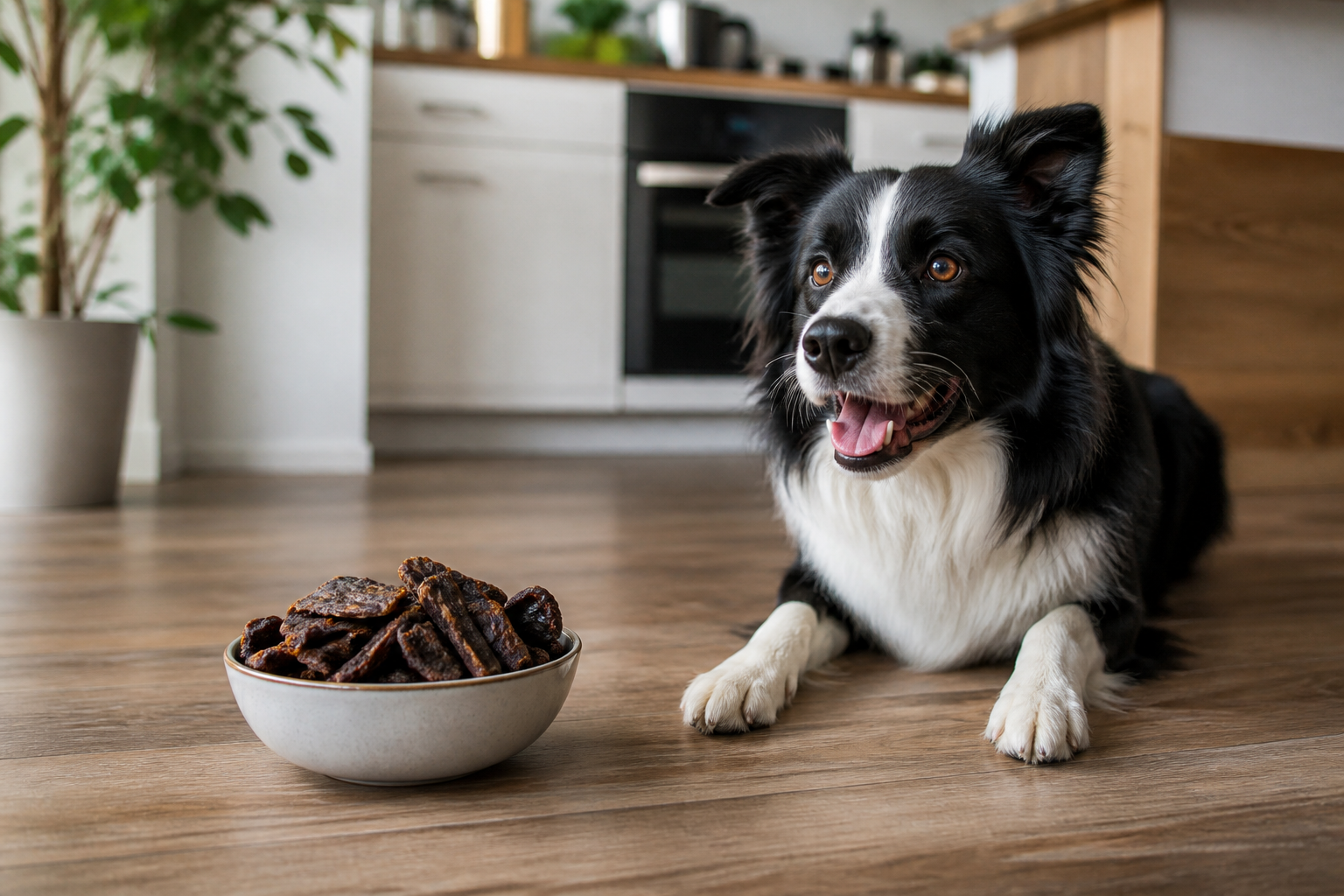
The texture of air dried food is distinct. It usually feels like small, pliable pieces of jerky. Unlike some other premium foods, it does not require you to add water before serving. You can scoop it directly from the bag into the bowl. This makes it a popular choice for people who want high quality nutrition without the mess of raw food or the prep time of dehydrated options. You can compare available options in our air-dried dog food collection.
Quick Answer: Air dried dog food is a minimally processed option made by slowly evaporating moisture at low temperatures. It provides the nutritional benefits of raw food with the shelf stable convenience of kibble.
The Nutritional Benefits of Minimal Processing
The main reason owners choose air dried food is the nutrient density. Because the food is not subjected to extreme heat, the natural vitamins and minerals found in the ingredients stay intact. This is especially important for heat sensitive nutrients like Vitamin A and Vitamin E. When a dog eats whole food nutrients, their body can often absorb them more effectively than synthetic versions.
Air dried foods are also highly bioavailable. This means your dog can easily break down the proteins and fats to use them for energy and muscle repair. Many air dried brands we carry, such as Ziwi Peak and Stella and Chewy's, use very high percentages of meat and organ tissue. These ingredients provide natural sources of iron, taurine, and amino acids. You will often notice that the ingredient lists are much shorter than those on a bag of standard kibble.
Another benefit involves the natural enzymes found in raw meat. These enzymes help with digestion and gut health. Since air drying keeps these enzymes active, many dogs experience less gas and firmer stools. This is a common sign that the body is processing the food efficiently rather than just passing fillers through the system.
Key Takeaway: Air dried food retains more natural enzymes and vitamins than kibble because it avoids high heat processing.
Is It Better Than Traditional Kibble?
The debate between kibble and air dried food often comes down to the quality of ingredients versus the cost. Kibble is designed for affordability and ease of use. It relies on starches like corn, wheat, or potatoes to hold the pieces together. While these starches are not necessarily bad, they are often used as fillers that provide calories without much nutritional value. You can compare different formats and recipes in our dog food category.
Air dried food rarely uses these heavy starches. The low moisture and slow drying process naturally preserve the food. This means your dog is getting more "real" food in every bite. Because it is so concentrated, you usually feed much less air dried food than you would kibble. A small scoop of air dried meat can provide the same caloric value as a large cup of grain heavy dry food.
However, kibble does have one advantage in the dental department. The hard, crunchy texture of some kibbles can help scrape away a small amount of plaque. Air dried food is softer and may not provide that same mechanical cleaning. If you switch to a softer food, you should be more diligent about your dog's dental care routine.
Vet Tip: If you switch from kibble to air dried food, continue to monitor your dog's dental health and use regular brushing or dental treats.
Potential Drawbacks and Considerations
While air dried food is excellent for nutrition, it is not perfect for every situation. The most obvious factor is the price. Because it uses high quality meats and a slow production process, it costs significantly more than standard dry food. It is a premium product designed for owners who prioritize ingredient quality over a low price point.
Another concern is hydration. Air drying removes most of the water from the ingredients to make them shelf stable. Dogs that eat a strictly dry diet need to drink plenty of water to stay hydrated. If you have a dog with a history of urinary tract issues or kidney concerns, a low moisture diet might not be the best primary choice. In these cases, we often recommend adding a little warm water or bone broth to the bowl to boost moisture intake.
The calorie density can also be a challenge for some owners. It is very easy to overfeed air dried food because the portions look so small. If you are used to filling a large bowl with kibble, the correct portion of air dried food might look like a snack. Overfeeding can quickly lead to weight gain, which puts stress on a dog's joints and heart.
- High cost per bag compared to traditional kibble.
- Low moisture content requires extra attention to water intake.
- Small portion sizes make it easy to accidentally overfeed.
- The soft texture provides less dental scraping than hard kibble.
Air Dried vs. Dehydrated vs. Freeze Dried
It is easy to get these three categories confused because they all involve removing water. However, the methods and results are different. Understanding these differences helps you choose the right texture and prep level for your lifestyle. For another look at minimally processed food formats, read our guide to feeding freeze-dried dog food.
Dehydrated food uses heat and air circulation but often at slightly higher temperatures than air drying. The goal is to make the food very dry and lightweight. Most dehydrated foods require you to mix them with warm water and let them sit for a few minutes before serving. This creates a mash or a wet food consistency. It is great for hydration but requires more prep time.
Freeze dried food is different because it starts by freezing the ingredients. A vacuum then removes the ice through a process called sublimation. This preserves the structure of the food perfectly but makes it very brittle. Like dehydrated food, freeze dried options usually need to be rehydrated.
Air dried food is the only one of the three that stays pliable and ready to eat without adding water. It retains a bit more of its natural weight and oils. This makes it the most convenient of the premium "dry" formats. It works well as a full meal, a high value training treat, or a topper to entice a picky eater.
Is Air Dried Food Safe for Your Dog?
Safety is a common question when discussing minimally processed foods. Since the food is not "cooked" in the traditional sense, some people worry about bacteria like Salmonella or Listeria. Most premium air dried brands use high quality sourcing and strict testing to mitigate these risks. The drying process itself helps inhibit bacterial growth by removing the moisture that microbes need to survive.
Some brands also use a process called High Pressure Processing (HPP) before drying. This involves using extreme pressure to kill pathogens without using heat. This keeps the food safe for both the dog and the people handling the food. However, no raw or minimally processed food is 100 percent risk free. If you have a household with small children or immunocompromised adults, you should handle air dried food with the same care you would use for raw meat.
You must also check for an AAFCO statement on the bag. This ensures the food is "complete and balanced" for your dog's specific life stage. Some air dried products are sold only as "toppers" or "mixers." These are not meant to be the sole source of nutrition because they might lack certain vitamins or minerals. Always ensure the bag says it is intended for maintenance or all life stages.
Specific Benefits for Seniors and Picky Eaters
If you have a dog that has suddenly become bored with their bowl, air dried food can be a helpful solution. The slow drying process concentrates the natural aromas and flavors of the meat. Most dogs find the smell and taste much more appealing than processed kibble. We often suggest using it as a topper to encourage a picky eater to finish their regular meal. For more ideas, see our practical guide to dry dog food for picky eaters.
Senior dogs can also benefit from this diet. As dogs age, their sense of smell often declines, making them less interested in food. The strong scent of air dried meat can stimulate their appetite. Additionally, the softer texture is much easier for older dogs with missing teeth or sensitive gums to chew. Our guide on choosing dog food for senior pets offers more ideas for comparing senior-friendly options.
For seniors with joint issues, the high protein and natural fats in air dried food can support muscle mass and skin health. However, you should always consult your veterinarian before making a major change for an older dog. Senior pets often have underlying health needs that require specific nutrient balances.
Key Takeaway: The intense natural flavor and soft texture make air dried food an ideal choice for senior dogs and picky eaters.
When to Choose a Pharmacy Option Instead
Sometimes, even the highest quality commercial food is not enough to manage a specific health condition. If your dog suffers from chronic kidney disease, severe food allergies, or heart issues, a specialized diet is often necessary. These conditions usually require precise levels of sodium, phosphorus, or hydrolyzed proteins that standard air dried foods do not provide.
Our pet pharmacy at BaxterBoo offers a range of FDA approved prescription diets through our partnership with Pet's Choice. Brands like Farmina Vet Life and Royal Canin create formulas specifically designed to manage medical conditions. These foods require a prescription from your veterinarian because they are formulated to treat or support a specific illness.
If your vet suggests a prescription diet, you can easily fulfill that need through our online pharmacy. We handle the verification with your vet so you can have the food delivered directly to your door. This is a practical next step for owners who find that "premium" store bought food is not quite meeting their dog's complex medical needs.
Vet Tip: Before switching to a premium air dried food to solve a health issue, talk to your vet. A prescription diet from a pharmacy may be required for chronic conditions.
How to Transition Your Dog to Air Dried Food
You should never switch your dog's food overnight. Their digestive systems are sensitive to sudden changes in protein levels and fat content. Air dried food is much richer than kibble, so moving too fast can cause an upset stomach or diarrhea. Follow a slow transition over at least seven to ten days. Our guide to switching from dry to wet dog food also explains why gradual changes matter.
Step 1: Mix the foods. / Start by adding about 25 percent air dried food to 75 percent of the old food for three days.
Step 2: Increase the ratio. / Move to a 50/50 mix for the next three days and watch for any changes in your dog's stool.
Step 3: Finish the switch. / If your dog is doing well, move to 75 percent air dried food for two days before switching completely.
During this time, pay close attention to your dog's energy levels. You should also ensure they are drinking plenty of water. If you notice any persistent vomiting or loose stools, stop the transition and consult your veterinarian. They can help determine if the new food is too rich or if your dog has a specific sensitivity to one of the ingredients.
Is Air Dried Food Worth the Cost?
Whether air dried food is "good" for your dog often depends on your goals and your budget. If you want a food that is as close to raw as possible without the hassle of a freezer, it is an excellent choice. The high nutrient density means you are paying for actual nutrition rather than fillers. Many owners find that the improved coat quality and energy levels make the higher price worth it.
If the cost of a full air dried diet is too high, you can still provide the benefits by using it as a topper. Replacing just 25 percent of your dog's kibble with an air dried option can improve the flavor and nutrient profile of their bowl. This is a value conscious way to upgrade their nutrition without breaking the bank.
At BaxterBoo, we curate our selection to include brands that prioritize ethical sourcing and high quality ingredients. We believe that every dog deserves good nutrition, whether that comes from a premium air dried bag or a specialized prescription diet. By understanding the pros and cons, you can make an informed choice that supports your dog's long term wellness.
Bottom line: Air dried food offers superior nutrition and convenience but requires careful portion control and a larger budget.
FAQ
Is air dried dog food better than kibble?
Air dried food is generally more nutrient dense and less processed than kibble, which uses high heat extrusion. It retains more natural enzymes and vitamins, making it more similar to a raw diet. However, kibble is more affordable and has a harder texture that can help with dental cleaning. The better choice depends on your dog's specific health needs and your household budget.
Can I feed my dog only air dried food?
Yes, as long as the bag features an AAFCO statement saying it is complete and balanced for your dog's life stage. Some air dried products are only meant as toppers or treats, so you must read the label carefully. Because it is very calorie dense, you must follow the feeding guidelines to avoid causing weight gain. Always ensure your dog has constant access to fresh water since this food has a low moisture content.
Do I need to add water to air dried dog food?
You do not need to add water because air dried food is designed to be eaten straight from the bag. It is different from dehydrated or freeze dried foods that often require rehydration. However, adding a bit of warm water or bone broth can be helpful for dogs that do not drink enough on their own. It can also make the food even more aromatic and appealing for picky eaters.
Is air dried food safe from bacteria?
Most reputable brands use high quality meat and safety processes like High Pressure Processing to kill pathogens without heat. The low moisture environment created by air drying also makes it difficult for bacteria to grow. While it is safer than many raw diets, you should still wash your hands and your dog's bowl after feeding. If your dog or anyone in your home is immunocompromised, talk to your vet about the safest feeding options.






