
 Save 15% on your 1st Autoship learn more

 Email us
 Live Chat
 FAQs
FAQs





Introduction
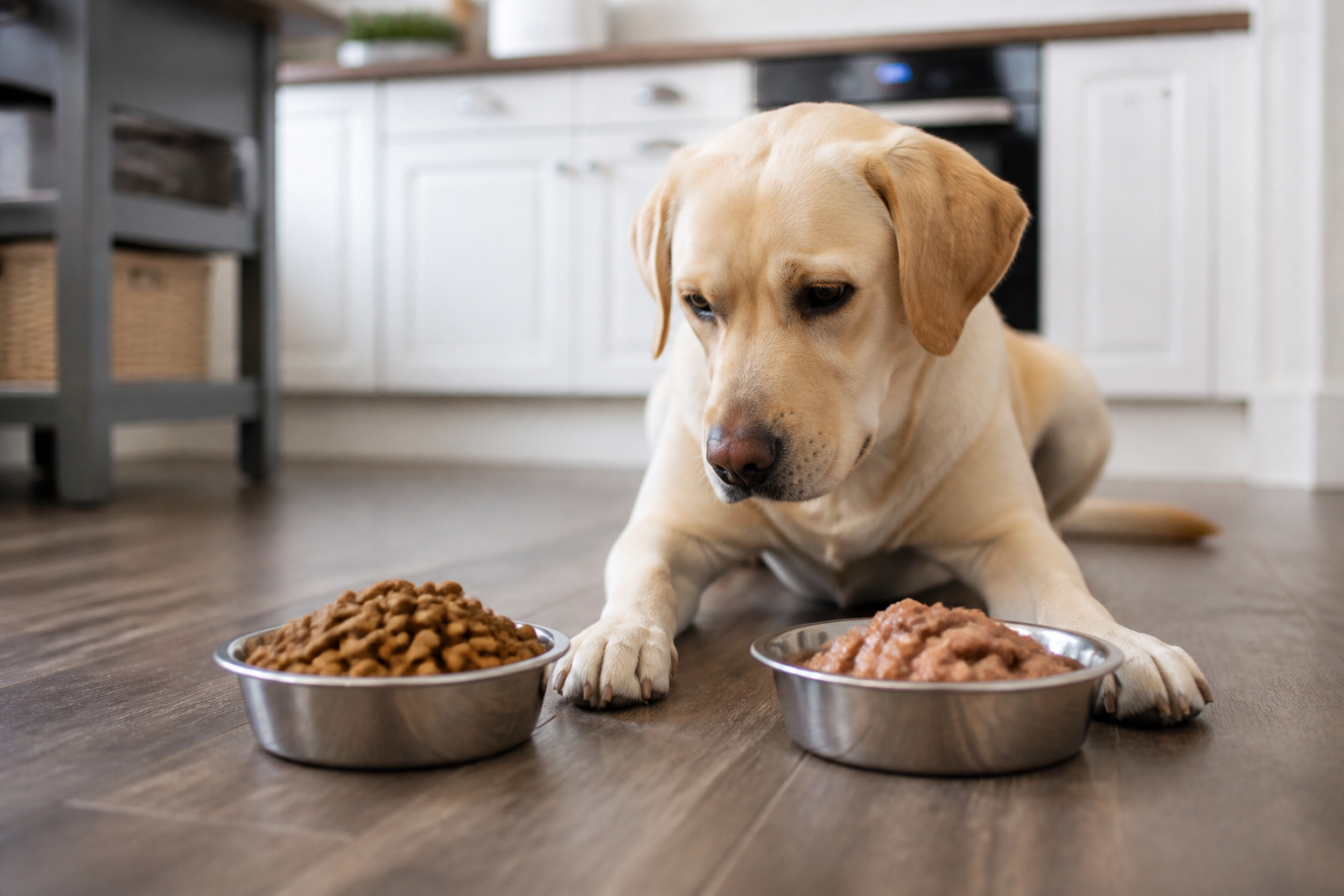
You are standing in the pet food aisle or scrolling through dozens of online options. Your dog is waiting at home for their next meal. You see rows of colorful bags filled with crunchy kibble. Next to them are stacks of cans containing savory stews and pates. It is easy to feel overwhelmed by the choices. At BaxterBoo, we know that every dog has unique nutritional needs. We have helped thousands of owners find the right balance for their pets since 2006. This guide will break down the pros and cons of both formats. You will learn which option fits your lifestyle and your dog's health requirements. The best choice often depends on your dog's age, dental health, and hydration levels.
Understanding the Moisture Gap
The most obvious difference between canned and dry food is water content. Dry kibble usually contains about 10 percent moisture. Canned food often contains between 75 and 78 percent moisture. This is a massive gap that affects more than just texture. It changes how your dog stays hydrated throughout the day.
Some dogs are naturally poor drinkers. If your dog rarely visits the water bowl, canned food provides a built-in hydration boost. This is particularly helpful for dogs with a history of urinary tract or kidney issues. Proper hydration supports healthy kidney function and helps flush out toxins. For these dogs, the extra water in every bite is a simple way to manage their health.
Quick Answer: Neither food is universally better, as both provide complete and balanced nutrition. Dry food offers convenience and cost-effectiveness, while canned food provides superior hydration and palatability for picky eaters.
The Case for Dry Kibble
Dry food is the foundation of many dog diets for several practical reasons. It is generally the most cost-effective way to feed a dog. This is especially true for large breeds that require several cups of food per day. Kibble is also incredibly convenient for busy households.
You can measure it out and leave it in the bowl without worrying about it spoiling immediately. It is an ideal choice for dogs that prefer to graze on small amounts of food all day long. Because it is shelf-stable, you can buy larger bags and store them easily. This makes it a great choice for owners who want to maximize their budget without sacrificing quality. You can compare options in our dog food collection.
Dental and Cognitive Benefits
The crunchy texture of kibble can help manage dental health. Some dry foods are specifically designed to scrub away tartar as the dog bites down. While it does not replace regular tooth brushing, it can be a helpful tool in a broader dental care routine. Keeping teeth clean is vital for preventing gum disease and other systemic health issues.
Kibble also works perfectly in food puzzles and enrichment toys. You can hide pieces of dry food inside a rubber toy or a snuffle mat. This forces your dog to use their brain to get their meal. It provides mental stimulation that a bowl of wet food cannot easily offer. Cognitive enrichment is important for dogs of all ages to prevent boredom and anxiety. For additional guidance, read about dog dental health and warning signs.
Managing Dry Food Storage
- Choose a bag size that your dog can finish in four to six weeks.
- Keep the food in its original bag to protect the nutrients.
- Place the bag inside an airtight storage container.
- Store the container in a cool, dry place away from direct sunlight.
- Wash the storage container between bags to prevent old oils from spoiling new food.
Why Choose Canned Food?
Canned food is often the winner when it comes to taste and smell. The cooking process for wet food involves mixing meats with a vitamin-rich gravy before sealing and sterilizing the can. This locks in aromas that are highly enticing to dogs. If you have a picky eater, wet food can stimulate a lagging appetite. See the options in our wet dog food collection.
It is also much softer than kibble. This makes it the better choice for senior dogs with missing teeth or sore gums. Puppies with small mouths may also find wet food easier to chew as they transition to solid meals. The soft texture allows dogs with oral sensitivities to eat comfortably and maintain their weight.
Satiety and Weight Management
Wet food is less calorie-dense than dry food. This means your dog can eat a larger volume of food without consuming more calories. The high water content helps your dog feel full faster. If you are managing a dog’s weight, wet food can prevent them from feeling hungry between meals.
Many owners find that their dogs are more satisfied after a bowl of wet food compared to a smaller portion of dense kibble. This satiety is helpful for dogs that constantly beg for food. You can give them a satisfying portion size while keeping their caloric intake under control. It is a useful strategy for helping overweight dogs reach a healthier state.
Vet Tip: If your dog has a chronic health condition like kidney disease or diabetes, a prescription diet may be necessary. Always consult your veterinarian before switching to a therapeutic food. Our pet pharmacy offers specialized diets and prescription support.
Comparing Nutritional Profiles
You might notice that the protein percentage on a can of wet food looks lower than a bag of dry food. This is usually an illusion caused by the water content. To truly compare the two, you must look at the nutrients on a dry matter basis. This means calculating the protein levels after the water is removed.
When you do this, you will often find that wet and dry foods are quite similar. However, wet foods generally contain fewer carbohydrates. Carbohydrates like grains and starches are necessary to help bind and shape dry kibble. If your dog requires a lower-carb diet, canned food might be the more natural choice.
Protein and Fat Levels
Wet foods can sometimes be higher in fat than dry kibble. This is part of what makes them so tasty to dogs. Most healthy dogs handle this well, but it is something to watch if your dog is prone to pancreatitis. In those cases, a low-fat dry food or a specialized prescription wet food is often safer.
Dry food often uses plant-based proteins to supplement meat sources. Canned foods typically rely more heavily on animal tissues. Both can provide all the essential amino acids your dog needs. The key is to look for a statement from the Association of American Feed Control Officials (AAFCO). This ensures the food is complete and balanced for your dog's life stage.
The Role of Semi-Moist Foods
Semi-moist foods are another option you might see on the shelf. These often come in pouches and have a chewy texture. They are more convenient than cans because they do not require refrigeration. They also tend to be very palatable for picky dogs.
However, semi-moist foods often contain higher levels of sugar and salt. This helps keep the food soft and shelf-stable. For an occasional treat or a meal topper, they are usually fine for healthy dogs. If your dog has issues with obesity or high blood pressure, you should use these sparingly. Always check the label for artificial colors and preservatives.
Key Takeaway: While dry food is more convenient and affordable, canned food offers higher moisture and fewer carbohydrates. Choosing between them depends on your dog's specific health goals and your budget.
Mixing Both Worlds
You do not have to choose just one. Many owners find that mixing dry and wet food provides the best of both worlds. You get the cost savings and dental benefits of kibble. You also get the hydration and flavor of canned food. For more ideas, read whether dogs should eat wet and dry food together.
This variety can prevent your dog from becoming bored with their meals. It also prepares them for the future. If they ever need to switch to a specific canned diet for health reasons, they will already be used to the texture. Mixing is also an excellent way to stretch your budget while still providing the benefits of wet food.
How to Mix Safely
When mixing, you must be careful about total calories. It is very easy to overfeed when you are using two different types of food. Your veterinarian can help you calculate the exact number of calories your dog needs daily. Subtract the calories of the wet topper from the daily total to find out how much kibble to use.
Start by adding a small spoonful of wet food to the dry kibble. Stir it well so the gravy coats the pieces of dry food. This makes the entire meal more aromatic. Be sure to pick up any uneaten mixed food after 30 minutes. Wet food spoils quickly once it is exposed to the air.
- Consult your vet for a daily calorie target.
- Measure both portions using a standard measuring cup or scale.
- Reduce the amount of kibble when adding canned food.
- Keep fresh water available at all times.
- Monitor your dog's weight every two weeks during the transition.
Special Dietary Needs and the Pharmacy
Sometimes, the choice between wet and dry food is made for you by a medical diagnosis. Dogs with heart disease, urinary stones, or severe allergies often require specialized nutrition. These diets are formulated to have specific levels of minerals like sodium or phosphorus.
Because these foods are considered medical treatments, they require a prescription from your vet. Our pharmacy provides these specialized diets with the convenience of home delivery. This ensures your dog never misses a meal that is vital to their health management. We offer brands like Royal Canin and Farmina Vet Life that focus on these therapeutic needs.
Life Stage Considerations
Your dog's needs change as they grow. Puppies require energy-dense food to support their rapid development. Dry puppy kibble is often the best choice here because it provides a lot of calories in a small volume. If a puppy is struggling to eat, softening the kibble with a little warm water or canned food can help. For more information, read when puppies can eat dry dog food.
Senior dogs often face different challenges. They may have decreased kidney function or dental pain. For these dogs, a transition to more canned food is often beneficial. The extra moisture supports their kidneys, and the soft texture is easier on their teeth. Always monitor a senior dog's weight, as their metabolism slows down over time. See how to choose food for senior pets.
How to Transition Between Food Types
Never switch your dog's food overnight. Their digestive systems are sensitive to sudden changes. A fast switch can lead to an upset stomach or diarrhea. A slow transition over seven to ten days is the safest approach. This gives the healthy bacteria in their gut time to adjust to the new ingredients. For a step-by-step guide, read how to switch from dry to wet dog food.
Step 1: Start with a small amount. / Mix 25 percent of the new food with 75 percent of the old food for the first three days.
Step 2: Increase the ratio. / Move to a 50/50 split for the next three days if your dog is doing well.
Step 3: Finalize the switch. / Use 75 percent new food for three days before moving to 100 percent of the new diet.
If you notice any vomiting or soft stools, slow the process down. Some dogs may need two weeks to fully adjust. If the digestive upset continues for more than 48 hours, contact your veterinarian. They can help determine if the new food is a good fit for your dog's system.
Practical Logistics for Pet Owners
Cost is a real factor for most families. Feeding a large dog exclusively canned food can be very expensive. In these cases, using kibble as the main meal and canned food as a topper is a great compromise. This allows you to provide the benefits of wet food without the high daily cost.
Storage is another consideration. Unopened cans have a long shelf life and can be stacked easily. However, once a can is opened, it must be refrigerated. It should be used within three days to ensure freshness. If your dog is small and cannot finish a can in that time, look for smaller cans or pouches to reduce waste.
Environmental Impact and Waste
Canned food produces more packaging waste than dry food. Most cans are made of steel or aluminum and are highly recyclable. Dry food bags are often made of mixed materials that are harder to recycle. If environmental impact is a concern for you, look for brands that use sustainable packaging.
Reducing food waste is also important. If your dog is a grazer, dry food is the better choice because it stays fresh in the bowl. If you use wet food, only put out what your dog will eat in one sitting. This prevents you from having to throw away expensive food that has sat out too long.
Conclusion
Choosing between canned and dry dog food comes down to your dog's specific needs and your daily routine. Dry food offers ease of use and great value. Canned food provides essential moisture and appeals to the pickiest appetites. Many owners find success by using dry kibble as the base and adding a savory wet topper. Regardless of your choice, focus on high quality ingredients and proper portion sizes. We are here to support your journey with a massive selection of over 500 brands and a pharmacy dedicated to your dog's health.
- Dry food is best for grazers and budget-conscious owners.
- Wet food is ideal for hydration and senior dogs with dental issues.
- Mixed diets offer the benefits of both textures and flavors.
- Prescription diets are available for dogs with specific medical conditions.
Bottom line: The best food is the one that keeps your dog at a healthy weight, provides complete nutrition, and fits naturally into your lifestyle.
FAQ
Is wet food better for older dogs?
Wet food is often better for older dogs because it is easier to chew and provides extra hydration. Many senior dogs have dental issues or a reduced sense of smell, making the soft texture and strong aroma of canned food more appealing. However, if an older dog is healthy and has good teeth, dry food is still a perfectly fine option.
Can I leave canned food out all day?
No, you should not leave canned food out for more than 30 to 60 minutes. Because of its high moisture content, it can quickly grow bacteria once it is exposed to the air. If your dog does not finish their wet food within that time frame, you should discard the leftovers and wash the bowl.
Is kibble better for a dog's teeth?
Dry kibble can help reduce tartar buildup in some dogs because of its abrasive texture. However, it is not a cure for dental disease and does not replace the need for regular tooth brushing. Some specialized dental diets are more effective at this than standard kibble, so consult your vet for recommendations.
Why is canned food more expensive?
Canned food is usually more expensive per calorie because you are paying for the water content and more complex packaging. The sterilization and canning process also adds to the production costs. For owners of large dogs, feeding exclusively canned food can be significantly more costly than feeding high quality dry kibble.






