
 Save 15% on your 1st Autoship learn more

 Email us
 Live Chat
 FAQs
FAQs





Introduction
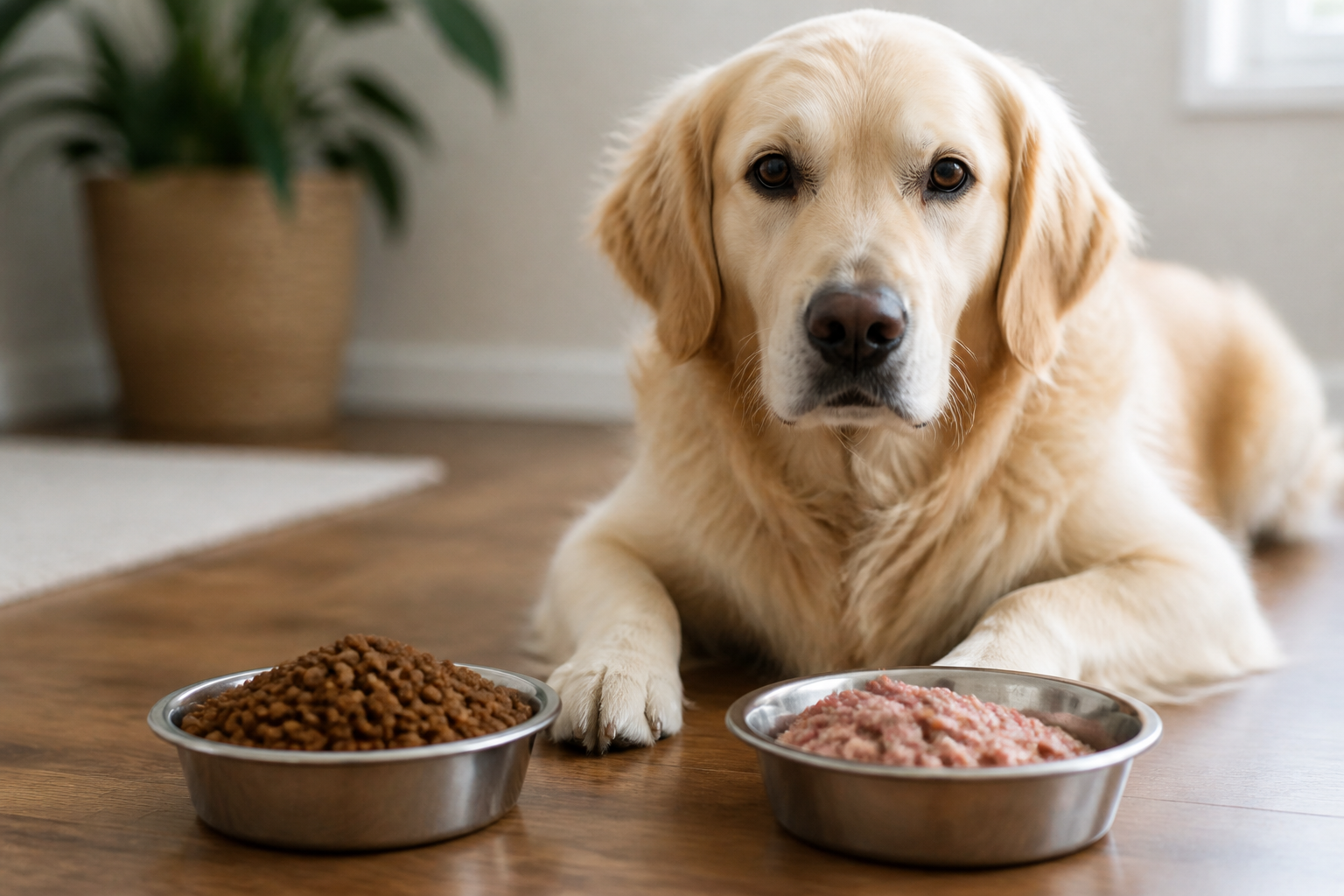
You are standing in the pet food aisle at BaxterBoo or scrolling through our online shop. In one hand, you have a bag of premium kibble. In the other, you have a stack of canned stews. Both claim to be the best for your dog, but they look and smell entirely different. This is a common moment of indecision for every pet owner. You want to provide the best nutrition, but the conflicting advice about dental health, hydration, and protein content can be confusing. This article explores the pros and cons of both formats to help you decide which fits your dog’s specific needs. We will look at moisture levels, calorie density, and how your dog's age impacts this choice. Neither option is a universal winner because the right answer depends entirely on your individual pet.
Understanding the Primary Differences
The most obvious difference between dry and wet food is the water content. Dry dog food, commonly called kibble, usually contains about 10 percent moisture. Wet food often contains 75 percent to 80 percent moisture. This single factor changes how the food is made, how it is stored, and how it affects your dog's body.
Processing methods also vary significantly. Dry food starts as a dough of ground meats, grains, and vitamins. This dough is cooked and pushed through an extruder to create specific shapes. These pieces are dried and often sprayed with fats or probiotics to enhance flavor and health. Wet food starts with ground proteins mixed with a gravy or gel. This mixture is sealed in a can or pouch and then heated to sterilize the contents. This process preserves the meat in a more natural, aromatic state.
Quick Answer: Neither dry nor wet food is objectively better for every dog. Dry food offers convenience and value, while wet food provides superior hydration and palatability. Most veterinarians agree that as long as the food is nutritionally complete, the best choice depends on your dog's health requirements and your lifestyle.
The Case for Dry Dog Food
Dry food is the most popular choice for American pet owners for several practical reasons. It is generally more budget friendly than wet food. Because kibble is calorie dense, you do not need to feed as much volume to meet your dog’s daily energy needs. This makes it an efficient choice for large breeds that require a high number of calories. Browse our dog food category to compare available formats and recipes.
Convenience and Storage
Kibble is easy to handle and measure. You can pour it into a bowl and leave it out for a dog that prefers to graze throughout the day. It does not spoil quickly at room temperature. Once a bag is opened, it can stay fresh for several weeks if stored in a cool, dry place. Using an airtight container helps prevent the fats in the food from becoming rancid.
Mental Stimulation and Training
Dry kibble is a perfect tool for enrichment. You can hide it in snuffle mats or put it inside puzzle toys like those made by Kong. This forces your dog to work for their meal, which provides valuable mental exercise. Kibble also works well as a low calorie training treat during long sessions.
The Dental Health Perspective
Many people believe that crunchy kibble cleans teeth like a toothbrush. While some specialized dental diets are designed to scrape away plaque, standard kibble often crumbles too quickly to provide a major benefit. However, kibble generally leaves less sugary residue on the gums compared to sticky wet foods. It should be part of a larger dental routine that includes regular brushing.
When Wet Food Is the Better Choice
Wet food is often seen as a treat, but it serves as a powerful nutritional tool for many dogs. The high moisture content is its biggest advantage. You can compare softer options in our wet dog food selection.
Hydration and Kidney Support
If your dog does not drink enough water from their bowl, wet food can help bridge the gap. This is especially important for dogs with a history of urinary tract issues or kidney disease. Increased water intake helps flush the system and reduces the concentration of minerals in the urine.
Picky Eaters and Senior Dogs
Dogs rely heavily on their sense of smell to enjoy their food. Wet food has a much stronger aroma than dry kibble. This makes it a great solution for "finicky" eaters or senior dogs whose senses may be dulling. The soft texture is also a lifesaver for dogs with missing teeth, painful gums, or small jaws that struggle with hard nuggets. For additional ideas, read our guide to dry dog food for picky eaters.
Weight Management and Satiety
Because wet food is mostly water, it has a lower calorie density by volume. A dog can eat a larger portion of wet food while consuming fewer calories than a small portion of dry food. This helps your dog feel full longer. If you are managing a dog’s weight, wet food can prevent them from begging for extra snacks between meals.
Key Takeaway: Dry food wins on convenience and cost, while wet food wins on hydration and flavor. Your choice should be guided by your dog’s thirst drive, dental health, and how much time you have for meal prep.
Comparing the Nutritional Profiles
When you look at a label, the protein percentages can be misleading. A dry food might list 25 percent protein, while a wet food lists 10 percent. This does not mean the dry food has more meat. The wet food percentage is lower because it includes the weight of the water.
Protein and Fat
On a dry matter basis, wet food often contains higher levels of animal protein and healthy fats. It typically contains fewer carbohydrates because it does not need starches to hold a shape. Dry food requires binders like grains, potatoes, or legumes to create the crunchy kibble texture.
Ingredients and Preservatives
Canning is a natural preservation process. Because the food is sterilized and sealed, manufacturers do not need to add as many synthetic preservatives to wet food. Dry food requires antioxidants or preservatives to keep the fats from spoiling once the bag is exposed to air. If you prefer a diet with fewer additives, high quality wet food is often the cleaner option.
Using the BaxterBoo Pharmacy for Health Needs
Some dogs require more than just standard retail food. If your dog has a chronic health condition like severe allergies, kidney failure, or obesity, your veterinarian might recommend a prescription diet. These formulas are specifically balanced to manage medical issues. Our veterinary diet options can help you explore specialized food choices.
Our pharmacy provides access to FDA approved medications and prescription pet foods through our partnership with Pet's Choice. Brands like Farmina Vet Life offer specialized nutrition that can only be used under veterinary supervision. Whether your dog needs a limited ingredient diet for skin issues or a low phosphorus food for renal support, we can help you fulfill those prescriptions conveniently.
Vet Tip: Always consult your veterinarian before switching to a prescription diet or a radically different food format. They can help you calculate the exact caloric needs of your dog to prevent accidental weight gain or malnutrition. If your dog shows sudden changes in appetite or thirst, a vet visit is necessary to rule out underlying health issues.
The Strategy of Mixing Both Foods
You do not have to choose just one. Many pet owners find that a combination of wet and dry food provides the best balance of health and value. This is often called "topping." For more guidance, see our article about mixing wet and dry dog food.
Step 1: Determine the total daily calories. / Ask your vet how many calories your dog needs based on their weight and activity level.
Step 2: Split the calories between formats. / A common ratio is 75 percent dry food and 25 percent wet food. This keeps the cost manageable while adding flavor.
Step 3: Adjust the portions correctly. / Do not simply add a scoop of wet food on top of a full serving of dry food. You must reduce the amount of kibble to account for the calories in the wet food.
Step 4: Mix it well. / Some dogs will "pick" the wet food out and leave the kibble. Stirring them together ensures they get the nutrients from both.
Benefits of the Mixed Approach
- Increased interest from picky eaters
- Better hydration than a dry only diet
- Lower overall cost than a wet only diet
- Maintains the convenience of kibble for most of the meal
Storage and Safety Guidelines
Proper storage is the only way to ensure the food stays safe for your dog. Bacteria grow quickly on moist surfaces, so you must be more careful with wet food.
Handling Canned Food
Once a can is opened, you should refrigerate the leftovers immediately. Use a silicone lid or a plastic cover to keep the food from drying out or absorbing smells from your fridge. Most wet food should be used within three days of opening. If your dog does not finish their bowl within 30 minutes, you should pick it up and throw it away.
Handling Dry Food
Keep the kibble in its original bag. These bags are designed with liners that protect the food from oxygen and moisture. You can place the entire bag inside a plastic or metal bin for extra protection. Try to buy a bag size that your dog can finish within six weeks. Beyond that timeframe, the vitamins begin to degrade and the fats can start to smell. For more storage tips, read how to keep dry dog food fresh.
Bottom line: Safety and freshness are just as important as the ingredients themselves, so always check "best by" dates and store food in airtight containers.
Life Stage Considerations
Your dog’s nutritional needs will change as they grow. What worked for them as a puppy might not be the best choice when they reach their senior years.
Puppies
Puppies have tiny teeth and high energy needs. Many owners start with wet food during the weaning process because it is easy to chew. Transitioning to a high quality dry puppy food like NutriSource or Acana ensures they get the concentrated calories needed for growth. You can explore our selection of NutriSource products when comparing puppy and adult recipes.
Mixing a little water or wet food into their kibble can help them transition more easily.
Adult Dogs
Active adults usually do well on a primarily dry diet. It is convenient for owners with busy schedules and supports their high energy levels. However, if your adult dog is prone to weight gain, incorporating some wet food can help them feel satisfied on a restricted calorie plan.
Seniors
Senior dogs often face two challenges: dental pain and a decreased appetite. Wet food is often the best choice for this stage of life. It is easy on sensitive gums and the strong smell encourages them to keep eating even if their senses are failing.
Transitioning to a New Food
If you decide to switch from dry to wet or vice-versa, you must go slowly. A sudden change in diet is the fastest way to cause an upset stomach, vomiting, or diarrhea. Follow this gradual dry-to-wet food transition guide for additional guidance.
- Days 1 to 2: 75 percent old food, 25 percent new food.
- Days 3 to 4: 50 percent old food, 50 percent new food.
- Days 5 to 7: 25 percent old food, 75 percent new food.
- Day 8: 100 percent new food.
Watch your dog’s stool during this week. If it becomes loose, slow down the transition and stay at the current ratio for a few more days. This gives the healthy bacteria in their gut time to adjust to the new ingredients and moisture levels.
Summary of Pros and Cons
| Feature | Dry Dog Food (Kibble) | Wet Dog Food (Canned/Pouch) |
|---|---|---|
| Cost | Generally lower per serving | Generally higher per serving |
| Convenience | Easy to store and travel with | Requires refrigeration after opening |
| Hydration | Low moisture (needs water bowl) | High moisture (supports hydration) |
| Palatability | Mild aroma | Strong, enticing aroma |
| Shelf Life | Long (weeks after opening) | Short (3 days after opening) |
| Dental Health | Minimal mechanical cleaning | Can leave more residue on teeth |
| Weight Control | High calorie density | Low calorie density (fills them up) |
Final Thoughts
Choosing between dry and wet dog food is a personal decision that impacts your dog’s daily comfort and long term health. Dry food offers unmatched convenience and value, making it the backbone of most dog diets. Wet food provides critical hydration and a flavor boost that can help picky or aging dogs stay nourished. Many owners find that a hybrid approach offers the best of both worlds.
Regardless of which format you choose, prioritize brands that use high quality proteins and avoid unnecessary fillers. If you are managing a specific health condition, remember that our pharmacy is here to help with prescription diets and professional guidance. We also offer our Autoship programme to ensure you never run out of your dog's favorite meals while saving money on every order.
FAQ
Does dry dog food really clean a dog's teeth?
Standard dry kibble provides very little dental cleaning because most dogs swallow the pieces whole or the kibble crumbles instantly upon contact. Only specifically formulated dental diets with a "VOHC" seal are proven to reduce plaque through mechanical action. Regular teeth brushing and professional cleanings remain the most effective ways to maintain your dog's oral health.
Can I feed my dog only wet food?
Yes, you can feed a dog an entirely wet food diet as long as the product is labeled as "complete and balanced" for their life stage. This is common for small breeds or senior dogs with dental issues. However, keep in mind that a wet only diet is typically more expensive and requires more frequent dental monitoring to prevent plaque buildup.
How long can I leave wet dog food in the bowl?
You should never leave wet dog food out for more than 30 to 60 minutes. Because of its high moisture content, it becomes a breeding ground for bacteria very quickly once it is exposed to the air. If your dog does not eat it within that timeframe, discard the leftovers and wash the bowl thoroughly.
Is wet food better for dogs with kidney disease?
Wet food is often recommended for dogs with kidney issues because the high moisture content helps support hydration and kidney function. Dehydration is a major risk for dogs with renal struggles, and wet food ensures they are getting water with every bite. Your vet may prescribe a specific low phosphorus wet food from a pharmacy to manage this condition effectively.






