
 Save 15% on your 1st Autoship learn more

 Email us
 Live Chat
 FAQs
FAQs





Introduction
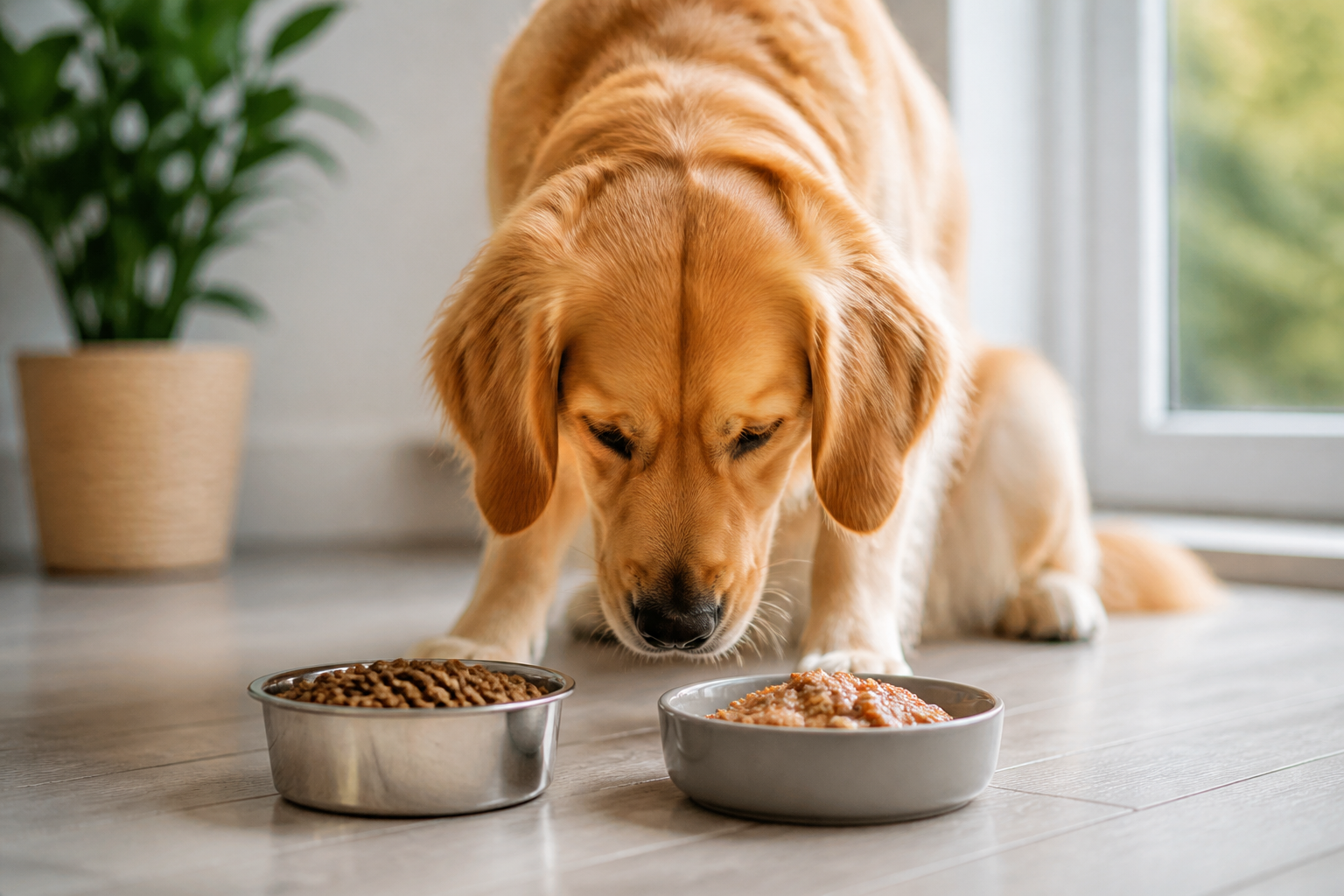
You are standing in the pet food aisle, surrounded by towering bags of kibble and stacks of colorful cans. It is a moment of choice every dog owner faces, whether you are bringing home a new puppy or looking for ways to support a senior dog. At BaxterBoo, we know that choosing the right fuel for your dog is one of the most important decisions you make as a pet parent. There is no single correct answer that applies to every dog, as the "better" option depends entirely on your dog's age, health status, and personal preferences. This article will break down the nutritional differences, the health benefits of both formats, and how to decide which texture is right for your home. Both options can provide complete nutrition, but understanding how they impact your dog’s daily life is the key to a happy, healthy pet.
The Core Differences in Processing
The primary difference between dry kibble and wet canned food starts long before it reaches your dog's bowl. While they often contain similar base ingredients like proteins, fats, and carbohydrates, the manufacturing methods create vastly different results. Dry food is made through a process called extrusion. The ingredients are mixed into a dough, cooked under high pressure, and pushed through small holes to create specific shapes. After the kibble is formed, it is dried and often sprayed with fats or vitamins to ensure it remains shelf-stable and tasty.
Wet food takes a different path. The ingredients are ground and mixed with a gravy or gel that contains essential vitamins and minerals. This mixture is then sealed inside cans or pouches and sterilized using heat. This process preserves the food without needing the same level of starch or binding agents required for kibble. Because it is sealed while moist, wet food maintains a much higher water content, usually sitting between 75 and 78 percent. In contrast, dry kibble typically contains only about 10 percent moisture.
Quick Answer: Neither food is objectively better, as both provide complete and balanced nutrition when labeled with an AAFCO statement. The choice depends on your dog’s specific needs for hydration, dental health, and calorie density.
Hydration and the Moisture Factor
One of the biggest advantages of wet food is its high moisture content. For dogs that do not drink much water from their bowls, wet food acts as a secondary source of hydration. This is particularly helpful for dogs with a history of urinary tract issues or kidney concerns. When a dog consumes more water through their food, it helps flush the system and can prevent the formation of certain crystals or stones.
Dry food, being very low in moisture, requires the dog to be proactive about drinking. If you choose a dry-only diet, you must ensure your dog has constant access to fresh, clean water. Some owners find that their dogs naturally compensate by drinking more, while others may need to encourage hydration by adding a splash of water or broth to the kibble. For more ideas, read our guide on wetting dry dog food for better digestion and hydration.
Vet Tip: If your dog has a history of kidney disease or chronic urinary issues, consult your veterinarian about a high-moisture diet. Our pet pharmacy carries prescription options for dogs that need veterinarian-directed care.
Dental Health and the Texture Debate
The texture of dog food plays a significant role in oral hygiene. Dry kibble is often praised for its ability to help keep teeth clean. As a dog crunches on the hard pieces, the mechanical action of the food scraping against the teeth can help remove a small amount of plaque. Some specialized dental diets are even formulated with a specific fiber matrix that does not crumble immediately, forcing the dog to chew more and effectively "brush" their teeth as they eat.
Wet food does not offer this mechanical cleaning action. Because it is soft, it can easily stick to the teeth and the gum line. If your dog eats a diet consisting mainly of wet food, being diligent about at-home dental care is essential. This includes regular tooth brushing and providing dental chews to compensate for the lack of crunchy kibble.
- Kibble provides mechanical scraping to help reduce plaque.
- Wet food can linger in the mouth and requires more frequent brushing.
- Certain dry foods are specifically designed for dental health.
- Annual professional cleanings are necessary regardless of food type.
Caloric Density and Weight Management
When comparing the two, weight management becomes a game of volume versus calories. Dry food is very energy-dense. Because the water has been removed, a small amount of kibble contains a high number of calories. This makes it a great choice for high-energy working dogs or puppies that need a lot of fuel in small portions. However, it also makes it very easy to overfeed. A few extra pieces of kibble every day can quickly lead to weight gain.
Wet food is less calorically dense because of its high water content. This means a dog can eat a larger volume of food without consuming more calories. For a dog that always seems hungry or is prone to obesity, wet food can help them feel fuller for longer. It allows the owner to provide a satisfying meal size while strictly managing the caloric intake. You can compare options in our dog food category.
Key Takeaway: Dry food is more concentrated in calories, making portion control vital. Wet food offers higher volume for fewer calories, which can assist in satiating dogs on a weight loss plan.
Palatability and Picky Eaters
If you have a dog that turns their nose up at mealtime, wet food is often the solution. Canned food is generally more aromatic and flavorful than dry kibble. The smell of the proteins is much stronger, which can entice a picky eater or a dog with a diminished sense of smell. This is especially common in senior dogs who may lose interest in their regular dry food as they age.
The texture of wet food is also a major factor in palatability. Most dogs find the soft, meaty chunks in gravy much more appealing than hard, dry biscuits. For dogs that are recovering from illness or surgery, wet food can be a gentle way to encourage them to start eating again. It is also easier to mix in supplements or medications when the food has a moist consistency. For additional guidance, see how to switch from dry to wet dog food.
Convenience and Storage Considerations
From a human perspective, dry food is often the more convenient choice. It is easy to measure, easy to store, and can be left in a bowl for several hours without spoiling. This makes it ideal for dogs that prefer to "graze" throughout the day rather than eating their entire meal at once. You can browse our dry dog food selection for shelf-stable meal options. You can buy kibble in large bags that last for weeks, provided you store them in an airtight container to prevent the fats from going rancid.
Wet food requires more careful handling. Once a can is opened, it must be refrigerated and used within two to three days. It cannot be left out in a bowl for more than 30 to 60 minutes, as it will attract flies and begin to grow bacteria. Additionally, wet food is usually more expensive per serving because you are paying for the packaging of individual cans and the weight of the water content.
Storage Checklist for Dry Food
- Keep the food in its original bag to preserve the fats and vitamins.
- Place the bag inside an airtight plastic or metal container.
- Store the container in a cool, dry place away from direct sunlight.
- Check the "best by" date regularly and aim to finish a bag within 6 weeks of opening.
Storage Checklist for Wet Food
- Cover opened cans with a tight-fitting silicone lid.
- Store opened portions in the refrigerator immediately.
- Warm up refrigerated food slightly before serving to increase aroma.
- Discard any food left in the bowl after an hour.
For more storage guidance, read how long you can keep dry dog food fresh.
The Mixed Feeding Approach
Many pet parents find that they do not have to choose just one. Mixing wet and dry food is a popular strategy that offers the best of both worlds. By using dry kibble as the base and adding a spoonful of wet food as a topper, you provide the dental benefits of the crunch and the hydration and flavor of the canned food. This "mixed feeding" can make mealtime more exciting for your dog while keeping costs manageable for you.
If you decide to mix foods, it is crucial to calculate the total calories correctly. It is not as simple as adding a can of food to a full portion of kibble. You must reduce the amount of dry food to compensate for the calories in the wet food. Overfeeding is one of the most common causes of health problems in dogs, so keeping an eye on the total daily intake is essential. Our article on feeding dogs wet and dry food together offers another look at this approach.
Vet Tip: When mixing foods, ask your veterinarian to help you calculate the exact caloric needs of your dog. This ensures they get the right balance of nutrients without excess weight gain.
Special Life Stage Needs
The age of your dog significantly influences which food type is better. For puppies, the concentrated energy of dry food is often beneficial for their rapid growth. However, small-breed puppies may struggle with the size of some kibbles, making a moistened dry food or a mix easier for them to handle.
Senior dogs often face a different set of challenges. As dogs age, they may develop dental issues, lost teeth, or sensitive gums that make chewing hard kibble painful. In these cases, wet food is a much kinder option. Older dogs also tend to have a decreased thirst drive, so the extra moisture in canned food helps support their kidney function. At BaxterBoo, we see many senior dog owners transition to wet food or "stews" to keep their pets comfortable and hydrated.
Managing Health Conditions
Specific health conditions often dictate the type of food your dog should eat. For example, dogs with diabetes may benefit from the lower carbohydrate content often found in wet foods. Dogs with heart disease may need a very specific sodium-controlled diet, which can be found in both formats but is often more strictly regulated in prescription canned options.
If your dog requires long-term medication, wet food is an invaluable tool. It is much easier to hide a pill in a spoonful of canned food than it is to get a dog to eat a pill alongside dry kibble. The strong smell of the wet food helps mask the scent of the medication, making the process stress-free for both you and your pet.
Key Takeaway: Wet food is an excellent vehicle for medication and provides critical hydration for seniors, while dry food offers energy density for growing or active dogs.
Cost and Value Analysis
For many households, the budget is a major factor in the dry versus wet debate. Generally speaking, dry food is more cost-effective. Because it is concentrated and sold in bulk, the price per meal is significantly lower than that of canned food. If you are feeding a large breed dog, like a Great Dane or a Labrador, a diet consisting entirely of wet food can become very expensive very quickly.
However, value is not just about the price tag. If your dog refuses to eat dry food and you end up throwing half of it away, the savings disappear. Similarly, if a low-moisture diet contributes to expensive urinary tract infections or dental procedures later in life, the "cheaper" food might cost more in the long run. Many owners find that investing in high-quality dry food and supplementing with wet food is the most balanced approach for their wallet and their dog’s health.
Bottom line: While dry food is cheaper upfront, the best value comes from a diet that keeps your dog healthy and avoids preventable veterinary costs.
Transitioning Between Food Types
If you decide to switch from dry to wet food, or vice versa, you must do so slowly. A dog's digestive system needs time to adjust to new ingredients and moisture levels. A sudden change can lead to upset stomachs, diarrhea, or vomiting. We recommend a transition period of at least seven to ten days.
Step 1: Mix 25 percent of the new food with 75 percent of the old food for the first three days.
Step 2: Increase to a 50/50 mix for the next three days.
Step 3: Move to 75 percent new food and 25 percent old food for another three days.
Step 4: If your dog's stool remains firm and they seem healthy, you can move to 100 percent of the new food.
During this time, watch your dog’s behavior and their bathroom habits closely. If you notice any signs of distress, slow down the transition and give their system more time to adapt.
Choosing the Right Brands
Regardless of whether you choose dry or wet, the quality of the brand matters most. Look for foods that list a specific animal protein, like "chicken" or "lamb," as the first ingredient rather than a generic term like "meat by-products." Brands like Farmina, Royal Canin, and NutriSource offer high-quality options in both dry and wet formats.
You should also look for a statement from the Association of American Feed Control Officials (AAFCO) on the packaging. This statement ensures that the food is nutritionally complete and balanced for your dog's specific life stage. If a food is labeled as a "topper" or "intermittent feeding only," it does not contain all the vitamins and minerals your dog needs to survive and should only be used as an addition to a complete diet.
Environmental Impact
For the eco-conscious pet owner, the packaging of dog food is worth considering. Dry food typically comes in large bags which, while often not recyclable, create less waste per pound of food than individual cans. Canned food generates a significant amount of metal waste. However, aluminum and steel cans are among the most easily recycled materials in the United States. If you choose wet food, making sure to wash and recycle every can is a simple way to reduce your pet's environmental paw-print.
Making the Final Decision
Choosing between dry and wet dog food does not have to be a source of stress. Start by looking at your dog. Are they a healthy weight? Do they drink plenty of water? Are their teeth clean? If the answer to all of these is yes, then your current choice is likely working well. If you have concerns about their hydration or if they are becoming picky as they age, introducing wet food might be a great next step.
At BaxterBoo, we are here to support you through every stage of your pet's life. Whether you need a high-protein kibble for a growing pup or a specialized canned diet for a senior, our selection is handpicked to ensure quality. If your veterinarian recommends a specific prescription diet or medication to manage a health condition, remember that our pet pharmacy is available to help.
- Both wet and dry foods provide excellent nutrition.
- Wet food is superior for hydration and picky eaters.
- Dry food is better for dental health and convenience.
- Mixing both is a great way to balance cost and benefits.
Bottom line: The best food for your dog is the one that they enjoy eating, fits your budget, and supports their specific health requirements.
FAQ
Can I leave wet dog food out all day like kibble?
No, you should not leave wet food out for more than an hour. Because of the high moisture and protein content, it can quickly become a breeding ground for bacteria and attract pests. If your dog does not finish their wet food within 30 to 60 minutes, it is best to pick up the bowl and discard the leftovers.
Is it true that wet food causes more dental problems?
Wet food does not directly cause dental disease, but it lacks the abrasive texture of kibble that helps scrape away plaque. Because soft food can stick to the teeth and gums, dogs on a wet-food diet may require more frequent tooth brushing. Regular dental checkups and home care are necessary regardless of what your dog eats.
How do I know if I am overfeeding when mixing wet and dry food?
The best way to avoid overfeeding is to look at the calorie counts on both labels. You should determine your dog’s daily calorie requirement with your vet and then split that number between the two food types. If you add wet food as a topper, you must reduce the portion of dry kibble to ensure the total daily intake remains the same.
Why is wet food usually more expensive than dry food?
Wet food is more expensive because of the higher cost of canning and shipping water weight. You are also often paying for a higher concentration of animal proteins and fewer carbohydrate fillers. For many owners, the health benefits of increased hydration and palatability justify the higher price per calorie.






