
 Save 15% on your 1st Autoship learn more

 Email us
 Live Chat
 FAQs
FAQs





Introduction
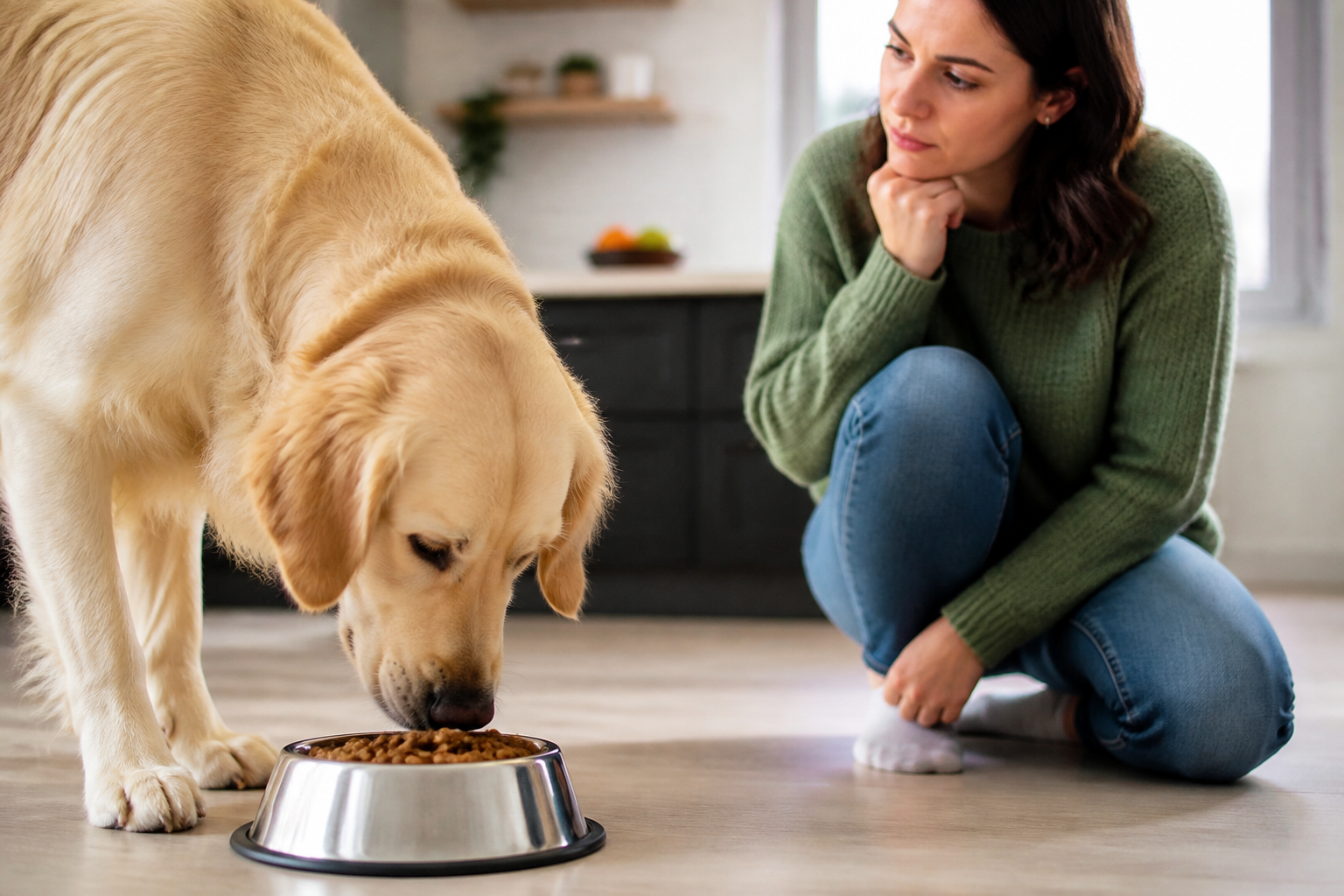
You are cleaning out the back of the pantry and pull out a half-full bag of kibble. You check the date on the side of the bag. It passed the "best by" mark two months ago. The food looks normal and does not have a strange smell. You wonder if you should feed it to your dog or if it belongs in the trash. At BaxterBoo, we know that high-quality pet food is a significant investment. It is tempting to use every last scoop to avoid waste. This guide explains the risks of feeding old food and how to tell if kibble is safe. We will look at how preservatives work and why storage conditions matter more than the date on the bag. Our goal is to give you the confidence to manage your pet's nutrition safely.
Quick Answer: Dry dog food is usually safe for a short time after its "best by" date if it was stored properly. However, once the fats in the food go rancid or vitamins degrade, the food becomes less nutritious and could cause stomach upset. Always check for mold, strange odors, or signs of pests before feeding.
Understanding the Dates on the Bag
Most pet owners see a date on the bag and assume it is a hard expiration date. In the United States, these dates are often "best by" or "best if used by" markers. These are not government-mandated safety dates. Instead, they are quality estimates provided by the manufacturer. They tell you how long the food will stay at its peak flavor and nutritional value.
A "best by" date assumes the bag remains unopened and stored in a cool, dry place. Once you break the seal, the clock starts ticking much faster. Oxygen and moisture begin to interact with the ingredients immediately. This process changes the chemical makeup of the food.
You might also see a "sell by" date. This is for the retailer to manage their inventory. It tells the store when to pull the product from the shelf to ensure the customer has enough time to use it at home. Food is usually safe for several months after a "sell by" date if it remains sealed.
A "use by" date is more common on wet foods or fresh diets. This is a stricter guideline. It often points to a safety concern rather than just a quality concern. If you see a "use by" date on a supplement or a prescription diet, you should follow it closely.
How Preservatives Influence Shelf Life
Preservatives are essential for keeping dry dog food shelf-stable. Without them, the fats in the kibble would spoil within days of manufacturing. The type of preservative used in your dog's food determines how long it will last. You can compare options in our dog food category.
Natural preservatives include things like tocopherols, which are forms of Vitamin E. You might also see rosemary extract or Vitamin C (citric acid) on the label. These are very effective at protecting the food, but they do not last forever. Natural preservatives usually provide a shelf life of about 12 months for an unopened bag.
Synthetic preservatives like BHA, BHT, and ethoxyquin are much more stable. They can keep food "fresh" for two years or more. While these are less popular with owners looking for natural diets, they provide a very long safety window. Most premium brands carried at BaxterBoo focus on natural preservation methods to keep your pet's diet as clean as possible.
Once these preservatives reach their limit, they stop working. At that point, the fats in the food are vulnerable to oxygen. This is when the food begins to decline in quality.
Key Takeaway: The "best by" date is a manufacturer's estimate of peak quality. It is not a hard safety deadline. The type of preservative used dictates how long the food stays nutritious.
The Problem with Fat Oxidation
The biggest risk with expired dry dog food is fat oxidation. Most dog foods contain a high amount of fat to provide energy and flavor. These fats are usually sprayed onto the outside of the kibble during the manufacturing process. When fat is exposed to oxygen over a long period, it turns rancid.
Rancid fat does more than just make the food taste bad. It creates free radicals and other harmful compounds. If a dog eats rancid fat consistently, it can lead to long-term health issues. This include internal inflammation or damage to the liver.
You can often smell when fats have gone rancid. The food might smell like old paint, cardboard, or chemicals. Some owners describe the smell as "sour" or "dusty." If you notice a sharp change in the aroma of the kibble, the fats have likely oxidized. For additional storage guidance, read how long dry dog food stays fresh once opened.
Why Fish Oils Spoil Faster
If your dog's food contains fish oil or salmon meal, it will spoil faster than beef or chicken-based foods. Omega-3 fatty acids are very unstable. They are wonderful for skin and coat health, but they react quickly to air and light. If you buy a fish-based kibble, pay extra attention to the dates. You should also try to use these bags within six weeks of opening them.
Nutritional Degradation over Time
Even if the food is not "spoiled" in a way that makes your dog sick, it might be useless. Vitamins are sensitive to heat, light, and air. Over time, the potency of the vitamins in the food drops. This is especially true for water-soluble vitamins like B-complex and Vitamin C.
If you feed expired food for months, your dog might develop a nutritional deficiency. This is a slow process. You might notice your dog's coat looking dull. They might have less energy than usual. In senior dogs, this lack of nutrition can be even more impactful on their daily wellness.
For dogs with specific health needs, nutrition is even more critical. We carry many specialized diets, such as those from Royal Canin and Farmina Vet Life. These foods are formulated to manage conditions like kidney health or urinary issues. Our pharmacy at BaxterBoo, which we operate through a partnership with Pet's Choice, provides access to these prescription diets. If your dog is on a therapeutic diet, never use expired food. The precise balance of minerals and vitamins is necessary for managing their condition.
Vet Tip: If your dog is on a prescription diet for a chronic health condition, stick strictly to the manufacturer's dates. These diets are carefully balanced. Using old food could interfere with your dog's treatment plan. Always consult your veterinarian before switching or continuing an expired prescription food.
Identifying Signs of Spoilage
You should always inspect a bag of food before you dump it into your dog's bowl. Dogs have a sense of smell that is much stronger than ours. They can often tell food is bad before we can see or smell anything wrong.
Visual Cues
Look for any signs of mold. Mold in dry food usually looks like a white or grey fuzzy patch. It can also look like dark green spots. Mold usually grows if moisture gets into the bag. This can happen if you store the bag on a damp garage floor or under a leaky sink.
Check for pests. Insects like grain weevils or moths can find their way into unsealed bags. If you see small webs or tiny "dust" moving in the bottom of the bag, throw it away. Pests introduce bacteria and waste into the food.
The Sniff Test
Fresh kibble should have a mild, savory smell. If the smell is overwhelming or unpleasant, something is wrong. Rancid food has a pungent, oily odor. If it smells like a wet basement or fermented fruit, mold or bacteria are likely present.
Your Dog’s Behavior
If your dog usually scarfs down their dinner but suddenly refuses to eat, listen to them. They might be detecting spoilage that you missed. Do not try to "mask" the flavor of old food with toppers or broth to get them to eat it. Their refusal is often a survival instinct. For another perspective on this issue, see how to tell if dry dog food has gone bad.
Bottom line: Trust your dog's nose. If they refuse food they usually love, check the bag for signs of rancidity or mold.
The Dangers of Mycotoxins and Bacteria
Feeding spoiled food is not just about a bad taste. There are serious biological risks. The most dangerous are mycotoxins. These are toxic compounds produced by certain types of mold.
Aflatoxin is a well-known mycotoxin that can contaminate corn, rice, and other grains used in pet food. It is invisible and cannot be killed by heat. If a dog eats food contaminated with aflatoxins, they can experience acute liver failure. Signs of mycotoxin poisoning include:
- Severe vomiting
- Diarrhea
- Loss of appetite
- Yellowing of the eyes or skin (jaundice)
- Lethargy or weakness
Bacteria like Salmonella or E. coli can also grow in old food. This is more common in wet food or raw diets, but it can happen in kibble if moisture is present. These bacteria can make your dog very ill. They also pose a risk to the humans in the house who handle the food.
Best Practices for Storing Dry Dog Food
How you store your food is actually more important than the date on the bag. If you leave a fresh bag of food in a hot, humid garage, it can spoil months before its "best by" date. Proper storage protects your investment and your dog's health. You can also review expert tips for keeping dry dog food fresh.
Keep It in the Original Bag
Many owners pour kibble directly into plastic bins. We recommend against this. Pet food bags are high-tech. They are designed with specialized liners to keep oil from seeping out and oxygen from getting in.
When you pour food into a plastic bin, the oils from the kibble can soak into the plastic over time. These oils turn rancid and contaminate the next batch of fresh food you pour in. If you want to use a bin, place the entire bag inside the container.
Use a Cool, Dry Place
Heat is the enemy of shelf life. Store your dog's food in a temperature-controlled area. The temperature should ideally stay below 80 degrees Fahrenheit. Avoid storing food near the dryer, the dishwasher, or in direct sunlight. Moisture is the second enemy. High humidity can cause the kibble to absorb water, which leads to mold growth.
Seal it Tight
Every time you open the bag, squeeze out as much air as possible before resealing it. If the bag does not have a built-in zipper, use a heavy-duty bag clip. Reducing the amount of air inside the bag slows down the oxidation of the fats.
Follow the Six-Week Rule
Once you open a bag of dry food, try to finish it within six to eight weeks. Even with perfect storage, the nutritional value starts to drop after the seal is broken. If you have a small dog, do not buy a 40-pound bag just because it is cheaper. Buy a size that your dog can finish in two months or less.
Step 1: Check the "best by" date before purchasing.
Step 2: Note the date you open the bag.
Step 3: Keep the food in its original packaging.
Step 4: Place the bag in a cool, dry pantry.
Step 5: Use a bag clip to remove excess air.
Managing Your Food Inventory
To prevent waste, use the "first in, first out" method. This means you should always finish your older bag of food before opening a new one. If you have multiple pets, it can be easy to lose track. Use a marker to write the date of opening on the top of each bag.
If you find yourself frequently throwing away expired food, consider our Autoship programme. We offer an Autoship service at BaxterBoo that lets you schedule deliveries based on how fast your dog eats. This ensures you always have fresh food on hand without having to store extra bags for months. Plus, it usually comes with a discount on your orders.
What to Do If Your Dog Eats Expired Food
If your dog accidentally eats a bowl of expired kibble, do not panic. In most cases, a single meal of slightly old food will not cause a major problem. They might have a bit of gas or a soft stool.
However, you should monitor them closely for 24 to 48 hours. If you see persistent vomiting, bloody diarrhea, or a total loss of appetite, call your veterinarian immediately. This is especially important if the food was visibly moldy or had a very foul odor.
If you are worried about your dog's long-term health after eating a lot of old food, a vet can run blood work. They can check liver enzymes to make sure no damage was done by rancid fats or mycotoxins.
Recycling or Disposing of Old Food
If you decide the food is too old to eat, do not just leave it in the bag where a stray animal or a curious dog could get into it. Pour the kibble into a trash bag and tie it securely.
Can you compost expired dog food? It depends. If the food is grain-based and does not contain a lot of animal fat, it might be okay for a large, hot compost pile. However, most dog foods are high in protein and fat. This can attract rodents, raccoons, and flies to your compost. It can also create a very bad smell as the fats break down. Most experts recommend putting expired pet food in the regular trash.
Some animal shelters will accept donations of food that is slightly past its "best by" date, but only if the bag is still factory-sealed. Always call the shelter first to ask about their policy. Never donate opened or spoiled food to a shelter.
Finding Value Without Compromise
We know that managing a pet's budget is important. Buying in bulk or finding sales is a great way to save. At BaxterBoo, we curate over 500 brands to ensure you have high-quality options at every price point. You can also join the MVP Rewards programme to earn points on every purchase. This helps you get fresh, premium food for your pet while keeping your costs down.
Investing in fresh food is an investment in your dog's longevity. While it might feel painful to toss a bag of kibble that is past its prime, the cost of a vet visit for food poisoning is much higher. Keeping your dog's diet fresh ensures they get the vitamins they need to stay active and healthy for years to come.
Conclusion
Feeding expired dry dog food is a calculated risk. If the food is only a few days past its date and was stored in a cool, dry place, it is likely safe. However, the loss of vitamins and the risk of rancid fats increase every day. Always prioritize safety over savings. Check for smells, mold, and pests before every meal. For the best results, use original packaging and finish bags within eight weeks of opening. If your dog has a chronic health condition, rely on fresh prescription diets from a trusted source.
- Check the "best by" date before buying and opening.
- Store food in its original bag inside a sealed container.
- Use opened kibble within 6 to 8 weeks for maximum nutrition.
- Watch for changes in smell, color, or your dog's appetite.
Key Takeaway: Proper storage is the best way to extend the life of your dog's food. When in doubt, throw it out to protect your pet from mycotoxins and rancid fats.
For the freshest selection of premium kibble and easy recurring delivery, explore our dog food collection or sign up for Autoship today. If you need specialized nutrition, our pet pharmacy is ready to help with prescription diets through our Pet's Choice partnership.
FAQ
How long after the expiration date is dry dog food good?
Unopened dry dog food is usually safe for three to six months after the "best by" date if stored in a cool, dry environment. Once the bag is opened, the food should be consumed within six to eight weeks regardless of the date on the bag. After this time, the nutritional value drops and the risk of fat rancidity increases significantly.
Can expired dog food cause diarrhea?
Yes, expired dog food can cause diarrhea and other forms of gastrointestinal upset. As the fats in the kibble oxidize and turn rancid, they can irritate the lining of the stomach and intestines. Additionally, if the food has grown mold or bacteria due to age and moisture, it can lead to more severe food poisoning.
Is it okay to feed my dog food that smells slightly off?
No, you should never feed your dog food that has a strange or foul odor. A sour or chemical smell usually indicates that the fats have gone rancid, which can be toxic over time. If the food smells musty or like old socks, it likely contains mold or mildew that could make your dog very sick.
Does the "best by" date matter if the bag is still sealed?
The "best by" date still matters for sealed bags because vitamins and minerals naturally degrade over time. Even in a vacuum-sealed environment, the chemical bonds in preservatives and nutrients eventually break down. While the food may not be dangerous immediately after the date, it will no longer provide the balanced nutrition your dog needs.






