
 Save 15% on your 1st Autoship learn more

 Email us
 Live Chat
 FAQs
FAQs





Introduction
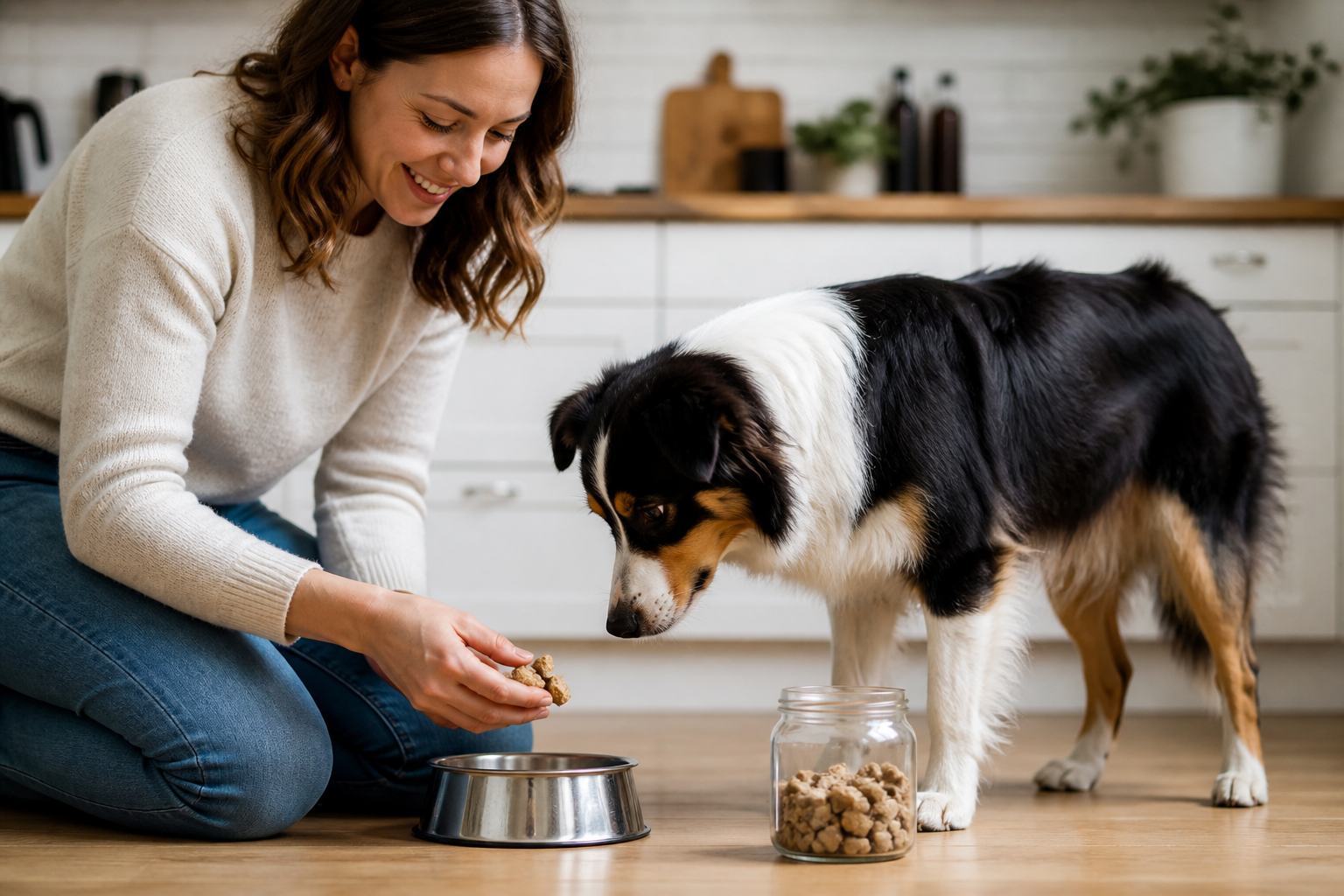
You are standing in the pet food aisle looking at a bag of freeze dried nuggets. The price tag is higher than your standard kibble and the package says it contains raw meat. You want the best for your dog but the word raw makes you hesitate. Many owners find themselves in this exact spot when trying to improve their dog's nutrition. At BaxterBoo, we talk to pet parents every day who are curious about the safety and benefits of these minimally processed diets. This article covers the science behind the freeze drying process and how manufacturers manage bacteria. We will also discuss the benefits for picky eaters and the specific safety steps you should take at home. By the end, you will know if this popular food format is a safe and healthy choice for your dog’s unique needs.
What Exactly Is Freeze Dried Dog Food?
Freeze dried dog food is a type of raw meat diet that has had almost all of its moisture removed. Unlike traditional kibble, it does not go through a high heat cooking process. Manufacturers start with raw ingredients like muscle meat, organs, and bones. They often add fruits, vegetables, and essential vitamins to create a balanced meal. These ingredients are frozen at extremely low temperatures.
Once the food is frozen, it goes into a vacuum chamber. This is where a process called sublimation happens. The ice in the food turns directly into water vapor without ever becoming liquid. This allows the food to stay shelf stable without the need for heavy chemical preservatives. Because there is no high heat, the natural enzymes and nutrients in the meat remain intact.
Many people confuse freeze dried food with dehydrated food. The difference is the temperature. Dehydration uses low heat to blow air over the food. This can slightly change the texture and denature some proteins. Freeze drying keeps the original shape and cellular structure of the ingredients. When you add water back to a freeze dried nugget, it looks and smells very similar to fresh raw meat. For a closer look at the process, read our guide to how freeze dried dog food is made.
Quick Answer: Yes, freeze dried dog food is safe for most healthy dogs when sourced from reputable brands that use pathogen reduction steps like High-Pressure Pasteurization. It offers the nutritional benefits of raw food with the convenience of a shelf-stable product.
Is Freeze Dried Dog Food Safe for Dogs to Eat?
The safety of freeze dried dog food is the most common concern for owners. Since the food is technically raw, people worry about bacteria like Salmonella or Listeria. It is true that the freeze drying process alone does not kill all pathogens. However, most premium brands use a safety step called High-Pressure Pasteurization or HPP.
HPP uses incredibly high water pressure to neutralize harmful bacteria. This process does not use heat, so the nutrients remain protected. It effectively makes the raw meat safe for consumption while keeping it raw. Many of the brands we carry, such as Stella and Chewy's and Vital Essentials, prioritize these safety protocols. This makes the final product much safer than a homemade raw diet where the meat has not been treated.
Another safety factor is the moisture content. Bacteria need moisture to grow and thrive. Because freeze dried food has about 97 percent of its moisture removed, it is a very hostile environment for germs. As long as the food stays dry in its original packaging, it remains safe for a long time. Problems usually only arise if the food gets damp or is stored in a humid environment. You can compare formulas in our freeze-dried dog food collection.
Vet Tip: While freeze dried food is safe for healthy adults, consult your veterinarian before feeding it to puppies, pregnant dogs, or dogs with compromised immune systems. Your vet can help you determine if a raw-based diet is appropriate for your pet's current health status.
The Nutritional Benefits of a Minimally Processed Diet
One of the main reasons owners choose freeze dried food is the nutritional density. Standard kibble is cooked at high temperatures. This heat can destroy delicate vitamins and minerals. Manufacturers often have to add synthetic nutrients back into kibble to meet nutritional standards. Freeze drying preserves the vitamins that are naturally present in the ingredients.
This food is also highly digestible. Because the proteins are not toughened by heat, your dog's body can break them down more efficiently. Owners often notice that dogs on a freeze dried diet have smaller and firmer stools. This is a sign that the dog is absorbing more of the nutrients in their bowl.
Palatability is another huge benefit. If you have a picky eater, freeze dried food can be a lifesaver. The sublimation process locks in the natural aroma and flavor of the meat. Many dogs who turn their noses up at kibble will dive into a bowl of freeze dried nuggets. It is also an excellent option for senior dogs who may be losing their appetite or have dental issues. For more ideas, see our guide to feeding freeze dried dog food.
Key Benefits of Freeze Dried Options
- Retains natural enzymes and probiotics for gut health.
- Preserves delicate Omega fatty acids for skin and coat support.
- Contains no fillers like corn, wheat, or soy.
- Highly concentrated nutrition means you feed smaller portions.
- Weight management is easier due to lower carbohydrate levels.
Managing the Risks of Raw Meat Handling
Even though the food is treated for pathogens, you must remember that you are still handling raw meat. Safety for the human members of your family is just as important as safety for your dog. You should treat freeze dried nuggets with the same care you would use when preparing raw chicken for your own dinner.
Always wash your hands with warm, soapy water after touching the food. Use dedicated stainless steel or ceramic bowls for your dog's meals. These materials are non-porous and do not trap bacteria in scratches like plastic can. Wash the bowls after every single meal. If you rehydrate the food with water, do not leave it sitting out for more than 30 minutes.
If there are small children or immune-compromised people in your home, be extra careful. Dogs can shed bacteria in their saliva and stool after eating a raw-based diet. It is a good idea to clean your dog’s face after they eat. You should also pick up waste in the yard immediately to prevent any environmental contamination.
Key Takeaway: Proper hygiene is the most effective way to eliminate safety risks for humans. Treat the food like raw meat, wash your hands, and keep feeding areas clean.
Choosing a Safe Brand and Reading Labels
Not all freeze dried dog foods are created equal. When you are shopping, look for brands that clearly state they are complete and balanced. This means the food meets AAFCO standards for a specific life stage. Some products are sold as "mixers" or "toppers" and are not meant to be the only thing your dog eats.
Check the ingredient list for specific protein sources. You want to see "beef" or "turkey" rather than "meat by-products." High quality brands like Open Farm or Acana focus on transparent sourcing. They often provide information about where their meat comes from and how the animals were raised. Explore our selection of Open Farm products when comparing brand options.
Safety testing is another thing to look for. Reputable companies often use third-party labs to test every batch for pathogens before it leaves the warehouse. Some even provide "lot look-up" tools on their websites so you can see the test results for the specific bag you bought. This level of transparency is a great sign that the brand takes safety seriously.
| Feature | High Quality Freeze Dried | Low Quality/Treat Only |
|---|---|---|
| AAFCO Status | Complete and Balanced | Supplemental use only |
| Safety Step | Uses HPP or similar | No mention of pathogen control |
| Ingredients | Muscle meat and organs | High amount of plant fillers |
| Sourcing | Traceable and transparent | Vague "meat" descriptions |
How to Properly Serve and Rehydrate the Food
You can serve freeze dried food in a few different ways. Many owners choose to feed the nuggets dry as a convenient alternative to kibble. This works well for some dogs, but you must ensure your pet drinks plenty of water. Because the food is so dry, it can be dehydrating if the dog does not compensate by visiting the water bowl frequently.
Rehydrating the food is generally the preferred method. Adding warm water, bone broth, or goat milk brings the food back to its natural texture. This also helps with digestion and keeps your dog hydrated. Most brands suggest a one-to-one ratio of food to water. Let the food sit for a few minutes to soak up the liquid before serving. Our freeze-dried dog food feeding guide offers additional preparation tips.
If you are on a budget, you do not have to use freeze dried food as a full meal. Using it as a topper is a great way to add high quality protein to standard kibble. You can crumble a few nuggets over their regular food to boost the flavor and nutrition. This makes the bag last much longer while still providing the benefits of raw nutrition.
Bottom line: Rehydrating freeze dried food is the best way to ensure your dog stays hydrated and gets the full sensory experience of a raw meal.
Transitioning Your Dog Safely
You should never switch your dog's food overnight. This is especially true when moving from a processed kibble to a rich, raw-based diet. A sudden change can lead to an upset stomach, gas, or diarrhea. A slow transition allows your dog's digestive enzymes to adjust to the new protein levels. For more transition guidance, read how much freeze dried dog food to feed.
Step 1: Start with a very small amount. / Replace about 10 percent of their current food with the freeze dried option for the first two days.
Step 2: Gradually increase the ratio. / If their stool remains firm, move to 25 percent new food and 75 percent old food for the next three days.
Step 3: Reach the halfway point. / Mix the foods in a 50/50 ratio for another three days. Monitor their energy levels and skin for any changes.
Step 4: Complete the switch. / If everything looks good, move to 75 percent new food, then finally 100 percent after about ten days total.
Keep a close eye on your dog during this time. If you notice any vomiting or loose stools, go back to the previous step for a few more days. Some dogs have more sensitive stomachs and may need two full weeks to transition. If your dog is moving from a high-carb kibble to a high-protein freeze dried diet, their body needs time to adapt to processing more meat.
When to Consult Your Veterinarian
Every dog is an individual. While freeze dried food is excellent for many pets, it is not a universal solution. Dogs with certain health conditions may need a different nutritional profile. For example, dogs with advanced kidney disease often need lower protein levels than what a typical freeze dried diet provides.
If your dog has a history of pancreatitis, the high fat content in some raw diets might be a concern. Always talk to your vet before making a major dietary change, especially if your dog is on medication or managing a chronic illness. Our pharmacy at BaxterBoo carries a variety of prescription pet foods and FDA-approved medications through our partnership with Pet's Choice. If your vet recommends a specific prescription diet for a health condition, we can help you fulfill that need alongside your regular supplies.
Your vet can also help you determine if your dog has specific allergies. Some owners switch to freeze dried food to solve skin issues, only to find the dog is allergic to the specific protein they chose. A professional can help you navigate an elimination diet using limited-ingredient freeze dried options.
Cost and Long-term Value Considerations
There is no denying that freeze dried dog food costs more per pound than kibble. The freeze drying process is expensive and requires specialized equipment. The ingredients are also higher quality, which adds to the price. However, many owners find that the long-term value justifies the initial cost.
Because the food is so nutrient-dense, the feeding portions are often smaller than what you would feed with kibble. You aren't paying for heavy grains or fillers that just pass through your dog. Many people also find they save money on vet visits over time. A dog with better digestion, a healthier coat, and a stronger immune system may require fewer trips to the clinic for minor issues.
We offer several ways to make this premium nutrition more affordable. Our MVP Rewards program lets you earn points on every purchase that you can use for future savings. If you find a brand your dog loves, signing up for our Autoship programme is a smart move. You get a discount on your orders and never have to worry about running out of food. It also includes a free MVP Gold membership for even more perks.
Key Takeaway: While the upfront cost is higher, the high digestibility and potential for better long-term health can make freeze dried food a valuable investment in your dog's life.
Special Considerations for Senior Dogs
Senior dogs often face unique challenges like joint stiffness, dental problems, and a decreasing appetite. Freeze dried food can be particularly helpful for these older pets. The high protein levels help maintain muscle mass, which is often lost as dogs age. Since it can be rehydrated to a very soft texture, it is easy for dogs with missing teeth or sore gums to eat.
Many freeze dried formulas for seniors include added functional ingredients. Look for recipes that contain green-lipped mussels, glucosamine, or chondroitin to support joint health. Brands like Orijen or Stella and Chewy's often have specific blends that cater to the needs of aging dogs.
If your senior dog is showing signs of cognitive decline or significant mobility issues, a diet change is just one part of the puzzle. You should work closely with your veterinarian to manage their comfort. We carry a wide range of supplements and mobility aids in our Medical and Mobility section to support your senior pet's golden years.
Storage and Shelf Life Tips
One of the biggest advantages of freeze dried food is its shelf life. Unopened bags can often last for a year or more. This makes it a great option for emergency kits or for traveling. However, once you open the bag, the clock starts ticking.
Always keep the food in its original packaging if possible. These bags are designed to keep out light and moisture. Make sure to squeeze out as much air as you can before resealing the bag. Store it in a cool, dry place. A pantry is perfect, but avoid cabinets near the stove or dishwasher where heat and steam can affect the quality.
Most manufacturers recommend using the bag within 30 to 60 days of opening. If you have a small dog and buy a large bag, the food might lose its freshness before you finish it. In that case, buying smaller bags might be more expensive per ounce but will ensure your dog always gets fresh food. Never store freeze dried food in the refrigerator, as the humidity can cause it to soften and spoil.
Conclusion
Freeze dried dog food is a safe, practical way to give your dog the benefits of a raw diet without the mess and storage issues of fresh meat. By choosing brands that use High-Pressure Pasteurization and following simple hygiene rules at home, you can feel confident in your choice. Whether you use it as a full meal or a tasty topper, the boost in nutrition and flavor can make a real difference in your dog's vitality.
At BaxterBoo, we have been helping pet parents find the right products since 2006. Our team handpicks every brand to ensure it meets our standards for quality and safety. If you are ready to try freeze dried food, we have a huge selection of trusted names ready for delivery.
- Look for the AAFCO statement to ensure the food is complete and balanced.
- Always wash your hands and bowls after feeding raw-based products.
- Rehydrate with water to support your dog’s hydration.
- Use a slow transition period of 7 to 10 days.
Bottom line: Freeze dried food is a safe and nutrient-dense choice that combines the best of raw nutrition with modern convenience.
FAQ
Does freeze dried dog food need to be refrigerated?
No, unopened and opened freeze dried dog food does not require refrigeration. The moisture has been removed, making it shelf-stable at room temperature. You should store it in a cool, dry place and keep the bag tightly sealed to prevent moisture from getting in.
Can I feed my dog freeze dried food without adding water?
Yes, you can feed it dry, but you must ensure your dog has access to plenty of fresh water. Many dogs prefer the texture of dry nuggets, but rehydrating the food is generally better for digestion and hydration. If your dog doesn't drink much water on their own, always rehydrate the food.
Is freeze dried food safer than frozen raw food?
Both options are safe if they are handled properly and come from reputable brands using pathogen reduction steps. Freeze dried food has the added safety benefit of being very dry, which prevents bacterial growth. It is also more convenient because it does not require thawing and can be stored in the pantry.
Can puppies eat freeze dried dog food?
Yes, puppies can eat freeze dried food as long as the packaging states it is formulated for "growth" or "all life stages." Puppies have very specific needs for calcium and phosphorus. Always check the AAFCO statement on the bag to ensure it meets the nutritional requirements for a growing puppy.






