Save 15% on your 1st Autoship learn more

 Email us
 Live Chat
 FAQs
FAQs





Introduction
You are standing in the pet food aisle or browsing online, looking for the best possible nutrition for your dog. You see the freezer chest filled with frozen raw patties. Right next to it, you see bags of shelf-stable freeze dried nuggets. Both claim to offer the benefits of an ancestral diet. You wonder if the bag on the shelf is truly as good as the frozen option in the cooler. At BaxterBoo, we talk to pet owners every day who are trying to balance high-quality nutrition with the realities of a busy schedule. If you want to explore options while you read, our freeze-dried food category is a good place to compare styles. This article looks at the nutritional differences, safety concerns, and lifestyle factors of both feeding styles. We will help you decide which raw format fits your dog and your home. While both options provide excellent nutrients, they each come with unique pros and cons.
Understanding the Raw Food Spectrum
Raw feeding has become a popular choice for owners who want to avoid heavy processing. Traditional raw food usually comes in a frozen format. It contains uncooked meats, organs, and bones. Many brands also include fresh vegetables and fruits. The goal is to provide a diet that mimics what a dog might eat in a more natural state. This feeding style is rich in moisture and live enzymes.
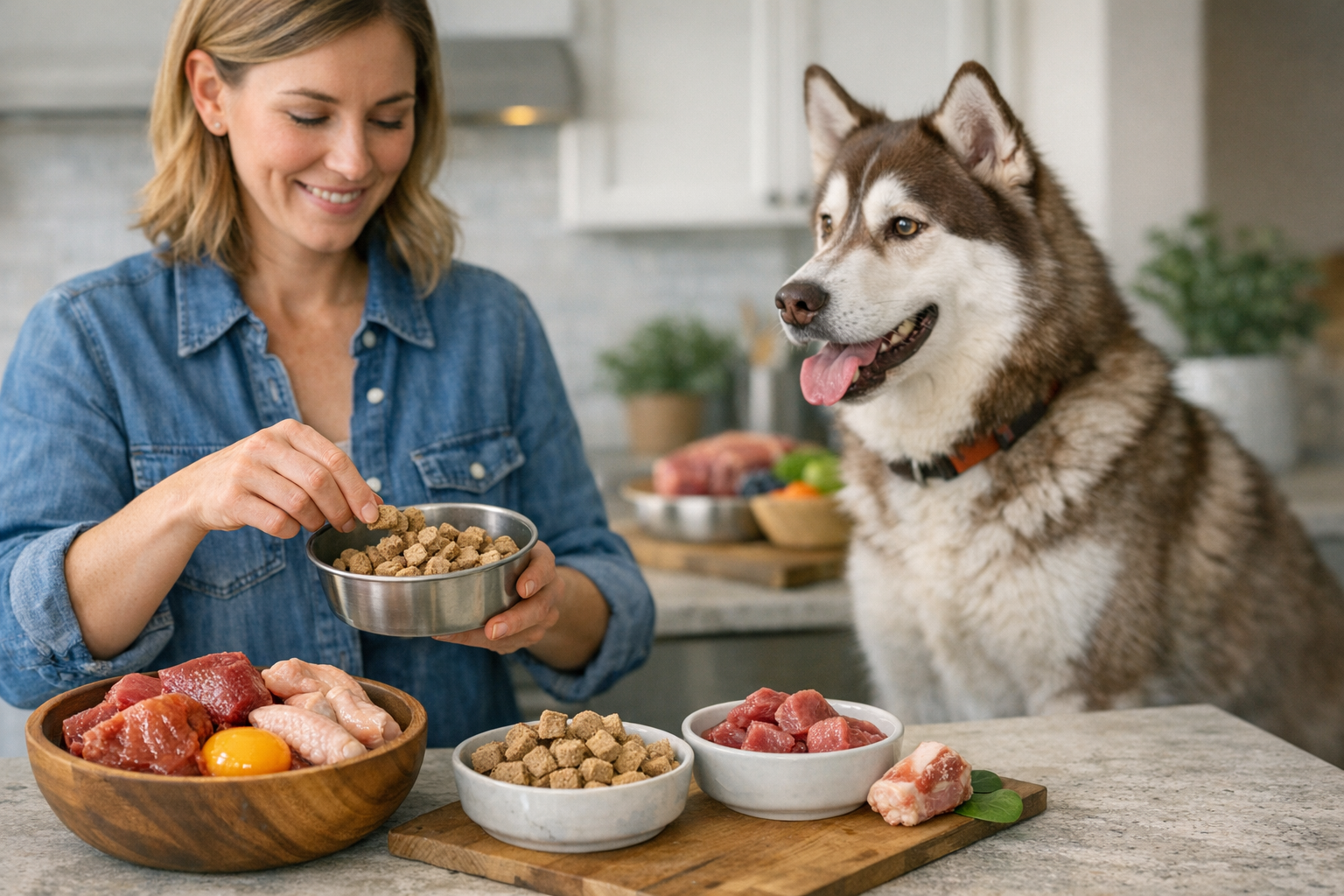
Freeze dried raw food starts out exactly the same way. Manufacturers take the same raw ingredients and put them through a process called sublimation. This process removes almost all the water content while the food is frozen. The result is a lightweight, shelf-stable product. It looks different from frozen meat, but the ingredient list is often identical. If you are comparing complete raw options, our raw food category can help you narrow down the right fit.
Quick Answer: Freeze dried raw dog food is nutritionally comparable to frozen raw food because the low-heat process preserves most vitamins and enzymes. The main differences are the moisture content and the convenience of storage.
How the Freeze Drying Process Works
The science behind freeze drying is what makes it a premium option. Most standard dog kibble is cooked at very high temperatures. This heat can destroy some naturally occurring nutrients. To fix this, companies have to add synthetic vitamins and minerals back into the kibble. Freeze drying avoids this problem.
The food is first frozen to a very low temperature. It then enters a vacuum chamber. In this chamber, the ice turns directly into vapor without ever becoming liquid water. This is why the texture of the food stays porous and light. Because the food never gets hot, the delicate proteins and healthy fats remain intact. If you enjoy learning more about convenience-focused raw options, take a look at our dogs freeze-dried dog food selection.
Benefits of the Sublimation Process
- It preserves the natural flavor and aroma of the meat.
- Most vitamins and minerals stay in their natural state.
- The food does not require chemical preservatives to stay fresh.
- The structure of the food remains stable for long periods.
Is the Nutrition Truly Equal?
When you ask if freeze dried is as good as raw, you are usually asking about the nutrients. In most cases, the answer is yes. Since neither format uses high heat, the amino acids and enzymes are preserved well. Your dog gets the same high-quality protein from a freeze dried nugget as they would from a frozen patty.
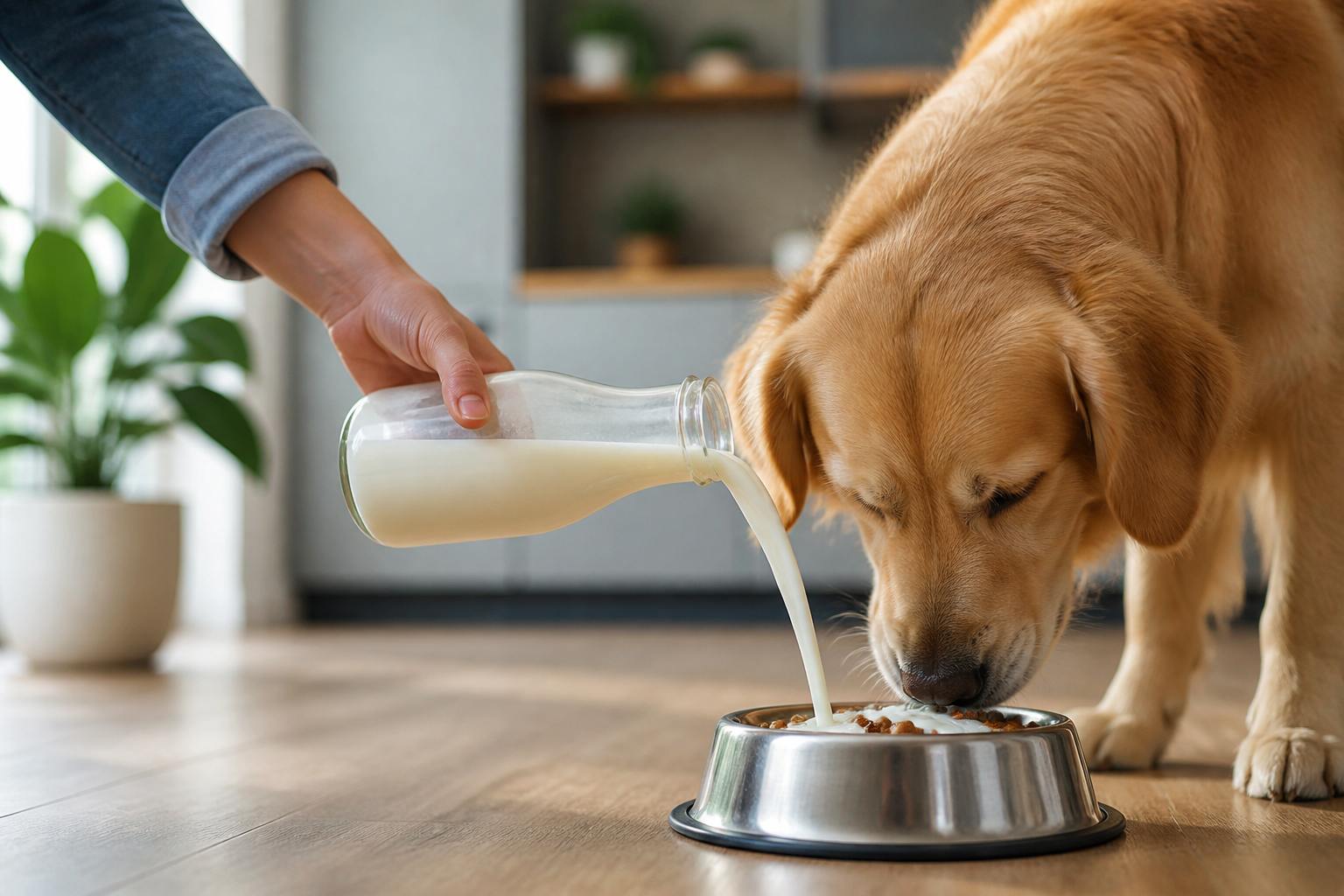
However, there is one major difference: moisture. Frozen raw food is naturally hydrating. It contains the moisture found in the meat and plants. Freeze dried food has had about 98 percent of its water removed. If you feed it dry, your dog is missing out on that extra hydration. Most experts recommend rehydrating freeze dried food with water or goat milk before serving. For a related comparison, our How to Switch From Dry to Wet Dog Food guide is a helpful next read.
Key Takeaway: Freeze dried and frozen raw diets offer nearly identical nutrition, but freeze dried food must be rehydrated to match the moisture levels of a fresh raw diet.
Comparing Convenience and Storage
This is where the two formats diverge significantly. Frozen raw food requires a lot of planning. You must have enough freezer space to store the bags. You also have to remember to thaw the portions in the refrigerator 24 hours before mealtime. If you forget to thaw the food, you are stuck with a frozen block and a hungry dog.
Freeze dried food offers incredible convenience. You can store the bag in your pantry. There is no need for a dedicated pet freezer. It is a great option for people who travel with their dogs. You can easily pack a bag of freeze dried nuggets for a camping trip or a hotel stay. It is also much lighter to carry than heavy bags of frozen food. If you want to compare meal styles that mix convenience and variety, our Can You Mix Dry Dog Food With Wet? post offers another useful perspective.
The Prep Time Factor
- Frozen Raw: Requires daily thawing in the fridge. You must handle wet, raw meat every day.
- Freeze Dried: Can be scooped directly from the bag. You simply add a little warm water and wait a few minutes.
- Cleanup: Both require thorough cleaning of bowls and surfaces.
Safety and Pathogen Risks
A common misconception is that freeze drying kills bacteria like Salmonella or Listeria. This is not true. Freeze drying removes moisture, which stops bacteria from growing. It does not necessarily kill the bacteria that were already there. They simply go into a dormant state.
When you add water back to the food, those pathogens can become active again. This means you must handle freeze dried food with the same caution as frozen raw meat. Always wash your hands after handling the food. Clean your dog's bowl with hot, soapy water after every meal.
Vet Tip: If you have young children, elderly family members, or someone with a weakened immune system in your home, consult your veterinarian before starting a raw or freeze dried diet. These groups are more susceptible to the bacteria that can sometimes be found in raw meat products.
Cost Considerations
Freeze dried dog food is often the most expensive way to feed a dog. The process of sublimation is energy-intensive and slow. It takes much longer to produce a bag of freeze dried food than it does to produce kibble or frozen raw. You are paying for the high-quality ingredients plus the advanced technology used to preserve them.
Many owners use freeze dried food as a topper rather than a full meal. This is a great way to add raw nutrition to your dog's bowl without breaking the budget. You can sprinkle crushed nuggets over high-quality kibble to provide a boost of flavor and enzymes. If budgeting is part of your feeding plan, our our Stella & Chewy's selection includes many popular freeze-dried choices.
Which One Should You Choose?
The choice between freeze dried and frozen raw often comes down to your lifestyle. If you have plenty of freezer space and a strict routine, frozen raw is a cost-effective way to provide excellent nutrition. It provides natural moisture that is great for kidney and urinary health.
If you value convenience, or if you live in a small space like an apartment, freeze dried is a fantastic choice. It is also the better option for owners who find the smell or texture of wet raw meat unappealing. You still get the benefits of raw ingredients without the mess of thawing meat on a plate in your fridge. If you like brand-specific browsing, our our Steve's Real Food selection is worth a look.
Points to Help You Decide
- Space: Do you have room in your freezer?
- Lifestyle: Do you travel often with your pet?
- Budget: Are you prepared for the higher cost of freeze dried processing?
- Dog's Preference: Some dogs prefer the crunchy texture of dry nuggets, while others love the moisture of thawed raw food.
The Importance of Complete and Balanced Diets
Whether you go with frozen or freeze dried, the food must be "complete and balanced." This means it contains the right ratio of muscle meat, organ meat, bone, and essential vitamins. Look for the AAFCO statement on the packaging. This ensures the food meets the basic nutritional needs of your dog.
Some brands specialize in "supplemental" raw foods. These are intended to be fed alongside other foods. If you feed a supplemental-only diet as a main meal, your dog could develop nutritional deficiencies over time. We carry many trusted brands at BaxterBoo, such as Stella and Chewy's or Steve's Real Food, which offer complete and balanced formulas.
Bottom line: Both freeze dried and frozen raw diets are excellent choices as long as the formula is labeled as complete and balanced for your dog's life stage.
Managing Health Through Nutrition
Sometimes, a change in diet is about more than just convenience. Many dogs with chronic allergies, skin issues, or digestive sensitivities thrive on a raw or minimally processed diet. Because these foods have fewer fillers and synthetic additives, they are often easier on a dog's system.
If your dog has a specific health condition, your veterinarian might recommend a specialized diet. For dogs with significant health needs, we offer a dedicated our pet pharmacy through our support team. This allows you to get prescription medications and diets that may be required for managing certain conditions. Always talk to your vet before making a major dietary shift if your dog has an underlying health issue.
Transitioning Your Dog to a New Diet
You should never switch your dog's food overnight. Their digestive systems need time to adjust to new proteins and fat levels. This is especially true when moving from a high-carb kibble to a high-protein raw or freeze dried diet. A slow transition helps prevent stomach upset and diarrhea.
Step 1: Mix 25 percent of the new food with 75 percent of the old food for three days. Step 2: Move to a 50/50 split for the next three days. Step 3: Feed 75 percent new food and 25 percent old food for the final three days. Step 4: Transition to 100 percent of the new raw or freeze dried diet.
During this time, monitor your dog's stool and energy levels. If you notice any persistent vomiting or lethargy, stop the transition and contact your veterinarian. Every dog's microbiome reacts differently to the introduction of raw enzymes. If you want another step-by-step guide, our Should You Feed Your Dog Wet and Dry Food? article offers a similar transition framework.
Quality Indicators to Look For
When shopping for freeze dried or frozen raw, read the ingredient label carefully. The first few ingredients should always be specific animal proteins. Avoid brands that use vague terms like "meat by-products." High-quality brands will often list the specific organs used, such as heart or liver.
You should also look for how the company manages safety. Some brands use High Pressure Processing (HPP). This is a cold-water pressure process that can help reduce the levels of harmful bacteria without using heat. While it does not make the food sterile, it adds an extra layer of safety for the consumer. For more on storage and freshness, our How Long Does Dry Dog Food Stay Fresh Once Opened? post covers practical shelf-life tips.
Red Flags on a Label
- Unknown protein sources (e.g., "animal fat" instead of "chicken fat").
- Excessive amounts of starchy fillers like peas or potatoes.
- Artificial colors or flavors.
- Lack of an AAFCO adequacy statement.
The Role of Rewards and Ethics
We know that you care about where your dog's food comes from. Many raw and freeze dried companies focus on sourcing meats from grass-fed, pasture-raised, or wild-caught sources. This often results in a higher concentration of Omega-3 fatty acids, which support a shiny coat and healthy skin.
To make these premium options more affordable, consider joining the MVP Rewards programme at BaxterBoo. You can earn points on every purchase of your favorite raw or freeze dried brands. We also offer a Frequent Buyer Program on many of the brands we carry. This helps you get free products faster, making it easier to maintain a high-quality diet for your dog.
Rehydrating Freeze Dried Food Correctly
If you choose freeze dried food, the way you serve it matters. While some dogs enjoy the crunch of dry nuggets, rehydrating is usually better for their long-term health. Water helps the body process protein and keeps the kidneys flushing out toxins.
Use warm (not boiling) water to rehydrate the food. Boiling water can cook the meat and destroy the enzymes you are paying for. Let the food sit for about three to five minutes until it has a soft, mash-like consistency. You can also use bone broth for added flavor and joint support. Just ensure the broth is made for pets and does not contain onions or excessive salt. If you like practical feeding tips, our guide to mixed feeding can help you plan portions more easily.
Key Takeaway: Rehydrating freeze dried food with warm water or pet-safe broth restores the moisture lost during processing and makes the meal more digestible.
Final Thoughts on Raw and Freeze Dried Nutrition
Choosing between freeze dried and frozen raw is a matter of personal preference rather than a compromise on quality. Both options provide the high-protein, low-carb nutrition that many dogs thrive on. Frozen raw is the gold standard for moisture and tradition. Freeze dried is the king of convenience and versatility.
At BaxterBoo, we want to help you find the right balance for your home. Whether you choose to feed full raw meals or use freeze dried nuggets as a nutritious topper, your dog will benefit from the high-quality ingredients. If you are ready to start your dog on a new nutritional path, our Autoship programme is a great way to ensure you never run out of their favorite food. You can save on your first order and earn rewards while you stay stocked.
FAQ
Does freeze drying kill the bacteria in raw dog food?
No, the freeze drying process does not kill pathogens like Salmonella or Listeria. It removes the moisture that these bacteria need to grow, which puts them into a dormant state. Once you add water or the food enters the dog's digestive tract, the bacteria can become active again. You must always use safe handling practices when serving freeze dried raw food.
Do I have to add water to freeze dried dog food?
While it is not strictly required, most experts strongly recommend rehydrating freeze dried food. Dogs on a raw diet benefit from the high moisture content typically found in fresh meat. Adding warm water, goat milk, or bone broth helps with digestion and keeps your dog hydrated. If you choose to feed it dry, make sure your dog has plenty of fresh water available at all times.
Is freeze dried raw food more expensive than frozen raw?
Generally, yes. Freeze dried food is usually more expensive because the manufacturing process is much more complex and takes more time. However, because it is more nutrient-dense and lightweight, the price per ounce can be misleading. Many people find that the convenience of not having to thaw food or manage freezer space makes the extra cost worth it.
Can I mix freeze dried raw with my dog's current kibble?
Yes, many owners use freeze dried raw as a "booster" or topper for kibble. This is a great way to introduce the benefits of raw enzymes and high-quality protein without switching the entire diet. If you do this, remember to adjust the amount of kibble you feed to account for the extra calories in the freeze dried food. A slow introduction is still recommended to avoid any tummy upset.