
 Save 15% on your 1st Autoship learn more

 Email us
 Live Chat
 FAQs
FAQs





Introduction
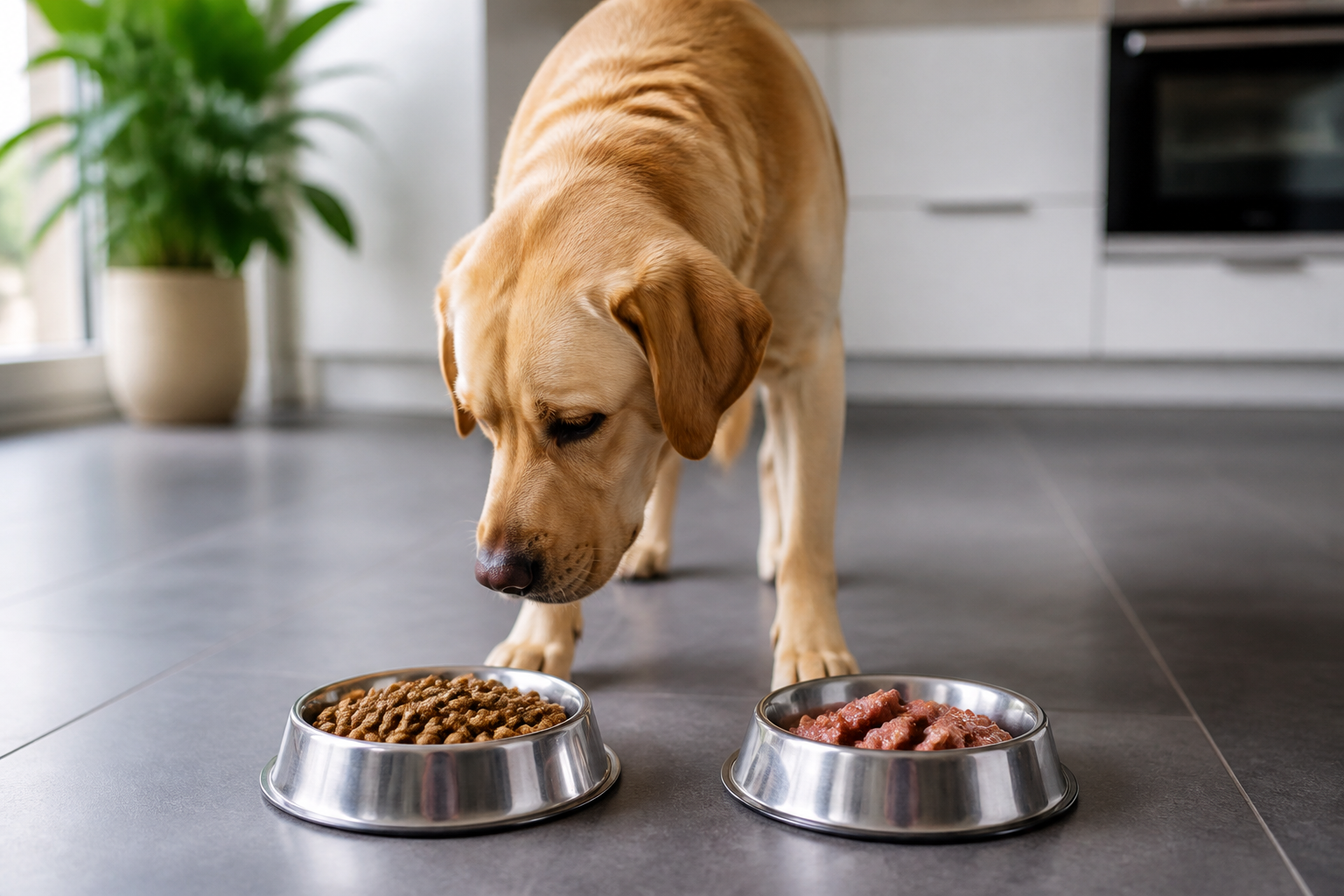
You are standing in the pet food aisle or scrolling through an endless list of options online. You see bright bags of crunchy kibble on one side and stacks of savory canned stews on the other. It is one of the most common questions we hear from pet parents at BaxterBoo. You want to know which one will keep your dog healthier and happier in the long run. There is no single answer that fits every dog. Some dogs thrive on the crunch of dry food. Others need the extra hydration that only wet food provides. We created this guide to help you weigh the benefits of each. This article covers nutritional differences, cost considerations, and how your dog's life stage should influence your choice. Choosing the right food is about matching the bowl to your dog's unique personality and health needs.
The Primary Differences Between Wet and Dry Food
The biggest difference between these two types of food is moisture. Most dry dog food contains about 10 percent water. Wet food can contain up to 80 percent water. This difference comes down to how the food is made. Dry food is typically mixed into a dough and then cooked through a process called extrusion. This creates the shelf stable nuggets we call kibble.
Wet food starts with similar protein and grain sources. These ingredients are mixed with water and thickeners to create a gravy or loaf. The food is then sealed in a can or pouch and heated to kill bacteria. This process preserves the moisture and the natural aromas of the meat. Because wet food is sealed, it does not need the same preservatives as dry food once it is opened.
Quick Answer: Neither food is objectively better for every dog. Dry food is often more convenient and cost effective. Wet food provides superior hydration and is usually more appealing to picky eaters.
Why Pet Parents Choose Dry Dog Food
Dry food is the most popular choice for many households across the country. It is easy to store and easy to serve. You can pour it into a bowl and let it sit without worrying about immediate spoilage. This makes it a great choice for dogs that like to graze throughout the day.
Dental Health Benefits
One of the most cited benefits of kibble is its effect on teeth. The crunchy texture encourages dogs to chew. This mechanical action can help scrape away a small amount of plaque before it hardens into tartar. Some specialized dental diets are even shaped to maximize this cleaning effect. However, kibble is not a replacement for regular brushing. It is simply a helpful tool in a broader oral care routine.
Convenience and Enrichment
Kibble is much easier to use for training and mental stimulation. You can tuck pieces of dry food into snuffle mats or puzzle toys. These activities keep your dog's brain busy and slow down fast eaters. It is also cleaner to handle. You do not have to worry about messy spills or lingering odors in your kitchen.
Value for Your Budget
Dry food is generally more calorie dense than wet food. This means a single bag provides more meals than a comparable weight of canned food. For owners of large breeds like Great Danes or Labradors, feeding 100 percent wet food can become very expensive. Kibble allows you to provide high quality nutrition at a lower price point per serving.
When Wet Dog Food Is the Better Choice
While kibble is convenient, wet food offers several health advantages that are hard to ignore. If your dog is a "difficult" eater, wet food is often the solution. The high moisture content carries scents better than dry food. This makes the meal much more aromatic and enticing to a dog's powerful nose.
Essential Hydration Support
Many dogs do not drink enough water on their own. This is especially true for senior dogs or those with certain medical conditions. Feeding wet food is like adding a large glass of water to every meal. This extra fluid supports kidney function and can help prevent urinary tract issues.
Weight Management
Wet food can actually help some dogs lose weight. Because it is mostly water, it has fewer calories per cup than dry kibble. Your dog can eat a larger volume of food without consuming too many calories. This helps them feel full and satisfied. It is a great way to prevent the "begging" behaviors that often come with restricted diets.
Ease of Eating
For puppies with small baby teeth or senior dogs with dental pain, kibble can be a challenge. Wet food is soft and requires very little chewing. It is also easier to swallow. If your dog has had teeth removed or has a sensitive mouth, the soft texture of a pate or stew is much more comfortable.
Vet Tip: If your dog suddenly stops eating their dry food, it could be a sign of dental pain or an underlying health issue. Consult your veterinarian before assuming they are just being picky. They can help determine if a medical condition is making it hard for your dog to chew.
Comparing Nutritional Content
Many people worry that wet food is less nutritious than dry food. This is a common misunderstanding. Both types of food are formulated to be "complete and balanced." This means they contain every vitamin and mineral your dog needs to stay healthy.
- Protein: On a dry matter basis, wet food often has higher protein levels than kibble.
- Fats: Wet food typically contains more healthy fats, which can lead to a shinier coat.
- Carbohydrates: Dry food usually has more carbs because starches are needed to hold the kibble shape.
- Additives: Dry food may contain more preservatives to keep it shelf stable after the bag is opened.
Key Takeaway: Look for the AAFCO statement on the label of any food you buy. This ensures the recipe meets the basic nutritional requirements for your dog's life stage.
Feeding by Life Stage
Your dog's needs change as they grow. What worked for them as a puppy might not be the best choice when they reach their golden years.
For Puppies
Puppies need a lot of energy to grow. Kibble is excellent for puppies because it is calorie dense. However, young puppies may struggle with hard textures. Mixing a bit of warm water or wet food into their kibble can help them transition to solid food. This also exposes them to different textures early in life.
For Senior Dogs
Seniors often experience a decline in their sense of smell and taste. This can lead to a loss of interest in food. The strong aroma of wet food can jumpstart their appetite. Seniors are also more prone to dehydration. Switching to a wet diet or adding a wet topper can support their aging kidneys.
For more guidance, read our comparison of wet and dry food for senior dogs.
The Benefits of a Mixed Diet
You do not have to choose just one. Many pet parents find that a combination of wet and dry food is the best approach. This is often called "mixed feeding." It gives your dog the dental benefits and convenience of kibble with the hydration and taste of wet food.
How to Mix Correctly
If you decide to mix foods, you must be careful about calories. You cannot simply add a can of food to a full portion of kibble. This will lead to weight gain. You should replace a portion of the dry food with an equivalent amount of wet food.
Step 1: Determine the total daily calories your dog needs. Step 2: Decide on a ratio, such as 75 percent dry and 25 percent wet. Step 3: Calculate the measurements for both based on the labels. Step 4: Mix them thoroughly or use the wet food as a topper.
For another serving option, explore our dog food topper collection.
Bottom line: Mixing wet and dry food provides variety and hydration while keeping your monthly food budget manageable.
Managing Health Conditions with Food
Diet is often the first line of defense against chronic health issues. If your dog has a specific condition, the type of food you choose matters more than ever.
Urinary and Kidney Health
For dogs prone to bladder stones or kidney disease, moisture is critical. Veterinarians often recommend a 100 percent wet food diet for these pets. This keeps the urine diluted and helps flush the system. Our pharmacy carries several prescription diets specifically designed for these needs through our partnership with Pet's Choice.
Browse our dog food selection when comparing everyday formulas, and speak with your veterinarian about prescription nutrition.
Skin and Food Allergies
Some dogs are sensitive to the preservatives or grain sources found in standard kibbles. Wet foods sometimes have shorter ingredient lists, which can make it easier to avoid triggers. If your dog is constantly scratching, your vet might suggest a limited ingredient diet. These are available in both wet and dry formats.
Safe Transitioning Between Foods
Dogs have sensitive digestive systems. A sudden change from dry food to wet food can cause an upset stomach. You should always transition slowly over a period of about ten days.
- Days 1 to 3: Feed 75 percent old food and 25 percent new food.
- Days 4 to 6: Feed 50 percent old food and 50 percent new food.
- Days 7 to 9: Feed 25 percent old food and 75 percent new food.
- Day 10: Feed 100 percent new food.
Watch your dog's stool during this time. If it becomes loose, slow the transition down. It is always better to go too slow than too fast.
For a detailed schedule, see how to switch from dry to wet dog food.
Proper Storage for Freshness
How you store your dog's food affects its safety and taste. Even the best food can make a dog sick if it is stored incorrectly.
Dry Food Storage Tips
Keep dry food in its original bag. These bags are designed to keep out moisture and air. Place the entire bag inside an airtight plastic or metal container. Try to use a bag within six weeks of opening. After that, the fats in the food can begin to turn rancid.
Wet Food Storage Tips
Once a can is opened, it must be refrigerated. Use a silicone lid or a reusable plastic cover to keep it airtight. Never leave wet food in your dog's bowl for more than four hours. Bacteria grow quickly in moist environments. Most canned food should be used within three days of opening.
For additional meal-preparation ideas, read how to add water to dry dog food.
Making the Final Decision
At BaxterBoo, we see thousands of dogs with different needs. We carry over 500 brands to ensure every dog finds their perfect match. Whether you choose the premium ingredients of Open Farm or the raw inspired nutrition of Stella & Chewy's, quality is what matters most.
Think about your daily routine. If you work long hours and need to leave food out, dry kibble is your best friend. If your dog is aging or needs to lose a few pounds, wet food is a powerful tool. Many of our customers use our Autoship program to stay stocked on both. This ensures you never run out of your dog's favorite stew or the specific kibble they love.
When to See the Vet
If you are unsure which path to take, your veterinarian is your best resource. They can assess your dog's body condition score and check for dental issues. They can also run blood work to see if your dog's organs need specific nutritional support.
Vet Tip: Always consult your vet before starting a prescription diet or a major dietary change for a dog with health issues. They can provide specific calorie targets to ensure your dog stays at a healthy weight.
Conclusion
Deciding between wet and dry food does not have to be a source of stress. Dry food offers convenience, dental support, and value. Wet food provides essential hydration, high palatability, and weight management benefits. For most healthy dogs, a mix of both provides a balanced and exciting diet. We recommend starting with a high quality dry food and using wet food as a healthy topper. This keeps your dog's meals interesting while supporting their overall wellness.
- Dry food is best for convenience and dental health.
- Wet food is superior for hydration and picky eaters.
- A 7–10 day transition prevents digestive upset.
- Autoship can help you manage both types of food easily.
Bottom line: The best food is the one that your dog enjoys and that keeps them at a healthy weight with plenty of energy.
FAQ
Is it okay to only feed my dog dry food?
Yes, it is perfectly fine to feed a 100 percent dry food diet as long as the food is nutritionally complete. Most high quality kibbles provide all the vitamins and minerals a dog needs. Just ensure your dog has constant access to fresh water since they are not getting moisture from their meals.
Why is wet food more expensive than dry food?
Wet food costs more because you are paying for the canning process and the high water content. Since it is less calorie dense, you have to buy more of it to provide the same amount of energy as a bag of kibble. Many owners use it as a topper to save money while still providing the benefits of wet food.
Can wet food cause diarrhea in dogs?
Wet food itself does not cause diarrhea, but a sudden switch to it can. Because it is richer and higher in fat and moisture than kibble, your dog's system needs time to adjust. If you transition slowly over ten days and your dog still has loose stools, they may be sensitive to a specific ingredient in that brand.
Does wet food cause more tooth decay than dry food?
Wet food does not "cause" decay, but it does not help clean the teeth like crunchy kibble can. Because wet food is soft and sticky, it can linger on the gum line. If you feed a primarily wet diet, it is even more important to stick to a regular tooth brushing schedule for your dog.






