
 Save 15% on your 1st Autoship learn more

 Email us
 Live Chat
 FAQs
FAQs





Introduction
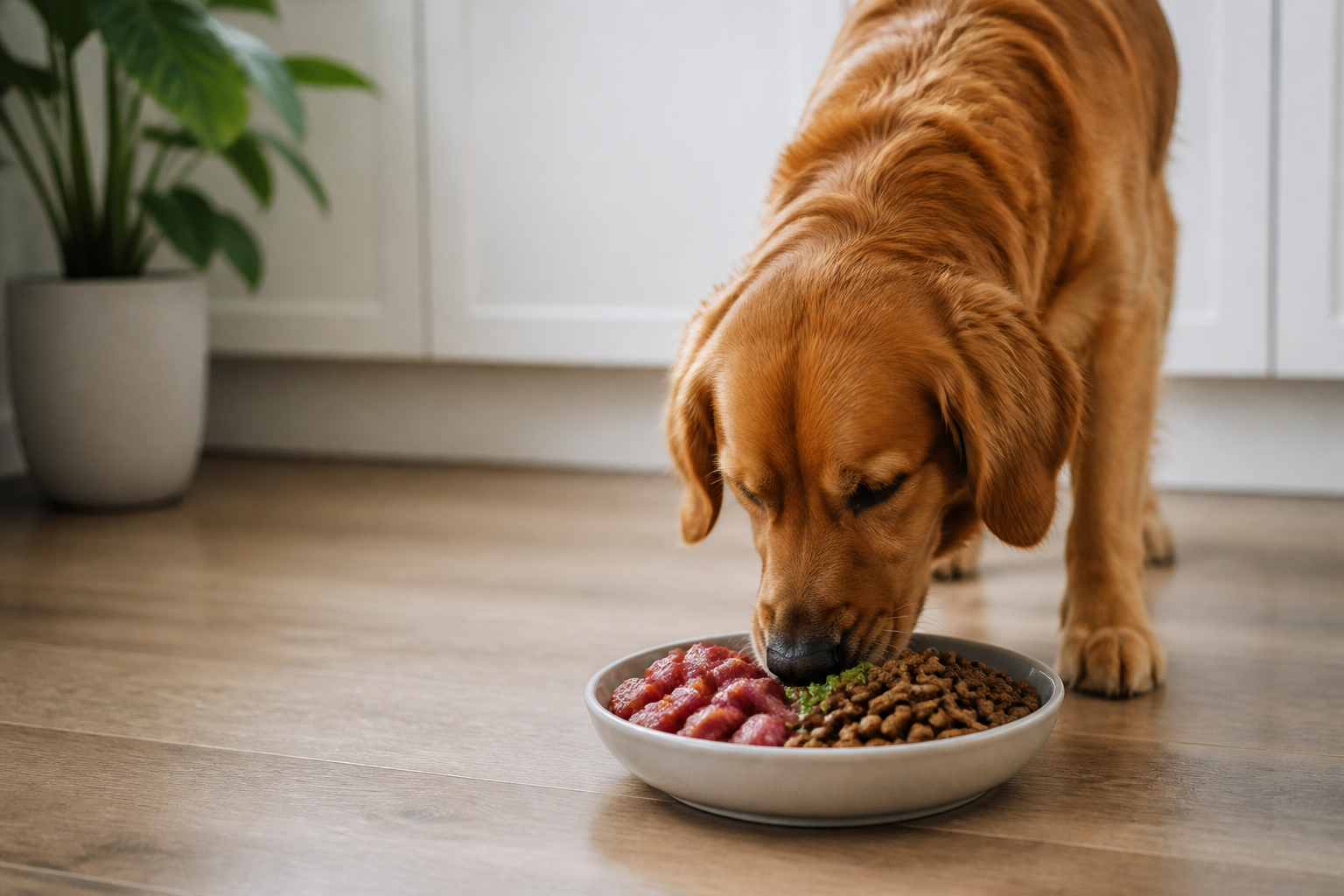
You stand in your kitchen with a bag of high quality kibble in one hand and a container of fresh raw beef in the other. You want to give your dog the nutritional boost of fresh enzymes and proteins found in raw food. However, you also appreciate the convenience and balanced vitamins provided by a premium dry diet. You might wonder if mixing these two very different types of food will cause a digestive disaster or if it is the perfect compromise for your budget.
At BaxterBoo, we hear this question from pet parents every single day. Many owners want to improve their dog's health without committing to the cost or preparation time of a 100 percent raw diet. This article covers the safety of mixing food types, the science of dog digestion, and the best ways to transition your pup. You will learn how to balance these meals to support your dog’s wellness and vitality. Mixing raw and dry food is a safe and effective way to upgrade your dog's bowl when you follow a few simple rules.
Quick Answer: Yes, it is perfectly safe for most healthy dogs to eat a mix of raw and dry food. This combination provides the convenience of kibble with the live enzymes and high quality proteins found in fresh raw diets.
The Benefits of a Hybrid Diet
Mixing raw food with kibble is often called a hybrid diet. This approach allows you to provide fresh, minimally processed nutrients without the high price tag of an exclusively raw meal plan. Kibble is generally the most affordable and shelf stable option. Raw food is the most nutrient dense. By combining them, you get the best of both worlds.
Fresh raw food contains naturally occurring enzymes that help with digestion. These enzymes can be lost during the high heat extrusion process used to make most dry kibbles. Adding even a small amount of raw meat or a freeze dried raw topper can help your dog absorb nutrients more efficiently. It also adds a variety of textures and flavors that can entice even the most selective eaters. You can compare different options in our dog food category.
Hydration is another major benefit. Dry food typically contains only about 10 percent moisture. Raw food is naturally high in water, usually around 70 percent. Increasing moisture in the diet supports kidney health and helps prevent dehydration. This is especially important for active dogs or those living in warmer climates.
Key Takeaway: A hybrid diet offers a practical way to increase nutrition and hydration while keeping your monthly pet food expenses manageable.
Understanding the Digestion Debate
A common concern among pet owners is whether raw and dry food digest at the same speed. Some people worry that kibble takes longer to break down, which could cause raw food to sit in the gut and ferment. Modern veterinary nutrition science suggests that a healthy dog's digestive system is incredibly resilient. Dogs have evolved to handle a wide variety of food sources simultaneously.
The stomach of a dog is highly acidic. This acidity is designed to break down tough proteins and even bone. When you feed a diet high in starch, like some lower quality kibbles, the stomach pH can become slightly more alkaline. Raw food thrives in a high acid environment. To support a healthy pH balance, you can choose low carb, high protein dry foods from brands like Orijen or Acana.
If you are worried about your dog's ability to process both types of food, start slowly. Most dogs manage the different digestion rates without any issues. Their bodies are perfected by evolution to extract nutrients from diverse sources in a single sitting. For additional guidance on gradual food changes, read our guide to switching from dry to wet dog food.
The 20 Percent Rule for Toppers
When you add raw food to a bowl of kibble, you are essentially adding a topper. If the raw portion makes up 20 percent or less of the total daily calories, you do not need to worry about the raw food being a perfectly balanced meal on its own. The kibble acts as the nutritional foundation, providing the necessary vitamins and minerals.
If you decide to feed more than 20 percent raw, you must ensure the raw portion is "complete and balanced." This means it needs the right ratio of muscle meat, organ meat, and bone. Using pre made raw patties from brands like Stella and Chewy's or Vital Essentials makes this easy. These products are formulated to meet AAFCO standards, so you know your dog is getting everything they need. Our freeze-dried raw food collection includes meal mixers, patties, and other convenient formats.
- Measure your dog's current kibble portion.
- Reduce the kibble by 20 percent to make room for the new calories.
- Replace that 20 percent with fresh raw meat or a freeze dried raw topper.
- Monitor your dog's weight and energy levels over the next month.
Safe Ingredients to Add to Kibble
You do not always need to buy specialized raw dog food to start mixing. Many items in your own refrigerator are excellent additions to a dry diet. These whole foods provide targeted health benefits.
High Quality Proteins
Lean muscle meats like beef, turkey, or chicken are great starters. They provide essential amino acids that support muscle growth and repair. Avoid fatty trimmings, as too much fat can lead to digestive upset or pancreatitis.
Organ Meats
Liver and heart are nutritional powerhouses. Liver is rich in Vitamin A and B vitamins. Heart is a fantastic source of taurine, which supports cardiac health. Because organ meats are so rich, they should only make up a small fraction of the raw addition.
Omega 3 Fatty Acids
Adding raw sardines or small pieces of salmon can improve your dog's coat and skin. These fatty fish provide EPA and DHA. These nutrients help reduce inflammation throughout the body. If you cannot find fresh fish, a high quality salmon oil supplement is a great alternative.
Raw Eggs
Eggs are one of the most complete sources of protein available. You can crack a raw egg right over the kibble. The yolk contains biotin and healthy fats. Some owners worry about salmonella, but healthy dogs have short, acidic digestive tracts that are well equipped to handle the bacteria found in raw eggs.
Vet Tip: Always consult your veterinarian before making major changes to your dog’s diet, especially if they have a history of kidney disease, pancreatitis, or a compromised immune system.
Choosing the Right Raw Format
Not all raw food comes in a frozen block. At our warehouse, we see many owners choosing different formats based on their lifestyle and storage space.
Frozen Raw
This is the most traditional form. It usually comes in patties, nuggets, or chubs. It requires freezer space and must be thawed in the refrigerator before serving. This is often the most cost effective way to buy raw food in bulk.
Freeze Dried Raw
Freeze dried options are incredibly popular because they are shelf stable. You get the benefits of raw food without the mess of thawing meat. Brands like Open Farm and NutriSource offer freeze dried raw toppers that you can simply crumble over dry food. You should add a little water or bone broth to rehydrate these pieces. Browse freeze-dried dog food options for shelf-stable meal choices.
Air Dried Food
Air dried food is a middle ground between kibble and raw. It is processed at low temperatures to preserve nutrients but remains shelf stable. It has a jerky like texture that dogs love. It is a very convenient way to add raw style nutrition to a bowl of kibble.
Bottom line: Choose the raw format that fits your daily routine to ensure you can stick with the new feeding plan consistently.
How to Transition Your Dog Safely
A sudden change in diet is the most common cause of digestive upset. If you want to start mixing raw and dry food, a gradual transition is essential. This allows your dog's gut microbiome to adjust to the new proteins and enzymes. Our practical guide for picky eaters also covers gradual food transitions.
Step 1: Start with a very small amount. / Add just a teaspoon of raw food to your dog's regular kibble for the first two days.
Step 2: Watch for signs of upset. / Look for loose stools, gas, or vomiting. If your dog seems fine, you can proceed to the next step.
Step 3: Increase the ratio. / Over the next five to seven days, slowly increase the raw portion while decreasing the kibble.
Step 4: Find your balance. / Aim for your target ratio, whether that is 10 percent raw or a 50/50 split.
If your dog has a very sensitive stomach, you might find that freeze dried raw is a gentler way to start than frozen raw. The moisture content is lower, which can be easier on some digestive systems during the initial switch.
Hygiene and Safe Handling
When you work with raw meat, safety is a priority for both you and your pet. Raw food can contain bacteria like Salmonella or E. coli. While dogs are generally resistant to these bacteria, humans are not.
Always wash your hands thoroughly after handling raw dog food. Use dedicated stainless steel or ceramic bowls for raw meals, as these materials are less porous than plastic and easier to sanitize. Clean the feeding area and any utensils used for preparation immediately after every meal.
If you have young children or immunocompromised individuals in your home, be extra cautious. Do not allow your dog to lick faces immediately after they have eaten a raw meal. Proper storage is also vital. Keep frozen raw food in a sealed container in the back of the freezer to prevent cross contamination with your own food.
| Feature | Dry Kibble | Raw Food |
|---|---|---|
| Convenience | High | Low to Medium |
| Moisture Content | Low (~10%) | High (~70%) |
| Nutrient Density | Medium | High |
| Storage | Shelf Stable | Refrigerator or Freezer |
| Price | Budget Friendly | Premium |
Managing Digestive Sensitivity
Some dogs might experience a "detox" period or mild diarrhea when they first start eating raw food. This is often just the body adjusting to a more nutrient dense diet. However, if the diarrhea persists for more than 48 hours, you should pause the transition and speak with a professional.
Adding probiotics can be a huge help during this time. Probiotics introduce beneficial bacteria to the gut, which helps crowd out harmful pathogens. This makes the transition to raw food much smoother. You can find excellent probiotic supplements from brands like Zesty Paws or Honest Paws that are easy to mix into the bowl.
Another trick is adding a small amount of organic apple cider vinegar to the water or food. The vinegar helps lower the pH of the gut, creating an environment where raw food can be digested more effectively. Use about one teaspoon for every 50 pounds of body weight.
Health Concerns and the BaxterBoo Pharmacy
If your dog has an ongoing health condition, your approach to food might be different. Dogs with chronic kidney issues, for example, may need a diet with specific phosphorus levels. Those with severe allergies might require a prescription diet.
Our dog pharmacy provides access to FDA approved medications and prescription pet foods through our partnership with Pet's Choice. If your veterinarian recommends a specific therapeutic diet, like Farmina Vet Life, you can easily manage those needs through our platform. Some dogs with extreme sensitivities may do better on a prescription kibble base with very specific, vet approved raw toppers.
Managing a health condition does not mean you have to skip the benefits of fresh food. It just means you should work closely with your vet to choose the right ingredients. We offer a wide range of supplements, including Cosequin for joint health and Senilife for senior cognitive support, which can be part of a holistic wellness plan alongside your dog's new diet. For broader nutrition information, our veterinary diet food guide offers another helpful resource.
Vet Tip: For dogs with recurring digestive issues or allergies, a veterinarian can help you determine if a prescription diet or a specific limited ingredient raw protein is the best path forward.
Tips for Picky Eaters
If your dog turns their nose up at plain kibble, adding raw food is often the best solution. The smell of fresh meat is much more enticing to a dog's powerful nose than dry biscuits. You can use raw food as a "high value" topper to encourage them to finish their meal.
For very picky dogs, try slightly warming the raw food or adding warm bone broth. This releases the aromas and makes the meal feel more like a home cooked feast. Just be careful not to cook the raw food if it contains bone. Raw bone is soft and digestible, but cooked bone can become brittle and dangerous.
You can also use freeze dried raw nuggets as training treats. This introduces the flavor of raw food to your dog in a positive, reward based context. Once they realize how delicious the raw pieces are, they will be much more likely to eat them when mixed into their dinner bowl.
Budgeting for a Hybrid Diet
We know that quality pet care can be expensive. One of the reasons we advocate for mixing raw and dry food is the cost savings. You do not have to choose between "the best" and "what you can afford."
By using a high quality kibble as 80 percent of the diet, you keep your daily costs low. The remaining 20 percent of raw food provides the fresh nutrients your dog needs to thrive. This small investment in fresh food can lead to lower vet bills over time by supporting a stronger immune system and better weight management.
You can save even more by taking advantage of our MVP Rewards program. You can earn up to 5 percent back on every purchase, which adds up quickly when buying premium food and supplements. Our Autoship program is another great way to save. You get a discount on your first order and a free MVP Gold membership, ensuring you never run out of your dog’s favorite kibble or raw toppers.
Common Myths About Raw and Kibble
There are several myths that keep pet owners from trying a hybrid diet. One is that dogs will get sick from the bacteria in raw meat. As mentioned earlier, a healthy dog's gut is designed to handle bacteria that would make a human very ill. As long as you source your meat from reputable brands and practice good hygiene, the risk is minimal.
Another myth is that mixing food types causes "gut confusion." This is not a medical term. Dogs eat a variety of things in the wild, including different proteins and plant matter. Their systems are not easily "confused." They are built for variety.
Finally, some people believe that if you cannot afford 100 percent raw, there is no point in doing it at all. This is simply not true. Every bit of fresh, whole food you add to your dog's bowl provides a nutritional benefit. It is like a human adding a salad to a meal of processed food. The salad still provides vitamins and fiber even if the rest of the meal is not perfect.
Summary of the Transition Process
Switching to a mixed diet is a journey, not a race. Your dog's health will benefit from your patience and care during this process.
- Choose a high protein, low carb kibble as your base.
- Select a raw format that works for your schedule (frozen, freeze dried, or fresh).
- Start with a 90 percent kibble and 10 percent raw ratio.
- Slowly work your way up to your desired balance over one to two weeks.
- Add a probiotic or a splash of bone broth to support digestion.
- Stick to a consistent feeding schedule to help your dog’s body adapt.
By following these steps, you can feel confident that you are providing the best possible nutrition for your companion.
Conclusion
Mixing raw and dry dog food is an excellent way to improve your pet’s health, energy, and coat quality. This hybrid approach offers the perfect balance of convenience, nutrition, and value. At BaxterBoo, we are committed to helping you find the right products for your dog's unique needs, whether they are a growing puppy or a senior dog needing extra support.
- A hybrid diet increases hydration and enzyme intake.
- Slow transitions prevent digestive upset.
- The 20 percent rule keeps the diet nutritionally balanced without extra work.
- Hygiene is essential when handling any raw meat products.
Bottom line: Adding fresh raw food to a dry kibble base is a safe, practical way to boost your dog's nutrition and make mealtime the highlight of their day.
Explore our raw dog food and freeze-dried topper collection to find the perfect match for your dog’s bowl.
FAQ
Does raw food take longer to digest than kibble?
Most healthy dogs process different food types simultaneously without any issues. While some people believe the digestion rates vary significantly, a dog's highly acidic stomach is designed to handle a variety of protein and starch sources in one meal. As long as your dog is healthy and you transition slowly, the different rates will not cause harm.
Can I mix raw food with any brand of kibble?
Yes, you can mix raw food with most kibbles, but it is best to choose a high quality, grain inclusive or grain free dry food with low starch content. High starch kibbles can slightly raise the pH of the stomach, making it less acidic. Choosing a premium dry food from our dog food collection ensures your dog has a variety of formulas to consider.
Is it cheaper to mix raw and dry food than to feed only raw?
Mixing raw and dry food is significantly more cost effective than an exclusively raw diet. By using kibble as the base, you provide a balanced foundation at a lower price point while still offering the nutritional benefits of fresh meat. You can further manage costs by using our Frequent Buyer Program on participating brands.
What should I do if my dog gets diarrhea after mixing raw food?
Mild digestive changes can happen during a transition, but persistent diarrhea should be addressed. You should slow down the transition and consider adding a probiotic or plain pumpkin to help firm up the stool. If the symptoms are severe or last more than two days, consult your veterinarian to rule out any underlying sensitivities or health issues.






