
 Save 15% on your 1st Autoship learn more

 Email us
 Live Chat
 FAQs
FAQs





Introduction
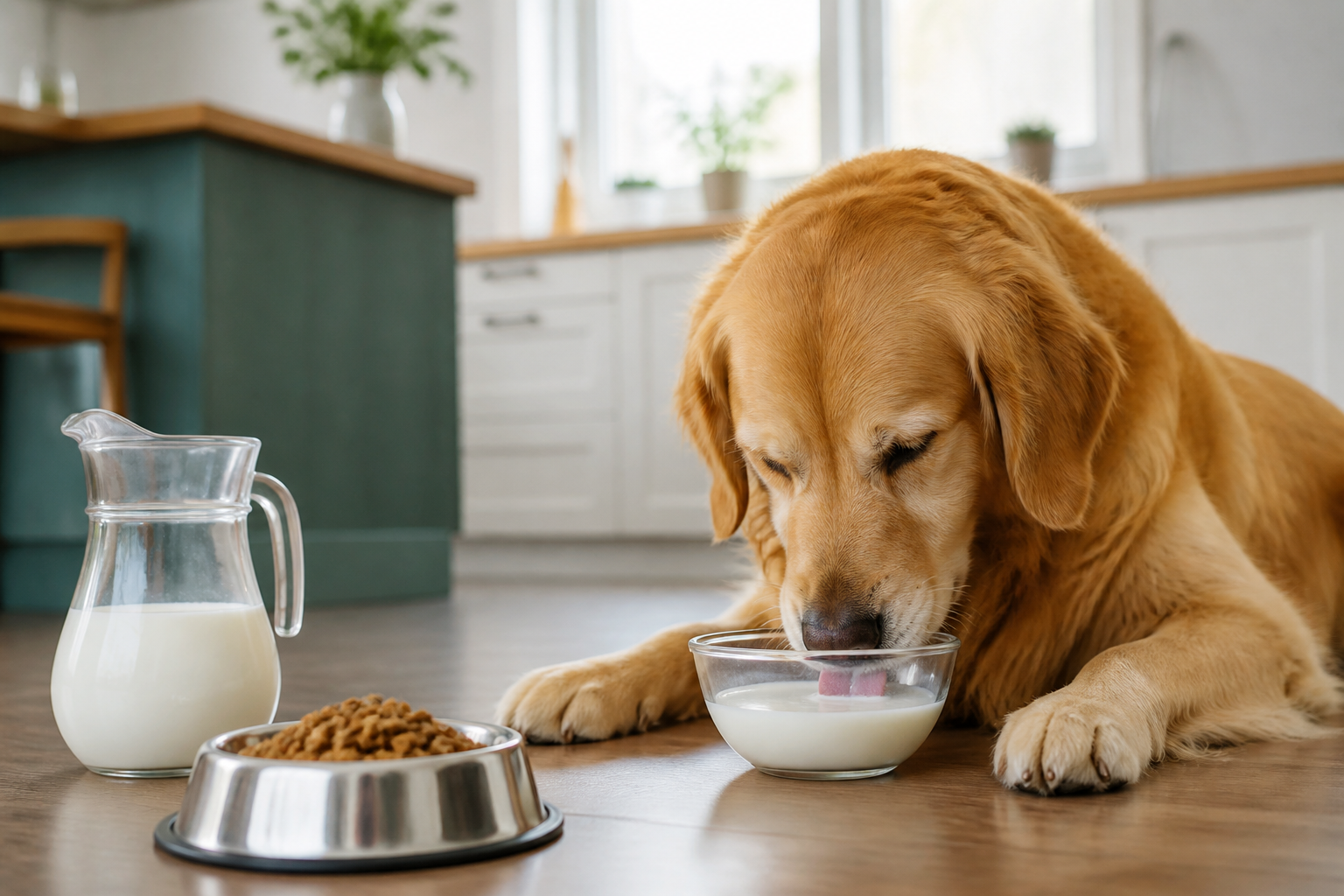
It is a common scene in many kitchens. You pour a fresh bowl of dry kibble, but your dog looks at the crunchy bits with a lack of enthusiasm. You reach into the refrigerator and consider adding a splash of milk to soften the food or make it more appealing. Many of us at BaxterBoo have faced this exact moment with our own pets. We want to provide the best nutrition while also making mealtime enjoyable.
While milk is not toxic to dogs, it is rarely the best choice for a daily food topper. Most adult dogs struggle to digest dairy products effectively. This post covers the nutritional reality of milk, the risks of lactose intolerance, and safer ways to hydrate your dog's dry food. We want to help you make informed choices that keep your dog’s digestion smooth and their energy levels high.
Quick Answer: Most adult dogs are lactose intolerant and cannot properly digest the sugars in cow's milk. While a small amount is not toxic, adding milk to dry food often leads to gas, bloating, and diarrhea. Plain water or low-sodium bone broth are much safer ways to moisten kibble.
Understanding the Canine Digestive System
To understand why milk might cause issues, we have to look at how a dog’s body works. Puppies are born with high levels of an enzyme called lactase. This enzyme allows them to break down the lactose found in their mother’s milk. It is a vital part of their early growth and development.
As puppies grow and transition to solid food, their bodies change. Most dogs produce significantly less lactase once they are weaned. By the time they reach adulthood, many dogs lose the ability to process dairy almost entirely. This is known as lactose intolerance. It is a very common condition across almost all dog breeds.
When a lactose-intolerant dog consumes milk, the lactose stays in their digestive tract. It does not get broken down into simple sugars. Instead, it sits in the colon and begins to ferment. This process creates gas and draws water into the intestines. The result is often a very uncomfortable dog and a messy cleanup for the owner.
Common Signs of Lactose Intolerance
If you have shared dairy with your dog recently, watch for these specific signs of distress. These symptoms usually appear within 12 hours of consumption:
- Loose stools or sudden diarrhea
- Abdominal bloating or a visible distension of the stomach
- Excessive gas and flatulence
- Vomiting or clear signs of nausea
- Abdominal pain, often shown by whining or restlessness
Vet Tip: If your dog experiences severe vomiting or diarrhea after consuming milk, consult your veterinarian. Persistent digestive upset can lead to dehydration. For dogs with chronic sensitivities, our dog pharmacy offers prescription diets and medications through our partnership with Pet's Choice to help manage gastrointestinal health.
The Nutritional Reality of Milk
Many owners believe that adding milk to dry food provides a boost of calcium and protein. While milk does contain these nutrients, it is important to look at the full picture. Most high-quality dry foods are already formulated to be complete and balanced. Brands like Royal Canin, Farmina, and NutriSource spend years perfecting their recipes. They already contain the precise amount of calcium and protein your dog needs.
Milk adds extra calories and fats that your dog might not require. Whole milk is particularly calorie-dense. If you add it to every meal, it can quickly contribute to weight gain. Obesity is a significant health risk for dogs. It puts extra strain on their joints and can lead to more serious conditions like diabetes or heart disease.
Lactose is also a form of sugar. Even though it is a natural sugar, it can still impact a dog's health over time. Excess sugar intake can contribute to dental issues and unhealthy energy spikes. For most dogs, the nutritional benefits of milk do not outweigh the potential for digestive upset and weight gain.
Key Takeaway: Milk is a source of extra calories and sugar that most dogs do not need if they eat a balanced dry food. The risk of digestive distress usually outweighs the minor nutritional gains from the calcium or protein in the milk.
Why People Add Milk to Dry Food
There are three main reasons pet owners consider adding milk to a bowl of kibble. Understanding these motivations helps us find better solutions that do not involve dairy.
To Soften the Kibble
Senior dogs or puppies with losing teeth often struggle with hard, crunchy bits. Softening the food makes it much easier for them to chew and swallow. While the goal is to help, the lactose in the milk remains a problem. You can achieve the same texture results using much safer liquids that are easier on the stomach.
For more ideas, read our guide on how to wet dry dog food for better digestion and hydration.
To Encourage Picky Eaters
Some dogs are simply bored with their dry food. The rich scent and creamy taste of milk can make a bowl of kibble seem like a gourmet treat. However, this often backfires. It can create a habit where the dog refuses to eat unless you add a "special" topper. This makes it harder to maintain a consistent and healthy feeding routine.
To Increase Hydration
Hydration is vital for dogs that only eat dry food. Kibble typically contains only about 10 percent moisture. Some owners worry their dogs are not drinking enough from their water bowls. They try to "force" hydration by mixing liquid directly into the food. While the intent is excellent, milk is a poor tool for hydration compared to plain, fresh water.
Our article on whether water should be added to dry dog food covers additional ways to improve mealtime hydration.
Better Alternatives for Moistening Dry Food
If you want to enhance your dog’s meal, you have several options that provide moisture and flavor without the risk of an upset stomach. These alternatives are much more compatible with a dog's natural digestive needs.
Plain Warm Water
Water is the simplest and safest solution. Adding warm water to dry food creates a light gravy as the starches in the kibble break down. It enhances the natural aroma of the food, which can entice a picky eater. It is 100 percent lactose-free and calorie-free.
Low-Sodium Bone Broth
Bone broth is a fantastic way to add flavor and nutrients like collagen to a meal. However, you must ensure the broth is specifically made for dogs. Most store-bought broths for humans contain onions, garlic, and high levels of salt. These ingredients can be toxic or harmful to dogs. We carry several dog-safe broth options and toppers in our dog food supplement category from brands like The Honest Kitchen and Stella and Chewy's.
Goat Milk
Interestingly, many dogs find goat milk much easier to digest than cow's milk. It contains smaller fat globules and slightly lower levels of lactose. Many pet owners use fermented or raw goat milk as a probiotic topper. It can support gut health rather than hurting it. If you are determined to use a milk product, goat milk is a much safer path.
Our guide to adding nutritious toppers to dry dog food includes additional meal-enhancing options.
Comparison of Liquid Toppers
| Liquid Type | Digestibility | Nutritional Benefit | Recommended? |
|---|---|---|---|
| Cow Milk | Low | High fat/sugar | No |
| Plain Water | High | Pure hydration | Yes |
| Bone Broth | High | Collagen/Minerals | Yes (Dog-safe only) |
| Goat Milk | Medium/High | Probiotics | Yes (In moderation) |
| Almond/Oat Milk | Low | High fillers/Xylitol risk | No |
The Dangers of Plant-Based Milks
In many modern homes, cow's milk has been replaced by almond, oat, or soy milk. You might wonder if these are better for your dog since they do not contain lactose. Unfortunately, plant-based milks come with their own set of risks.
The biggest danger is a sweetener called Xylitol. It is also sometimes listed as birch sugar. Xylitol is extremely toxic to dogs and can be fatal even in very small amounts. Many nut milks and "light" dairy products use this sweetener to reduce calories.
Even without Xylitol, plant-based milks often contain thickeners like carrageenan or various gums. These ingredients can irritate a dog’s digestive lining. A dog’s body is designed to process animal proteins and fats. They do not have a biological need for the processed extracts found in almond or oat milk. It is best to avoid these entirely.
How to Properly Transition Your Dog Off Milk
If you have been adding milk to your dog's dry food and want to stop, it is best to do it gradually. A sudden change in diet can sometimes cause a minor stomach upset, even if you are moving to a healthier option.
Step 1: Reduce the milk volume.
For the first two days, replace a small portion of the milk with warm water. If you usually use half a cup of milk, use a quarter cup of milk and a quarter cup of water.
Step 2: Increase the water ratio.
By day three, use only a splash of milk for flavor and fill the rest of the volume with water or a dog-safe bone broth. This allows your dog's taste buds to adjust to the new flavor profile.
Step 3: Eliminate the milk entirely.
By day five, your dog should be eating their dry food with just water or broth. You will likely notice firmer stools and much less gas almost immediately.
Step 4: Monitor and adjust.
Keep an eye on your dog's appetite. If they seem reluctant to eat, try slightly warming the water or broth to increase the scent of the kibble.
Bottom line: Transitioning from milk to water or broth usually takes less than a week and results in much better long-term digestive health.
When to Consult the BaxterBoo Pharmacy
Sometimes, digestive issues persist even after you remove dairy from the diet. If your dog has a sensitive stomach or known food allergies, they may need a specialized approach. Our pharmacy carries FDA-approved medications and prescription diets through our partnership with Pet's Choice.
If your veterinarian recommends a specific therapeutic food for digestive health, we can help fulfill that order. We carry brands like Farmina Vet Life and Royal Canin Veterinary Diet. These products are specifically designed for dogs with chronic health needs. Using our Autoship programme for these items ensures you never run out and can save you money on every order.
We also offer a variety of supplements that can help repair a gut that has been irritated by dairy. Probiotics and digestive enzymes are often helpful for dogs transitioning back to a strictly dry food diet. These can help rebuild the healthy bacteria in the gut and make digestion more efficient.
Maintaining Freshness and Consistency
One reason dogs might seem to want milk on their food is that the kibble has lost its appeal. When dry food is exposed to air, the fats can begin to oxidize. This makes the food smell and taste stale. Using a high-quality airtight container can keep the food fresh for much longer.
Consistency is the foundation of a healthy dog. Feeding the same amount of high-quality food at the same time every day helps regulate their digestive system. When we add random toppers like milk, we disrupt that rhythm. Stick to a reliable schedule and use safe, consistent toppers like water or bone broth.
If you are looking for ways to reward your dog without upsetting their stomach, consider our selection of dog treats. We carry brands like Kong, Greenies, and Zesty Paws that offer functional benefits alongside a great taste. Many of these are designed to be low-calorie and easy to digest, making them a much better choice than a bowl of milk.
Key Takeaway: Proper food storage and a consistent feeding routine are often more effective at encouraging a dog to eat than adding dairy toppers.
Conclusion
While it is tempting to share your morning milk with your dog, it is rarely the best choice for their health. Most adult dogs cannot process lactose, leading to digestive discomfort that far outweighs any minor nutritional benefits. By choosing safer alternatives like warm water or dog-safe bone broth, you can soften kibble and entice picky eaters without the risk.
- Adult dogs lack the lactase enzyme needed to digest cow's milk.
- Milk adds unnecessary calories, fats, and sugars to a balanced diet.
- Lactose intolerance causes gas, bloating, and diarrhea.
- Water and bone broth are safer, lactose-free ways to moisten dry food.
- Always check plant-based milks for toxic Xylitol.
If your dog is struggling with ongoing digestive issues or requires a prescription diet, our pharmacy is here to help. You can also join the MVP Rewards programme to earn points on every purchase of food, treats, and wellness supplies. We are dedicated to providing you with the products and knowledge you need to keep your dog thriving for years to come.
Bottom line: Skip the cow's milk and stick to water or dog-safe broths to keep your dog's dry food both delicious and digestible.
FAQ
Can I give my dog lactose-free milk?
Lactose-free milk is safer than regular cow's milk because the problematic sugars have been removed. However, it still contains fats and calories that your dog likely does not need if they are eating a complete and balanced dry food. If you choose to use it, offer it only as an occasional treat rather than a daily topper for their kibble.
Why does my dog seem to love milk if it is bad for them?
Dogs are often drawn to the high fat and protein content in milk, and they do not associate the taste with the digestive upset that happens hours later. Just because a dog enjoys the flavor of a food does not mean it is healthy for their specific digestive system. As an owner, it is your job to choose toppers that provide long-term wellness rather than just immediate satisfaction.
Is goat milk better for dogs than cow's milk?
Yes, goat milk is generally easier for dogs to digest because it has smaller fat globules and slightly less lactose. Many pet owners use fermented goat milk as a source of probiotics to support gut health. While it is a better option than cow's milk, it should still be introduced slowly and used in moderation to avoid adding too many calories to the diet.
How much milk is too much for a dog?
For most dogs, even a few tablespoons can cause gas or loose stools. There is no "safe" amount that applies to every dog because lactose tolerance varies so much between individuals. It is best to avoid making it a regular part of their diet. If you want to soften dry food, stick to water or a low-sodium broth to ensure your dog stays comfortable.






