
 Save 15% on your 1st Autoship learn more

 Email us
 Live Chat
 FAQs
FAQs





Introduction
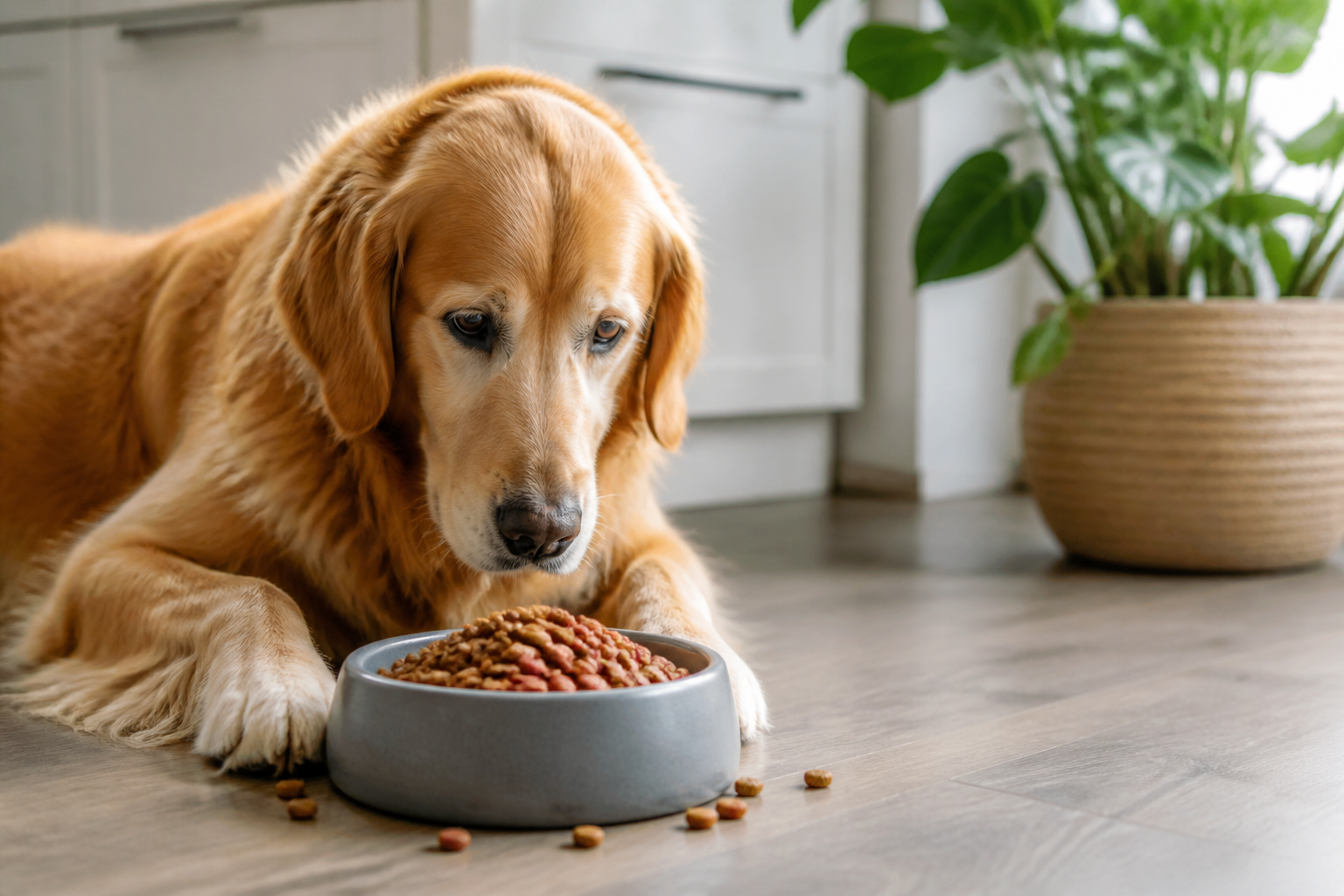
You are reaching into the back of your pantry and find a bag of kibble you forgot was there. Maybe you bought it on sale months ago or it was tucked behind the treats. You check the date and realize it passed its "Best By" mark a few weeks ago. It is a common moment of hesitation for many pet owners. You want to save money and avoid waste, but your dog’s health is the top priority.
At BaxterBoo, we know that keeping your pet’s bowl filled with fresh, nutritious food is a daily commitment. This post covers the differences between quality dates and safety dates. We will explain how kibble changes over time and the real risks of feeding spoiled food. Our goal is to help you decide when to keep the bag and when it is time to toss it for your dog’s safety. If you need a fresh replacement, browse our dry dog food category.
Understanding the Dates on Your Dog’s Food Bag
The dates printed on dog food packaging can be confusing. Most manufacturers in the United States use "Best By" or "Best If Used By" dates rather than strict expiration dates. These dates are generally about quality and nutritional potency rather than immediate safety. They tell you how long the manufacturer guarantees the food will be at its peak freshness and meet the nutrient levels listed on the label.
Pet food is not required by the FDA to have these dates, but almost every reputable brand provides them. Once that date passes, the food does not suddenly turn into poison. However, the clock starts ticking on several chemical processes. The vitamins begin to break down, and the fats can start to oxidize. If the bag is unopened and has been stored in a climate controlled environment, it is often considered acceptable for a short window past the date.
If the food is six months to a year past the date, most experts recommend discarding it. Even if it looks fine, the nutritional profile has likely changed. Puppies and senior dogs with specific health needs rely on precise vitamin levels. Feeding them food that has lost its potency can lead to long-term health gaps.
The Science of Spoilage: What Happens to Old Kibble
To understand why old food can be a problem, you have to look at the ingredients. Most dry dog foods contain fats and oils to provide energy and skin support. These fats are the most vulnerable part of the kibble. When fats are exposed to oxygen, they undergo a process called lipid oxidation. This is what creates that classic "rancid" smell.
Lipid Oxidation and Rancidity
Rancidity is more than just a bad smell. It is a chemical change that creates harmful free radicals. These can damage cells in your dog’s body over time. Foods high in fish oils or flaxseed are often the first to go bad. These unsaturated fats are very healthy for your dog, but they are also very unstable.
Natural preservatives like Vitamin E (tocopherols) or Rosemary extract help slow this down. However, natural preservatives do not last as long as synthetic ones. If you buy premium, natural dog food, you must be even more diligent about checking the dates. Once the preservatives are "used up," the fats begin to degrade rapidly.
Vitamin Degradation
Vitamins are sensitive to light, heat, and age. Vitamin A, Vitamin E, and the B-complex vitamins are often the first to lose their strength. Manufacturers usually include a "nutrient overage" to account for some loss during shipping and storage. But once you pass the best-by date, those levels can drop below what is legally required for a balanced diet.
Key Takeaway: The fats in dog food are usually the first thing to spoil. Rancid fats can cause digestive issues and reduce the overall nutritional value of the meal.
How to Tell if Dry Dog Food Has Gone Bad
Your dog has a much better sense of smell than you do. If they are usually a fast eater but suddenly hesitate at the bowl, listen to them. They might be smelling the early stages of rancidity before you can detect it. There are several physical signs to look for when inspecting a bag of old kibble.
- The Smell Test: Fresh kibble should smell like the ingredients, usually grain or meat. If it smells like old paint, wet cardboard, or has a sour, fermented odor, it is likely rancid.
- Texture Changes: Dry food should be crunchy. If the kibble feels soft, oily, or crumbly, moisture may have gotten into the bag. This creates a breeding ground for bacteria and mold.
- Visible Mold: You might not see fuzzy green mold like you do on bread. Mold in dog food can look like white dust or dark spots on the kibble. If you see any signs of mold, throw the entire bag away.
- Pest Infestation: Insects like storage mites or moths love old dog food. If you see webbing, small crawling bugs, or larvae in the bag, the food is contaminated.
For more guidance on identifying spoilage, read our tips for telling whether dry dog food has gone bad.
Quick Answer: It is generally not okay to feed dry dog food that is significantly out of date or showing signs of spoilage. While a few days past the "best by" date may be safe for unopened bags, rancid fats and mold can make your dog very sick.
The Risks of Feeding Out of Date Food
Feeding your dog expired food is a gamble. For some dogs, it might just lead to a slightly upset stomach. For others, the consequences can be much more severe. Contaminated or spoiled food can harbor harmful pathogens and toxins.
Bacterial Growth
Salmonella and E. coli can grow in dog food, especially if the bag has been exposed to humidity. While dry food is processed at high temperatures to kill these bacteria, moisture can introduce them back into the bag. This is particularly dangerous if you have children or elderly family members in the home, as they can contract these illnesses from handling the food.
Mycotoxins and Mold
Certain types of mold produce mycotoxins, such as aflatoxin. These are extremely dangerous to dogs and can cause liver failure or even death. Manufacturers test for these during production, but they can develop in your home if the food is old and stored in a warm or damp area.
Gastrointestinal Distress
The most common result of feeding old food is vomiting and diarrhea. Rancid fats irritate the lining of the stomach and intestines. If your dog eats a large meal of spoiled food, they might experience acute bloating or severe dehydration from fluid loss.
For additional freshness guidance, see how long dry dog food stays fresh after opening.
Vet Tip: If your dog accidentally eats spoiled food and begins vomiting, acting lethargic, or having bloody diarrhea, contact your veterinarian immediately. These could be signs of food poisoning or toxic ingestion.
Why Storage Matters More Than the Date
The date on the bag assumes the food has been stored correctly. A bag that is "in date" but was left in a hot garage for a week might be in worse shape than a bag that is one month past the date but kept in a cool pantry. Heat and oxygen are the two biggest enemies of fresh kibble.
Most people make the mistake of pouring the food directly into a plastic storage bin. We recommend keeping the food in its original bag instead. Pet food bags are highly engineered. They are often lined with a barrier that prevents fats from seeping out and oxygen from seeping in. When you pour the food into a plastic bin, the oils from the previous bag can stick to the plastic and go rancid. This then contaminates the new food you pour in.
Instead, place the entire bag inside a secondary airtight container. This gives you two layers of protection. It also ensures you keep the lot code and expiration date information in case of a product recall.
Best Storage Practices
Step 1: Keep the food in its original packaging. Fold the top down tightly after every use.
Step 2: Use a bag clip to ensure a tight seal. This minimizes the amount of air the food is exposed to daily.
Step 3: Store the bag in a cool, dry place. Temperatures should stay below 80 degrees Fahrenheit. Avoid the garage or areas near the washing machine where humidity is high.
Step 4: Check the bag for any holes or tears. Pests can enter through the smallest openings.
Read our dry dog food storage tips for more ways to protect an opened bag.
Bottom line: Proper storage in the original bag can extend the life of your food, while poor storage can make it spoil long before the date on the bag.
When to Toss the Bag Immediately
Sometimes there is no room for debate. You should never try to "save" dog food if certain conditions are met. If you see any signs of mice or rats having chewed on the bag, throw it out. Rodents carry diseases that can be transmitted through their saliva and droppings.
If the bag was ever submerged in water or got wet during a leak, it is gone. Moisture trapped in a bag of kibble will grow mold within hours. Even if the top looks dry, the bottom of the bag could be a hazard.
If your dog is on a prescription diet, the stakes are higher. These foods are formulated to manage specific medical conditions like kidney disease or urinary crystals. When these foods go out of date, the therapeutic balance is lost. Our pet pharmacy carries a wide range of FDA approved prescription pet foods and medications through our partnership with Pet's Choice. If you realize your prescription kibble is expired, do not risk your dog’s stability. Check our pharmacy for a fresh replacement to ensure your dog continues to get the exact medical support they need.
Transitioning to a Fresh Bag
If you decide to throw away an old bag and start a new one, be careful with the transition. If your dog has been eating "stale" food for a few days, their stomach might be slightly sensitive. Jumping into a brand new bag of a different formula can cause further upset. Try to stick with the brand they know to keep their digestion steady.
We carry over 500 trusted brands like NutriSource, Open Farm, and Stella and Chewy’s. If you are looking for a fresh start, our selection ensures you can find a high quality option that fits your budget. We focus on expertly curated products so you can feel confident that whatever you choose is picked by people who care about pets.
Tips for Managing Your Dog Food Supply
To avoid the "is this okay" dilemma in the future, it helps to change how you buy and track your food. Buying the largest bag available might save a few dollars, but it is not a deal if half the bag goes stale before your dog can finish it.
- Buy for the Month: Try to buy a bag size that your dog will finish within 6 to 8 weeks. This is the sweet spot for peak freshness once a bag has been opened.
- Check Dates at the Store: When shopping in person or receiving an order, look for dates that are at least six months into the future.
- Use Autoship: Our Autoship program is a great way to ensure you always have a fresh bag arriving exactly when you need it. You can save on your first order and earn a free MVP Gold membership. This prevents you from needing to "stockpile" old bags in the pantry.
- Label the Opening Date: Use a permanent marker to write the date you opened the bag right on the label. This takes the guesswork out of how long it has been sitting there.
Dealing with Digestive Upset
If your dog did eat some out of date food and is now acting a bit off, you might need to support their recovery. Often, a bland diet for a day or two can help. We offer various digestive supplements and probiotics that can help balance the gut bacteria after a dietary indiscretion.
However, if the symptoms do not clear up quickly, a vet visit is necessary. They can check for more serious issues like bacterial infections or toxicity. Always bring a photo of the food label and the expiration date to the clinic so the vet knows exactly what your dog consumed.
Key Takeaway: Freshness is a key pillar of pet health. While dry food is convenient, it is still a perishable product that requires careful handling and monitoring.
Summary of Guidelines
Deciding whether to feed old kibble comes down to a few factors. An unopened bag that is a week or two past its date is likely fine if it was stored in a cool place. An opened bag that has been sitting for months is a much higher risk. Use your senses and your dog’s reactions as your primary guide. If the food smells off or your dog walks away, trust that instinct.
At BaxterBoo, we believe that providing quality food is one of the best ways to show your dog love. Since 2006, we have helped owners navigate these everyday care questions. Whether you are visiting our warehouse in Vernon Hills or ordering online, we are here to provide the gear and guidance you need.
For your next bag, consider signing up for our MVP Rewards programme to earn up to 5% back on your purchases. It is a simple way to keep your dog’s bowl full of fresh, safe food without breaking the bank. Keeping your pet’s nutrition on track is the best way to ensure many more happy, healthy years together.
FAQ
How long does dry dog food stay fresh after opening?
Once a bag of dry dog food is opened, it stays at its peak freshness for about 6 to 8 weeks. After this period, the exposure to oxygen causes the fats to begin oxidizing and the nutritional value to drop. To maximize this time, always keep the food in its original bag and seal it tightly with a clip after every meal.
Can I feed my dog food that is one month past the expiration date?
If the bag is unopened and has been stored in a cool, dry area, it is usually safe to feed a month past the "best by" date, though some nutrients may be slightly diminished. However, if the bag has been opened for a long time or smells sour, you should discard it. Always check for mold or a "paint-like" smell before serving.
What are the symptoms of a dog eating spoiled dry food?
The most common symptoms include vomiting, diarrhea, and a loss of appetite. In more severe cases involving mold or heavy bacterial growth, a dog might show signs of lethargy, tremors, or extreme abdominal pain. If your dog shows any of these signs after eating old food, you should contact your veterinarian for advice and possible treatment.
Is it better to store dog food in a plastic bin or the original bag?
It is much better to keep the food in the original bag. These bags are designed with special liners to keep fats fresh and prevent oxygen from reaching the kibble. If you want to use a plastic bin, place the entire bag inside the bin rather than pouring the kibble directly against the plastic, which can trap old, rancid oils.






