
 Save 15% on your 1st Autoship learn more

 Email us
 Live Chat
 FAQs
FAQs





Introduction
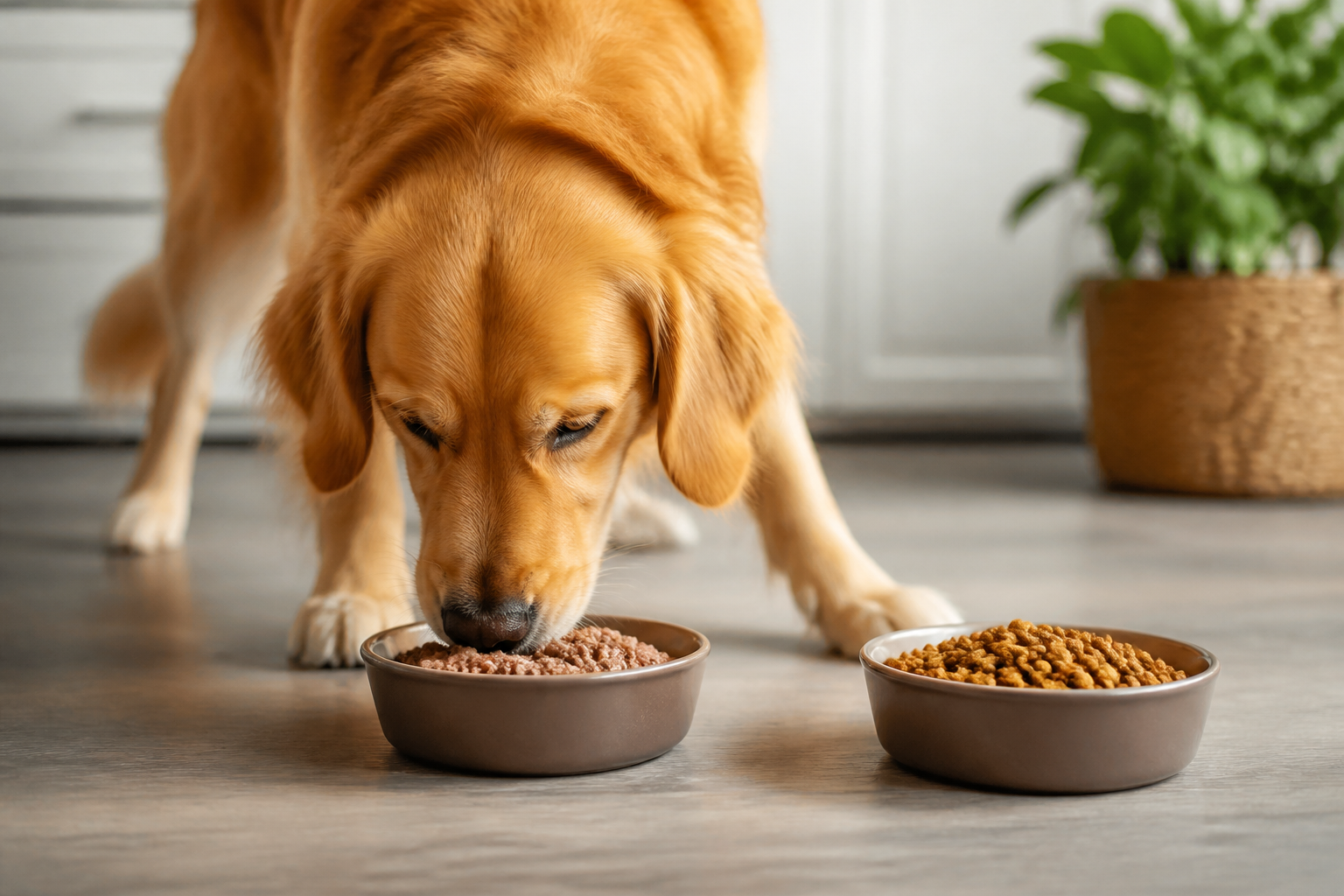
Standing in the pet food aisle can feel like a test you did not study for. You might be staring at a wall of colorful bags and stacks of shiny cans, wondering if your dog would be healthier with one or the other. Maybe your pup has started turning their nose up at their usual kibble, or perhaps you are managing a new health concern like kidney issues or weight gain. At BaxterBoo, we have spent years helping pet parents navigate these exact questions by looking at the science and the practical reality of daily feeding. This guide covers the nutritional differences, cost considerations, and health impacts of both formats. You will learn how to choose the right texture for your dog and how to combine both for the best results. The right choice depends entirely on your dog's age, health status, and personal preferences.
Understanding the Manufacturing Process
The debate over whether wet or dry food is better often starts with how the food is made. Both types are formulated to be nutritionally complete and balanced, but the way they reach the bowl is very different. Dry food, commonly known as kibble, goes through a process called extrusion. This involves mixing dry and wet ingredients into a dough, which is then cooked under high pressure and temperature. The dough is pushed through a die to create specific shapes. After the shapes are cut, they are dried to remove moisture and sprayed with vitamins, minerals, and oils.
Wet food takes a different path. The ingredients are mixed and ground, then filled into cans, pouches, or trays. A liquid like water, broth, or gravy is added to ensure the correct moisture level. Once the containers are sealed, they are heated to high temperatures to sterilize the contents. This process kills bacteria and pathogens, allowing the food to stay fresh for years without the need for synthetic preservatives.
Quick Answer: Neither format is inherently better than the other for every dog. Dry food offers convenience and dental benefits, while wet food provides superior hydration and palatability. Most pet owners find that a combination of both meets their dog's needs best.
Nutritional Breakdown: Protein, Fat, and Carbs
When you look at the labels of wet and dry food, the numbers can be confusing. A bag of kibble might list 25 percent protein, while a can of wet food lists only 8 percent. This does not mean the kibble has three times more protein. The difference is the water content. To compare them fairly, you have to look at the dry matter basis. This calculation removes the water so you can see the actual nutrient density.
Dry food usually contains more carbohydrates. Ingredients like grains, peas, or potatoes are necessary to act as a binder so the kibble holds its shape. If your dog is on a low carb diet, wet food is often the easier choice. On a dry matter basis, wet food typically has higher levels of animal protein and fat. This makes it a dense source of energy and essential amino acids.
- Dry food: Roughly 10 percent moisture.
- Wet food: Roughly 75 to 80 percent moisture.
- Protein: Often higher in wet food when water is excluded.
- Carbohydrates: Generally higher in dry food to provide structure.
The Hydration Factor
Hydration is one of the biggest reasons pet owners choose wet food. Water is essential for every metabolic process in a dog's body. It helps with digestion, regulates temperature, and flushes toxins through the kidneys. While many dogs are good at drinking from their water bowl, some simply do not take in enough fluids.
For dogs with a history of urinary tract infections or kidney disease, moisture in the food is vital. Increasing water intake helps dilute the urine, which can prevent the formation of certain crystals and stones. If your veterinarian has recommended a specific prescription diet for these conditions, our pharmacy for dogs is where you can start looking for supported options.
Vet Tip: If your dog has a history of bladder stones or kidney issues, talk to your vet about transitioning to a high moisture diet. They can help you determine if a prescription wet food is necessary to support renal function or urinary health.
Palatability and Picky Eaters
If your dog is a "finicky" eater, you already know the struggle of watching a full bowl of kibble go untouched. Wet food is generally much more aromatic than dry food. The cooking process inside the can preserves the natural scents and flavors of the meat. This strong aroma can entice a dog with a low appetite or a senior dog whose sense of smell is fading.
Texture also plays a role. The soft, meaty chunks in gravy or the smooth pate of canned food feel more like fresh meat to a dog. For pets that are recovering from illness or surgery, wet food can be the key to getting them to eat enough calories to heal. We often see pet parents use wet food as a topper to make plain kibble more exciting for their dogs, especially from our food topper collection.
Dental Health and the Crunch Factor
A common belief is that dry food cleans a dog's teeth because it is crunchy. While it is true that some hard kibbles can help scrape away a small amount of plaque, it is not a substitute for dental care. Most dogs shatter kibble quickly or swallow it whole, meaning there is very little contact between the food and the teeth.
However, some specialized dental diets are designed with a specific fiber matrix. These kibbles do not crumble instantly. Instead, the tooth sinks into the piece, which helps scrub the surface. If you are feeding a standard kibble, do not rely on it to keep your dog's mouth healthy. Regular brushing and professional cleanings are still the gold standard. Wet food provides almost zero mechanical cleaning, so dogs on 100 percent wet diets may need more frequent dental checkups.
Key Takeaway: Dry food provides some mechanical scraping of teeth, but it is not a replacement for brushing. Wet food offers no dental cleaning but is much easier for dogs with existing dental pain or missing teeth to eat.
Weight Management and Satiety
Managing a dog's weight is often about volume. If you have a dog that always acts hungry, wet food can be a helpful tool. Because wet food is mostly water, it has a lower caloric density by volume. This means your dog can eat a larger portion of wet food while consuming the same number of calories as a smaller scoop of kibble.
The extra volume helps your dog feel full, which can reduce begging and searching for scraps. On the other hand, kibble is very calorie dense. It is easy to overfeed a dog by just a few kibbles a day, which can lead to gradual weight gain. If your dog needs to lose weight, we recommend using a measuring cup or a kitchen scale to ensure exact portions. Our dog healthcare category is a helpful place to explore supportive options for overall wellness.
Convenience and Cost Comparison
For many households, the decision comes down to budget and lifestyle. Dry food is almost always the more economical choice. It is shelf stable for long periods, easy to store in large bags, and simple to measure. You can leave dry food out for a dog that likes to graze throughout the day without worrying about it spoiling quickly.
Wet food is more expensive per calorie. You are paying for the packaging, the water content, and the higher meat inclusion. Once a can is opened, it must be refrigerated and used within two to three days. You also cannot leave wet food in a bowl for more than an hour or two, as it can attract pests or grow bacteria.
Step-by-Step: Storing Your Dog Food Properly
Step 1: Keep dry food in its original bag. / The bags are designed to keep oxygen out and fats in. Place the entire bag inside an airtight container for the best protection.
Step 2: Store in a cool, dry place. / Humidity and heat can cause the fats in kibble to go rancid or lead to mold growth. Avoid storing food in a garage or near a heater.
Step 3: Cover and refrigerate open wet food. / Use a plastic can lid or a silicone cover to keep the food from drying out and to contain the smell. Use it within 72 hours.
Step 4: Check the "Best By" date. / Do not buy more food than your dog can eat in six weeks. Even unopened bags and cans have a limit on how long the nutrients remain at peak levels.
Life Stage Considerations: Puppies to Seniors
A dog's nutritional needs change as they age. Puppies have small mouths and sharp but fragile milk teeth. They need a lot of energy for growth. While they can eat kibble, soaking it in water or mixing it with wet food makes it much easier for them to chew. It also introduces them to different textures early in life, which can prevent them from becoming picky adults. If you are feeding a younger dog, our Puppy Shop is a natural next stop.
Senior dogs often face challenges like dental disease, decreased appetite, and reduced kidney function. Wet food addresses all these issues. It is easy on sore gums, smells strong enough to stimulate appetite, and provides the hydration needed to support aging kidneys. If your senior dog has trouble standing for long periods, wet food is also a good way to hide supplements or medications. For a deeper comparison, read Should Senior Dogs Eat Wet or Dry Food?.
Bottom line: Puppies benefit from the energy density of kibble, while seniors often thrive on the hydration and soft texture of wet food.
The Best of Both Worlds: Mixed Feeding
You do not have to choose just one. Many pet owners find that mixing wet and dry food is the ideal solution. This approach gives your dog the dental benefits and convenience of kibble with the flavor and hydration of wet food. It can also make a premium diet more affordable by using wet food as a "topper" rather than the main course.
When mixing, you must be careful with calories. You cannot simply add a half can of wet food to a full portion of kibble. This is a fast track to obesity. Use the feeding guides on both packages to find the right balance. For example, if you want to feed 50 percent of each, take half the recommended daily amount of dry and half the recommended daily amount of wet. If you are still deciding how to split things up, Should Dogs Eat Dry or Wet Food? Choosing the Best Diet is a useful guide.
- Use wet food to hide pills or supplements.
- Add a splash of warm water to wet food to increase the aroma.
- Use kibble in puzzle toys like Kongs for mental stimulation.
- Reserve wet food for the evening meal when you have more time to clean the bowl.
Transitioning to a New Food Format
Whenever you change your dog's diet, you must go slowly. Their digestive systems contain specific bacteria that help break down their current food. A sudden switch from dry to wet (or vice versa) can cause an upset stomach, gas, or diarrhea.
A standard transition should take about seven to ten days. Start by mixing 25 percent of the new food with 75 percent of the old food. After a few days, move to a 50/50 split. If your dog's stools remain firm, move to 75 percent new food. By the end of the week, you can feed the new diet exclusively. If you notice any vomiting or loose stools, slow down the process and give their system more time to adjust. If you want a fuller walkthrough, How to Switch From Dry to Wet Dog Food breaks down the process step by step.
Vet Tip: If your dog has a sensitive stomach, consider adding a probiotic supplement during the transition. Brands like Zesty Paws or Honest Paws offer options that can support gut health while your dog adjusts to a new texture or protein source.
How to Decide What is Right for Your Dog
To make the final decision, look at your dog's current health and your own daily routine. If you work long hours and your dog likes to snack while you are away, kibble is the practical choice. If you have a senior dog who struggles to stay hydrated, wet food is likely worth the extra cost and effort.
At BaxterBoo, we carry over 500 trusted brands, from premium kibbles like Orijen and Acana to high quality wet foods from Tiki Cat and Farmina. We believe in providing options that fit every budget and every health need. Whether you are shopping for a puppy's first bag of food or a senior dog's prescription diet, we are here to help you make an informed choice.
Key Takeaway: The best food is the one that your dog enjoys eating, fits your budget, and keeps them at a healthy weight with good energy levels.
Summary of Wet vs. Dry Dog Food
| Feature | Dry Dog Food (Kibble) | Wet Dog Food (Canned) |
|---|---|---|
| Moisture Content | Low (approx. 10%) | High (approx. 75-80%) |
| Cost | More affordable | More expensive per calorie |
| Convenience | Can be left out; easy to store | Needs refrigeration after opening |
| Dental Impact | May help reduce plaque | No mechanical cleaning benefit |
| Palatability | Moderate | Very high (strong aroma) |
| Shelf Life | Weeks after opening | 2-3 days after opening |
Conclusion
Choosing between wet and dry dog food does not have to be an all or nothing decision. Dry food provides unmatched convenience, cost savings, and a bit of dental support, making it the foundation of many dogs' diets. Wet food offers essential hydration, high palatability for picky eaters, and a soft texture that is perfect for puppies or seniors. Many pet parents find the sweet spot by mixing the two, ensuring their dog stays hydrated and excited for mealtime without breaking the bank. Always remember to transition slowly to avoid digestive upset and consult your veterinarian if you are managing specific health conditions. If your dog needs a specialized diet, our pharmacy for dogs can help you find the right path forward. Explore our wide range of dog food options today to find the perfect match for your pup’s unique needs.
FAQ
Is it okay to mix wet and dry dog food every day?
Yes, mixing wet and dry food is a great way to provide variety and extra hydration. However, you must adjust the portions of each to ensure you are not overfeeding. It is best to calculate the total calories your dog needs and split them between the two formats.
Does wet dog food cause more dental problems?
Wet food does not "cause" dental problems, but it provides no mechanical cleaning for the teeth like some crunchy kibbles do. Because wet food is soft and can stick to the gum line, dogs on a wet-only diet may require more frequent tooth brushing and professional dental cleanings to prevent plaque buildup.
Why is my dog suddenly refusing their dry food?
There are several reasons a dog might stop eating kibble, ranging from boredom to dental pain or underlying illness. Sometimes, the fats in an open bag of dry food can go rancid, making it taste bad. If your dog suddenly stops eating, it is important to consult a veterinarian to rule out any medical issues or tooth pain.
How long can I leave wet food in my dog's bowl?
You should generally pick up any uneaten wet food after 30 to 60 minutes. Because of its high moisture content, wet food can quickly become a breeding ground for bacteria or attract flies. If your dog does not finish their portion, it is safer to discard the leftovers and offer a fresh serving later.






