
 Save 15% on your 1st Autoship learn more

 Email us
 Live Chat
 FAQs
FAQs





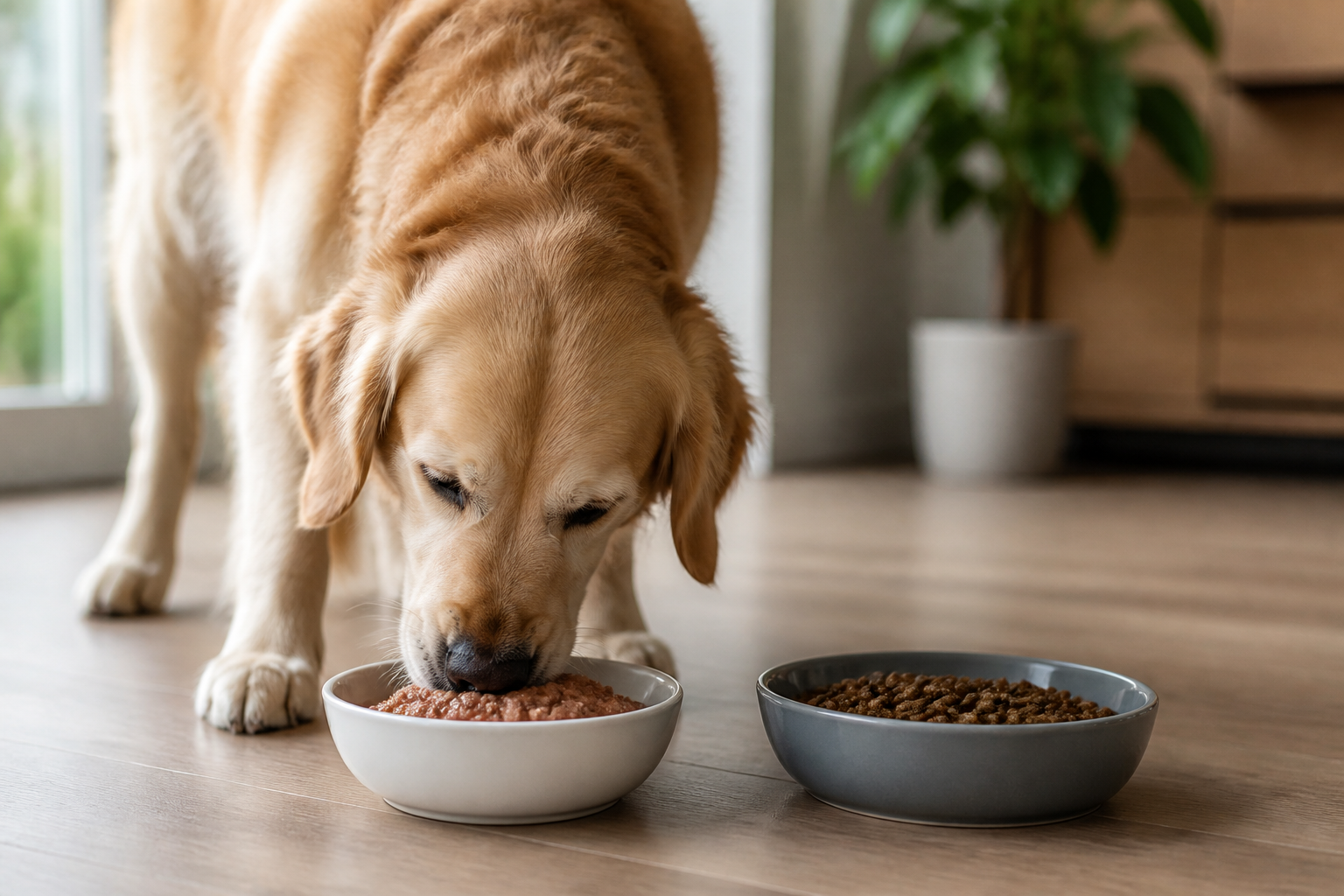
Introduction
Standing in the dog food aisle can feel like a test you did not study for. You see walls of colorful bags filled with crunchy kibble and stacks of cans filled with savory stews. You might wonder if one is clearly superior or if your dog is missing out on vital nutrients by sticking to just one format. At BaxterBoo, we hear these questions every day from pet parents who want to make the best choice for their unique dog. The truth is that both formats offer complete nutrition, but they serve different roles in a dog's life. This post covers the specific benefits of each type, how they impact health, and how to choose between them based on your dog's age and activity level. We will help you understand that "better" depends entirely on your dog's specific needs.
Quick Answer: Neither wet nor dry food is universally better. Dry food offers convenience and dental support, while wet food provides essential hydration and higher palatability. The best choice depends on your dog's health status, age, and preference.
The Physical Differences Between Wet and Dry Food
To understand which food fits your home, you first have to look at how they are made. The primary difference is moisture. Dry dog food, or kibble, usually contains only 5 to 10 percent water. Manufacturers create it by mixing ingredients into a dough, cooking it under pressure, and pushing it through a machine called an extruder. This creates the specific shapes and crunchy texture we know. After it is dried, it is often sprayed with fats and vitamins to ensure it stays fresh and tastes good.
Wet food takes a different path. It contains much more water, usually between 75 and 80 percent. The ingredients are mixed with a liquid, like water or broth, and then sealed in a can or pouch. The entire container is heated to a high temperature to kill any bacteria and create a sterile environment. This process preserves the food without needing the same level of preservatives found in some dry foods.
| Feature | Dry Dog Food (Kibble) | Wet Dog Food (Canned/Pouch) |
|---|---|---|
| Moisture Content | 5% to 10% | 75% to 80% |
| Caloric Density | High (More calories per cup) | Low (Fewer calories per cup) |
| Texture | Hard and crunchy | Soft and moist |
| Storage (Opened) | Several weeks in a cool place | 2 to 3 days (must be refrigerated) |
| Preparation | Direct from bag to bowl | Can to bowl (may require stirring) |
Why Moisture Matters for Your Dog
Water is the most important nutrient for any living thing. Because wet food is mostly water, it acts as a built-in hydration system. This is a massive benefit for dogs that do not drink enough water on their own. If you have a dog that barely touches their water bowl, wet food can help bridge that gap.
Proper hydration supports kidney function and keeps the urinary tract flushed out. For dogs with a history of kidney stones or urinary tract infections, the extra moisture in wet food is more than a convenience. It is a health necessity. Our pet pharmacy carries several prescription diets specifically formulated for these conditions. If your veterinarian recommends a specific medical diet for urinary health, you will often find that it comes in both formats.
Key Takeaway: Wet food is an excellent tool for increasing water intake in dogs with low thirst drives or those managing chronic urinary or kidney conditions.
The Advantages of Feeding Wet Dog Food
Wet food is often the winner when it comes to the dinner bowl excitement factor. Because it is moist and aromatic, it smells more like "real" food to a dog. This makes it a great choice for several specific situations.
Solving the Picky Eater Problem
Some dogs are simply more discerning about their meals. If your dog turns their nose up at dry pellets, the rich scent of a canned stew or pâté can be the breakthrough you need. The fats and proteins in wet food are more accessible to a dog's sense of smell, which is their primary way of evaluating food.
Weight Management and Satiety
It might seem strange to use a "tastier" food for weight loss, but wet food has a lower caloric density. Because it is full of water, a dog can eat a larger volume of food without taking in as many calories as they would from a handful of calorie dense kibble. This helps them feel full, or satiated, for a longer period. This is helpful for dogs that always seem hungry even when they are at their ideal weight.
Ease of Chewing for Specific Life Stages
Puppies with tiny baby teeth or seniors with missing or loose teeth often struggle with hard kibble. Wet food is easy to gum and swallow. It removes the physical barrier to eating that pain or dental weakness can create. If a senior dog is losing weight because it hurts to chew, switching to a soft food can restore their appetite and energy levels.
Bottom line: Wet food excels in palatability and hydration, making it ideal for picky eaters, seniors, and dogs needing help with weight control.
The Practical Benefits of Dry Dog Food
Even with the benefits of wet food, kibble remains the most popular choice for American pet owners. There are very practical reasons for this that go beyond just the price tag.
Convenience and Storage
Dry food is incredibly easy to manage. You can measure it out, pour it in a bowl, and leave it out for a dog that likes to graze throughout the day. It does not spoil quickly at room temperature. For a busy household, being able to buy a large bag that lasts for a month is a huge logistical win. We always recommend keeping kibble in its original bag even if you put that bag inside a plastic bin. The bags are designed to keep fats from going rancid.
Dental Health Benefits
There is a mechanical benefit to the crunch. As a dog bites down on a high quality kibble, the texture can help scrape away some of the plaque on the surface of the teeth. While it is never a substitute for regular teeth brushing or professional veterinary cleanings, it provides a daily level of "scrubbing" that wet food simply cannot offer. Some specialized dental diets are even designed to stay together longer as the tooth sinks in, maximizing this cleaning effect. Our dog dental care collection offers additional options for maintaining an oral care routine.
Enrichment and Mental Stimulation
Kibble is the perfect tool for enrichment toys. You can put it in puzzle feeders, snuffle mats, or treat dispensing balls. This forces your dog to work for their food, which burns mental energy and slows down "gulpers" who eat too fast. You cannot easily put wet food in a snuffle mat without creating a significant mess.
Value for Money
On a per calorie basis, dry food is almost always more affordable. Because you are not paying for the weight and shipping of water, your dollar goes further. For owners of large or giant breeds, feeding an entire diet of wet food can be cost prohibitive. Our dog food category makes it easy to compare dry and wet options.
Key Takeaway: Dry food offers the best value, provides mechanical dental cleaning, and works perfectly with mental enrichment toys.
How to Compare Protein and Fat Levels
A common mistake pet owners make is looking at the labels and thinking wet food is lower in protein. For example, a bag of kibble might say 26 percent protein, while a can of wet food says 8 percent. This is not a fair comparison because of the water content.
To compare them fairly, you must look at them on a "Dry Matter Basis." This means looking at the nutrients after all the water is removed. When you do the math, you will often find that wet food actually has more protein and fewer carbohydrates than dry food. If your dog needs a high protein, low carb diet, wet food might actually be the better nutritional fit despite the lower numbers on the label.
Step 1: Find the moisture percentage. / Look at the Guaranteed Analysis on the back of the can or bag.
Step 2: Subtract the moisture from 100. / This gives you the total dry matter percentage of the food.
Step 3: Divide the protein by the dry matter. / Divide the listed protein percentage by the dry matter percentage you just calculated.
Step 4: Multiply by 100. / This final number is the actual protein percentage your dog is getting.
Choosing Based on Life Stage
The needs of a puppy are very different from the needs of an old dog who spends most of the day napping on the porch.
For Puppies
Puppies are growing fast and need a lot of calories in a small package. Dry puppy food is often very calorie dense, which is great for their high energy levels. However, during the weaning process or when they are losing baby teeth, wet food is a lifesaver. Many owners find success starting with wet food and slowly introducing dry kibble as the puppy's adult teeth come in. For more ideas about softening meals, read how to wet dry dog food for better digestion and hydration.
For Adult Dogs
Most healthy adult dogs do well on either format. If your dog is active and at a healthy weight, the choice usually comes down to your lifestyle and budget. If you work long hours, the shelf stability of dry food is a major benefit. If your dog is a small breed prone to dental issues, you might lean more toward dry food with a wet topper for flavor.
For Senior Dogs
Seniors often face a decline in their sense of smell and taste. They may also have sensitive teeth or declining kidney function. This is the life stage where wet food often shines. The strong aroma encourages them to eat, and the moisture supports their aging organs. If your senior dog has a chronic condition like heart disease or diabetes, our pet pharmacy provides prescription diets in both formats to help manage those specific needs.
Vet Tip: If your senior dog suddenly stops eating their dry food, do not just assume they are being picky. A sudden change in eating habits can signal dental pain or an underlying health issue. Always consult your veterinarian before switching diets to ensure you are not masking a medical problem.
The Case for a Mixed Diet
You do not have to choose just one. Many pet parents find that a combination of wet and dry food provides the "best of both worlds." This is often called mixed feeding. By mixing the two, you get the dental benefits and cost savings of kibble along with the hydration and taste of wet food.
When mixing, it is vital to keep track of total calories. You cannot just add a can of wet food to a full serving of kibble, or your dog will quickly become overweight. You should work with your vet to determine the total calories your dog needs, then split those between the two formats.
Bottom line: Mixing wet and dry food is a great way to improve mealtime excitement while maintaining the practical benefits of kibble.
How to Transition Your Dog to a New Food
Whether you are moving from dry to wet or vice versa, speed is your enemy. A dog's digestive system needs time to adjust to new ingredients and textures. A sudden change often leads to upset stomachs, gas, or diarrhea.
Step 1: Start with a small mix. / For the first two days, use 25 percent of the new food and 75 percent of the old food.
Step 2: Move to an even split. / On days three and four, mix the old and new food in a 50/50 ratio.
Step 3: Increase the new food. / On days five and six, use 75 percent of the new food and 25 percent of the old food.
Step 4: Complete the switch. / By day seven, your dog should be ready to eat 100 percent of the new food.
For additional guidance, read how to switch from dry to wet dog food.
Safe Storage for Both Formats
Proper storage ensures your dog's food stays nutritious and safe from bacteria. For dry food, the biggest threats are air, moisture, and heat. Keep the bag clipped shut in a cool, dry pantry. If you use a storage bin, wash it thoroughly every time you empty a bag to prevent old fats from contaminating the new food.
Wet food requires more care once it is open. An open can should never sit at room temperature for more than 30 to 60 minutes. If your dog does not finish their meal, pick it up and throw it away. Unused food in the can must be covered with a tight fitting lid or plastic wrap and stored in the refrigerator. It must be used within three days. If you find your dog does not like cold food, you can let it sit at room temperature for a few minutes before serving, but never microwave the can itself.
For more storage guidance, see proper dog food storage and freshness tips.
Special Health Considerations
Sometimes the choice between wet and dry is made by a medical diagnosis. If your dog is diagnosed with a condition like diabetes, consistency is the most important factor. They need the same amount of the same food at the same time every day to manage insulin levels.
For dogs with food allergies, the choice depends on the protein source. We carry brands like Zesty Paws and Honest Paws that offer supplements to support skin health, but the foundation must be a clean diet. Many limited ingredient diets are available in both wet and dry formats. If your vet suspects a severe allergy, they may prescribe a hydrolyzed protein diet. These are available through our pet pharmacy and come in both formats to suit your dog's preference.
Making the Final Decision
When you look at the bowl, remember that the most important factor is "complete and balanced" nutrition. Look for the AAFCO statement on the packaging. As long as the food meets those standards, your dog is getting what they need to thrive.
At BaxterBoo, we carry over 500 trusted brands including names like NutriSource, Open Farm, and Stella and Chewy's. We have spent years curating a selection that works for every budget and every dog. Whether you choose the convenience of kibble or the hydration of canned food, we are here to support your journey as a pet owner.
Key Takeaway: The "better" food is the one your dog enjoys, that fits your budget, and that keeps your dog at a healthy weight with good energy levels.
Summary of the Wet vs. Dry Debate
There is no single winner in the battle between wet and dry dog food. Each has a specific set of pros and cons that make it suitable for different dogs.
- Choose Wet Food if: Your dog is a picky eater, needs more hydration, is trying to lose weight, or has dental pain.
- Choose Dry Food if: You want a cost-effective option, your dog likes to graze, you use puzzle feeders, or you want to support basic dental health.
- Choose Both if: You want to offer variety and extra hydration without breaking the bank.
If you are ready to stock up, our Autoship programme is a great way to ensure you never run out of your dog's favorite meals. You can save on your first order and earn MVP Rewards points on every purchase. Managing your dog's nutrition should be a joy, not a chore, and we are here to make that possible.
FAQ
Can I mix wet and dry food every day?
Yes, you can certainly mix wet and dry food for every meal as long as you account for the total calories. Mixing the two can actually make the transition easier if you ever need to switch to a 100 percent wet diet for medical reasons later in life. Just ensure the wet food is thoroughly mixed or used as a topper so your dog doesn't just pick out the "tasty" parts.
Is wet food worse for my dog's teeth?
Wet food does not have the mechanical scrubbing action of dry kibble, but it is not inherently "bad" for teeth. However, because wet food can stick to the gum line more easily, it may contribute to plaque if you do not have a dental care routine. No matter what you feed, regular brushing and dental treats are necessary for good oral health. For more guidance, read 10 best dental chews for dogs.
Why is wet food more expensive than dry food?
Wet food is more expensive primarily because of the water weight and the packaging. Shipping heavy cans filled with 80 percent water costs more than shipping bags of dry nutrients. Additionally, the canning process is more labor intensive and requires more expensive materials than the bags used for dry kibble.
Does wet food cause diarrhea in dogs?
Wet food does not cause diarrhea on its own, but the high moisture and fat content can be a shock to a dog used to only dry food. If you introduce it too quickly, your dog's digestive tract may react. Always use a slow 7 to 10 day transition period when adding wet food to your dog's diet to prevent stomach upset.






