
 Save 15% on your 1st Autoship learn more

 Email us
 Live Chat
 FAQs
FAQs





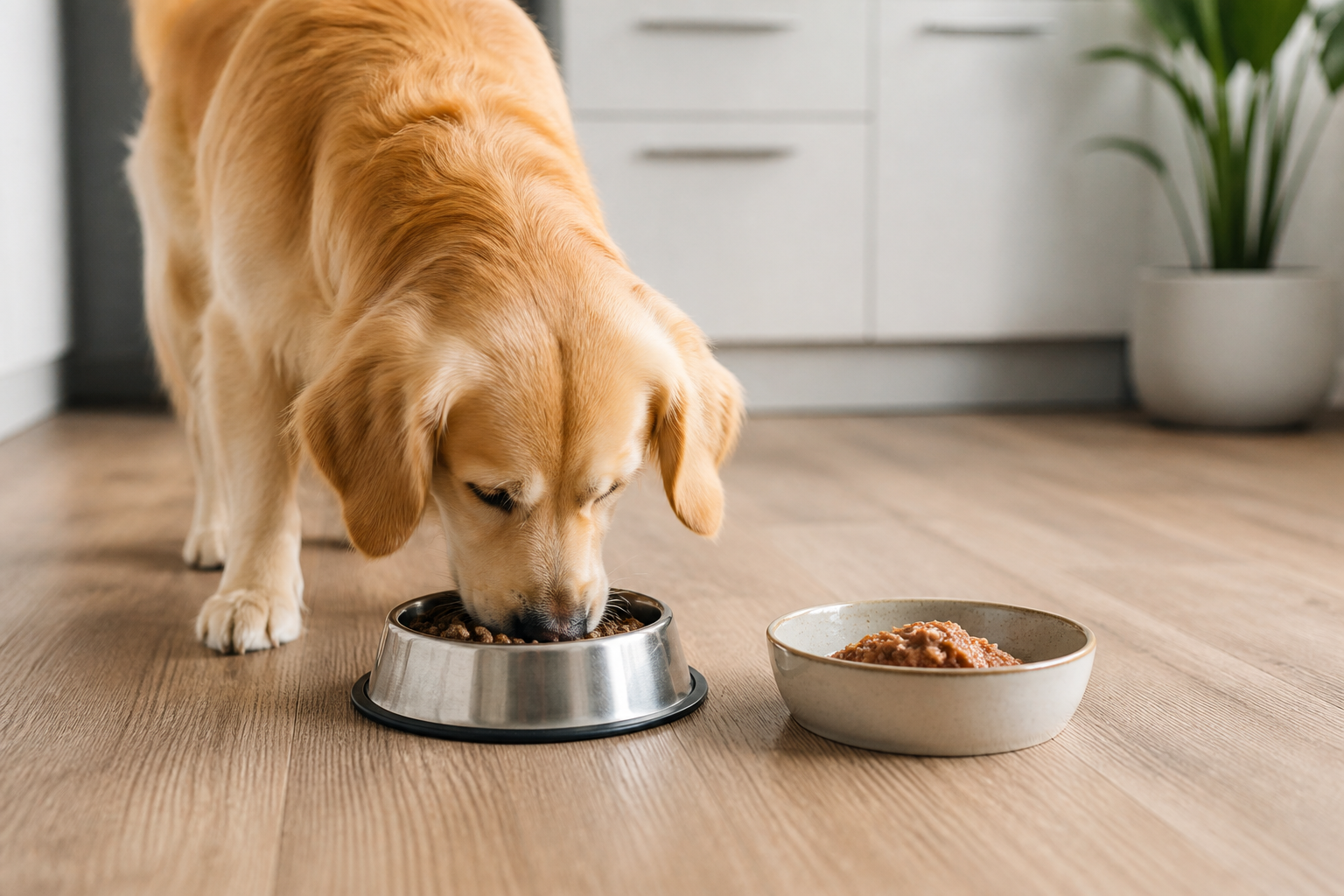
Table of Contents
- Introduction
- Understanding the Manufacturing Process
- The Case for Wet Dog Food
- The Case for Dry Dog Food
- Comparing Nutritional Density
- Health Conditions and Prescription Diets
- The Hybrid Approach: Mixing Wet and Dry
- Cost Considerations and Value
- Storage and Safety Tips
- Environmental Impact
- Making the Final Decision
- Conclusion
- FAQ
Introduction
You are standing in the pet food aisle or scrolling through the thousands of options on our website. You have a bag of crunchy kibble in one hand and a pull-top can of savory stew in the other. Your dog is likely waiting at home, ready for whatever hits the bowl. At BaxterBoo, we hear this question from pet parents every single day: is wet or dry dog food healthier? The choice feels heavy because nutrition is the foundation of your dog's entire life. This article covers the nutritional differences, the specific health benefits of each format, and how to choose based on your dog's unique needs. Both formats can be exceptionally healthy. The best choice depends entirely on your dog’s age, health status, and personal preferences.
Quick Answer: Neither wet nor dry food is universally healthier than the other. Dry food offers dental benefits and convenience, while wet food provides superior hydration and palatability. Most high-quality brands in both categories provide complete and balanced nutrition for your pet.
Understanding the Manufacturing Process
The primary difference between these two food types starts in the factory. Dry dog food, often called kibble, begins as a dough made from proteins, grains, and vitamins. This dough is cooked under high pressure and pushed through a machine called an extruder. The extruder cuts the dough into specific shapes. These pieces are then dried and sprayed with oils or fats to make them taste better. This process results in a product with very low moisture, usually around 10 percent.
Wet dog food follows a different path. Manufacturers grind the protein sources and mix them with a gravy or jelly that contains essential minerals and vitamins. This mixture is put into cans, trays, or pouches. The containers are sealed and then sterilized using heat. This cooking process preserves the food without the need for high amounts of artificial preservatives. The final product is much closer to fresh meat in texture and contains up to 80 percent moisture.
Key Takeaway: The main difference between wet and dry food is the moisture content and the way the ingredients are preserved.
The Case for Wet Dog Food
Wet food is often the go-to choice for dogs that are picky or have specific health challenges. Because it is cooked in the container, it retains a strong, meaty aroma. This scent is much more appealing to a dog’s nose than dry pellets. If your dog turns their nose up at dinner, a high-quality option from our wet dog food category can often jumpstart their appetite.
Hydration is the biggest biological advantage of wet food. Many dogs do not drink enough water from their bowls. Feeding a diet high in moisture helps support kidney function and urinary tract health. It can also help dogs feel fuller for longer. Because wet food is less calorie-dense than kibble, your dog can eat a larger portion without consuming extra calories. This makes it a great tool for weight management.
Benefits for Senior Dogs
As dogs age, they may develop dental issues or a declining sense of smell. Wet food is much easier to chew for a dog with missing teeth or sore gums. The soft texture allows them to eat comfortably without the pain of crunching hard kibble. The intense aroma also helps older dogs stay interested in their food even if their senses are dulling.
Digestive Health
Wet food is generally easier to digest for dogs with sensitive stomachs. It often contains fewer synthetic binders and fillers than dry kibble. Many pet parents find that dogs prone to constipation do better on a wet diet. The extra water helps keep the digestive tract moving smoothly.
Vet Tip: If your dog has a history of urinary stones or kidney disease, wet food is often the preferred choice. The high moisture content helps flush the system and keeps the kidneys hydrated. Always consult your veterinarian before making a major dietary change for a dog with a chronic condition.
The Case for Dry Dog Food
Dry dog food remains the most popular choice for American pet owners for several practical reasons. It is generally more affordable than wet food when you compare cost per calorie. You are not paying for the weight of the water. This makes it a budget-conscious choice for owners of large breeds like Labradors or Golden Retrievers. You can compare formulas in our dry dog food category.
Convenience is another major factor. You can leave dry food out for several hours without it spoiling. This is ideal for "grazers" who prefer to eat small amounts throughout the day. It is also much easier to store. A large bag of NutriSource or Acana can stay fresh for weeks in an airtight container, whereas an open can of wet food must be refrigerated and used within three days.
Dental Health Benefits
One of the most cited benefits of dry food is its impact on oral health. The mechanical action of chewing crunchy kibble can help scrape away some plaque and tartar from the teeth. Some specific dental diets are even shaped to maximize this cleaning effect. While kibble is not a substitute for regular brushing, it can be a helpful part of a dental hygiene routine.
Mental Enrichment
Dry food is the perfect tool for mental stimulation. You can hide kibble in puzzle toys, like those made by Kong, to make your dog work for their meal. This slows down fast eaters and provides cognitive exercise. You cannot easily put wet food into most standard treat-dispensing toys without creating a significant mess.
- Easy to portion with a standard measuring cup.
- Does not require refrigeration after opening if kept in a cool, dry place.
- Lower odor, which some owners prefer.
- Compatible with most automatic feeders.
Bottom line: Dry food is superior for convenience, dental maintenance, and cost-effectiveness for large-breed households.
Comparing Nutritional Density
When comparing labels, you might notice that wet food looks like it has much less protein than dry food. This is often an illusion caused by the water content. To accurately compare the two, you must look at the nutrition on a "dry matter basis." This means calculating the protein or fat content as if all the water were removed.
For example, a wet food with 8 percent protein and 75 percent moisture actually has a dry matter protein content of 32 percent. A dry food with 27 percent protein and 10 percent moisture has a dry matter protein content of 30 percent. In this scenario, the wet food is actually higher in protein. Always do this math if you are looking for a high-protein diet for an active dog.
Key Takeaway: Never compare protein percentages on a wet food label directly to a dry food label without adjusting for moisture content.
Health Conditions and Prescription Diets
Sometimes the choice between wet and dry is made by a veterinarian. Certain medical conditions require very specific nutrient profiles. These are often found in prescription diets. Our veterinary diet category carries specialized food options for dogs with specific dietary needs. Whether your dog needs a specialized diet for heart health, diabetes, or severe allergies, these foods come in both wet and dry formats.
If your dog is managing a condition like pancreatitis, they may need a low-fat dry food. If they have chronic kidney disease, a low-protein, high-moisture wet food might be the standard recommendation. We recommend working closely with your vet to determine which format supports your dog's medical treatment plan.
The Hybrid Approach: Mixing Wet and Dry
You do not have to choose just one. Many pet parents find that a combination of both is the healthiest and most practical solution. This is often called "topping" or "mixing." By adding a spoonful of wet food to a bowl of kibble, you provide the aroma and hydration of canned food while keeping the dental benefits and lower cost of dry food. For more guidance, read how to mix dry dog food with wet food.
Benefits of Mixing
Mixing provides a variety of textures, which can prevent your dog from getting bored with their meals. It also ensures they get a boost of hydration every day. If you use this method, be careful not to overfeed. Wet food is still a source of calories. You should reduce the amount of dry kibble whenever you add a wet topper.
Transitioning Between Types
If you decide to switch from one to the other, do it slowly. A sudden change in diet can cause an upset stomach or diarrhea. This gradual food-transition guide offers a step-by-step approach.
Step 1: Start by mixing 25 percent of the new food with 75 percent of the old food. Step 2: After three days, move to a 50/50 split. Step 3: After another three days, feed 75 percent of the new food. Step 4: By day ten, your dog should be fully transitioned to the new diet.
Vet Tip: Watch your dog's stool consistency during any transition. If you notice persistent loose stools or vomiting, stop the transition and contact your veterinarian for advice.
Cost Considerations and Value
Budget is a reality for every pet owner. Wet food is almost always more expensive on a daily basis. This is especially true for large dogs that require a high volume of food. If you want the benefits of wet food but need to stick to a budget, consider using wet food as a special treat or a topper rather than the sole meal.
At BaxterBoo, we offer several ways to make high-quality nutrition more affordable. Our MVP Rewards program allows you to earn up to 5 percent back on your purchases. We also have a Frequent Buyer Program for many of our top brands. This means you can earn free bags or cases of food over time. Using these programs helps you provide the best possible nutrition without overspending.
Storage and Safety Tips
Proper storage is vital for keeping any dog food healthy. For dry food, keep it in the original bag and place that bag inside a sealed plastic or metal bin. This protects the fats in the food from turning rancid when exposed to air. Do not pour the food directly into the bin, as old oils can build up on the walls and spoil the new food.
For wet food, any unused portion must be covered and placed in the refrigerator immediately. Use it within 48 to 72 hours. If your dog does not finish their wet food in the bowl, throw it away after 30 minutes. Wet food can grow bacteria quickly when left at room temperature, which can lead to food poisoning. For more guidance, see how long dry dog food stays fresh once opened.
- Check the "Best By" date on every bag or can.
- Wash food bowls daily with hot, soapy water.
- Store dry food in a cool, dark place to prevent nutrient breakdown.
- Never feed food from a can that is dented, leaking, or bulging.
Environmental Impact
Some owners choose their dog's food based on environmental concerns. Aluminum cans and steel tins are highly recyclable in most American municipalities. Large plastic bags for kibble are often harder to recycle and may end up in landfills. However, the carbon footprint of shipping heavy, water-filled cans is generally higher than shipping lightweight dry bags. If sustainability is a priority, look for brands like Open Farm that offer transparent sourcing and recycling programs for their packaging.
Making the Final Decision
Choosing between wet and dry food is a personal decision that involves your dog's health, your lifestyle, and your budget. There is no evidence that one is "healthier" across the board for every dog. A high-quality dry food from Orijen is healthier than a low-quality wet food filled with artificial dyes and thickeners. Conversely, a premium wet food from Caru is likely better for a senior dog than a generic, hard kibble.
Focus on the ingredients first. Look for real meat as the first ingredient and avoid vague terms like "meat by-products." Once you find a brand you trust, choose the format that your dog enjoys and that you can consistently provide.
Bottom line: The healthiest food is a high-quality, balanced diet that your dog eats happily and digests well.
Conclusion
Whether you choose the crunch of kibble or the richness of canned stew, your goal is a happy and healthy dog. Dry food offers convenience and dental support, while wet food provides essential hydration and high palatability. Many owners find the best balance by mixing the two. Remember to transition slowly and monitor your dog's weight and energy levels. For dogs with specific health conditions, our pharmacy provides access to prescription diets through our partnership with Pet's Choice. At BaxterBoo, we are here to help you navigate these choices with expert-curated brands and helpful savings programs.
To simplify your routine, consider signing up for our Autoship program. You will save on your first order and receive a free MVP Gold membership, ensuring your dog never misses a meal.
FAQ
Is it okay to feed my dog only wet food?
Yes, it is perfectly healthy to feed your dog a diet of only wet food as long as it is labeled as "complete and balanced." This ensures it contains all the vitamins and minerals your dog needs. You will just need to be more diligent about their dental care, such as regular teeth brushing, since they will not have the crunch of kibble to help clean their teeth.
Does dry food really clean a dog's teeth?
Dry food provides some mechanical scraping that can help reduce plaque, but it is not a "magic bullet" for dental health. Most kibble pieces shatter easily, which limits their cleaning power. For significant dental benefits, you should look for specific dental-formula kibbles or combine dry food with regular brushing and dental treats like Greenies.
Why is wet food more expensive than dry food?
Wet food costs more because of the packaging and the weight. Cans and pouches are more expensive to manufacture than paper or plastic bags. Additionally, because wet food is about 75 percent water, you have to buy more of it by weight to provide the same number of calories that a smaller bag of nutrient-dense dry food would provide.
Can I mix different brands of wet and dry food?
You can mix brands, but it is generally safer to stick within the same brand if your dog has a sensitive stomach. Different brands use different protein sources and fiber blends. Mixing them can sometimes make it harder to identify the culprit if your dog develops an allergy or digestive upset. If you do mix brands, ensure both are high-quality and formulated for your dog's specific life stage.






