
 Save 15% on your 1st Autoship learn more

 Email us
 Live Chat
 FAQs
FAQs





Introduction
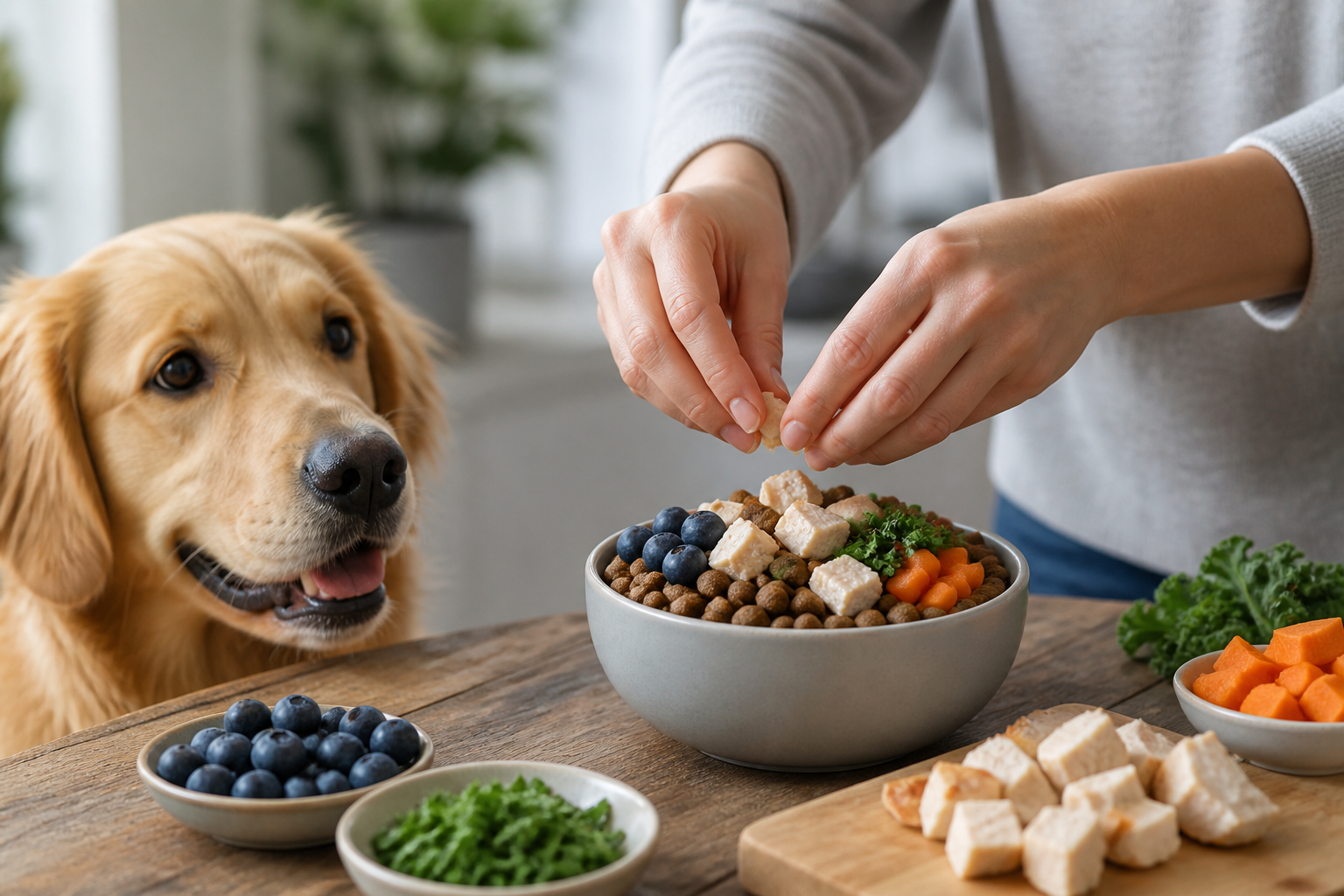
You stand in your kitchen and look down at a bowl of plain brown kibble. While dry food is a convenient and cost effective way to feed your pet, it can sometimes feel a bit repetitive for your dog. You might notice them sniffing the bowl and walking away, or you might simply want to give their health a small boost. At BaxterBoo, we believe that mealtime is an opportunity to strengthen your dog’s wellness through better nutrition. This post covers exactly what to put in dry dog food to improve flavor, hydration, and nutrient density. We will explore fresh kitchen staples and commercial toppers that make every meal more exciting. By following a few simple rules, you can transform a standard diet into a varied and biologically appropriate feast for your dog.
Quick Answer: You can enhance dry dog food by adding fresh proteins like eggs, canned sardines in water, or lean meats. Moisture rich additions like dog safe bone broth and pureed vegetables also provide essential hydration and antioxidants to support overall health.
Why You Should Add Toppers to Dry Dog Food
Dry kibble is highly processed. The high heat used during manufacturing often reduces the natural enzymes found in whole food ingredients. While commercial dry food is formulated to be complete and balanced, it is usually high in carbohydrates. These carbs are necessary for the extrusion process that creates the crunchy bits. Dogs do not have a strict biological requirement for carbohydrates. They thrive when their diet includes more animal based proteins and healthy fats.
Adding fresh items to the bowl introduces live enzymes and varied phytonutrients. These elements support the immune system and help with digestion. Variety also prevents food boredom. If your dog has a low drive for their current food, a simple topper can renew their interest. This is especially helpful for senior dogs or those recovering from illness who need to keep their strength up.
Adding moisture is another major benefit. Most dogs do not drink enough water to stay perfectly hydrated while eating a purely dry diet. Incorporating wet toppers helps support kidney function and urinary tract health. It makes the food easier to chew and swallow for older pets.
Key Takeaway: Enhancing kibble with whole foods adds vital enzymes and moisture that are often missing from processed dry diets.
Fresh Protein Boosters from Your Kitchen
Protein is the most important part of your dog’s diet. It supports muscle maintenance, skin health, and a glossy coat. You do not need a special pet store trip to find great protein sources. Many are likely in your refrigerator right now.
Eggs: The Gold Standard
Eggs are one of the most complete sources of protein available. They contain essential amino acids and vitamins like biotin. You can feed eggs raw, lightly scrambled, or hard boiled. If you choose to feed raw eggs, the yolk contains enough biotin to balance the raw whites. Many pet owners find that half an egg for a medium dog or a whole egg for a large dog every other day makes a visible difference in coat shine.
Muscle and Organ Meats
Lean meats like chicken, turkey, or beef are excellent additions. You can serve them lightly cooked or raw. Avoid using seasoned meats from your own dinner as onions and garlic are toxic to dogs. Organ meats like heart and gizzard are packed with nutrients. Be careful with liver. Most dry foods are already high in copper. Adding too much beef liver can lead to an imbalance. A small piece once or twice a week is usually plenty.
Canned Fish
Sardines, mackerel, and pink salmon are incredible for skin and joint health. Ensure you choose fish packed in water rather than oil. These fish are rich in Omega 3 fatty acids, specifically EPA and DHA. These fats reduce inflammation throughout the body. One or two small sardines can provide a significant boost to a senior dog’s joint comfort.
Vet Tip: Never feed your dog raw salmon or trout from the Pacific Northwest. These fish can carry a parasite that is fatal to dogs. Always cook these specific types of fish thoroughly before adding them to the bowl.
Fruits and Vegetables for Fiber and Antioxidants
Vegetables provide more than just crunch. They offer fiber that helps regulate digestion. They also provide antioxidants that protect cells from damage. However, dogs cannot break down the cell walls of raw vegetables easily. To get the most nutrition, you should puree or lightly steam them.
Digestion Helpers: Pumpkin and Green Beans
Canned pumpkin is a famous remedy for both diarrhea and constipation. It is rich in soluble fiber. Make sure you use plain pumpkin puree and not pumpkin pie filling, which contains sugar and spices. Green beans are a great low calorie filler. If you are trying to help your dog lose weight, replacing a small portion of kibble with green beans keeps them feeling full without the extra calories.
Leafy Greens and Colorful Veggies
Carrots, broccoli, celery, and spinach are all dog friendly. Carrots are high in beta carotene, which supports eye health. Broccoli contains compounds that support the immune system. If your dog has arthritis, you might want to avoid nightshade vegetables like potatoes or peppers. These can sometimes contribute to inflammation in sensitive pets.
Fruit Treats
Blueberries are a fantastic superfood for dogs. They are low in sugar and high in antioxidants. Apples are also a hit, but you must remove the seeds and the core. Apple seeds contain trace amounts of cyanide. Bananas and melons are good in moderation but keep an eye on the sugar content if your dog is less active.
- Puree leafy greens to make them digestible.
- Steam carrots until they are soft.
- Remove all seeds and pits from fruits.
- Use plain, unsweetened canned pumpkin.
Hydration and Digestive Support
Moisture is the missing link in most dry food diets. Adding liquid to kibble makes it more palatable and helps your dog stay hydrated.
Bone Broth for Dogs
Bone broth is rich in collagen and amino acids like glycine. It supports gut health and joint repair. You can make your own at home or buy pre made versions specifically for pets. Do not use grocery store broths meant for humans. These often contain high levels of sodium and onion powder. A few tablespoons of warm broth can turn dry kibble into a savory soup that most dogs cannot resist.
For convenient options, browse our food topper and broth collection.
Goat Milk and Fermented Dairy
Plain yogurt, kefir, and goat milk provide probiotics. These beneficial bacteria live in the gut and help with nutrient absorption. Goat milk is often easier for dogs to digest than cow milk because it has smaller fat globules. If your dog has a sensitive stomach, a splash of goat milk can settle their digestion. Ensure any dairy you use is free from added sugars and xylitol, which is a deadly sweetener for dogs.
You can also compare Native Pet’s dog toppers and broths for options such as goat milk, bone broth, pumpkin, and probiotic powders.
Bottom line: Adding liquids like bone broth or goat milk provides essential hydration and gut supporting probiotics.
High-Quality Commercial Toppers and Mixers
If you do not have time to prep fresh food, commercial mixers are an excellent alternative. We carry a variety of these at BaxterBoo to suit different nutritional needs. These products are designed to be shelf stable and easy to use.
Freeze-Dried Raw Toppers
Freeze-dried food offers the benefits of raw nutrition without the mess. Brands like Stella & Chewy's and Open Farm make meal mixers that you can scoop right onto the kibble. These are made of high quality meat, organs, and bone. They are minimally processed to keep the nutrients intact. You can feed them dry for a crunch or rehydrate them with water to add moisture.
For more ideas about rehydrating and serving freeze-dried food, read how to feed freeze-dried dog food for better health.
Wet Food and Gently Cooked Mixers
Adding a spoonful of high quality wet food is a classic way to enhance a meal. Gently cooked options, like those from The Honest Kitchen, use human grade ingredients that are slow cooked at low temperatures. This preserves more vitamins than traditional canning. These mixers are often very aromatic. They are the perfect solution for picky eaters who turn their noses up at plain dry food.
If you are comparing meal formats, our guide to wet and dry dog food offers another helpful perspective.
Functional Toppers
Some toppers are formulated for specific health goals. You can find mixers that focus on joint support, skin and coat health, or anxiety relief. These often include ingredients like turmeric, green lipped mussel, or chamomile. Using these allows you to address your dog’s specific needs during their regular mealtime.
The broader dog food supplement selection includes toppers designed for hydration, digestion, skin and coat care, and joint support.
Key Takeaway: Commercial meal mixers provide a convenient way to add raw nutrition and functional ingredients to every bowl.
The Golden Rule: Calories and Nutritional Balance
While adding toppers is great, you must be careful not to unbalance your dog's diet. Commercial dry food is a precise recipe. If you add too much of one thing, you might dilute the necessary vitamins and minerals in the main meal.
The general rule is that additions should make up no more than 20 to 25 percent of your dog's daily calories. If you add a whole egg, you need to reduce the amount of kibble you serve for that meal. Overfeeding can lead to obesity, which puts stress on your dog's heart and joints.
Always introduce new foods slowly. Even healthy additions can cause an upset stomach if introduced too fast. Start with a teaspoon of a new vegetable or a small splash of broth. Watch your dog's stool and energy levels for a few days before increasing the amount.
- Calculate the calories of your topper.
- Reduce the dry food portion accordingly.
- Monitor your dog's weight monthly.
- Switch up the toppers to provide a variety of nutrients.
For additional portion guidance, read how much dry dog food to feed a puppy.
Managing Specialized Diets and Health Concerns
If your dog has a chronic health condition, you should be more selective about what you add to their food. Dogs with kidney disease need to watch their phosphorus intake, which means avoiding too much meat or dairy. Dogs with pancreatitis must stay on a very low fat diet.
In cases where your dog requires a specific medical diet, our pharmacy carries FDA approved prescription pet foods. We offer these through our partnership with Pet's Choice to help you manage conditions like allergies, urinary stones, or weight issues. If your dog is on a prescription diet, always talk to your veterinarian before adding toppers. Some ingredients might interfere with the therapeutic effects of the medical food.
For dogs with severe allergies, you might need to stick to single protein toppers like pure freeze-dried rabbit or duck. Avoiding common allergens like beef or chicken can help keep skin issues at bay. If your dog is struggling with ongoing health issues, a specialized diet from our pharmacy may be the best foundation for their wellness.
Vet Tip: If your dog has a history of allergies or digestive issues, consult your veterinarian before introducing new toppers. They can help you choose additions that complement your dog’s specific health plan.
Conclusion
Improving your dog's dry food does not have to be complicated. By adding fresh proteins, vibrant vegetables, and hydrating liquids, you can significantly enhance their quality of life. Remember to keep extras to about a quarter of their daily calories and monitor their weight. Whether you choose a fresh egg from your fridge or a premium freeze-dried mixer, your dog will appreciate the variety and the nutritional boost.
- Use eggs and lean meats for high quality protein.
- Puree vegetables like pumpkin and carrots for fiber.
- Add bone broth or goat milk for hydration and gut health.
- Keep additions under 25 percent of total daily calories.
If you are ready to upgrade your dog's mealtime, explore our freeze-dried dog food collection and mixers. You can also set up our Autoship programme for your favorite additions to save time and ensure you never run out.
FAQ
Can I add water to dry dog food?
Yes, adding warm water to kibble is a great way to improve hydration and release the food's natural aromas. It creates a simple gravy that makes the meal more appealing to picky eaters. Let the food soak for a few minutes to soften the kernels, which is especially helpful for puppies or senior dogs with dental issues.
What are the best vegetables for dog kibble?
The best vegetables include canned pumpkin, steamed carrots, green beans, and pureed leafy greens like spinach. These provide fiber and antioxidants without adding many calories. Always ensure the vegetables are prepared in a way that makes them easy to digest, such as steaming or blending.
Can I give my dog a raw egg every day?
While eggs are highly nutritious, feeding a whole egg every single day might be too many calories for smaller dogs. For most medium to large dogs, an egg every other day is a safe and healthy addition. If you choose to feed raw eggs, ensure they are fresh and sourced from a reputable supplier.
How much extra food can I add without causing weight gain?
Toppers and treats should not exceed 20 to 25 percent of your dog’s daily caloric intake. When you add a topper, you must reduce the amount of dry kibble you feed to compensate for the extra calories. Regularly check your dog's body condition to ensure they maintain a healthy weight.






