Save 15% on your 1st Autoship learn more

 Email us
 Live Chat
 FAQs
FAQs





Introduction
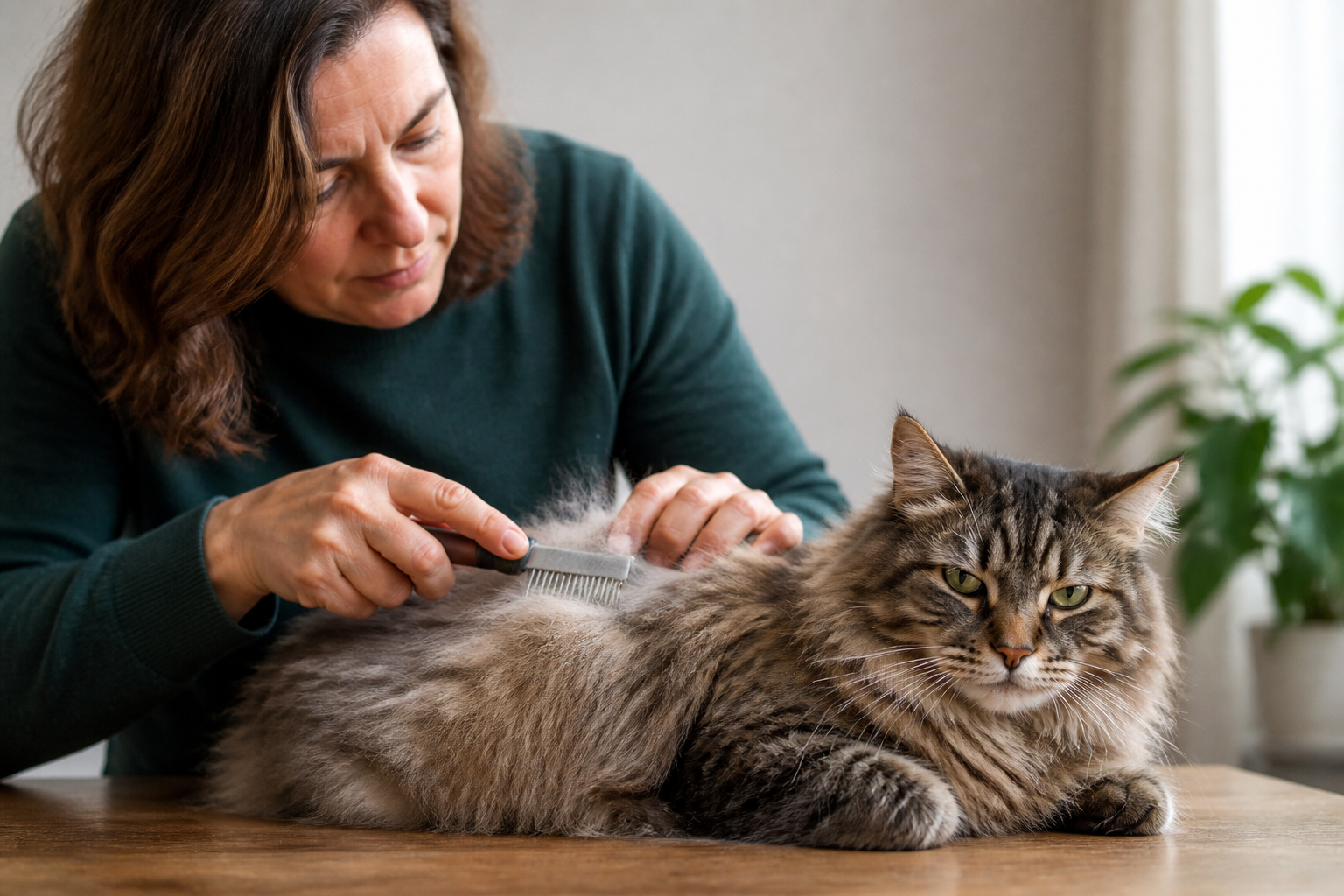
You might notice it while petting your lifelong companion. Your once-sleek senior cat now has stubborn clumps of hair along their lower back. When you part the fur, you see small white flakes scattered across their skin. This combination of old cat matted fur and dandruff is a common sight for many pet owners. It often signals that your cat needs a little extra help with their daily routine. At BaxterBoo, we know that watching a senior pet age comes with new responsibilities and questions. This article covers why these coat changes happen and how you can safely manage them at home. We will also discuss when these symptoms indicate a need for professional veterinary care. Helping your cat feel comfortable and clean is an essential part of supporting them through their golden years.
Why Senior Cats Struggle with Grooming
Cats are famous for their meticulous grooming habits. A healthy adult cat spends a large portion of their day licking and smoothing their fur. This process removes loose hair and distributes natural skin oils. As cats age, several factors can interfere with this vital behavior.
The most common reason for a decline in grooming is osteoarthritis. When a cat has stiff or painful joints, they cannot twist and reach their middle or lower back. If they cannot reach these areas, the fur begins to tangle. These small tangles quickly turn into dense mats. You might notice these mats specifically around the base of the tail or the hips.
Obesity also plays a significant role. An overweight senior cat may find it physically impossible to reach certain parts of their body. This lack of access leads to a buildup of dead hair and skin cells. Over time, this buildup creates the flakes we recognize as dandruff. For additional guidance, read about helping an indoor cat lose weight.
Quick Answer: Senior cats often develop mats and dandruff because age-related issues like arthritis or dental pain make self-grooming difficult. Helping them with daily brushing and addressing underlying health concerns can restore their coat health.
The Link Between Matted Fur and Dandruff
Matted fur and dandruff often appear together because they share the same root cause. When a cat stops grooming an area, the natural cycle of the skin and coat is disrupted.
Under normal circumstances, a cat's tongue acts like a natural brush. It pulls away dead skin cells before they can accumulate. It also spreads sebum, which is the natural oil produced by the skin. Sebum keeps the skin hydrated and the fur water-resistant.
When grooming stops, the dead skin cells stay trapped against the body. This creates the visible white flakes of dandruff. At the same time, the loose "shed" hair stays in the coat. This loose hair wraps around the healthy hair, forming a mat.
Mats are more than just an aesthetic issue. They can be quite painful for older cats. Senior cats often have thinner skin and less body fat than younger pets. A tight mat can pull on this delicate skin every time the cat moves. This constant tension can lead to skin tears or sores.
Key Takeaway: Mats trap dead skin and moisture against the body. This can lead to irritation, dandruff, and secondary skin infections if the mats are not removed gently.
Identifying Underlying Health Concerns
While age-related stiffness is common, matted fur and dandruff can sometimes point to other health issues. It is important to watch for other changes in your cat's behavior or appearance.
Dental problems are a frequent culprit. If a cat has a painful tooth or gum disease, the act of grooming becomes uncomfortable. They may stop licking themselves entirely. You might also notice a foul odor from their mouth or a change in how they eat.
Other internal conditions can affect skin quality. Kidney disease, hyperthyroidism, and diabetes are all common in senior felines. These conditions can cause dehydration or changes in metabolism that result in a dull, flaky coat.
Vet Tip: If your senior cat suddenly stops grooming or shows signs of pain when touched, schedule a veterinary exam. A vet can check for arthritis or dental disease and suggest pain management options. Our cat pharmacy carries prescription medications to help manage chronic conditions.
The Safe Way to Remove Mats from an Older Cat
Removing mats from a senior cat requires a very gentle touch. Their skin is much less elastic than it was in their youth. It can tear easily, so you must never use scissors to cut out a mat. It is far too easy to accidentally snip the skin.
Step 1: Assess the mat. / Use your fingers to feel how close the mat is to the skin. If it is tight against the body, do not pull on it.
Step 2: Apply a detangling aid. / Use a small amount of cornstarch or a pet-safe detangling spray on the mat. This helps the hairs slide apart more easily.
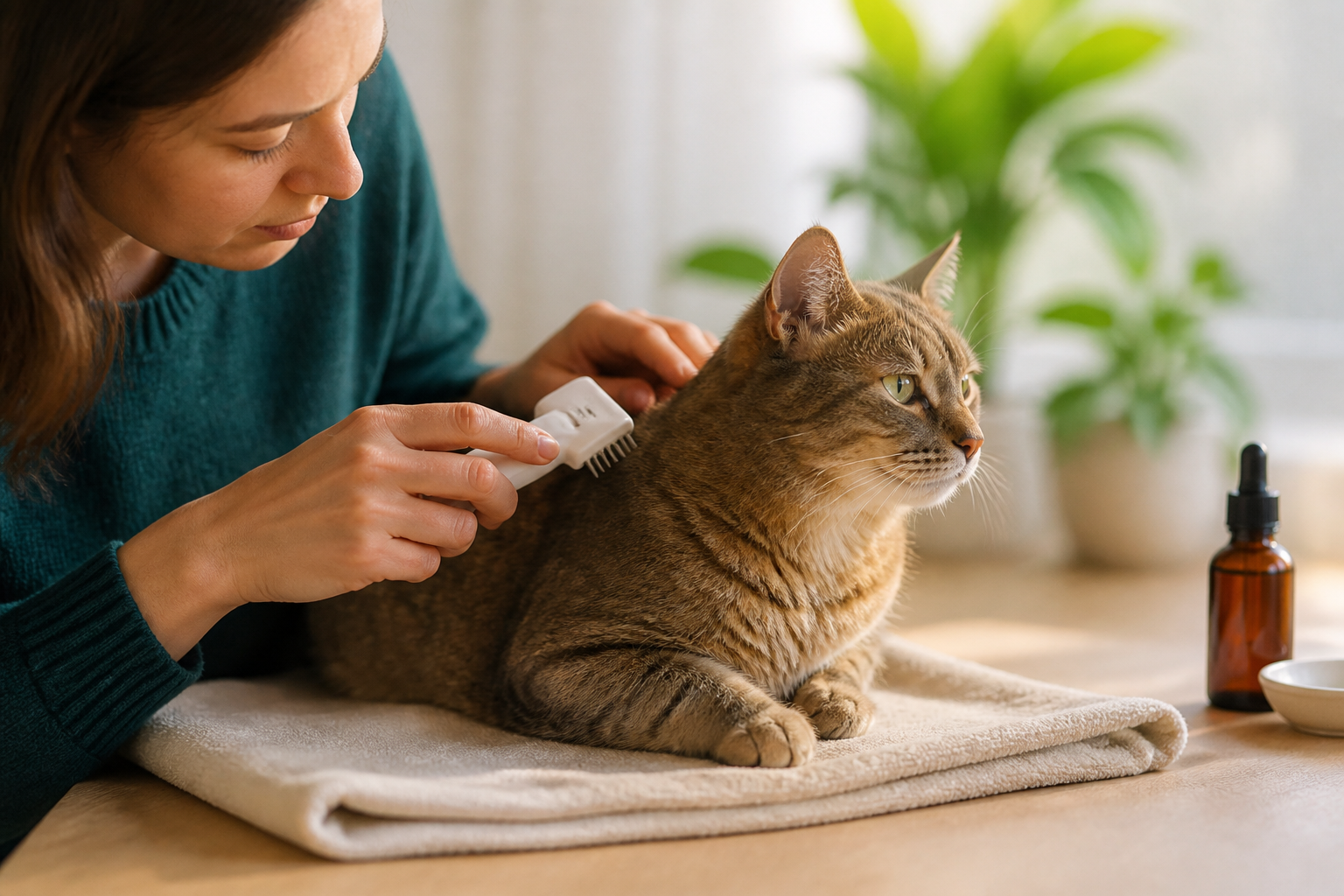
Step 3: Work from the outside in. / Use a wide-toothed metal comb. Start at the very edge of the mat furthest from the skin. Hold the base of the fur with your other hand to prevent pulling.
Step 4: Pick the mat apart. / Instead of pulling through the mat, use the end of the comb to gently pick at the fibers. Work slowly and take frequent breaks. Our cat grooming supplies include brushes, combs, and dematting tools for at-home care.
If a mat is too large or too tight, it is best to see a professional groomer. They have specialized electric clippers designed for pet hair. Many groomers offer "lion cuts" or "sanitary trims" for senior cats who can no longer keep themselves clean.
Key Takeaway: Never use scissors on a cat's mats. Use a metal comb and a slow, picking motion to break the mat apart without damaging the skin.
Essential Grooming Tools for Aging Skin
The tools you used when your cat was a kitten may no longer be appropriate. Senior cats often find firm brushes or metal slicker brushes to be too scratchy. We carry a wide range of specialized grooming supplies at BaxterBoo that are perfect for sensitive seniors.
Soft Bristle Brushes
A soft-bristle brush is excellent for cats with thin coats. It helps distribute oils and remove light dandruff without irritating the skin. This should be your primary tool for daily maintenance.
Rubber Grooming Mitts
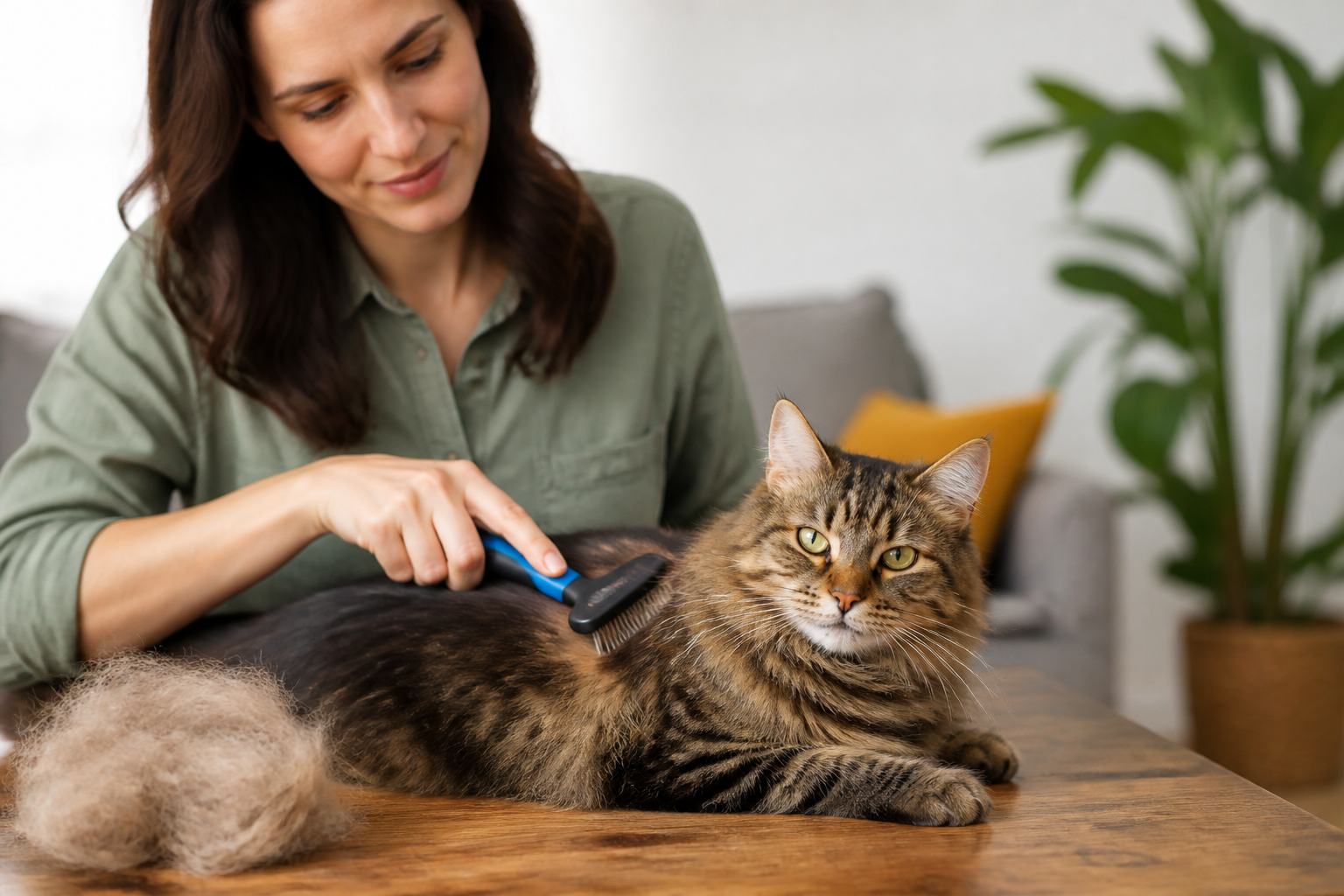
Many cats who dislike traditional brushes will tolerate a rubber mitt. The soft nubs feel like a massage. This tool is particularly good at removing loose hair before it has a chance to form a mat.
Fine-Toothed Metal Combs
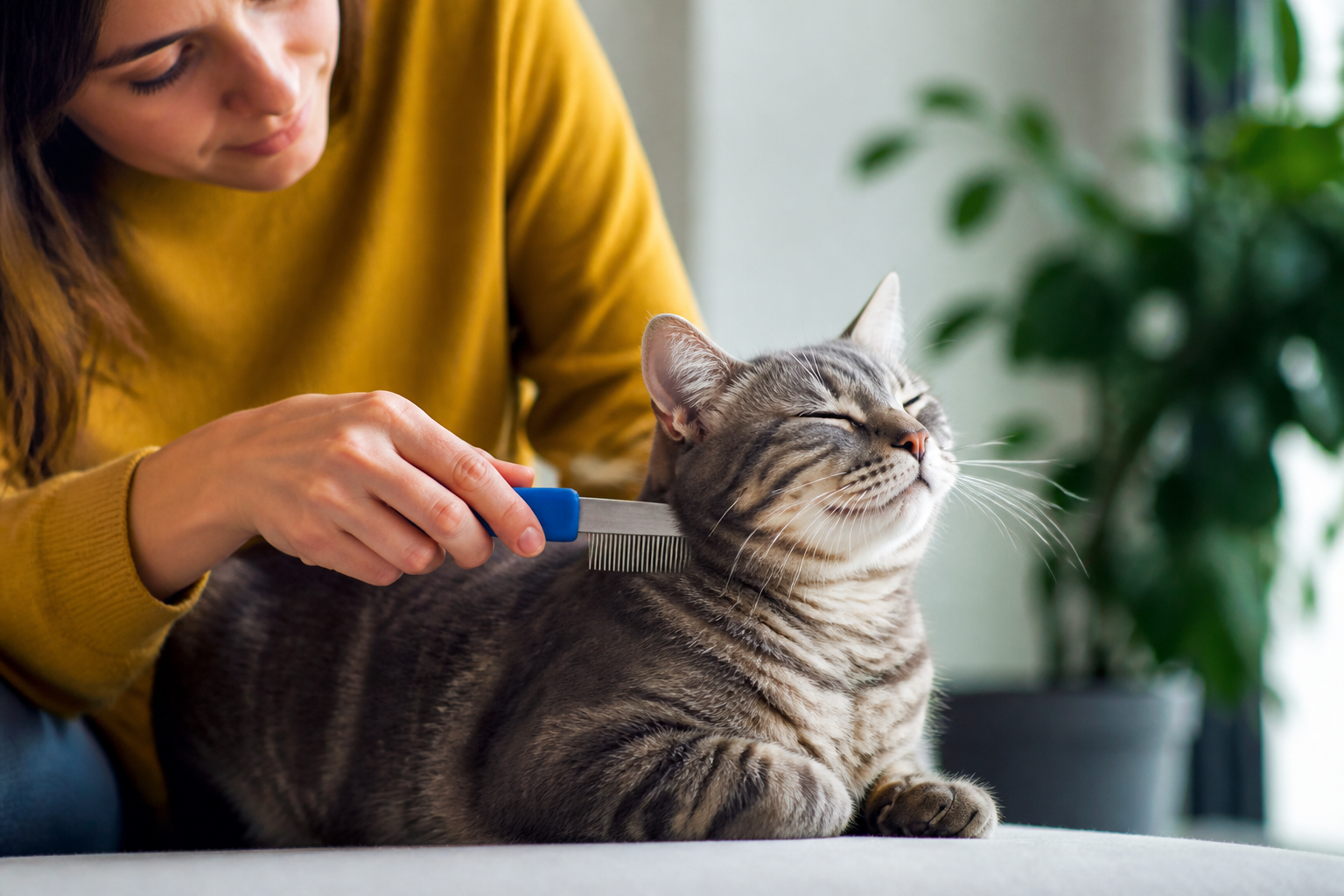
A "flea comb" or fine-toothed metal comb is the best tool for managing dandruff. The narrow spacing between the teeth can catch the flakes and pull them away from the skin.
Waterless Shampoo and Wipes
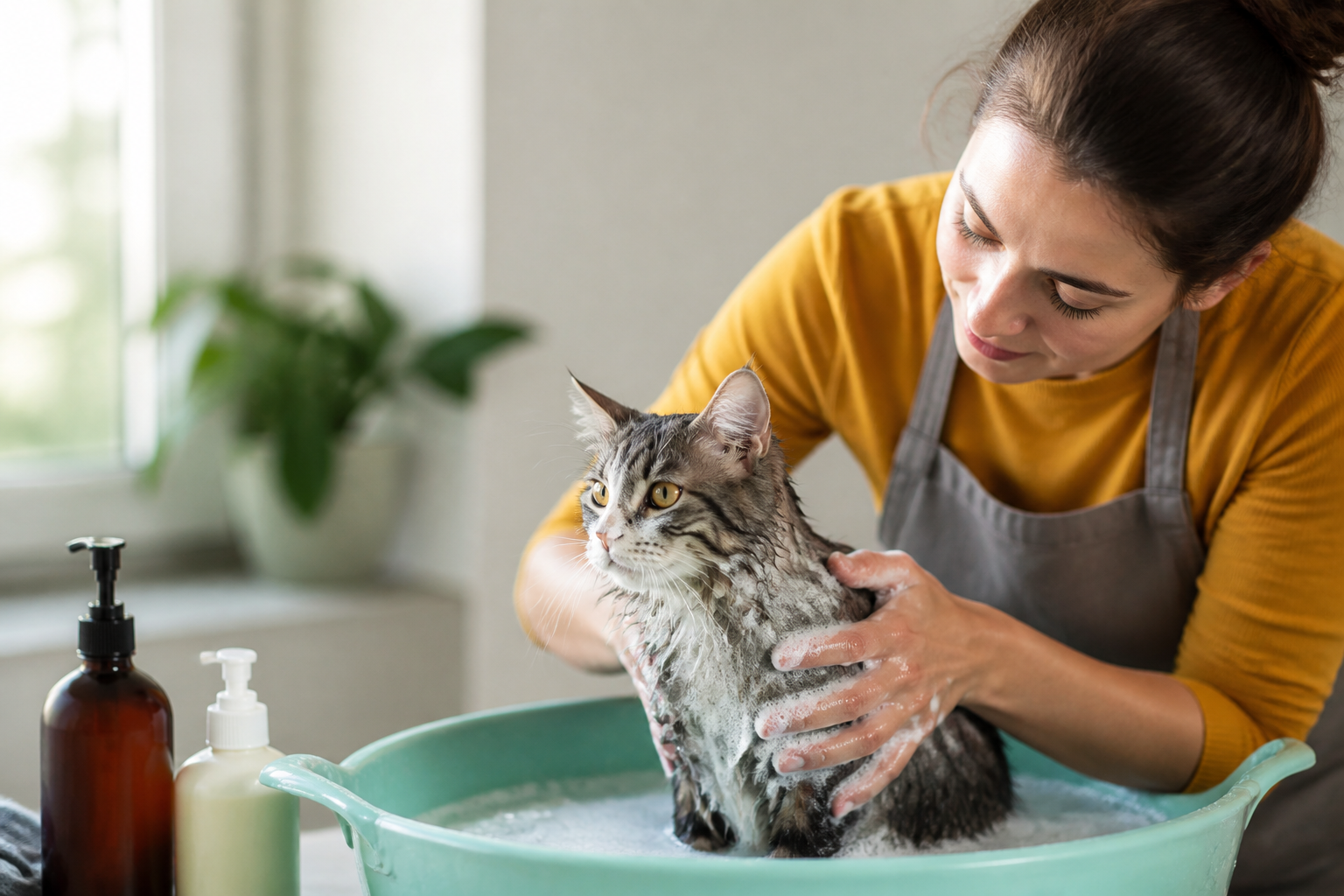
Since many senior cats find traditional baths stressful, waterless shampoo is a great alternative. These foams or wipes can break down excess oils and dander. They leave the coat smelling fresh without the need for a tub of water. For additional ideas, explore cat skin and coat care products.
Bottom line: Choose soft, flexible grooming tools that prioritize comfort to ensure your senior cat enjoys the experience.
Managing Dandruff Through Nutrition
What goes into your cat's body is just as important as how you treat their fur. Skin and coat health are often a reflection of internal nutrition.
As cats age, their ability to digest fats can decrease. Healthy fats, such as Omega-3 and Omega-6 fatty acids, are essential for maintaining the skin's moisture barrier. If your cat's diet is lacking these, their skin may become dry and prone to flaking.
Many pet owners find success by adding a fish oil supplement to their cat's meals. Brands like Zesty Paws or Honest Paws offer high-quality oils that can be easily mixed into wet food. Always consult your veterinarian before starting a new supplement to ensure it is appropriate for your cat's specific health profile.
Hydration is another critical factor. Senior cats are prone to mild, chronic dehydration. This leads to dry skin and more dandruff. Transitioning your cat to a primarily wet food diet can significantly increase their daily water intake. You can also try a pet water fountain, as many cats prefer drinking moving water. Browse our cat food selection when comparing wet food options.
- Look for foods high in EPA and DHA.
- Consider a prescription diet for skin support if recommended by your vet.
- Increase moisture intake through wet food or broths.
- Ensure the protein source is high-quality and easily digestible.
Environmental Factors and Skin Health
Your home environment can also contribute to old cat matted fur and dandruff. During the winter months, indoor heating systems strip the moisture from the air. This dry air pulls moisture from your cat's skin.
Using a humidifier in the rooms where your cat spends the most time can make a big difference. Aim for a humidity level of around 40 to 50 percent. This keeps the skin supple and reduces static electricity in the fur, which can lead to tangles.
Stress can also impact coat health. If a senior cat is stressed by changes in the household, they may over-groom or stop grooming entirely. Providing a quiet, warm place for them to rest helps keep their stress levels low. Heated cat beds are especially popular with seniors as they help soothe aching joints, making it easier for the cat to move and groom.
The Role of the Pharmacy in Senior Care
When grooming issues stem from medical conditions, topical treatments are only half the battle. This is where the BaxterBoo pharmacy becomes a valuable resource for pet owners. Through our pharmacy, we provide access to prescription medications and veterinary diets.
If your vet diagnoses your cat with arthritis, they may prescribe pain relief or joint supplements like Cosequin or Senilife. Managing the pain allows your cat to regain the mobility needed to groom themselves. We also carry prescription diets from brands like Farmina Vet Life that are formulated for weight management or specific health conditions.
Having a central place to order your pet's medication along with their favorite treats and brushes makes senior care much more manageable. Our Autoship programme is especially helpful for these recurring needs. It ensures you never run out of the supplements or food that keep your cat's coat healthy, and it includes a free MVP Gold membership.
Vet Tip: Never give your cat human pain medications or dandruff shampoos. Many human products contain ingredients like aspirin or zinc that are highly toxic to felines. Always stick to products specifically formulated for cats or those prescribed by your veterinarian.
Creating a Positive Grooming Routine
Since senior cats can be sensitive, it is important to make grooming a positive experience. You do not have to tackle every mat or every flake in one sitting.
Start by choosing a time when your cat is relaxed. Approach them with a soft brush and start in an area they enjoy, such as under the chin or behind the ears. Keep the sessions short, perhaps only five minutes long.
Use plenty of praise and high-value treats to reward them. If your cat starts to show signs of agitation, such as a flicking tail or flattened ears, stop immediately. You want them to look forward to these sessions, not fear them. Our cat treats can provide options for rewarding calm behavior.
Consistency is more effective than intensity. Brushing for five minutes every day is much better than a 30-minute session once a week. This regular attention allows you to catch small tangles before they become painful mats. It also lets you monitor their skin for any new lumps, bumps, or sores that might require a vet's attention.
When to Seek Professional Help
Most cases of old cat matted fur and dandruff can be managed with home care and a vet's guidance. However, there are times when you should call in the pros.
If your cat's mats have become a solid "pelt" that covers large areas of their body, do not try to fix this at home. A professional groomer or a veterinary technician can safely shave these areas. This provides your cat with immediate relief and a fresh start for their coat.
You should also seek help if you notice:
- Red, raw, or oozing skin under a mat.
- A strong, unpleasant odor from the skin.
- Patches of hair loss or "bald spots."
- Your cat acting aggressively or in extreme pain when you touch their back.
- Visible parasites like fleas or mites.
These symptoms often require medicated shampoos or antibiotics that only a veterinarian can provide.
Conclusion
Managing old cat matted fur and dandruff is a journey that requires patience and the right tools. By understanding that these changes are often linked to mobility and internal health, you can take a more proactive role in your cat's comfort. Regular, gentle grooming sessions and a focus on high-quality nutrition can keep your senior cat looking and feeling their best.
Our team at BaxterBoo is here to support you every step of the way. From soft brushes and hydrating treats to the essential medications found in our pharmacy, we have everything you need to care for your aging friend. We recommend browsing our Medical & Mobility section to find products that can help your senior cat stay comfortable and active.
Key Takeaway: Senior coat care is about more than just looks. It is a vital part of managing pain and maintaining the overall quality of life for your aging cat.
FAQ
Is dandruff in old cats a sign of disease?
While mild dandruff can be caused by dry air or a lack of grooming, it can also point to underlying issues like kidney disease or diabetes. If the dandruff is accompanied by weight loss or increased thirst, a vet visit is necessary. A professional can run blood work to rule out serious conditions. For more information about senior joint-related grooming changes, read this guide to arthritis care for cats.
Can I use human dandruff shampoo on my cat?
No, you should never use human dandruff shampoo on a pet. These products often contain ingredients like coal tar or salicylic acid which are toxic to cats. Use only shampoos specifically formulated for felines, or better yet, use waterless grooming wipes for a safer alternative.
How do I stop my senior cat's fur from matting?
The best way to prevent mats is daily brushing with a soft-bristle brush or a rubber mitt. This removes the loose "shed" hair that causes tangles. Ensuring your cat is at a healthy weight and managing any arthritis pain will also help them return to their own grooming routine. You can also review joint health and mobility guidance for additional senior-care ideas.
Why does my senior cat have mats on their lower back?
The lower back is the hardest area for a cat to reach if they have stiff joints or limited flexibility. This is why you will often see a "Mohawk" of mats or flakes along the spine and base of the tail in older cats. They simply cannot twist far enough to clean those spots anymore.