
 Save 15% on your 1st Autoship learn more

 Email us
 Live Chat
 FAQs
FAQs





Introduction
You are standing in the pet food aisle or scrolling through endless online pages. On one side, there are heavy bags of crunchy kibble. On the other, there are stacks of cans filled with savory stews and pâtés. You want to make the best choice for your dog's health, but the conflicting advice makes it difficult. At BaxterBoo, we have spent nearly two decades helping pet owners navigate these exact decisions from our warehouse in Illinois.
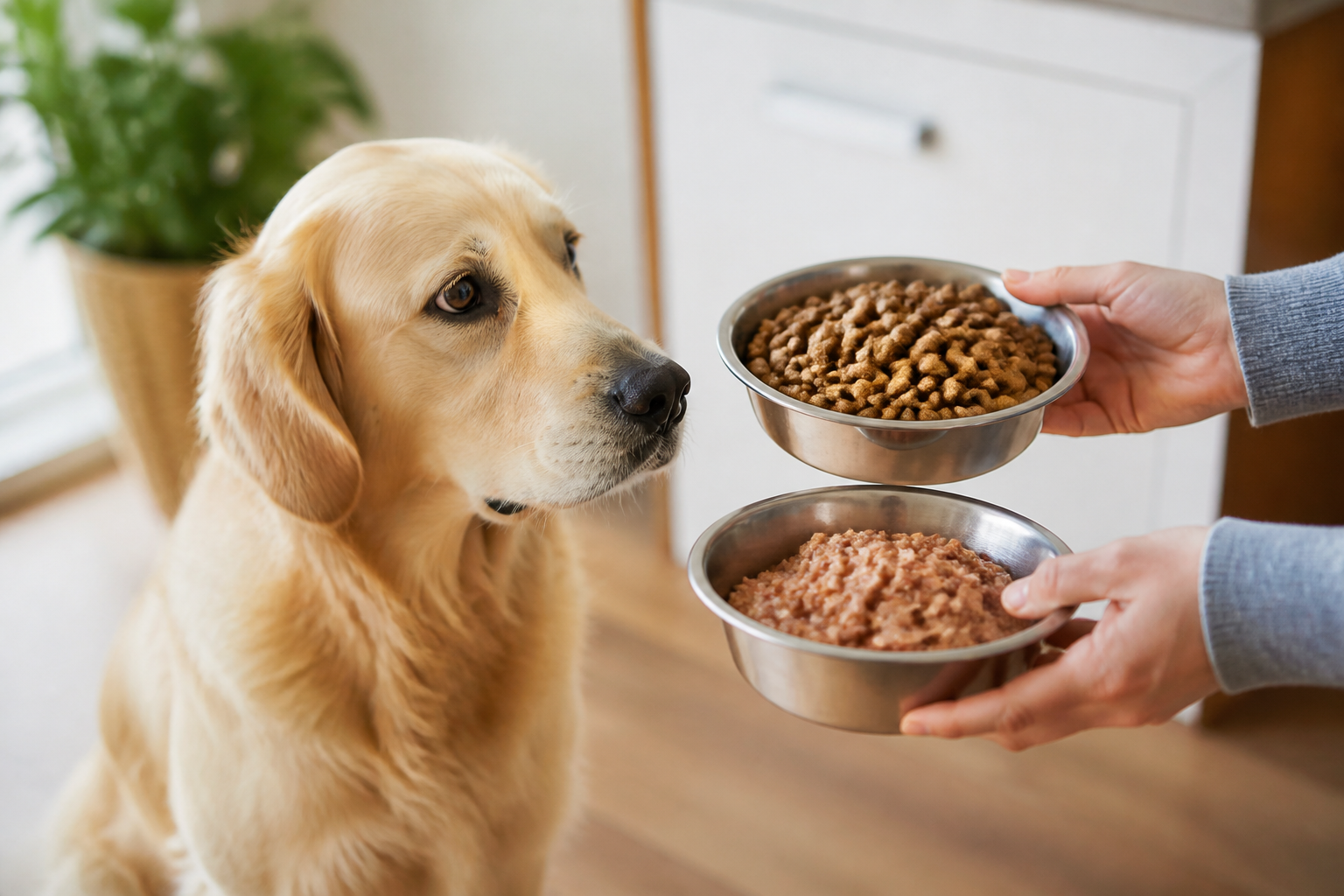
This guide covers the fundamental differences between wet and dry dog food. We will explore the nutritional benefits, convenience factors, and health implications of each type. Whether you are raising a growing puppy or caring for a senior dog with specific needs, we are here to help. The right choice depends on your dog’s unique health profile, lifestyle, and your daily routine.
Understanding the Difference in Processing
The primary difference between wet and dry dog food lies in how they are made. This process determines the texture, shelf life, and moisture content of the final product. Both types can offer complete and balanced nutrition. This means they meet the standards set by the Association of American Feed Control Officials (AAFCO). However, the way they get to your dog's bowl is very different.
How Dry Dog Food is Made
Dry food, commonly known as kibble, goes through a process called extrusion. Manufacturers take meat, grains, vitamins, and minerals and grind them into a consistent dough. This dough is cooked under high pressure and temperature. It is then pushed through small holes to create specific shapes.
Once the kibble pieces are formed, they undergo a drying process to remove moisture. After drying, the pieces are often sprayed with fats, oils, and sometimes probiotics to enhance flavor and health benefits. This process results in a product with a moisture content of roughly 10 percent. Brands like NutriSource and Acana use high quality ingredients in this format to provide concentrated energy.
How Wet Dog Food is Made
Wet food follows a different path. It begins with grinding protein sources like beef, chicken, or fish. Manufacturers then add a gravy or jelly that contains essential vitamins, minerals, and grains. This mixture is filled into cans, trays, or pouches.
The containers are sealed and then heated to high temperatures. This sterilizes the food and kills any potential bacteria. Because the moisture is sealed in, wet food typically contains 75 percent moisture or more. This high water content is why wet food feels much heavier and more substantial than a similarly sized bag of kibble.
Quick Answer: Neither wet nor dry food is universally better. Dry food offers convenience and dental support, while wet food provides superior hydration and higher palatability. The best choice depends on your dog’s specific health needs and preferences.
The Advantages of Feeding Dry Kibble
Dry dog food remains the most popular choice for many American households. Its popularity is not just about price. It offers several practical benefits that fit into a busy lifestyle.
Convenience and Storage
One of the biggest perks of kibble is how easy it is to handle. You can measure out a portion and leave it in the bowl without worrying about it spoiling quickly. This is ideal for dogs that prefer to graze throughout the day. You do not have to rush to clean the bowl immediately after they finish.
Storage is also simpler. A large bag of food like Orijen or Open Farm can stay fresh for several weeks if stored in an airtight container. It does not require refrigeration after you open the bag. This makes it a great option for owners who travel with their pets or have limited fridge space. You can compare shelf-stable options in our adult dog food category.
Dental Health Benefits
The crunchy texture of kibble serves a purpose beyond satisfying a dog's urge to chew. As a dog bites down on hard kibble, the friction helps scrape away some of the plaque and tartar from the surface of the teeth. While it is not a replacement for regular brushing, it can be a helpful tool in a broader dental care routine.
Some specific dental diets are designed with larger, fibrous kibble pieces. These pieces do not shatter immediately. Instead, the tooth sinks into the kibble, which provides a mechanical cleaning effect. This can help slow the progression of periodontal disease in many dogs.
Cost Effectiveness
On a per-calorie basis, dry food is generally more affordable than wet food. Since wet food is mostly water, you have to buy and feed a much larger volume to meet your dog’s caloric needs. Dry food is nutrient-dense. A small scoop contains a significant amount of energy, making it easier to feed large breeds without breaking the bank.
Enrichment and Training
Kibble is highly versatile for mental stimulation. You can easily use individual pieces of kibble as low-calorie training rewards. It also works perfectly in food puzzles and slow feeders. Brands like Kong make toys specifically designed to be stuffed with dry food to keep dogs engaged.
- Easy to portion using a standard measuring cup.
- Stays fresh in the bowl for several hours.
- Ideal for use in automatic feeders.
- Provides mechanical scraping for tooth surfaces.
Key Takeaway: Dry food is the most practical option for grazing dogs and budget-conscious owners. It provides essential nutrition in a concentrated, shelf-stable format that supports dental hygiene.
The Benefits of Wet Dog Food
While dry food is convenient, wet food offers distinct advantages that can significantly impact a dog's quality of life. For many pets, the transition to wet food can solve common feeding challenges.
Superior Hydration
Many dogs do not drink enough water on their own. This can lead to concentrated urine and an increased risk of urinary tract issues. Wet food provides a massive boost to a dog's daily water intake. For dogs with a history of kidney disease or bladder stones, this extra moisture is often a vital part of their care plan.
High Palatability for Picky Eaters
Wet food is much more aromatic than dry food. The smell is often the primary driver of a dog's appetite. If you have a dog that turns their nose up at kibble, a high-quality wet food from Tiki Cat or Stella and Chewy’s might be the solution. The rich textures and intense flavors are often enough to tempt even the most finicky eaters. For more ideas, read how to switch from dry to wet dog food.
Managing Weight and Satiety
Wet food can be a secret weapon for weight management. Because it has high water content, the actual volume of food is much larger than an equivalent calorie count of dry food. This means your dog can eat a full bowl of food and feel physically full while consuming fewer calories. This can prevent the begging and scavenging behaviors often seen in dogs on a calorie-restricted diet.
Support for Senior Dogs
As dogs age, they often face dental issues, lost teeth, or a declining sense of smell. Wet food is soft and easy to chew, making it much more comfortable for senior dogs with sensitive gums. The strong aroma also helps older dogs locate their food and stay interested in mealtime when their senses are not as sharp as they once were.
Vet Tip: If your senior dog is losing interest in food, try gently warming wet food in the microwave for a few seconds. This releases the aromas and makes the meal much more enticing. Always check the temperature before serving to ensure it is not too hot.
When Health Dictates the Choice
Sometimes the choice between wet and dry food is not about preference or cost. It is about managing a medical condition. In these cases, the food becomes a form of treatment. We often see owners looking for specific solutions for chronic health issues.
Urinary and Kidney Health
Dogs prone to crystals or stones in their bladder almost always benefit from wet food. Increased water intake helps flush the kidneys and dilute the urine. This makes it harder for minerals to clump together and form stones. Many prescription diets for these conditions are specifically formulated in wet versions to maximize this effect.
Food Allergies and Sensitivities
If your dog suffers from itchy skin or digestive upset, your veterinarian might recommend a limited ingredient diet or a hydrolyzed protein diet. While these are available in both formats, wet food sometimes has fewer preservatives and binding agents than dry kibble. This can make it a safer starting point for an elimination diet.
Accessing Prescription Diets
For pets managing chronic conditions like diabetes, heart disease, or advanced renal failure, a standard over-the-counter food may not be enough. Our pharmacy offers FDA-approved prescription pet foods through our partnership with Pet's Choice. This includes specialized lines like Farmina Vet Life and Royal Canin. These diets are carefully balanced to support specific organ functions and require a prescription from your veterinarian. For additional guidance, explore our veterinary diet food guide.
Bottom line: Medical conditions often require the high moisture or specific nutrient profiles found in prescription wet foods.
The Case for Mixing Wet and Dry Food
You do not always have to choose just one. Many owners find that a combination of both provides the best results. This approach is often called "topper feeding" or "mixed feeding." It allows you to enjoy the benefits of both formats while managing your budget.
Variety and Texture
Mixing a spoonful of wet food into a bowl of kibble adds variety to your dog's routine. It provides the crunch of the dry food and the savory aroma of the wet food. This can prevent your dog from getting bored with their meals over time. It also makes it easier to switch their diet later if they ever need to move to a 100 percent wet food diet for medical reasons. For more ideas, browse our dog food topper selection.
Calorie Management in Mixed Feeding
The most important part of mixing food is getting the calories right. You cannot simply add wet food on top of a full portion of kibble. This will lead to weight gain. You must reduce the amount of dry food to compensate for the calories in the wet food.
Step 1: Determine your dog's total daily calorie requirement with your vet's help.
Step 2: Decide what percentage of the meal will be wet versus dry.
Step 3: Check the calorie counts on both labels to calculate the exact measurements.
Step 4: Use a consistent measuring tool to ensure the portions stay the same every day.
Easier Medication Administration
If your dog needs to take daily pills, having a wet food component in their diet is a lifesaver. You can easily hide a pill in a tablespoon of pâté or a chunk of meat in gravy. Most dogs will gulp down the tasty wet food without ever noticing the medication inside.
For more practical guidance, read is it good to mix wet and dry dog food.
Adding Water to Dry Kibble: The Middle Ground
If you prefer the convenience of dry food but want some of the benefits of wet food, you can add water directly to the kibble. This is a common practice that offers a unique set of pros and cons.
The Benefits of Hydrating Kibble
Adding warm water to kibble creates a savory gravy. It softens the pieces, making them easier for puppies or dogs with minor dental pain to chew. It also slows down "gulpers"—dogs that eat their food too fast. The water increases the volume and makes the food more difficult to inhale quickly, which can reduce the risk of choking.
The Risks of Wetting Dry Food
Once you add water to kibble, you have essentially turned it into wet food. This means it can no longer sit out all day. Bacteria can grow quickly in the warm, moist environment of a kibble bowl. If your dog does not finish the food within 30 to 60 minutes, you must throw it away. You also lose some of the dental scraping benefits, as the kibble is no longer hard and crunchy.
- Use warm (not hot) water to enhance the smell.
- Start with a small amount of water to let your dog adjust.
- Clean the bowl thoroughly after every meal to prevent bacterial buildup.
- Discard any leftovers quickly.
For a closer look at this feeding method, read how to wet dry dog food for better digestion and hydration.
How to Make the Final Decision
Choosing between wet and dry food comes down to evaluating several factors. There is no single "right" answer that applies to every dog. Consider these specific categories when making your choice.
Evaluate Your Dog's Age and Health
A healthy adult dog with no dental issues will likely do well on a high-quality dry food. However, if your dog is a senior, has a history of urinary stones, or is currently underweight, wet food may be the better choice. Always consult your veterinarian before making a major change to your dog's diet, especially if they have an underlying health condition.
Consider Your Schedule and Lifestyle
If you work long hours and your dog likes to snack throughout the day, dry food is the most logical choice. If you are home for set mealtimes and don't mind the extra cleanup, wet food can be a great way to bond with your pet. Think about how much time you have for bowl washing and food storage.
Budgetary Constraints
Be realistic about what you can afford long-term. It is better to feed a high-quality dry food consistently than to jump between expensive wet food and low-quality alternatives. Many owners at BaxterBoo find that using a high-quality kibble as the base and adding a smaller amount of wet food as a treat is the most sustainable way to provide premium nutrition.
Maintaining Consistency and Safety
Regardless of which type of food you choose, consistency is key. Dogs have sensitive digestive systems. Rapidly switching between brands or types of food can cause upset stomachs, diarrhea, or vomiting. If you decide to move from dry to wet, or vice-versa, do it gradually over a period of seven to ten days.
Proper storage is also essential for safety. Keep dry food in its original bag inside an airtight container. This keeps the oils from going rancid. For wet food, use silicone lids to seal open cans and keep them in the refrigerator for no more than three days. If a can looks bloated or smells "off," discard it immediately.
Conclusion
Deciding whether dog food should be wet or dry depends on balancing your pet's health needs with your own lifestyle. Dry food offers unmatched convenience, dental support, and value. Wet food provides critical hydration, high palatability, and a texture that is easy for senior dogs to manage. Many owners find success by combining the two, using the strengths of each format to create a balanced meal plan.
- Dry food is best for dental health and budget management.
- Wet food is ideal for hydration, picky eaters, and senior pets.
- Mixing both can provide a balance of texture and aroma.
- Prescription diets are available through the pharmacy for specific health needs.
If you are ready to stock up, explore our dog food collection for wet and dry options. You can also save on every order by joining our MVP Rewards program or signing up for Autoship to ensure you never run out of your dog's favorite meal.
Key Takeaway: The best diet is one that your dog enjoys, fits your budget, and supports their long-term health. When in doubt, start with a high-quality kibble and use wet food as a healthy, hydrating topper.
FAQ
Is wet food better for dogs with kidney disease?
Yes, wet food is often recommended for dogs with kidney disease because it has a much higher moisture content. This extra hydration helps the kidneys filter waste more effectively and keeps the dog better hydrated. Many prescription renal diets are available in wet formats specifically to support kidney function.
Does dry food really clean a dog's teeth?
Dry food can help reduce plaque and tartar buildup through mechanical scraping as the dog chews. However, it is not a complete solution for oral health and should be used alongside regular tooth brushing and professional cleanings. Some specially formulated dental kibbles are more effective than standard dry food for this purpose.
Can I mix different brands of wet and dry food?
You can mix different brands, but it is important to ensure both are high-quality and provide complete and balanced nutrition. Be careful when introducing new brands, as frequent changes can cause digestive upset. Always keep track of the total calories from both sources to prevent overfeeding and weight gain.
How long can I leave wet food in my dog's bowl?
You should not leave wet food out for more than 30 to 60 minutes. Because of its high moisture content, it can quickly become a breeding ground for bacteria, especially in warm weather. If your dog does not finish their wet food within that timeframe, it is safest to discard the leftovers and wash the bowl.






