
 Save 15% on your 1st Autoship learn more

 Email us
 Live Chat
 FAQs
FAQs





Introduction
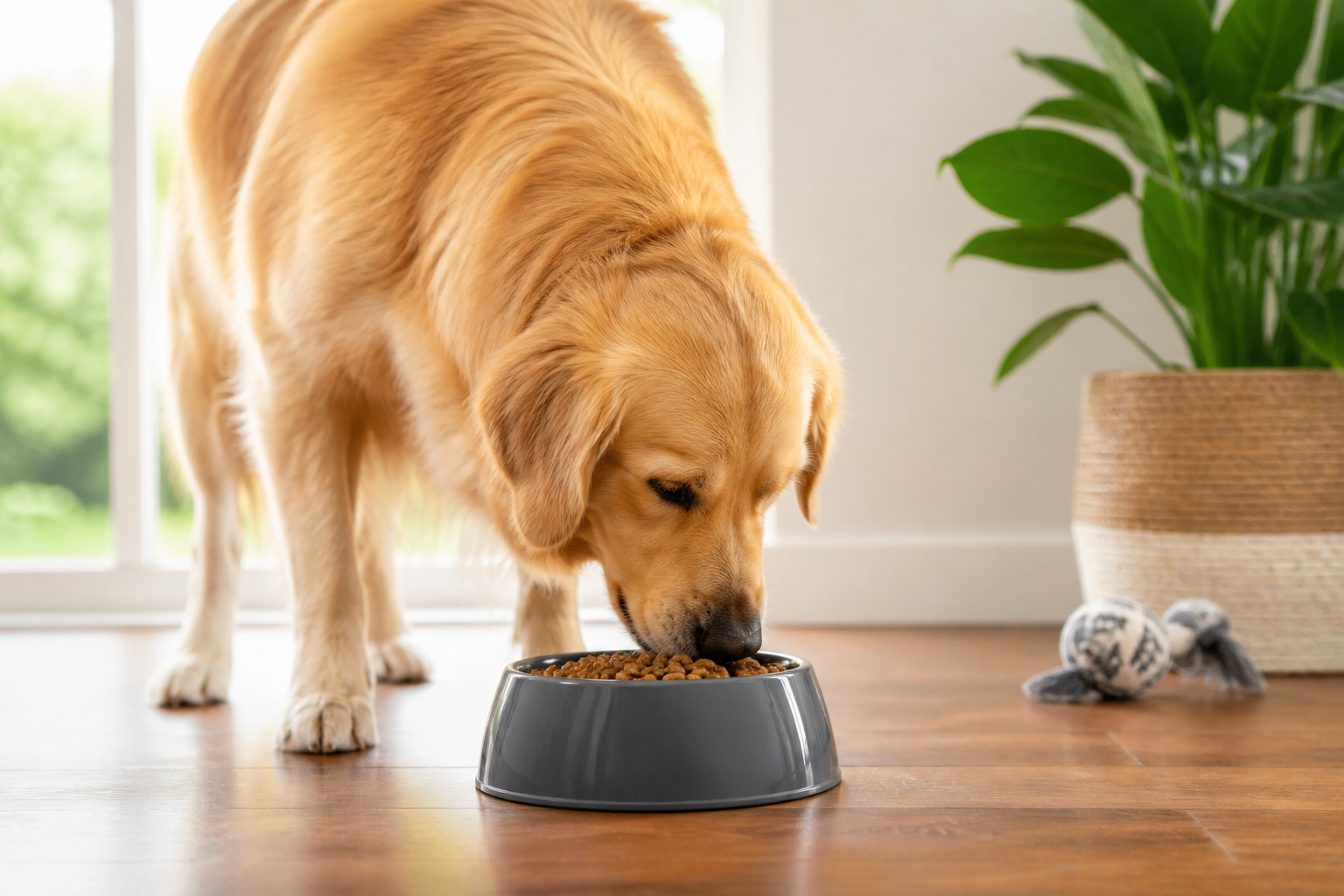
You are standing in the pet food aisle or scrolling through dozens of online pages. You see bags of kibble, stacks of cans, and even pouches of semi-moist food. Your dog is waiting at home for dinner, and you want to be sure you are making the best choice for their long-term health. At BaxterBoo, we hear from pet owners every day who are weighing the pros and cons of different feeding styles. Some worry that dry food is too processed, while others love the convenience and dental benefits it provides. This post covers the differences between dry and wet options, how to read a label, and when kibble is the right choice for your pup. Both dry and wet foods can provide a complete and balanced diet for your dog.
Understanding How Dry Dog Food Is Made
Dry dog food, commonly called kibble, is the most popular choice for pet owners across the United States. To understand if it is right for your dog, it helps to know how it is produced. Most dry foods are made through a process called extrusion. This involves mixing dry and wet ingredients into a dough. This dough is then cooked under high pressure and temperature. It is pushed through a machine that cuts it into specific shapes and sizes. After the kibble pieces are formed, they are dried to remove moisture. This drying process is what gives kibble its long shelf life.
Once the pieces are dry, they are often sprayed with fats, oils, and vitamins. This ensures the food is palatable and meets the nutritional requirements set by organizations like AAFCO. Some premium brands we carry, such as NutriSource or Farmina, might include probiotics or specific coating technologies to support digestion. The goal of this process is to create a shelf-stable product that provides every nutrient a dog needs in each bite.
Quick Answer: Yes, dogs can live healthy lives eating only dry food. High-quality kibble is formulated to be a complete and balanced meal, providing all the protein, fats, vitamins, and minerals your dog requires for their life stage.
The Major Differences Between Dry and Wet Food
The most obvious difference between these two food types is moisture. Dry food typically contains about 10 percent moisture. In contrast, wet food can contain up to 75 or 80 percent moisture. This difference affects how you store the food, how much you feed, and how it impacts your dog's hydration.
Because dry food is concentrated, it is more calorie-dense than wet food. You do not need to feed as much dry food by volume to reach the same caloric goal as you would with canned food. This makes dry food a very efficient way to deliver energy, especially for high-activity dogs or large breeds. Wet food is often more aromatic because of the higher fat and moisture content. This can make it more appealing to picky eaters or senior dogs who may have a fading sense of smell.
Nutrient Density and Portioning
When you look at a bag of kibble from a brand like Open Farm or Acana, the feeding guidelines are based on the concentrated nutrients in those dry nuggets. If you switched that same dog to a strictly wet diet, you would often find yourself opening several cans a day to meet their energy needs. This is because a large portion of the weight in a can of food is simply water. For budget-conscious owners, the nutrient density of our dog food category makes dry food a very cost-effective choice.
Texture and Oral Experience
Dry food provides a crunch that many dogs enjoy. This texture is not just about the eating experience. It also plays a role in how the dog's mouth stays clean. Wet food is soft and can easily get stuck between teeth or under the gumline. While no food replaces regular teeth brushing, the mechanical action of chewing dry kibble can help scrape away some of the soft plaque before it hardens into tartar.
Key Takeaway: The primary difference between dry and wet food is the moisture content. Dry food is more concentrated and calorie-dense, while wet food offers higher hydration and often higher palatability.
The Specific Benefits of Feeding Dry Food
Many veterinarians recommend dry food as the foundation of a dog’s diet for several practical reasons. At BaxterBoo, we see customers choose kibble because it fits into a busy lifestyle without compromising on quality.
Dental Health Support
One of the most frequently cited benefits of dry food is its impact on dental hygiene. When a dog crunches on a piece of kibble, the friction helps reduce the buildup of tartar. Some specific dental diets are even shaped to maximize this scrubbing effect. Brands like Royal Canin often design their kibble shapes based on the jaw structure of specific breeds to encourage chewing rather than gulping. This chewing process can help maintain healthier gums and fresher breath over time.
Convenience and Safety
Dry food is much easier to manage than wet food. You can leave it in a bowl for several hours without worrying about it spoiling or attracting pests. This is ideal for dogs that prefer to graze throughout the day. It also makes traveling much simpler. You can pack a bag of kibble and a collapsible bowl without needing to worry about refrigeration or messy cans.
Cost-Effectiveness
For many households, the cost is a major factor. Dry food generally costs less per serving than wet food. Because it is shelf-stable for weeks after the bag is opened, there is also less waste. You do not have to throw away half-eaten cans that have sat in the fridge for too long. Buying in bulk is also easier with dry food, as long as you have a cool, dry place to store the bag.
Mental Stimulation and Training
Dry kibble is the perfect tool for enrichment. You can hide kibble inside puzzle toys or slow feeders to make your dog work for their meal. This provides mental stimulation that a bowl of wet food cannot offer. You can also use pieces of your dog's regular dry food as low-calorie training treats throughout the day. This helps keep their total daily calorie intake in check while rewarding good behavior.
Vet Tip: While dry food helps with dental health, it is not a cure for dental disease. If you notice your dog has red gums, bad breath, or is dropping food, consult your veterinarian for a professional dental exam.
When Wet Food Might Be the Better Option
While dry food is excellent for most dogs, there are specific situations where wet food is preferred. Understanding these can help you decide if you should stick to kibble or consider a change.
- Hydration issues: If your dog does not drink enough water, the high moisture content in wet food can help prevent dehydration.
- Urinary or kidney health: Dogs with a history of stones or kidney issues often benefit from the extra flushing provided by a high-moisture diet.
- Senior needs: Older dogs with missing teeth or painful gums often find wet food much easier to eat.
- Picky eaters: The strong aroma of wet food can entice a dog who is refusing their regular kibble due to illness or age.
- Weight management: Because wet food is less calorie-dense, a dog can eat a larger volume of food without consuming too many calories. This helps them feel fuller.
How to Choose a High-Quality Dry Dog Food
Not all kibble is created equal. When you are looking at the bags on our shelves at BaxterBoo, it is important to know what to look for on the label. The first few ingredients should be high-quality animal proteins. Look for specific names like "chicken," "lamb," or "salmon" rather than generic terms like "meat by-products."
Check for a statement of nutritional adequacy from AAFCO. This ensures the food is complete and balanced for your dog’s specific life stage. A puppy has very different nutritional needs than a senior dog. Feeding an "all life stages" food is acceptable, but a formula tailored to your dog's age is often better. We carry a wide range of life-stage-specific formulas from brands like Orijen, Stella and Chewy’s, and NutriSource.
Understanding Grains and Carbohydrates
There is a lot of debate about grains in dog food. For most healthy dogs, grains like brown rice, oatmeal, or barley provide excellent fiber and energy. However, if your dog has a confirmed grain sensitivity, a grain-free option using peas or sweet potatoes may be necessary. Always talk to your vet before making a major change based on suspected allergies. They can help you determine if a limited-ingredient diet is actually needed.
Essential Additives
Look for beneficial additives like Omega-3 and Omega-6 fatty acids. These support skin and coat health. Glucosamine and chondroitin are often added to senior formulas to support joint mobility. Some dry foods also include dried fermentation products, which act as probiotics to support a healthy gut microbiome.
Key Takeaway: A high-quality dry food should list a named animal protein as the first ingredient and be formulated for your dog's specific life stage and activity level.
Managing Health Conditions with Dry Food
If your dog has a chronic health condition, you might wonder if they can still eat dry food. Many prescription diets are available in kibble form. These are designed to manage issues like food allergies, digestive sensitivities, or joint pain.
Our pharmacy at BaxterBoo offers a variety of FDA-approved prescription pet foods through our partnership with Pet's Choice. This includes the Farmina Vet Life range, which covers everything from weight management to cardiac support. If your veterinarian has prescribed a specific diet, you can often find the dry version of that formula. This allows you to keep the convenience of kibble while managing your pet's medical needs.
Vet Tip: If your dog is showing symptoms like chronic itching, frequent upset stomach, or sudden weight loss, do not try to fix it by switching brands on your own. A veterinarian should diagnose the underlying cause and recommend the correct therapeutic diet.
Tips for Transitioning or Mixing Foods
If you decide to switch from wet to dry food, or vice versa, you should never do it overnight. A sudden change in diet is one of the most common causes of digestive upset in dogs. It can lead to vomiting or diarrhea as their gut bacteria struggle to adjust to the new ingredients and textures. For more guidance, read our guide to switching from dry to wet dog food.
The Seven-Day Transition Plan
A slow transition allows your dog's system to adapt. Follow this general schedule for the best results:
- Days 1 and 2: Mix 25 percent of the new food with 75 percent of the old food.
- Days 3 and 4: Mix 50 percent of the new food with 50 percent of the old food.
- Days 5 and 6: Mix 75 percent of the new food with 25 percent of the old food.
- Day 7: Feed 100 percent of the new food.
The Benefits of Toppers
Many pet owners find that a hybrid approach works best. You can use high-quality kibble as the base of the meal and add a "topper" of wet food. This provides the dental benefits and cost-savings of dry food while adding the moisture and flavor of wet food. If you do this, make sure to adjust the amount of kibble to account for the extra calories in the topper. Overfeeding, even with healthy food, leads to obesity and related health problems. For additional ideas, see how to wet dry dog food for better digestion and hydration.
Proper Storage for Dry Dog Food
One of the biggest mistakes dog owners make is improper storage of kibble. Once a bag of dry food is opened, the fats and oils inside begin to oxidize. This happens when they are exposed to air, light, and heat. Over time, oxidation can cause the food to go rancid. This makes it taste bad and can even lead to digestive issues.
To keep food fresh, we recommend keeping the kibble in its original bag. These bags are designed with barriers to keep oxygen out and moisture in. Place the entire bag inside an airtight plastic or metal container. This provides a double layer of protection against air and pests. Try to buy a bag size that your dog will finish within four to six weeks. If the food sits open for longer than that, it loses its nutritional potency and flavor. For more storage guidance, read how long dry dog food stays fresh once opened.
Bottom line: Store dry food in its original bag inside an airtight container in a cool, dry place to prevent oxidation and maintain freshness.
Frequently Asked Questions About Dry Dog Food
Can I add water to my dog's dry food?
Yes, adding a bit of warm water or low-sodium broth to kibble is a great way to increase hydration. This also softens the food for dogs with dental issues and releases the aroma, making it more appealing. Just be sure to wash the bowl thoroughly after each meal, as wet kibble can grow bacteria quickly if left out.
Is grain-free dry food better for dogs?
Grain-free is not necessarily better unless your dog has a diagnosed allergy to specific grains. Most dogs thrive on high-quality grains that provide essential fiber and nutrients. Some studies have raised concerns about a potential link between certain grain-free diets and heart issues, so it is best to discuss your dog's specific needs with your veterinarian.
How do I know if my dog's dry food has gone bad?
The most common sign of spoiled kibble is a sour or "off" smell. You might also notice your dog suddenly refusing to eat a food they normally love. If you see any signs of mold, moisture inside the bag, or an infestation of bugs, discard the food immediately. Always check the "best by" date on the packaging before purchasing or feeding.
Can puppies eat adult dry food?
It is generally not recommended to feed adult food to puppies. Puppies require higher levels of protein, fat, calcium, and phosphorus to support their rapid growth and bone development. Feeding adult food to a growing puppy can lead to nutritional deficiencies or developmental issues. Always choose a formula specifically labeled for growth or puppies.
Conclusion
Dry dog food is a practical and nutritious choice for the vast majority of dogs. It offers significant advantages in terms of dental health, convenience, and value for your money. Whether you choose a premium kibble from a brand like Farmina or a specialized diet for a senior pet, the key is to look for high-quality ingredients and proper storage. Remember that every dog is an individual. What works for a neighbor's dog might not be the perfect fit for yours.
If you are managing a specific health condition or need a prescription diet, our pharmacy team is here to help. We work with Pet's Choice to provide a wide range of medical needs for your pets. We invite you to explore our full selection of dry dog food to find the perfect formula for your furry friend.
- Choose a food based on your dog's specific life stage.
- Transition to new foods slowly over a week.
- Store kibble in a cool, dry place in an airtight container.
- Consult your vet for any sudden changes in appetite or health.
Key Takeaway: Dry food is a complete, balanced, and convenient way to nourish your dog while supporting their dental health and your household budget.
FAQ
Is dry food better than wet food for a dog's teeth?
Dry food provides mechanical scraping that helps reduce plaque and tartar buildup as the dog chews. While it does not replace the need for regular veterinary dental cleanings or brushing, it is generally better for oral hygiene than a strictly soft, wet diet. Some specialized dental kibbles are specifically engineered to maximize this cleaning effect through their size and texture.
Does dry dog food cause dehydration?
Dry food does not cause dehydration on its own, but it does contain very little water compared to canned options. Dogs eating a dry diet must have constant access to fresh, clean water to maintain proper hydration. If your dog is a poor drinker or has kidney issues, you may need to add water to their kibble or incorporate some wet food into their daily routine.
How long does a bag of dry dog food stay fresh?
An unopened bag of dry food is typically shelf-stable for 12 to 18 months, depending on the manufacturer's "best by" date. However, once a bag is opened, it should be consumed within four to six weeks. After this point, the fats and oils in the food begin to oxidize, which can reduce the nutritional quality and affect the taste.
Can I mix different brands of dry dog food together?
You can mix brands, but it makes it harder to identify the cause if your dog develops an allergy or digestive upset. It also makes it difficult to ensure the diet remains balanced, as different brands have different nutrient concentrations. If you choose to mix, try to stick with formulas from the same manufacturer or consult your veterinarian to ensure the nutrient ratios remain appropriate for your dog.






