
 Save 15% on your 1st Autoship learn more

 Email us
 Live Chat
 FAQs
FAQs





Introduction
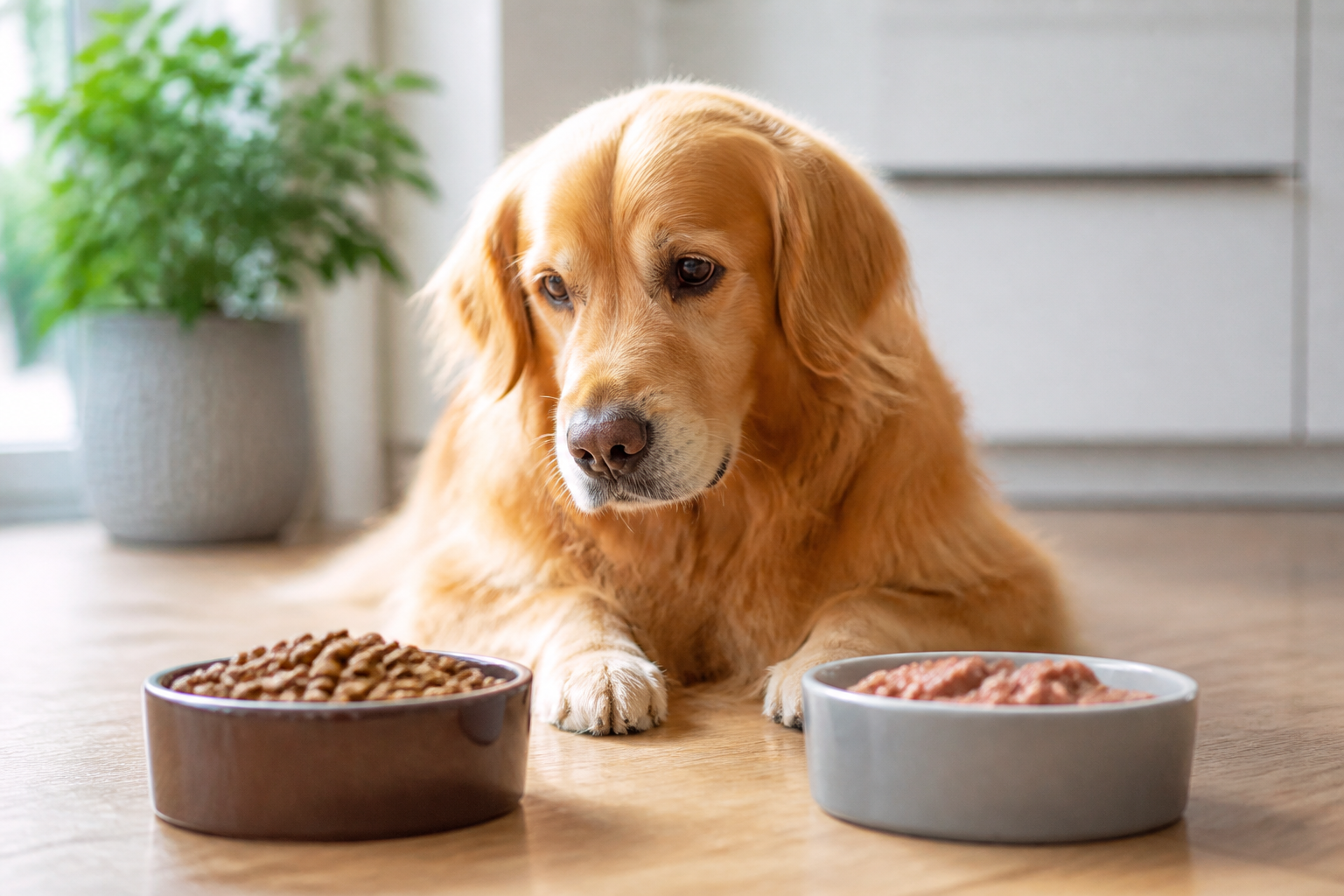
You are standing in the pet food aisle or scrolling through hundreds of online options. You see bags of crunchy kibble on one side and stacks of colorful cans on the other. You want to make the best choice for your dog, but the labels and formats can feel overwhelming. At BaxterBoo, we hear this question from pet parents every single day. Some dogs are picky eaters who turn their noses up at anything dry. Other owners need the convenience and cost savings that come with bulk bags of kibble. This guide explains the real differences between these two popular feeding methods. We will look at nutrition, dental health, and hydration to help you find the right balance. The best choice depends on your dog’s age, health needs, and personal preferences.
Quick Answer: Neither food is universally better, as both provide complete nutrition when labeled as "balanced" by AAFCO standards. Dry food offers convenience and dental benefits, while wet food provides essential hydration and higher palatability for picky or senior dogs.
Understanding the Manufacturing Process
The journey from raw ingredients to the bowl looks very different for wet and dry options. This process determines the texture, shelf life, and moisture content of what your dog eats. Knowing how your dog's food is made helps you understand why the price and storage requirements vary so much.
Dry dog food, or kibble, starts as a dough. Manufacturers mix proteins, grains, vitamins, and minerals with water. This dough goes through a machine called an extruder. The extruder uses heat and pressure to cook the dough and push it through small holes. These holes create the specific shapes we see in brands like NutriSource or Acana. Once the shapes are cut, they are dried to remove almost all moisture. Finally, the kibble is sprayed with fats and oils to make it smell and taste better to your dog.
Wet food follows a different path. It begins with ground protein sources like beef, chicken, or lamb. Manufacturers add a gravy or gel that contains essential nutrients. This mixture is put into cans or pouches and sealed tight. The sealed containers are then heated to high temperatures to kill any bacteria and cook the food. This process preserves the food without needing the same level of preservatives found in some dry options. Because the food is cooked inside the container, it retains a high moisture level of around 75 to 80 percent.
Key Takeaway: Dry food is extruded and dried to a moisture level of about 10 percent, while wet food is sealed and cooked in its own juices to maintain high hydration.
The Practical Benefits of Dry Dog Food
Dry food remains the most popular choice for many American households. It is the foundation of the pet food industry for several practical reasons. If you have a busy schedule or a large breed dog, kibble often makes the most sense.
Cost and Convenience
Kibble is almost always more affordable per serving than canned food. Because it has a high calorie density, you do not need to feed as much of it to meet your dog’s daily energy needs. You can buy large bags that last for several weeks, which means fewer trips to the store. This makes it a great choice for multi-dog homes or owners watching their budget.
It is also much easier to handle. You can measure it out quickly with a scoop. If your dog is a "grazer" who likes to eat small amounts throughout the day, dry food is ideal. It can sit in the bowl for several hours without spoiling or attracting pests. This flexibility is a major win for owners who work long hours. Browse our adult dog food selection to compare dry and wet meal options.
Dental Health Advantages
The crunch of kibble is not just for satisfaction. Chewing dry food creates a mechanical scraping action on the teeth. This helps reduce the buildup of plaque and tartar. While it does not replace regular toothbrushing, it provides a daily boost to oral hygiene.
Some brands, like Royal Canin or Farmina, design specific kibble shapes to encourage more chewing. This is especially helpful for breeds prone to dental issues. However, if your dog swallows their kibble whole without chewing, these dental benefits are lost.
Enrichment and Training
Dry food is the perfect tool for mental stimulation. You can easily put kibble into puzzle toys, snuffle mats, or slow feeders. These tools force your dog to work for their meal, which burns mental energy and prevents boredom.
It also works well as a training reward. If your dog is food-motivated, you can use part of their daily meal portion for training sessions. This prevents overfeeding while helping your dog learn new behaviors. Using a brand like Stella and Chewy's freeze-dried kibble can make these training moments even more exciting.
- Easy to store in airtight containers.
- Less packaging waste compared to individual cans.
- Works perfectly with automatic feeders.
- Ideal for dogs that prefer a crunchy texture.
Why You Might Choose Wet Dog Food
While kibble is convenient, wet food offers several biological and sensory advantages. Many veterinarians recommend wet food for specific health conditions or life stages. It is often the "secret weapon" for owners dealing with picky eaters.
Superior Hydration
The most significant benefit of wet food is its water content. Many dogs do not drink enough standing water from their bowls. This can lead to dehydration or urinary tract issues. Feeding a high-moisture diet ensures your dog gets a large portion of their daily water intake through their meals.
This is particularly important for dogs with kidney issues or a history of bladder stones. The extra moisture helps flush the system. At our BaxterBoo warehouse, we see many owners of senior dogs switching to wet food specifically for this reason. For more ideas, read how to switch from dry to wet dog food.
High Palatability
If your dog is a fussy eater, wet food is usually the answer. It has a much stronger aroma and a more natural texture than dry kibble. The smell of meat and gravy is often enough to entice a dog with a low appetite.
This also applies to sick dogs or those recovering from surgery. When a dog feels unwell, their sense of smell might be the only thing that triggers their desire to eat. Warming up a bit of canned food can make the aroma even stronger. Brands like Tiki Dog or Caru offer stews and pates that appeal to even the most stubborn palates.
Weight Management Benefits
It might seem strange, but wet food can help some dogs lose weight. Because it is mostly water, it has a lower calorie density by volume. This means your dog can eat a larger portion of food while consuming fewer calories.
A large bowl of wet food can make a dog feel fuller than a small handful of dense kibble. This helps prevent the "begging" behavior often seen in dogs on a diet. It allows you to provide a satisfying meal size without overshooting their daily caloric limit.
Vet Tip: If your dog has a chronic health condition like kidney disease or diabetes, consult your veterinarian about prescription wet food. Our dog pharmacy carries FDA-approved prescription diets through our partnership with Pet's Choice that are specifically formulated for these needs.
Considering Life Stages
Your dog's nutritional needs change as they grow. What worked for them as a puppy might not be the best choice when they reach their senior years.
Feeding Puppies
Puppies have small teeth and high energy needs. When they are very young, their baby teeth might struggle with hard kibble. Many breeders and owners start puppies on a mix of wet food and softened kibble. This makes the transition to solid food easier on their mouths.
Using a high-quality puppy kibble from a brand like Orijen provides the concentrated nutrients they need for growth. However, adding a bit of wet food can ensure they stay hydrated during their most active months. It also exposes them to different textures early in life, which can prevent pickiness later.
Supporting Senior Dogs
As dogs age, their senses often dull. They may not smell or taste their food as clearly as they once did. This can lead to a lack of interest in eating. The strong scent of canned food can help spark their appetite again.
Senior dogs also frequently deal with dental pain or missing teeth. Crunching on hard kibble can be uncomfortable or even painful for them. Soft wet food is much easier to swallow. If your senior dog is also struggling with cognitive decline, products like Senilife can support their brain health, but the food itself must be something they can comfortably consume.
The Best of Both Worlds: Mixed Feeding
You do not have to choose just one format. Many pet parents find that "mixed feeding" provides the most benefits. This usually involves a base of dry kibble topped with a smaller portion of wet food.
How to Mix Safely
The biggest risk with mixing food is overfeeding. It is very easy to add "just a little bit" of wet food and accidentally double your dog's calorie intake. To do this correctly, you must calculate the calories in both portions.
Step 1: Determine your dog's total daily calorie requirement with your vet's help. Step 2: Decide on a ratio, such as 75 percent kibble and 25 percent wet food. Step 3: Measure both portions accurately using a scale or standard measuring cup. Step 4: Mix them thoroughly to ensure your dog doesn't just "pick out" the wet parts.
Benefits of Mixing
Mixing adds variety to your dog's life. It keeps mealtime interesting without the high cost of a 100 percent wet food diet. The kibble provides the dental benefits and convenience, while the wet topper provides the aroma and hydration. Read can you mix dry dog food with wet for another look at this feeding approach.
This approach is also helpful for hiding supplements or medications. If your dog needs a joint supplement like Cosequin or a skin and coat oil, it is much easier to stir it into a wet topper than to sprinkle it over dry kibble. You can browse our food topper and broth collection for meal-enhancing options.
Key Takeaway: Mixed feeding offers a balance of cost, dental health, and palatability, but you must be careful to adjust portion sizes to prevent weight gain.
When to Consult the Pharmacy
Sometimes the choice between wet and dry food is dictated by a medical need rather than a preference. Certain health conditions require specific nutrient profiles that are only found in therapeutic diets.
For example, dogs with severe food allergies may need a hydrolyzed protein diet. These are often available in both wet and dry formats but require a prescription. Similarly, dogs with heart or liver issues might need very specific sodium or protein levels.
Our BaxterBoo pharmacy partnership with Pet's Choice provides access to these specialized foods. Because these are medical products, you will need a valid prescription from your veterinarian. These diets are designed to manage specific symptoms and support long-term health. If your dog is struggling with a chronic issue, a change in food texture or formula might be the most important part of their treatment plan.
Storage and Safety Tips
Proper storage is essential regardless of which food you choose. Poor storage can lead to nutrient loss, spoilage, or even illness from bacteria and mold.
Storing Dry Food
Once you open a bag of kibble, it begins to oxidize. This can make the fats in the food go rancid. It is best to keep the kibble inside its original bag and then place that bag inside an airtight container. The bag is designed to be a barrier against air and moisture.
Try to use the entire bag within four to six weeks of opening. If you have a small dog, avoid buying the giant "value" bags that will sit open for months. Freshness matters for both taste and nutrition. Keep the container in a cool, dry place, rather than a hot garage or a damp basement. For additional hydration guidance, see are you supposed to mix dry dog food with water.
Storing Wet Food
Unopened cans have a very long shelf life, often lasting years. However, once a can is opened, the clock starts ticking. You must refrigerate any unused portion immediately. Use a silicone lid or plastic wrap to keep the food from drying out or smelling up your fridge.
Open wet food should be used within three days. If your dog does not finish their bowl within 30 minutes, you should throw the leftovers away. Wet food sitting at room temperature is a breeding ground for bacteria. If you find you are throwing away too much, look for smaller cans or pouches that provide a single serving.
- Check "best by" dates before purchasing.
- Wash food bowls daily with hot, soapy water.
- Keep storage containers clean and dry between bags.
- Don't mix old kibble with a new bag in the same bin.
Making the Final Decision
There is no "perfect" food that works for every single dog. Your lifestyle matters just as much as your dog's preferences. If you travel often and need to use an automatic feeder, dry food is your best bet. If you have a senior dog who needs more water and softer meals, wet food is the winner.
Most healthy adult dogs do perfectly well on a high-quality kibble from a trusted brand like Open Farm or Stella and Chewy's. These brands use premium ingredients and avoid unnecessary fillers. If your dog is happy, has a shiny coat, and maintains a healthy weight, you are likely on the right track.
If you decide to change your dog's diet, always do it slowly. A sudden switch can cause an upset stomach, vomiting, or diarrhea. Mix a small amount of the new food into the old food over a period of seven to ten days. This gives your dog's digestive system time to adapt to the new moisture levels or ingredients.
Bottom line: Choose the food that fits your budget and your dog's health needs, and don't be afraid to use a mix of both for the best results.
Summary of Feeding Options
| Feature | Dry Dog Food (Kibble) | Wet Dog Food (Canned) |
|---|---|---|
| Moisture Content | Low (approx. 10%) | High (approx. 75-80%) |
| Shelf Life (Opened) | 4-6 weeks (properly stored) | 3 days (refrigerated) |
| Cost | More affordable per calorie | More expensive per calorie |
| Dental Benefits | Helps scrape away plaque | Minimal dental benefits |
| Palatability | Moderate | Very High |
| Convenience | High (can stay in bowl) | Moderate (must be cleared) |
Conclusion
Deciding between wet and dry food is one of the most common hurdles for pet owners. Dry food offers unmatched convenience and value, while wet food provides critical hydration and a taste that most dogs cannot resist. Many owners find success by using kibble as the daily staple and adding wet food as a nutritious topper. Whatever you choose, ensure the brand is reputable and meets your dog's specific life stage requirements.
Check out our full dog food collection to find the perfect match for your pup. If you are looking for long-term savings, consider our Autoship program. You will save on your first order and earn MVP Rewards points on every purchase. For those needing specialized nutrition, our pharmacy is ready to help with prescription diets and medications.
Key Takeaway: Focus on the quality of ingredients first, and then choose the texture that supports your dog's hydration and dental health.
FAQ
Is it okay to only feed my dog dry food?
Yes, it is perfectly healthy to feed only dry food as long as it is a complete and balanced formula. Most high-quality kibbles provide all the nutrients your dog needs for a healthy life. Just make sure your dog has constant access to fresh, clean water to compensate for the low moisture content in the food.
Can wet food cause diarrhea in dogs?
A sudden switch to wet food can sometimes cause loose stools because of the higher moisture and rich fat content. It is important to introduce any new food slowly over at least a week to let the digestive system adjust. If the diarrhea persists for more than a day or two, you should contact your veterinarian to rule out other issues.
Does wet food cause more tooth decay than kibble?
Wet food does not have the abrasive texture that helps scrape plaque off teeth, so it can lead to faster buildup if you do not have a dental routine. However, the most important factor in dental health is regular brushing and professional cleanings. If you feed wet food, you should be extra diligent about your dog's oral hygiene.
How much wet food should I add to kibble?
A common starting point is replacing about 25 percent of the dry food with an equivalent caloric amount of wet food. You must look at the calorie counts on both labels to ensure you aren't overfeeding. Your veterinarian can help you calculate the exact portions based on your dog's weight and activity level.






