
 Save 15% on your 1st Autoship learn more

 Email us
 Live Chat
 FAQs
FAQs





Introduction
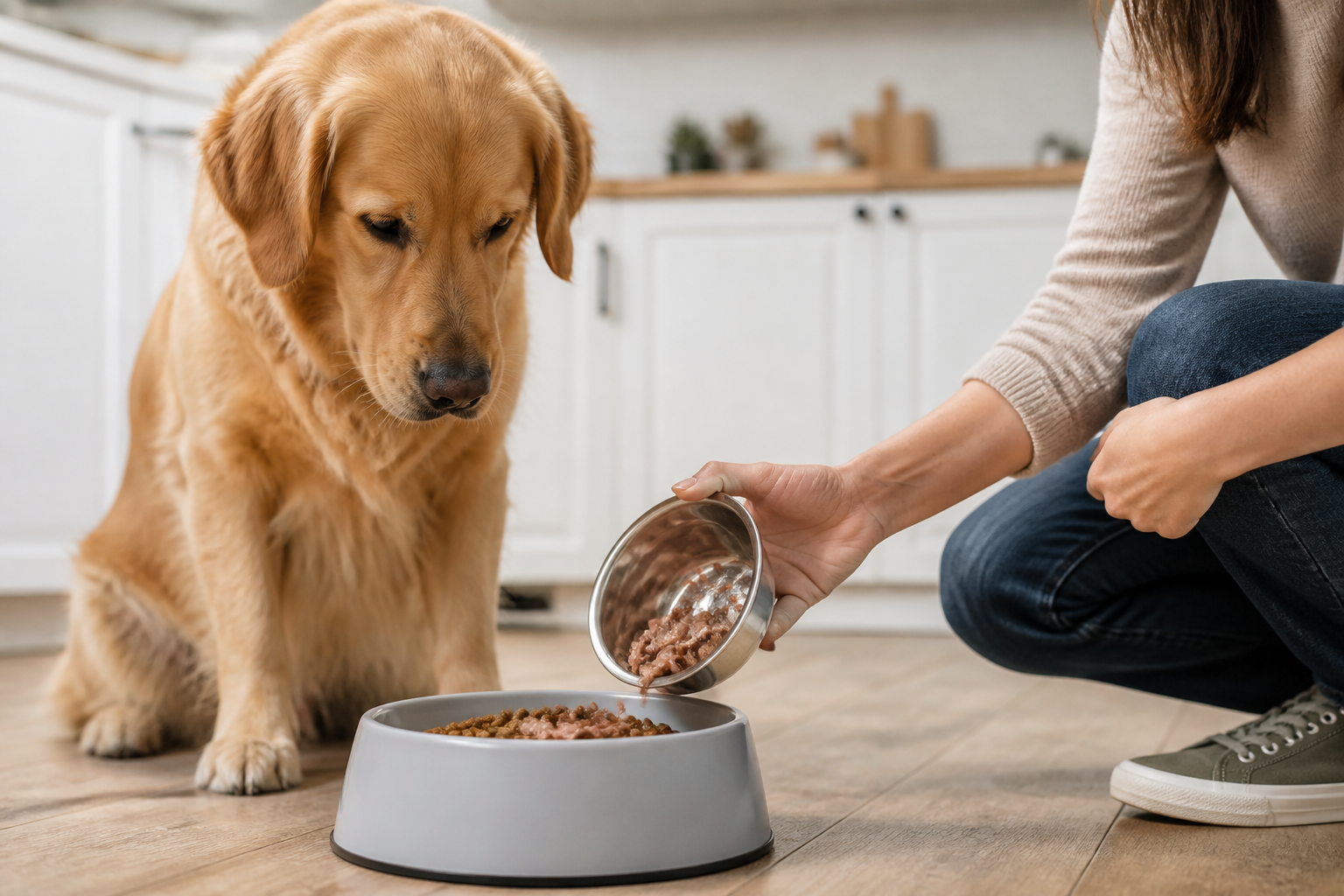
You stand in the kitchen while your dog stares at a bowl of plain kibble with zero interest. Maybe they take a single bite and walk away, or perhaps they wait for you to add something better. This is a common moment for many pet owners who wonder if mixing in canned food is the right move. At BaxterBoo, we talk to people every day who want to spruce up mealtime without breaking the bank or ruining their dog's diet. Adding wet food to dry food is more than just a treat. It can provide essential hydration and entice older dogs with fading appetites. This article covers the benefits of mixed feeding, how to balance calories, and the safest ways to store leftovers. You will learn how to transition your dog to a mixed diet while keeping their nutrition on track.
Quick Answer: Yes, you can safely add wet food to dry food as long as both are nutritionally complete. This mixture improves hydration and palatability, but you must adjust the total portion size to prevent weight gain.
Why Mix Wet and Dry Food?
Mixing different textures and formats of food provides a variety of benefits that go beyond just a better taste. Most dogs find the strong scent of canned food much more appealing than dry kibble. This is especially helpful for dogs that have become picky or those recovering from an illness.
Boosting Daily Hydration
Many dogs do not drink enough water throughout the day. Dry kibble usually contains only 10 percent to 12 percent moisture. In contrast, wet food is often 75 percent to 80 percent water. By adding a scoop of wet food, you are essentially "hiding" water in their meal. This extra hydration is great for kidney health and can help prevent urinary tract issues.
Improving Palatability for Picky Eaters
Dogs experience the world through their noses. Wet food has a much stronger aroma than dry food. When you mix the two, the wet food coats the kibble, making the entire bowl smell more like a fresh meal. We see this work well for senior dogs who may be losing their sense of smell. It also helps dogs that are bored with the same flavor every single day.
Cost-Effective Nutrition
Feeding a large dog a 100 percent wet food diet can get very expensive. Mixing allows you to provide the high-quality ingredients and taste of wet food while the dry kibble provides the bulk of the calories. This balance helps your budget while still giving your dog a premium dining experience.
Key Takeaway: Mixing wet and dry food is a practical way to increase water intake and make meals more exciting without the high cost of an all-canned diet.
The Nutritional Science of Mixing
When you decide to mix foods, you cannot just add a scoop of wet food on top of a full serving of dry food. This leads to overfeeding and weight gain. You must look at the calories provided by each product to find the right balance. Browse our dog food category to compare dry and wet formulas.
Calorie Counting and Portion Control
Every can and bag of food has a calorie count, usually listed as kilocalories (kcal) per cup or can. If you want to replace 25 percent of your dog's dry food with wet food, you need to calculate the calories. For example, if your dog eats 400 calories of dry food, you would reduce that to 300 calories and add 100 calories of wet food. For another look at portion math, see this wet-to-dry dog food conversion guide.
AAFCO Standards
Always look for the AAFCO (Association of American Feed Control Officials) statement on both the wet and dry food labels. It should say the food is "complete and balanced" for your dog's specific life stage. If one of the foods is only intended for "intermittent or supplemental feeding," it should not make up the bulk of the diet. Most brands we carry, such as Stella and Chewy's or Open Farm, offer complete and balanced options in both formats.
Maintaining Nutritional Balance
Mixing two different brands is generally fine as long as both are high quality. However, some owners prefer to stay within the same brand family. Brands like Farmina or NutriSource often formulate their wet and dry lines to complement each other. This can make the math easier and ensure the nutrient profiles are similar.
Vet Tip: If your dog has a history of pancreatitis or sensitive digestion, consult your veterinarian before adding wet food. Canned options can sometimes be higher in fat, which may trigger a flare-up in sensitive pets.
How to Transition Your Dog to a Mixed Diet
A sudden change in diet can lead to an upset stomach or diarrhea. Even if the food is high quality, your dog's digestive system needs time to adapt to the new moisture and fat levels. This guide to switching from dry to wet dog food covers another gradual transition approach.
Step 1: Start with a very small amount. / Add just a tablespoon of wet food to the normal dry serving for the first two days. Step 2: Monitor the stool. / Check to see if your dog has any loose stools or gas. Step 3: Gradually increase the ratio. / If your dog is doing well, reduce the dry kibble slightly and increase the wet food over the next five to seven days. Step 4: Reach your final balance. / Most owners find a 75 percent dry to 25 percent wet ratio works well for long-term health and budget.
Signs of Digestive Upset
Watch for signs that the transition is moving too fast. This includes vomiting, excessive gas, or a lack of interest in the new mixture. If these occur, go back to the previous successful ratio for a few days before trying to increase the wet food again.
- Start with a 90/10 ratio of dry to wet.
- Move to 80/20 after three days.
- Observe energy levels and coat health.
- Keep fresh water available at all times.
Special Considerations for Senior Dogs
As dogs age, their needs change. Senior dogs often face dental issues, such as missing teeth or sore gums, that make chewing hard kibble painful. Adding wet food softens the dry pieces, making them much easier to eat.
Cognitive and Sensory Changes
Older dogs may lose interest in food because they cannot smell it as well. Heating the wet food for a few seconds in the microwave before mixing it with dry kibble can intensify the aroma. This often "wakes up" the appetite of a senior dog.
Managing Senior Health
Many senior dogs need help with weight management or joint support. Some wet foods are specifically formulated with added glucosamine or lower calorie counts. Our pharmacy offers specialized diets and supplements that can be integrated into a mixed feeding plan. Through our partnership with Pet's Choice, we provide access to FDA-approved medications that may be necessary as your dog enters their golden years.
Bottom line: For senior dogs, mixing wet food is a vital tool for maintaining hydration and making meals physically easier to consume.
Mixing Prescription and Therapeutic Diets
If your dog is on a prescription diet for a health condition like kidney disease, allergies, or urinary crystals, you must be very careful. Mixing a therapeutic dry food with a standard "grocery store" wet food can ruin the medical benefits.
The Importance of Compatibility
Therapeutic diets are precisely balanced to manage specific minerals or protein levels. For example, if your dog is eating Royal Canin Veterinary Diet Urinary SO dry food, you should only mix it with the matching Urinary SO canned food. Adding a different wet food could change the pH of the urine and lead to more stones or crystals.
Accessing Prescription Food
Our BaxterBoo pharmacy partnership with Pet's Choice makes it easy to get these specialized diets delivered to your door. We carry brands like Farmina Vet Life and Royal Canin that require a veterinarian's authorization. Always talk to your vet before you mix anything into a prescription meal. They can tell you exactly which canned formulas will support your dog's treatment plan.
Allergy Management
For dogs with severe food allergies, even a tiny amount of the wrong wet food can cause a skin flare-up. If you are using a limited ingredient dry food from a brand like Acana or Zesty Paws, ensure the wet food topper uses the same single protein source. This prevents accidental exposure to allergens like chicken or beef.
Vet Tip: Never add toppers or wet food to a prescription diet without checking with your vet first. Doing so can accidentally counteract the medicine or specialized nutrition your dog needs.
Practical Tips for Safe Feeding
Once you mix wet food into the bowl, the "rules" for how long you can leave the food out change. Dry kibble can sit in a bowl all day, but wet food is a perishable product. For additional meal-moistening ideas, read how to mix dry dog food with water.
The 30-Minute Rule
Mixed food should not sit at room temperature for more than 30 minutes. Bacteria can grow quickly in the moist environment. If your dog does not finish their meal within this window, you should throw the leftovers away. This prevents food poisoning and keeps your dog's feeding area clean.
Storing Leftover Canned Food
Most dogs will not eat a whole can of wet food in one sitting. You can store the remaining food in the refrigerator for up to three days. Use a plastic pet food lid or plastic wrap to keep the food from drying out and to prevent the smell from filling your fridge.
Cleaning the Bowl
Wet food leaves a sticky residue that can trap bacteria. It is important to wash your dog's bowl with hot, soapy water after every single meal. Stainless steel or ceramic bowls are better for mixed feeding than plastic, as plastic can develop small scratches that hide bacteria.
- Wash bowls daily.
- Use airtight lids for open cans.
- Discard uneaten mixed food after 30 minutes.
- Keep a consistent feeding schedule.
Texture and Dental Health
One common myth is that dogs must eat only dry food to keep their teeth clean. While the crunch of kibble can help scrape away some plaque, it is not a substitute for regular dental care. Mixing in wet food will not "rot" your dog's teeth faster, provided you maintain a good oral hygiene routine.
The Role of Dry Kibble
The mechanical action of chewing dry food does provide some dental benefit. If you mix the food, try not to soak the kibble until it is completely mushy unless your dog has severe dental pain. Keeping some of that crunch helps maintain the modest dental benefits of dry food.
Comprehensive Dental Care
Regardless of what you feed, your dog needs regular brushing and professional cleanings. We carry a wide range of dental treats like Greenies and water additives that can help. Our pharmacy also provides products for advanced oral health management. Feeding a mixed diet gives you the chance to use dental health as a priority while still offering the moisture of wet food.
Key Takeaway: You do not have to worry about wet food causing dental decay, but you should still prioritize teeth brushing and dental treats.
Cost Considerations and Value
We know that pet care costs can add up quickly. Mixing food is one of the best ways to provide high-quality nutrition while staying within a budget. Since dry food is more calorie-dense and shelf-stable, it remains the most affordable base for any diet. You can also compare options in our wet dog food category.
Bulk Savings and Programs
To make mixed feeding more affordable, look into the BaxterBoo MVP Rewards program. You can earn up to 5 percent back on your purchases, which helps when buying both bags of kibble and cases of cans. Our Autoship program also offers a discount on your first order and ensures you never run out of your dog's favorite wet food toppers.
Frequent Buyer Benefits
Many of the brands we carry, such as Orijen and Acana, participate in frequent buyer programs. These programs allow you to earn free bags or cases of food over time. This is a great way to offset the cost of adding a premium wet food to your dog's daily routine.
Bottom line: Mixing food is a budget-friendly way to offer premium nutrition, especially when you take advantage of rewards and frequent buyer programs.
Conclusion
Adding wet food to your dog's dry food is an excellent way to improve their quality of life. It provides essential moisture, makes meals more appetizing, and helps senior dogs chew more easily. As long as you balance the calories and transition slowly, your dog can enjoy the best of both worlds. Remember to keep an eye on their weight and consult your veterinarian if you are managing a specific health condition. Our warehouse at BaxterBoo is stocked with over 500 brands to help you find the perfect match for your dog's bowl. Whether you need a simple flavor booster or a prescription diet from our pharmacy, we are here to support your pet's health journey.
- Calculate calories to prevent weight gain.
- Transition slowly over one week.
- Store open cans in the fridge for no more than three days.
- Clean bowls after every meal to prevent bacteria.
Key Takeaway: Mixed feeding combines the dental benefits of kibble with the hydration of wet food for a balanced, tasty diet.
FAQ
How much wet food should I add to my dogs dry food?
The most common ratio is 75 percent dry food to 25 percent wet food by calorie count. You should not simply add the wet food on top of a full meal, or your dog will consume too many calories. Instead, remove a portion of the dry kibble that equals the calorie count of the wet food you are adding.
Will mixing wet and dry food cause diarrhea?
It can if you change the diet too quickly. Dogs have sensitive digestive systems that need time to adjust to the higher fat and moisture content in canned food. Start with just a tablespoon of wet food and slowly increase the amount over a week to avoid stomach upset.
Can I leave mixed food out all day?
No, you should never leave food containing wet ingredients out for more than 30 minutes. Unlike dry kibble, wet food can grow harmful bacteria quickly at room temperature. If your dog does not finish the meal within a half hour, discard the leftovers and wash the bowl.
Is it better to mix wet and dry food or feed them separately?
Both methods are fine, but mixing them usually helps picky eaters the most. When you mix the two, the juices and aromas from the wet food coat the dry kibble, making the entire meal more appealing. If your dog has no trouble eating, you can also offer wet food as a separate treat at a different time of day.






