
 Save 15% on your 1st Autoship learn more

 Email us
 Live Chat
 FAQs
FAQs





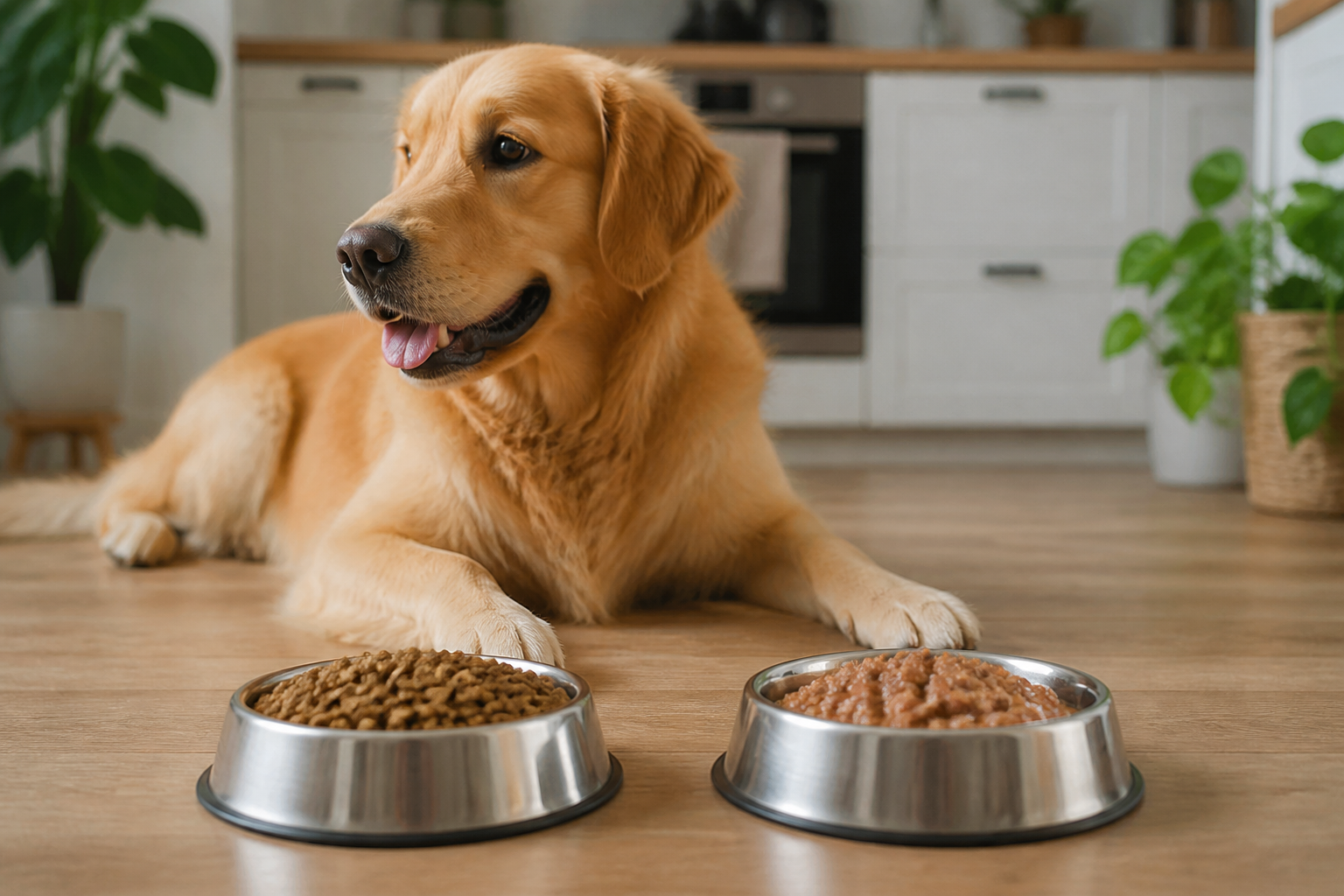
Introduction
Standing in the pet food aisle can feel like a test you did not study for. You see rows of colorful bags filled with crunchy kibble next to stacks of cans containing savory stews and pates. Your dog likely has a preference, but you want to know what is actually best for their long term health. At BaxterBoo, we talk to pet owners every day who are trying to balance nutrition, cost, and their dog's picky appetite. This article covers the differences between wet and dry options, the health benefits of each, and how to safely combine them. You will learn how to transition your dog to a mixed diet without causing an upset stomach. Our goal is to help you build a meal plan that keeps your dog excited for dinner while meeting their specific nutritional needs.
Quick Answer: Yes, giving your dog both wet and dry food is a great way to provide variety and hydration. This approach combines the dental benefits of crunchy kibble with the high moisture and protein content of canned food. Always consult your veterinarian to ensure you are feeding the correct total calories for your dog's weight.
Understanding the Differences in Processing
The main difference between wet and dry dog food starts in the factory. It is not just about the water content. The way the food is cooked and preserved changes the final product. Knowing how your dog's food is made can help you understand why they might prefer one over the other.
How Dry Food Is Made
Dry dog food, or kibble, goes through a process called extrusion. Manufacturers take protein sources, grains, and vitamins and grind them into a consistent dough. This dough is cooked under high pressure and temperature. It is then pushed through small holes to create the shapes you see in the bag.
After the kibble is formed, it undergoes a drying process. This removes most of the moisture, leaving it with about 10 percent water content. Finally, the pieces are often sprayed with fats or oils to make them taste better. This process makes kibble shelf stable and easy to store for long periods.
How Wet Food Is Made
Wet food involves a very different cooking method. The meat and protein sources are ground up and mixed with a gravy or jelly that contains essential minerals and vitamins. This mixture is put into cans or pouches and sealed.
Once sealed, the containers are heated to sterilize the food. This kills any bacteria and allows the food to stay fresh without many artificial preservatives. Wet food usually contains around 75 to 80 percent moisture. This high water content is the biggest factor that sets it apart from dry kibble.
The Specific Benefits of Wet Dog Food
Many dogs jump for joy when they hear a can opener. There are several reasons why wet food is more than just a treat. It offers functional benefits that can improve a dog's quality of life, especially as they age.
Superior Hydration
Water is vital for every organ in your dog's body. Some dogs simply do not drink enough from their water bowl. Wet food provides a significant boost to their daily fluid intake. This is particularly helpful for dogs with a history of urinary tract issues or kidney concerns. Increased hydration helps the kidneys flush out toxins more effectively.
High Palatability
If you have a picky eater, wet food is often the solution. It has a much stronger aroma than dry food. This is because the moisture carries the scent of the proteins more effectively. Senior dogs often lose some of their sense of smell. A fragrant wet food can entice them to eat when they might otherwise ignore their bowl.
For more ideas about choosing between these options, read our guide to wet and dry dog food.
Satiety and Weight Management
Wet food can be a helpful tool for dogs that always seem hungry. Because it contains so much water, the physical volume of the meal is much larger than a comparable amount of kibble. This helps your dog feel full while consuming fewer calories. If your dog needs to lose weight, replacing a portion of their kibble with wet food can prevent them from begging for extra snacks.
Easier Chewing for Dental Issues
Dental disease is a common problem for many dogs. Some may find it painful to crunch down on hard kibble. Wet food has a soft, uniform texture that requires very little chewing. This makes it the ideal choice for senior dogs with missing teeth or puppies that are currently losing their baby teeth.
For additional guidance on canine oral care, explore our article about warning signs of bad teeth in dogs.
Vet Tip: If your dog has a chronic health condition like kidney disease or severe allergies, your vet may recommend a prescription diet. Our pet pharmacy carries FDA approved prescription pet foods through our partnership with Pet's Choice. Always consult your vet before switching to a specialized medical diet.
The Practical Advantages of Dry Dog Food
While wet food is great for hydration, dry food is the backbone of most dog diets for good reason. It offers convenience and specific health benefits that wet food cannot match.
Supporting Dental Health
The crunch of a high quality kibble does more than just make noise. As your dog chews, the hard texture helps scrape away some of the plaque and tartar from the surface of their teeth. This mechanical cleaning can help slow down the progression of periodontal disease. While it does not replace regular tooth brushing, it is a helpful daily supplement to their oral hygiene routine.
Convenience and Cost
Dry food is significantly easier to manage for most households. You can buy it in large bags that last for weeks. It does not require refrigeration after the bag is opened. This makes it easier to store in a pantry or a sealed container. Kibble is also typically more affordable on a per calorie basis. For owners with large breeds or multiple dogs, dry food is a cost effective way to provide complete nutrition.
Browse our dog food category to compare dry, wet, and mixed-feeding options.
Use in Enrichment Toys
Mental stimulation is just as important as physical exercise. Dry kibble is perfect for use in puzzle feeders, snuffle mats, and dispensing toys. These tools force your dog to work for their food, which keeps their brain active. Wet food is much harder to use in these types of enrichment activities without creating a major mess.
Grazing and Stability
Some dogs prefer to eat small amounts throughout the day rather than finishing a meal all at once. Dry food can sit out in a bowl for several hours without spoiling. Wet food, on the other hand, should be picked up after about 30 minutes to prevent bacterial growth. If your schedule is unpredictable, kibble offers much more flexibility.
Bottom line: Dry food is excellent for dental health and convenience, while wet food excels in hydration and taste.
Why You Should Consider Mixing Both
You do not have to choose just one. Mixing wet and dry food is often the best strategy for the average healthy dog. It allows you to take advantage of the benefits of both formats.
The Best of Both Worlds
By mixing the two, you give your dog the dental benefits of kibble and the hydration of wet food. This variety also prevents your dog from becoming bored with their meals. Many owners find that their dogs are more excited about mealtime when there is a little bit of "wet topper" mixed into their dry food.
Read more about mixing wet and dry dog food before creating a new feeding routine.
Cost Management
Feeding a 70 pound dog exclusively on canned food can become very expensive. Mixing a small amount of wet food into a larger portion of kibble is a great compromise. You provide the flavor and moisture your dog loves without breaking your monthly budget.
Menu Variety for Picky Eaters
Just like humans, dogs can get tired of eating the exact same thing every single day. Mixing allows you to rotate through different wet food flavors while keeping the base kibble consistent. This can keep a picky eater interested in their food for years.
How to Successfully Mix Wet and Dry Food
If you decide to start mixing, you cannot just add a scoop of wet food on top of a full serving of kibble. This will lead to overfeeding and weight gain. You must be strategic about the transition.
Step 1: Calculate the total daily calories. / Look at the feeding guides on both the bag and the can. You need to determine how many calories your dog needs based on their target weight and activity level.
Step 2: Determine the ratio. / Decide if you want a 50/50 split or just a small topper. For example, you might feed 75 percent of the daily calories as kibble and 25 percent as wet food.
Step 3: Adjust the portions. / If you add a quarter can of wet food, you must remove the equivalent amount of kibble. Do not guess. Use a measuring cup to ensure accuracy.
Step 4: Mix thoroughly. / If your dog is clever, they might try to eat only the wet food and leave the dry kibble behind. Stir the two together so the wet food coats the kibble. This makes it harder for them to pick out the "good stuff."
Step 5: Watch for weight changes. / Monitor your dog's body condition over the first month. If they seem to be gaining weight, reduce the total amount slightly.
For a gradual change, follow our guide to switching from dry to wet dog food.
Key Takeaway: Proper portion control is essential when mixing food types. Use measuring cups and consult feeding charts to prevent accidental weight gain.
Considerations for Different Life Stages
A dog's nutritional needs change as they grow and age. The decision to use wet or dry food often depends on where they are in their life cycle.
Puppies
Puppies have small mouths and very high energy needs. Many owners start puppies on a mix of wet and dry food. The wet food is easy to chew and helps them stay hydrated. The kibble helps them get used to different textures. As they grow, the crunch of kibble can also help soothe their gums during the teething phase.
Senior Dogs
Older dogs often face a variety of health challenges. Their sense of smell might decline, making food less interesting. They may also have stiff joints or dental pain. Wet food is often a lifesaver for seniors. The strong smell encourages them to eat, and the soft texture is easy on sensitive teeth. If your senior dog is on medication, wet food is also a perfect way to hide pills.
Dogs with Sensitive Stomachs
If your dog has a sensitive digestive system, consistency is key. We carry several brands at BaxterBoo, like Farmina and Royal Canin, that offer both wet and dry versions of the same formula. Using the same recipe in both formats can reduce the risk of an upset stomach. If your dog has chronic digestive issues, talk to your vet about prescription options available through our pharmacy.
Tips for Storage and Safety
Mixing food requires a little more attention to safety and hygiene than feeding dry kibble alone. Follow these rules to keep your dog's kitchen clean.
- Refrigerate opened cans. Once a can is opened, it must be covered and put in the fridge. Use a silicone can cover to keep it airtight and prevent smells from leaking into your fridge.
- Use it fast. Most wet food should be used within three to five days of opening. If you only use a tiny bit as a topper, consider buying smaller cans to avoid waste.
- Wash bowls daily. Wet food leaves behind a residue that can grow bacteria very quickly. Wash your dog's bowl with hot, soapy water after every single meal.
- Check the expiration. Dry food can go rancid if stored in a warm or humid area. Keep the kibble in its original bag inside a sealed plastic or metal bin.
For more food-handling guidance, read about dog food storage and freshness.
Finding the Right Balance for Your Dog
Every dog is an individual. Some dogs thrive on a 100 percent kibble diet, while others require wet food for medical reasons. Most find their happy place somewhere in the middle. We have seen thousands of dogs improve their health and happiness simply by finding the right combination of textures and flavors.
If you are unsure where to start, try adding a small amount of wet food to your dog's dinner. Observe how they react. Are they more excited? Is their stool consistent? Does their coat look shiny? These are all signs that you are on the right track.
For owners managing chronic health issues, the BaxterBoo pharmacy is here to help. We work with Pet's Choice to provide a wide range of prescription diets and medications that can be delivered right to your door. This makes it easier than ever to manage your dog's specific health needs without multiple trips to the clinic.
Bottom line: Mixing wet and dry food is a flexible, healthy, and cost effective way to feed almost any dog.
Conclusion
Deciding whether to give your dog wet and dry food does not have to be a stressful choice. By combining the two, you offer your dog the hydration of wet food and the dental support of kibble. This approach is practical, affordable, and highly appealing to most dogs. Remember to calculate your calories carefully and maintain a clean feeding area.
- Wet food supports hydration and is great for picky eaters.
- Dry food is convenient, cost effective, and helps clean teeth.
- Mixing both provides variety and balanced nutrition.
- Consult your vet for specific calorie needs or prescription diets.
Check out our full selection of premium dog food to find the perfect match for your pup. You can even sign up for our Autoship programme to save on every order and make sure you never run out of your dog's favorite meals.
FAQ
Can I mix different brands of wet and dry food?
Yes, you can mix different brands, but it is generally easier to track nutrition if you stay within the same high quality brand. Ensure both products are labeled as "complete and balanced" by AAFCO standards. Mixing a high quality kibble with a lower quality wet food may dilute the overall nutritional value of the meal.
How do I know if I am feeding too many calories when mixing?
The best way to track calories is to look at the kcal count on the packaging of both foods. Most manufacturers provide a guide for "mixed feeding" on their websites or labels. If you are unsure, ask your veterinarian to calculate a daily calorie target based on your dog's current weight and activity level.
Will adding wet food to my dog's diet cause diarrhea?
Any sudden change in diet can cause an upset stomach or loose stools. To avoid this, introduce the wet food slowly over the course of a week. Start with a very small amount mixed into their regular kibble and gradually increase the portion while decreasing the kibble amount accordingly.
Does wet food cause more dental problems than dry food?
Wet food does not "cause" dental problems, but it lacks the abrasive texture that helps scrape teeth clean. If you feed a diet that is mostly or entirely wet food, you must be more diligent about regular tooth brushing and professional veterinary cleanings. Mixing in some dry kibble or providing dental chews can also help maintain oral health.






