
 Save 15% on your 1st Autoship learn more

 Email us
 Live Chat
 FAQs
FAQs





Introduction
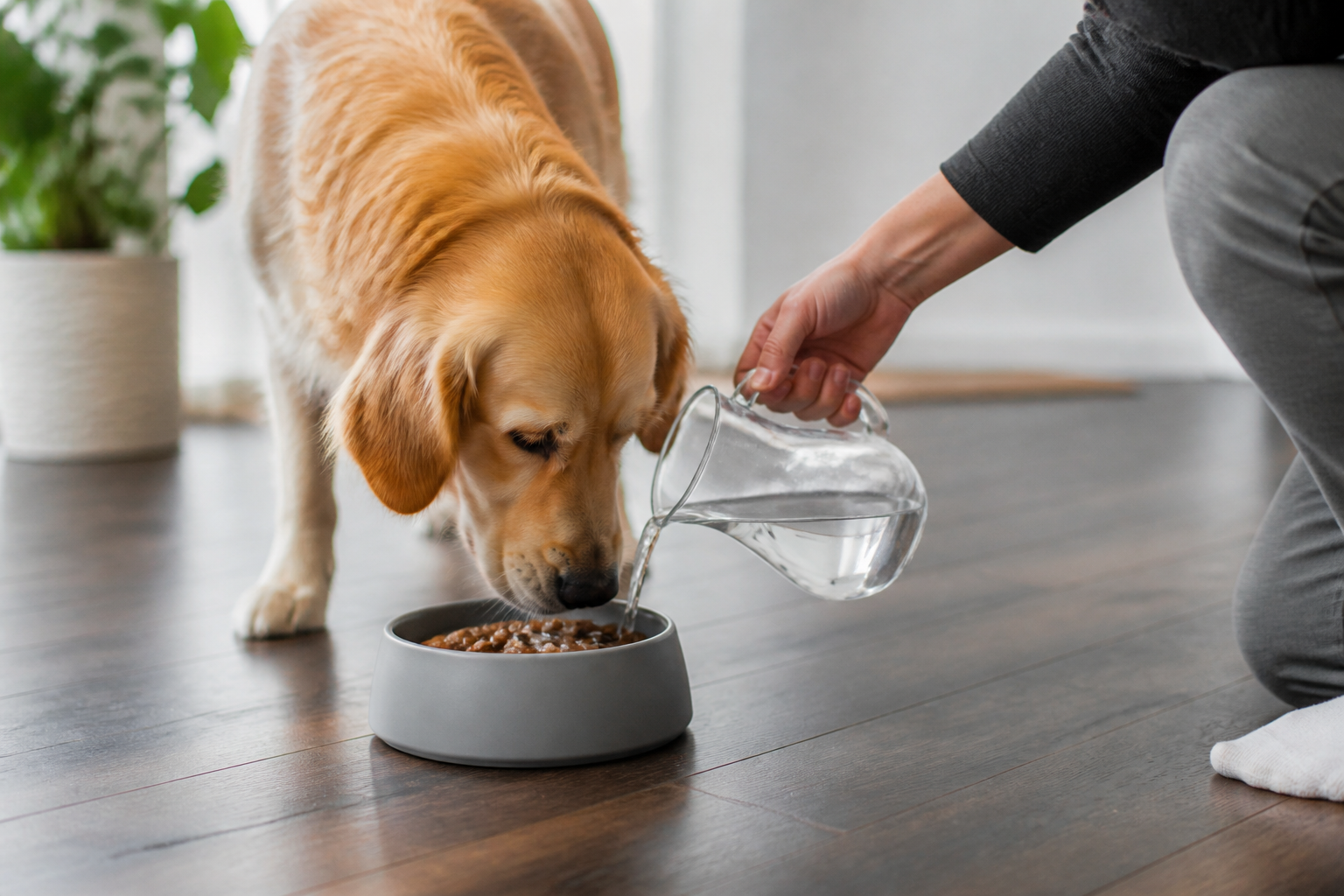
You are standing in your kitchen, looking down at a bowl of dry, crunchy kibble. Perhaps your dog is a senior who seems to struggle with the hard texture. Maybe you have a picky eater who nudges the bowl and walks away. You might simply worry that your dog is not drinking enough water during the hot summer months. It is a common moment for many pet owners. At BaxterBoo, we hear these questions often from neighbors looking to improve their dog's mealtime experience. Adding water to kibble is a simple step that can offer significant health benefits, but it requires a few safety rules to avoid spoilage. This article explores why you might want to hydrate your dog's food, how to do it safely, and when to consider specialized alternatives like prescription diets.
The Immediate Benefits of Hydrating Kibble
Mixing water with dry dog food changes more than just the texture. It alters the entire sensory experience for your dog. For most dogs, the sense of smell is the primary driver of appetite. When you add warm water to dry kibble, it releases the fats and aromas that are often locked inside the hard, extruded nuggets.
Hydration is the most obvious benefit. Many dogs are "lazy" drinkers. They may not visit the water bowl as often as they should. This is especially true for dogs eating a strictly dry diet, which typically contains only about 10 percent moisture. By adding water directly to the food, you ensure your dog receives a significant portion of their daily fluid intake during their meal. Our dog food category includes dry, wet, and topper options for different mealtime preferences.
Quick Answer: Yes, you can mix dry dog food with water to improve hydration, enhance aroma, and make kibble easier to chew. It is especially helpful for seniors, puppies, or picky eaters, provided you serve it immediately to prevent spoilage.
Supporting Urinary and Kidney Health
Consistent hydration is a cornerstone of urinary tract health. When a dog is well-hydrated, their urine is more dilute. This helps flush out the bladder and can reduce the risk of certain types of crystals or stones. For dogs with a history of urinary issues, moisture is not just a preference; it is a necessity.
Our pet pharmacy carries prescription medications and other veterinary products. If your veterinarian has diagnosed a specific kidney or urinary condition, they may recommend a prescription diet like Royal Canin Veterinary Diet or Farmina Vet Life. These foods are often designed to be highly palatable when moisture is added, helping to support kidney function through increased fluid intake.
Improving Digestion and Nutrient Absorption
Dry kibble is produced through a process called extrusion. The ingredients are cooked at high temperatures and dried into hard shapes. When these dry pieces enter the stomach, they must absorb moisture from the dog's body to begin breaking down. This can sometimes lead to a feeling of heaviness or even mild dehydration as the body pulls fluids toward the digestive tract.
Pre-moistening the food begins the breakdown process before the food even hits the stomach. This can be particularly helpful for dogs prone to bloating or gas. Softer food moves through the digestive system more smoothly, potentially leading to better nutrient absorption and more consistent stool quality. For additional feeding guidance, read how to wet dry dog food for better digestion and hydration.
Is it Better for Puppies and Seniors?
The life stage of your dog plays a massive role in whether you should soften their food. Puppies and senior dogs have unique dental and digestive needs that make hydrated kibble an excellent choice. Our life-stage dog food selection offers formulas for growing puppies, adults, and senior dogs.
Helping Growing Puppies
Puppies transitioning from milk or wet food to solid kibble often find the hard texture difficult to manage. Their small teeth and developing jaws may tire easily. Softening the kibble creates a "mush" that is much easier for them to swallow and digest. It also ensures that these high-energy bundles of joy stay hydrated during their rapid growth phases.
Caring for Senior Dogs
Senior dogs often face dental challenges. Missing teeth, gum sensitivity, or simply a weaker bite can make eating hard kibble a painful chore. When a senior dog starts leaving food in the bowl, it is often a sign that the physical act of chewing has become difficult. Adding water allows them to continue eating the high-quality dry food they enjoy without the discomfort. You can also browse senior dog food options when comparing age-appropriate meals.
Key Takeaway: Hydrating kibble is a practical solution for the two ends of the age spectrum, providing easier chewing for puppies and a more comfortable mealtime for seniors with dental issues.
The Dental Health Debate
A common argument against adding water to kibble is that it ruins the dental benefits of dry food. Many owners believe that the "crunch" of dry kibble helps scrape plaque and tartar off the teeth. While there is some truth to the mechanical cleaning action of certain dental diets, most standard kibble shatters quickly upon impact. It does not provide the significant cleaning power that many assume.
If dental health is your primary concern, look for brands specifically formulated for oral care, such as Royal Canin Dental diets. These kibbles have a specific fiber structure that resists crumbling, forcing the tooth to sink into the kibble for a cleaning effect. For most other foods, the hydration benefits of adding water usually outweigh the minimal dental cleaning lost by softening the food.
Vet Tip: If you choose to soften your dog's food, it is important to be even more diligent about regular tooth brushing. Soft food can sometimes stick to the gum line more easily than dry kibble, so a daily cleaning routine is the best way to prevent plaque buildup.
For more at-home care ideas, review these pet dental care tips.
Potential Risks and Safety Guidelines
While adding water is generally beneficial, it does introduce a few safety concerns. The most significant risk is bacterial growth. Dry kibble is shelf-stable because it lacks moisture. Once you add water, you create a perfect environment for bacteria like Salmonella or Listeria to thrive, especially in warm weather.
The One-Hour Rule
You must treat hydrated kibble like wet canned food. It cannot sit out all day. If your dog is a "grazer" who likes to take a few bites and return later, mixing water with their food may not be the best strategy. Any uneaten portion of moistened food should be picked up and discarded after 30 to 60 minutes.
Avoiding Temperature Extremes
Always use room temperature or lukewarm water. Boiling water can destroy some of the heat-sensitive vitamins and probiotics added to premium foods after the extrusion process. It can also cause painful burns to your dog's mouth. Cold water is safe but will not release the aromas as effectively as warm water.
Safety Checklist for Hydrating Kibble:
- Use filtered or clean tap water.
- Ensure the water is warm, not hot.
- Discard any leftovers within one hour.
- Wash the food bowl thoroughly after every meal to remove film and bacteria.
- Never leave moistened food out overnight.
For additional guidance on storage and freshness, read how long you can keep dry dog food for peak freshness.
How to Properly Mix Water and Kibble
There is no one-size-fits-all ratio for mixing. It depends on your dog's preference and the reason you are adding moisture. If you are just looking for a bit of extra hydration, a small splash might be enough. If you are trying to help a dog with no teeth, you may want a soup-like consistency.
Step 1: Measure the dry food
Always start with the correct portion of dry food recommended for your dog's weight and activity level. Do not guess, as it is easy to overfeed when the volume changes.
Step 2: Add the water
A good starting point is one part water to three parts kibble. For example, if you feed one cup of dry food, add a quarter cup of water.
Step 3: Let it sit
If your goal is to soften the kibble for a senior dog or puppy, let the mixture sit for 10 to 15 minutes. The kibble will absorb the water and expand. If you just want a "gravy" for a picky eater, you can serve it immediately.
Step 4: Stir and serve
Mix the contents to ensure the water or resulting gravy is evenly distributed. This prevents your dog from just lapping up the liquid and leaving the kibble behind.
Bottom line: Start with a 1:4 ratio of water to kibble and adjust based on whether your dog prefers a slight crunch or a soft mash.
Using Broths and Mixers Instead of Water
If your dog is extremely picky, plain water might not be enough to entice them. In these cases, you can use specialized pet-safe broths or wet food toppers. Our food toppers and broths include options for adding moisture and flavor to meals.
Standard human broths from the grocery store are often dangerous for dogs. They frequently contain high levels of sodium, onions, or garlic, all of which are toxic or harmful to pets. Always choose a broth specifically formulated for dogs. These often contain added nutrients like collagen or turmeric for joint support.
Mixing Wet and Dry Food
Another way to add moisture is the "top-dressing" method. This involves mixing a few tablespoons of canned food with the dry kibble. This provides a variety of textures and a massive boost in flavor. Brands like Farmina and NutriSource offer wet and dry formulas that complement each other perfectly. When mixing, remember to adjust the total calories. If you add wet food, you must slightly decrease the amount of dry kibble to prevent unwanted weight gain. You can also explore our selection of NutriSource products for dry and wet food choices.
When to Consult Your Veterinarian
If you are considering changing your dog's diet because they have stopped eating, have chronic diarrhea, or seem lethargic, a visit to the vet is the essential first step. A lack of appetite can be a symptom of many underlying health issues, from dental disease to kidney failure.
For dogs with chronic conditions, your vet might prescribe a therapeutic diet. These are not standard over-the-counter foods. They are formulated to manage specific medical needs. Our pharmacy, through our Pet's Choice partnership, makes it easy to have these prescription diets delivered right to your door. Whether your dog needs a hydrolyzed protein diet for allergies or a low-fat diet for pancreatitis, we can help you manage their ongoing care.
Autoship and Rewards for Consistent Care
Keeping your dog's diet consistent is key to their health. Sudden changes in food can lead to stomach upset. If you find that your dog thrives on a specific brand like Acana, Orijen, or Stella and Chewy's, our Autoship programme is a great way to ensure you never run out. You will save on your first order and earn a free MVP Gold membership, which provides extra perks.
The MVP Rewards programme also allows you to earn up to 5 percent back on your purchases. For pet owners managing the needs of a senior dog or a large breed that eats a lot, these savings add up quickly. It is our way of helping you provide the best care without stretching your budget.
Summary of the Hydration Approach
Deciding to mix water with your dog's food is a simple, low-cost way to improve their quality of life. It supports their kidneys, helps their digestion, and makes every meal more flavorful.
Key Takeaway: Adding water to kibble is a safe and effective way to boost hydration and palatability, but it requires strict hygiene and immediate serving to keep your pet safe from bacteria.
Whether you are caring for a playful new puppy or a dignified senior, paying attention to the moisture content of their food is a sign of a proactive pet owner. We have been helping pet parents navigate these choices since 2006, and we are here to provide the gear, food, and pharmacy services your dog needs at every stage of their journey.
Bottom line: Most dogs will benefit from a little extra water in their bowl, provided you follow basic food safety rules and consult your vet for any underlying health concerns.
FAQ
Can I mix water with kibble if my dog has a sensitive stomach?
Yes, adding water can actually help dogs with sensitive stomachs. It softens the food and makes it easier to digest, which can reduce the workload on the gastrointestinal tract. However, if your dog has chronic digestive issues, you should consult your veterinarian to rule out food allergies or other conditions that might require a prescription diet from our pharmacy.
Does adding water to dry food cause dental problems?
Adding water does not directly cause dental problems, but it does remove the minimal scraping action that dry kibble provides. If your dog eats softened food, it is more important to brush their teeth regularly and provide dental chews. Some owners choose to feed one meal dry and one meal hydrated to get the benefits of both textures.
Can I use chicken broth instead of water?
You can use chicken broth only if it is specifically made for dogs and contains no onions, garlic, or high sodium levels. Never use store-bought human broth, as these ingredients are toxic to dogs. We offer many pet-safe bone broths and toppers that provide extra nutrients like collagen and glucosamine alongside the added moisture.
Should I use warm or cold water for my dog's food?
Warm water is usually better because it helps the kibble absorb the liquid faster and releases the food's natural aromas. This makes the meal much more appealing to picky eaters. Avoid using boiling or very hot water, as it can burn your dog's mouth and may damage some of the vitamins and nutrients in the food.






