Save 15% on your 1st Autoship learn more

 Email us
 Live Chat
 FAQs
FAQs





Introduction
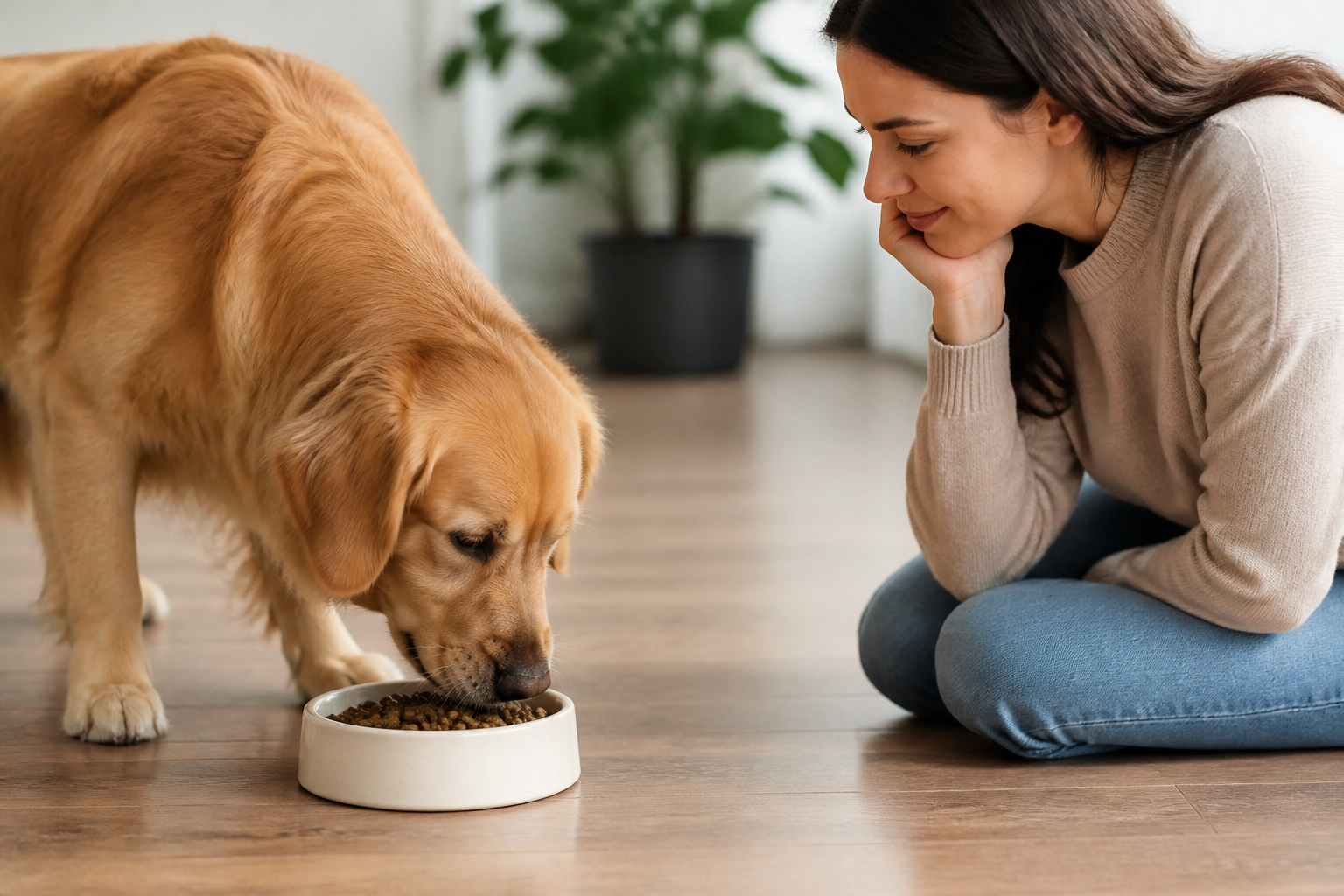
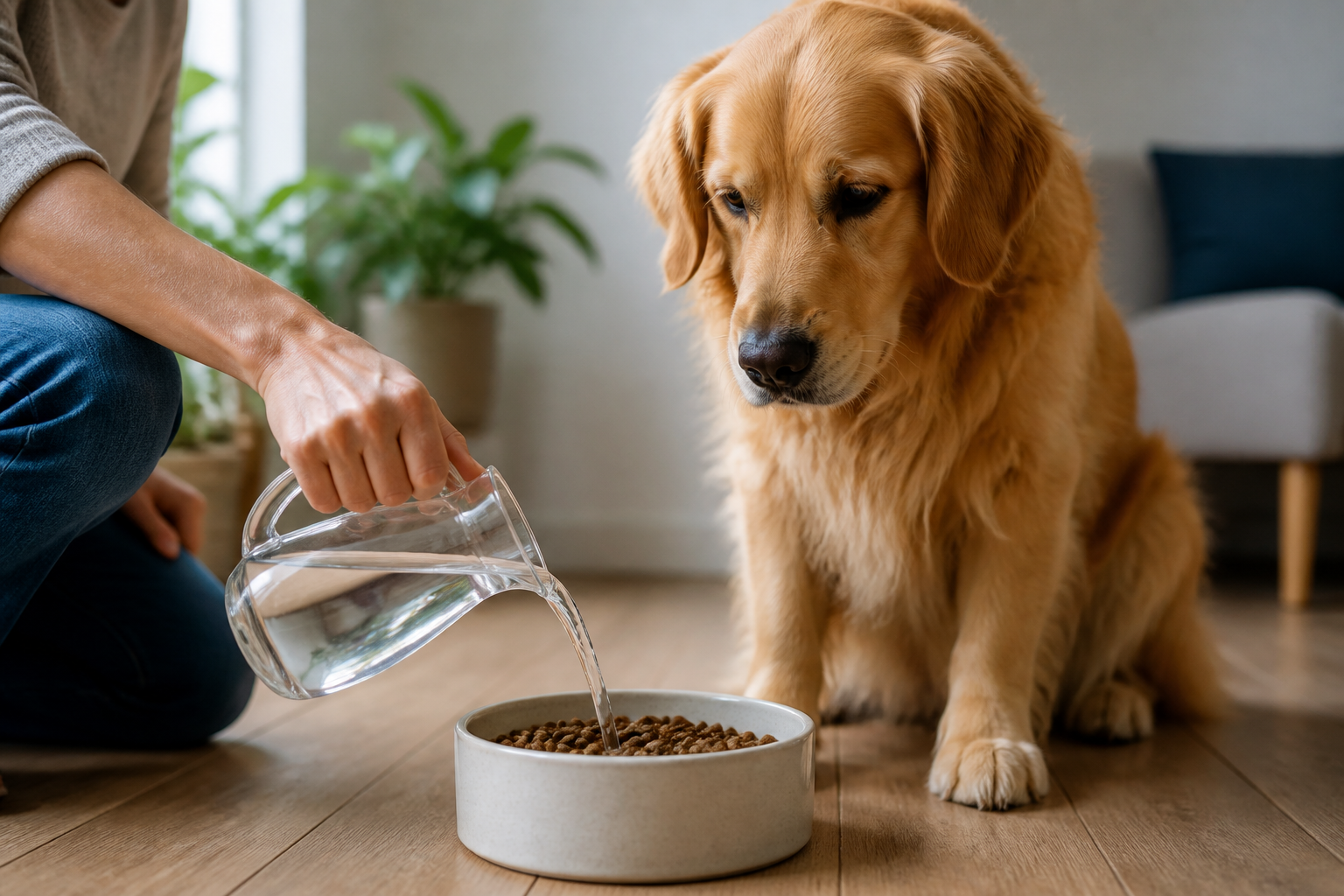
You stand over your dog’s bowl, looking at those hard, brown pellets of kibble. You might wonder if they look a little too dry or if they are hard for your dog to crunch. It is a common moment for many pet owners. You want to make sure your dog is getting the best nutrition and staying hydrated. At BaxterBoo, we get this question often from customers who want to level up their pet's mealtime routine. Adding water to dry food is a simple step that can offer several health benefits, from better digestion to improved hydration. This post covers the pros and cons of moistening kibble and the best ways to do it safely. Whether you have a picky puppy or a senior dog with dental needs, understanding how moisture affects their food is key to a healthy diet.
Quick Answer: Yes, you can and often should put water on your dog’s dry food. It helps with hydration, improves digestion by breaking down starches, and makes the food more appealing to picky eaters.
The Role of Hydration in Canine Nutrition
Dogs are made of about 70 percent water. Every major organ needs moisture to function. While most dogs have a water bowl available at all times, many do not drink enough to stay fully hydrated. This is especially true for dogs that only eat dry kibble. Dry food typically contains only about 6 to 10 percent moisture. In comparison, canned food often contains 75 percent or more.
When a dog eats dry food, their body must use its own internal fluids to process the meal. This can put a small amount of stress on the kidneys and the digestive tract. By adding water directly to the bowl, you ensure that your dog is taking in fluids while they eat. This proactive approach helps maintain the balance of fluids in their system.
Proper hydration supports several vital functions:
- Temperature regulation through panting.
- Lubrication of the joints.
- Transporting nutrients to cells.
- Removing waste through the kidneys and bladder.
Key Takeaway: Adding water to kibble is an easy way to boost a dog’s daily fluid intake without relying solely on their thirst drive.
Improving Digestion and Nutrient Absorption
Dry kibble is a concentrated source of calories and nutrients. It is often made using a process called extrusion. This involves high heat and pressure to create the crunchy texture. This process makes the food shelf-stable, but it also creates a very dense structure.
When you add water to dry food, the "pre-soaking" process begins. The water starts to break down the starches and proteins before the food even reaches your dog’s stomach. This can be very helpful for the digestive enzymes in the stomach. These enzymes work more efficiently when the food is already softened.
For many dogs, this leads to better nutrient absorption. When food is easier to break down, the body can more effectively pull out the vitamins and minerals it needs. It also helps the food move more smoothly through the gastrointestinal tract. This can lead to more consistent bowel movements and less chance of constipation.
Bottom line: Moistened food is often easier for the body to process and can help your dog get the most out of every bite.
Helping Picky Eaters and Enhancing Aroma
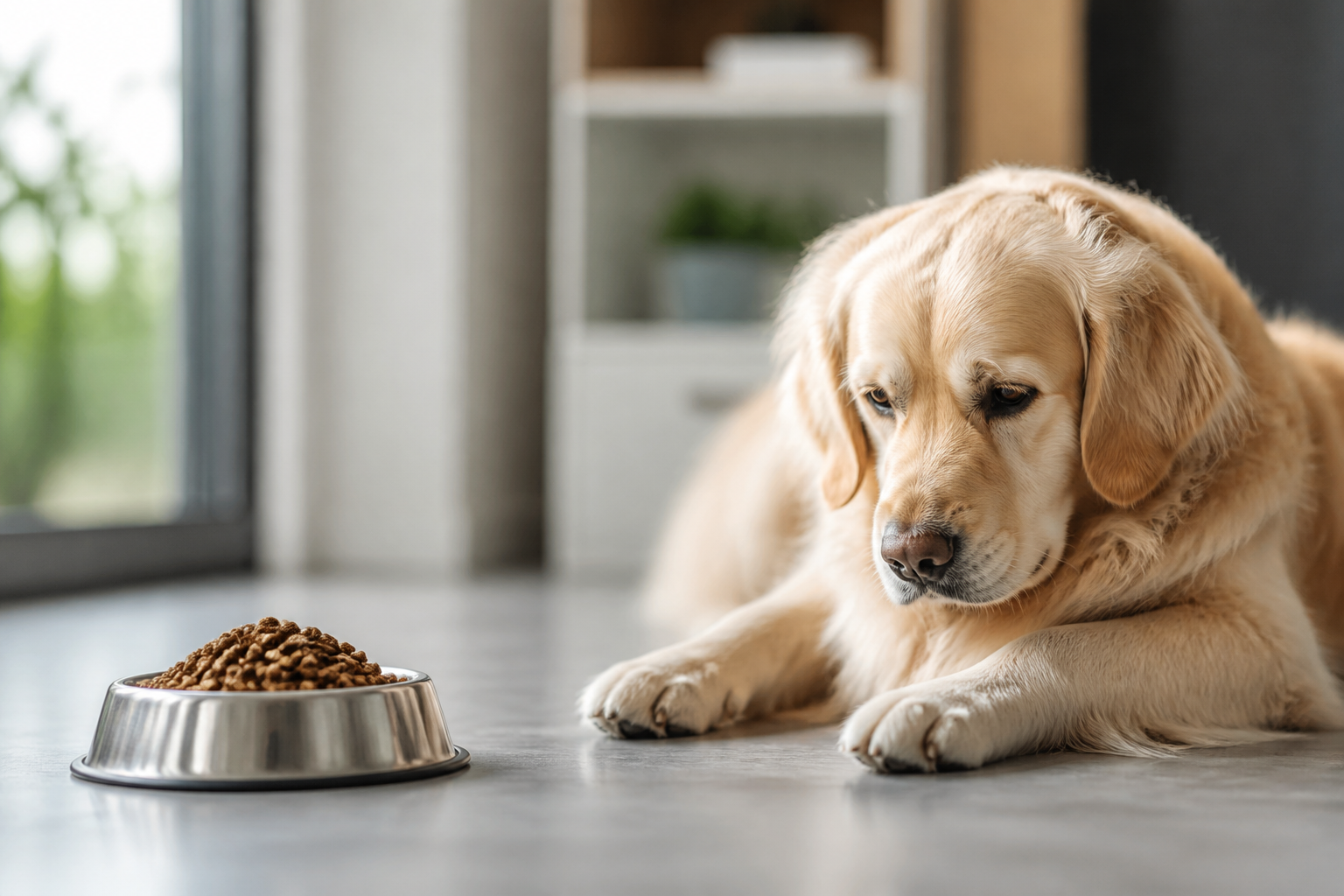
If your dog turns their nose up at plain kibble, water might be the secret ingredient you need. Dogs rely heavily on their sense of smell to decide what is tasty. Dry kibble does not always have a strong scent when it is sitting in a bowl.
Adding warm water to dry food releases the natural fats and aromas within the kibble. The steam carries these scents to your dog’s nose, making the meal much more enticing. This is a great trick for dogs that have lost some of their appetite due to age or illness.
Warmth also changes the texture. Some dogs prefer a "gravy" consistency over a hard crunch. By letting the food soak for a few minutes, you can create a savory meal that feels more like a home-cooked dinner. This is a cost-effective way to make a basic kibble feel like a premium treat. For more ideas, read our guide on getting your dog to eat dry dog food.
Benefits for Different Life Stages
The needs of a puppy are very different from those of a senior dog. Adding water to food can address specific challenges at both ends of the age spectrum.
Puppies and Teething
Puppies have small, sensitive teeth. As they lose their baby teeth and their adult teeth come in, their gums can become very sore. Hard kibble can be painful to chew during this stage. Softening the food with water allows them to eat without discomfort. It also helps them stay hydrated during a period of rapid growth. If you are shopping for a young dog, our puppy supplies section can help you find age-appropriate essentials.
Senior Dogs and Dental Health
Many older dogs struggle with dental disease, missing teeth, or sensitive gums. Crunching down on hard kibble can be a chore for them. Adding water makes the food much easier to manage. Additionally, senior dogs are more prone to dehydration and kidney issues. Increasing their water intake through their food is a gentle way to support their aging organs.
Vet Tip: If your senior dog is suddenly refusing dry food, it could be a sign of a dental problem or an underlying health issue. Always consult your veterinarian to rule out pain or illness before simply switching to soft food.
Addressing the Dental Health Myth
A common argument against adding water to dry food is that the crunch helps clean teeth. While the mechanical action of chewing hard food can scrape some plaque away, it is not a substitute for dental care. Most dogs chew their kibble quickly, or swallow it whole, meaning the "cleaning" effect is minimal.
In fact, some dry foods are high in carbohydrates that can stick to the teeth and turn into plaque. Whether you feed dry or moistened food, the best way to keep your dog's mouth healthy is through regular brushing and professional cleanings. Do not feel that you are ruining their teeth by softening their food. The hydration benefits often outweigh the slight mechanical benefit of the crunch. For more options, explore our dental and breath care collection.
Weight Management and Satiety
If your dog is always acting hungry, water can be a helpful tool for weight control. Adding a cup of water to a cup of kibble increases the volume of the meal without adding any calories. This helps your dog feel fuller.
The expanded food takes up more space in the stomach. This sends signals to the brain that the stomach is full. This can stop your dog from begging for more food immediately after they finish their bowl. For dogs on a weight loss plan, this "bulking up" of the meal can make the transition to smaller portions much easier.
Our pharmacy at BaxterBoo offers a variety of prescription weight management diets through our partnership with Pet's Choice. If your dog needs a specific therapeutic diet for weight loss or other health conditions, we can help you manage those needs with home delivery.
Safety Precautions and Potential Risks
While adding water is generally great, there are some safety rules to follow. Moisture creates an environment where bacteria can grow. If you add water to food, you cannot leave the bowl out all day.
Bacterial Growth
Dry kibble can sit out for hours without an issue. Once you add water, the clock starts ticking. Bacteria like Salmonella or Listeria can multiply in moist environments. You should pick up any uneaten moistened food after 20 to 30 minutes.
Spoilage in Warm Weather
If you live in a warm climate, the food will spoil even faster. Always use fresh, clean water. Do not use hot or boiling water, as this can destroy some of the vitamins in the food and burn your dog’s mouth. Lukewarm or room-temperature water is best.
Mycotoxins
In rare cases, moisture can encourage the growth of mold or mycotoxins if the food is left in a damp environment for too long. Always wash your dog’s bowl thoroughly after every meal that involves water or wet food.
Key Takeaway: Treat moistened kibble like fresh food. Serve it immediately and clean the bowl thoroughly to prevent bacterial growth.
How to Properly Add Water to Dry Food
If you want to start adding water to your dog's meals, it is best to do it gradually. A sudden change in texture might confuse some dogs.
Step 1: Measure the kibble. / Put the usual amount of dry food into your dog’s clean bowl.
Step 2: Add lukewarm water. / Use a ratio of roughly one part water to two or three parts kibble. You do not want the food to be swimming, just covered.
Step 3: Let it soak. / Wait about 5 to 10 minutes. This allows the water to penetrate the center of the kibble and release the aromas.
Step 4: Stir and serve. / Give it a quick mix to ensure the moisture is distributed. Serve it to your dog while it is still fresh. For more mealtime guidance, read our guide to mixing dry dog food with water.
Alternatives to Plain Water
If you want to provide even more nutrition, you do not have to use plain water. There are several healthy liquids that can add flavor and health benefits.
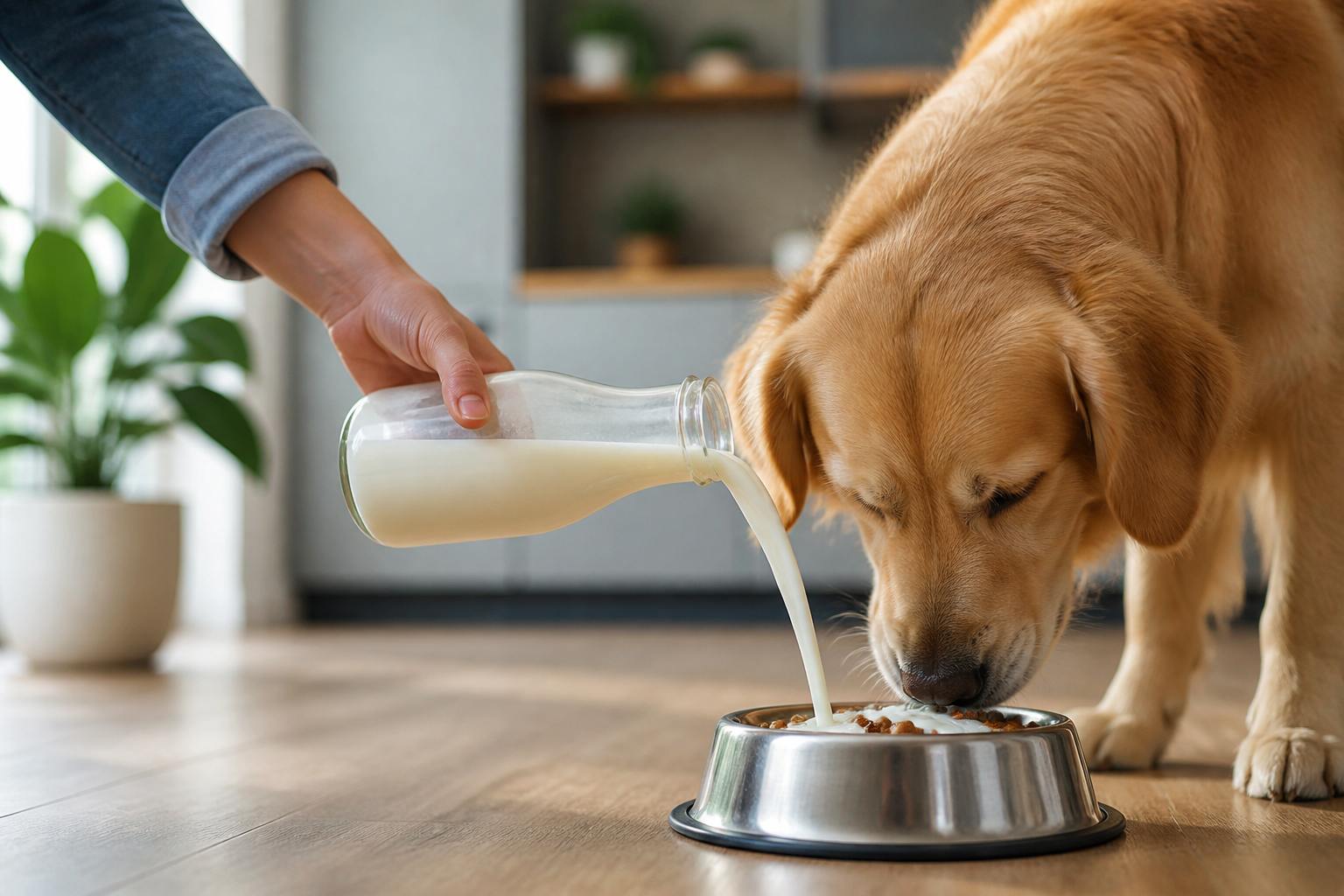
- Bone Broth: This is packed with amino acids and minerals. Ensure it is a dog-specific broth that does not contain onions, garlic, or excessive salt.
- Goat Milk: Many dogs find goat milk delicious. It is often easier to digest than cow’s milk and provides a boost of probiotics for gut health.
- Canned Food: Mixing a spoonful of wet food with water and kibble creates a rich gravy that most dogs cannot resist.
We carry a wide variety of meal toppers and broths that are perfect for this. Browse our bone broth collection for options that can complement your dog’s meals. Many of our customers use their MVP Rewards to try different toppers and find what their dog loves most.
When to Talk to Your Veterinarian
While adding water is a healthy habit for most dogs, it is not a cure for health problems. If you are adding water because your dog has stopped drinking from their bowl, that is a sign something is wrong. Increased thirst or a refusal to drink can point to issues like diabetes or kidney disease.
If your dog is on a prescription diet from a veterinarian, ask them before you change how you serve the food. Some therapeutic diets are designed to be fed in a specific way to manage conditions like urinary stones.
Vet Tip: Always mention changes in eating or drinking habits to your vet. If you notice your dog is straining to urinate or has a sudden change in appetite, a professional exam is the best next step. Our pharmacy carries FDA-approved medications and prescription pet foods for these ongoing health needs.
The Connection to Urinary Health
Increased water intake is one of the best defenses against urinary tract issues. When a dog drinks more, they urinate more frequently. This helps flush out the bladder and prevents minerals from clumping together to form stones or crystals.
For certain breeds prone to urinary issues, like Dalmatians or Schnauzers, hydration is a top priority. Adding water to every meal ensures they are constantly flushing their system. If your dog has a history of stones, your vet might even recommend a specific water-to-kibble ratio to keep their urine diluted.
Bloat and Fast Eaters
Bloat, or Gastric Dilatation-Volvulus (GDV), is a life-threatening condition where the stomach fills with air and twists. It is a major concern for large, deep-chested breeds. While the exact cause of bloat is not always known, eating too fast is a risk factor.
Adding water to kibble can actually help slow down a fast eater. It is harder for a dog to gulp down a bowl of softened food and water than it is to inhale dry pellets. The moisture also helps the food settle in the stomach more naturally. However, some studies suggest that very small kibble that is softened might not have the same effect. It is always best to monitor your dog while they eat and use a slow-feeder bowl if they are a "vacuum."
Practical Tips for Busy Owners
We know that life is busy. You might not always have 10 minutes to wait for food to soak in the morning. If you are in a rush, even a quick splash of water just before serving is better than nothing. It will still provide extra hydration and start the process of releasing aromas.
If you are traveling with your dog, adding water to their food can help them stay hydrated during the stress of a trip. Use bottled water if you are unsure of the local water quality to avoid any upset stomachs. For a better setup at home, explore our dog bowls and feeders collection.
For even more convenience, many owners use our Autoship program. This ensures you never run out of your dog’s favorite kibble or the toppers you use to make their "gravy." Plus, you get savings on your orders and a free MVP Gold membership.
Summary of the Benefits
Adding water to dry food is a low-cost, high-impact way to improve your dog's daily life. It is a simple habit that supports their body from the inside out.
- Hydration: Provides a steady source of fluids for kidney and organ health.
- Palatability: Releases scents and creates a texture that appeals to picky dogs.
- Digestion: Helps break down dense starches for easier nutrient absorption.
- Comfort: Makes eating easier for puppies and seniors with dental issues.
- Satiety: Increases meal volume to help with weight management.
Conclusion
Deciding whether to put water on your dog's dry food comes down to their individual needs. For most dogs, the added hydration and digestive support make it a great choice. It is a simple way to turn a standard meal into a more flavorful and functional experience. Remember to keep things clean, use lukewarm water, and never leave moistened food out for long periods.
At BaxterBoo, we have been helping pet owners since 2006 find the right balance of nutrition and care. Whether you are looking for the perfect kibble, a hydrating bone broth, or prescription food from our pharmacy, we are here to support your dog’s health journey. Explore our dog food category for meal options, and use the MVP Rewards programme to get more value from future purchases. You can also read our guide to wetting dry dog food for another practical approach to preparing moistened meals.
Bottom line: Adding water to dry food is a safe, easy, and effective way to boost your dog's hydration and digestive health.
FAQ
How much water should I add to my dog's dry food?
A good starting point is about one-quarter to one-half cup of water for every cup of dry kibble. You can adjust this based on your dog's preference for either a slightly moistened crunch or a softer, soup-like consistency. The goal is to coat the food and allow it to absorb the moisture without making it completely unappealing.
Should I use hot or cold water to soften the food?
You should use lukewarm or room-temperature water. Hot or boiling water can be dangerous as it can burn your dog's mouth or esophagus. Additionally, extreme heat can break down some of the sensitive vitamins and minerals added to the kibble during manufacturing. Cold water works fine but will not release the aromas as effectively as warm water.
Can I leave moistened dog food out all day?
No, you should never leave moistened dry food out for more than 30 minutes. Once water is added, the kibble becomes a breeding ground for bacteria and mold. If your dog does not finish the meal within a short window, you should discard the leftovers and wash the bowl thoroughly with soap and water to ensure their next meal is safe.
Does adding water to kibble cause bloat?
There is no definitive proof that adding water causes bloat, and for many dogs, it may actually help by slowing down their eating speed. However, because bloat is a complex condition often seen in large breeds, it is important to talk to your vet about your specific dog's risk. Avoiding vigorous exercise right before or after a moistened meal is generally a good safety practice for high-risk breeds.