
 Save 15% on your 1st Autoship learn more

 Email us
 Live Chat
 FAQs
FAQs





Introduction
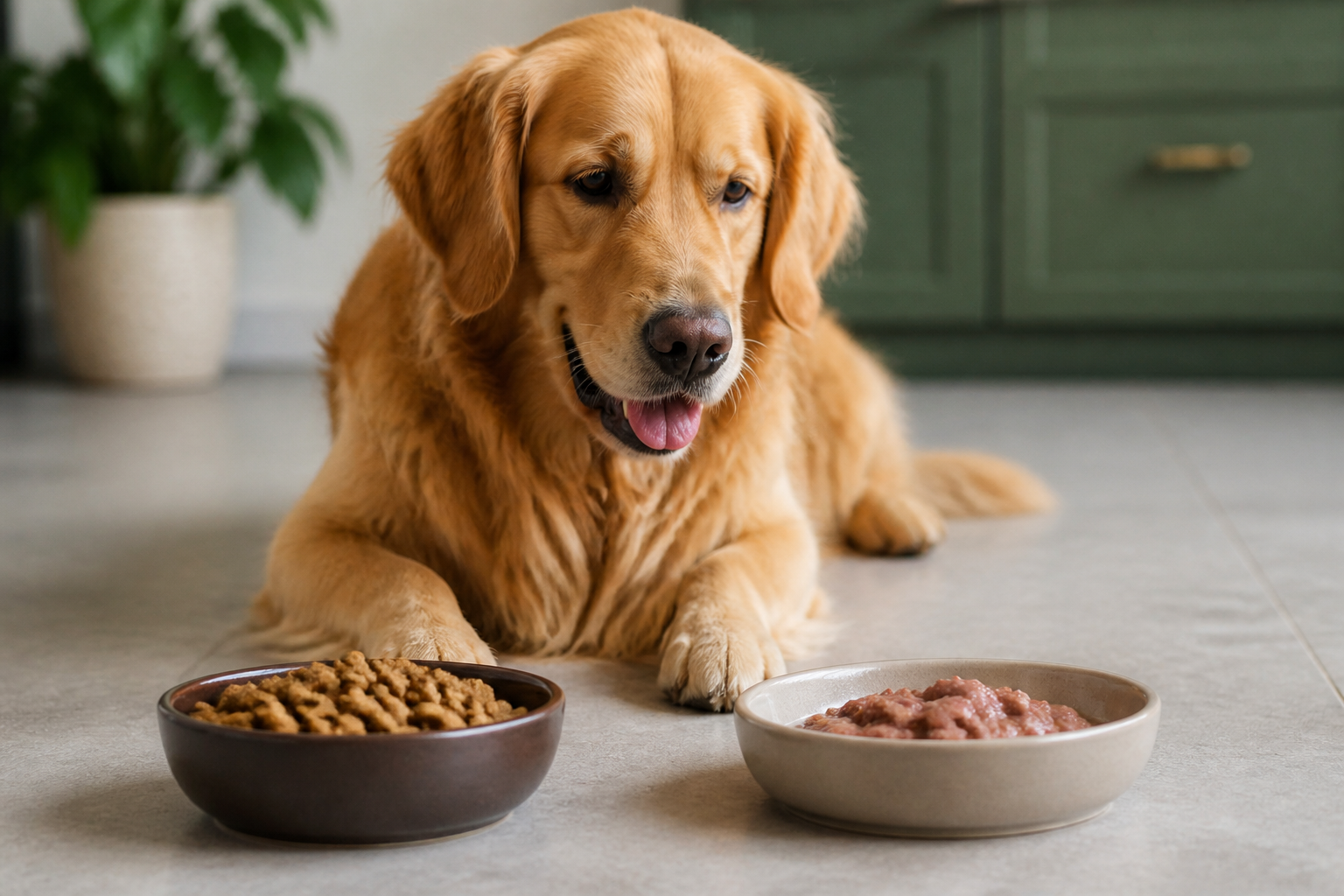
Standing in the pet food aisle of our BaxterBoo warehouse in Vernon Hills or scrolling through hundreds of options online can feel like a major challenge. You want the best for your dog, but the sheer variety of bags, cans, and pouches is enough to make any pet owner pause. One of the most common questions we hear is whether a dog should eat dry kibble or wet canned food. Each format offers distinct advantages for different lifestyles, ages, and health needs. In this guide, we will break down the differences in processing, nutritional density, and practical daily use. We want to help you feel confident that your choice supports your dog's long-term wellness. Ultimately, the best diet is the one that meets your dog's unique biological requirements while fitting your household routine.
Quick Answer: There is no single correct choice for every dog, as both wet and dry foods provide complete nutrition when they meet AAFCO standards. Dry food offers dental benefits and convenience, while wet food provides essential hydration and higher palatability for picky eaters or seniors.
Understanding Dry Dog Food: The Benefits of Kibble
Dry dog food is the most popular choice for many households across the United States. It is often called kibble or biscuits. We carry a massive variety of dry options from trusted brands like NutriSource, Acana, and Orijen. The production process involves mixing ingredients into a dough, which is then cooked and pushed through an extruder to create specific shapes. These pieces are dried and often sprayed with vitamins and fats to ensure they stay fresh and tasty.
One of the primary reasons owners choose dry food is its convenience. You can easily measure it out and leave it in a bowl for dogs that prefer to graze throughout the day. It does not spoil quickly at room temperature, which makes it ideal for busy families. Dry food is also highly cost-effective because you are not paying for high water content. This allows you to buy in bulk and store the food in a cool, dry place for several weeks. Our dog food selection makes it easy to compare formulas for different feeding routines.
Beyond convenience, dry food plays a role in dental hygiene. The mechanical action of chewing crunchy kibble helps scrape away a small amount of plaque from the teeth. While it is not a substitute for regular brushing or professional cleanings, it provides a daily boost to oral health. Many of our customers choose specific dental formulas from brands like Royal Canin to provide even more support for their dog's gums and teeth. Our dog dental care collection offers additional options for a consistent oral-care routine.
Key Takeaway: Dry food is a practical, cost-effective choice that supports dental health and allows for flexible feeding schedules in multi-pet or busy households.
Exploring Wet Dog Food: Why Canned Options Matter
Wet dog food is distinct because of its high moisture content and rich aroma. It is typically processed by grinding proteins and adding a gravy or jelly that contains essential minerals and vitamins. We stock a wide selection of wet foods from brands like Tiki Dog, Caru, and Stella and Chewy's. These options are often a favorite for dogs that have lost interest in their standard meals. You can browse wet dog food options when comparing canned and pouch formulas.
The biggest advantage of wet food is hydration. Most canned foods contain between 70% and 80% moisture. This is incredibly beneficial for dogs that do not drink enough water on their own. Proper hydration supports kidney function and urinary tract health. If your dog has a history of urinary stones or kidney issues, we often suggest discussing specialized diets with your veterinarian and exploring our pet pharmacy.
Wet food is also significantly more aromatic than dry kibble. This makes it a great solution for picky eaters or senior dogs whose sense of smell has started to fade. The soft texture is much easier to manage for puppies with small teeth or older dogs with dental disease. If your dog is recovering from a surgery or has missing teeth, wet food ensures they can still get the calories they need without pain.
- High moisture content supports urinary health.
- Stronger scent encourages eating in fussy pets.
- Soft texture is ideal for dental issues or mouth sensitivity.
- Fewer carbohydrates and higher protein levels are common.
Comparing Nutritional Content and Density
When you look at a label for dry food versus wet food, the numbers can be confusing. You might see a dry food with 25% protein and a wet food with only 8%. This does not mean the dry food has more protein. The difference is the water. To compare them fairly, you have to look at the dry matter basis. Once you remove the water from both, the protein levels are often quite similar.
Wet foods generally contain fewer carbohydrates than dry foods. This is because kibble requires starch to hold its shape during the extrusion process. If your dog needs a high-protein, low-carb diet for weight management or specific metabolic needs, wet food can be an excellent tool. The high water content in wet food also helps dogs feel full faster. This can prevent overeating in dogs that always seem hungry.
Dry food is more calorie-dense by volume. A small scoop of kibble might have the same number of calories as an entire large can of wet food. This makes dry food a better option for high-energy working dogs or large breeds that require a significant amount of energy. It allows them to get the fuel they need without having to eat a massive volume of food that could lead to stomach upset. For help comparing portions, read how much wet dog food equals one cup of dry food.
Vet Tip: Always look for the AAFCO nutritional adequacy statement on the packaging. This ensures the food is complete and balanced for your dog's specific life stage, whether they are a growing puppy or a maintenance adult.
Choosing Based on Your Dog's Life Stage
Your dog's nutritional needs will change as they grow. Puppies have very different requirements than senior dogs. When a puppy is transitioning from their mother's milk to solid food, wet food is often the best starting point. It is soft on their developing gums and easy to swallow. If you prefer to use dry food for a puppy, we recommend soaking the kibble in warm water or a pet-safe bone broth to soften it. Our puppy supplies section can help you find age-appropriate essentials.
Adult dogs with no underlying health issues can usually thrive on either format. The choice often comes down to their activity level and your budget. However, as dogs enter their senior years, their preferences and needs often shift toward wet food. Older dogs may experience a decline in appetite or find it difficult to chew hard biscuits. Wet food provides the extra hydration and flavor boost they need to maintain their weight.
If you are managing a senior dog with cognitive decline or joint stiffness, nutrition becomes even more critical. We carry supplements like Cosequin and Senilife that can be easily mixed into wet food. Canned food makes it much simpler to hide medications or powders that your senior dog might otherwise reject. For another perspective, read whether senior dogs should eat wet or dry food.
- Puppies: Benefit from soft textures during weaning and teething.
- Adults: Can thrive on either, depending on energy needs and dental health.
- Seniors: Often need the extra hydration and aroma of wet food to stimulate appetite.
Special Health Considerations and Prescription Diets
Health conditions often dictate whether a dog should eat dry or wet food. For example, dogs with chronic kidney disease usually require a diet that is low in phosphorus and high in moisture. In these cases, a prescription wet food is often the gold standard. Our pharmacy carries these specialized FDA-approved diets. You will need a valid prescription from your veterinarian to order these, as they are formulated to manage specific medical conditions. Explore prescription dog food and pharmacy options when your veterinarian recommends a therapeutic diet.
Dogs with food allergies or sensitive skin might also benefit from specific formats. Some limited-ingredient diets are only available in canned versions because it is easier to control the protein sources without needing various binders. Brands like Farmina Vet Life offer specialized options for weight management and digestive support. If your dog is struggling with frequent upset stomachs or skin rashes, consult your veterinarian about a therapeutic diet.
Vet Tip: If your dog is showing signs of a health condition like excessive thirst, sudden weight loss, or persistent skin irritation, do not try to fix it by just switching food. A veterinary diagnosis is essential before moving to a prescription or therapeutic diet.
The Best of Both Worlds: The Mixed Feeding Method
You do not have to choose just one type of food. Many pet parents find that mixing wet and dry food provides the best balance of health benefits and cost savings. This is often called "topping" or "mixed feeding." By adding a spoonful of wet food to a bowl of kibble, you can make the meal more exciting for your dog while still providing the dental benefits of dry food. Learn more about mixing wet and dry dog food.
Mixing food is also a great way to manage a budget. Feeding a large dog exclusively on high-quality canned food can become very expensive. By using dry food as the base and wet food as a flavor enhancer, you get the palatability benefits without the high price tag. It also ensures your dog gets a variety of textures, which can provide mental enrichment during mealtime.
Step 1: Consult your vet. / Ask for a daily calorie target to ensure you do not overfeed when combining two different products.
Step 2: Measure carefully. / Use a standard measuring cup for kibble and a scale or spoon for wet food to keep portions consistent.
Step 3: Mix thoroughly. / Stir the wet food into the kibble to ensure your dog does not just pick out the "good stuff" and leave the dry pieces behind.
Step 4: Monitor weight. / Check your dog's body condition regularly and adjust the amounts if they start to gain or lose weight.
Bottom line: Mixed feeding offers a flexible way to provide hydration and flavor while maintaining the dental and financial benefits of dry kibble.
Practical Tips for Food Storage and Handling
How you store your dog's food is just as important as what you buy. Dry food can go rancid if it is exposed to air, light, and heat for too long. We recommend keeping kibble in its original bag and placing that bag inside an airtight container. This preserves the oils and vitamins that are sprayed onto the outside of the pellets. Most bags are designed to keep the food fresh, and moving the food into a plastic bin can sometimes cause the fats to leach into the plastic.
Wet food requires even more careful handling. Once you open a can or pouch, the clock starts ticking. Bacteria can grow quickly in the moist environment. You should never leave wet food out in a bowl for more than an hour or two. If your dog does not finish their meal, pick it up and throw it away. Unused wet food from a can should be covered with a tight-fitting lid and stored in the refrigerator. For additional guidance, see how to switch from dry to wet dog food.
When you serve refrigerated wet food, some dogs might be hesitant because it is cold. You can warm it slightly to room temperature to bring back the aroma. Be careful not to make it hot, as this can burn your dog's mouth. Always wash your dog's bowls with hot, soapy water after every meal to prevent the buildup of biofilm and bacteria.
- Keep dry food in the original bag inside a sealed bin.
- Refrigerate opened wet food and use it within 48 to 72 hours.
- Wash bowls daily to prevent bacteria growth.
- Store all pet food in a cool, dark, and dry location.
How to Successfully Transition Your Dog's Diet
If you decide to switch from dry to wet food, or vice versa, you must do it slowly. A sudden change in diet is the most common cause of digestive upset in dogs. Their gut bacteria need time to adjust to the new ingredients and moisture levels. A slow transition helps prevent diarrhea, vomiting, and gas.
We recommend a transition period of at least seven to ten days. Start by mixing a small amount of the new food into the old food. Gradually increase the ratio of new food every few days. If your dog has a particularly sensitive stomach, you might want to extend this process to two weeks. Monitoring their stool quality is the best way to tell if the transition is going well. Our guide on switching from dry to wet dog food provides another transition outline.
Key Takeaway: A gradual transition over 7 to 10 days is the safest way to introduce a new food format and protect your dog's digestive health.
Conclusion
Choosing between dry and wet food does not have to be a source of stress. Both options can provide excellent nutrition for your dog as long as you choose high-quality brands that meet established standards. Dry food offers convenience and dental support, while wet food provides essential hydration and appeals to picky eaters. Many dogs do best with a combination of both. At BaxterBoo, we carry over 500 brands to ensure you find exactly what your dog needs for their specific life stage and health profile. If your dog requires a specialized diet for a chronic condition, remember that our pharmacy is here to help with prescription options.
- Assess your dog's current health and dental status.
- Consider your daily schedule and budget.
- Try mixing both formats for a balanced approach.
Bottom line: Your dog's individual health and preferences should always be the deciding factor when choosing between wet and dry food.
FAQ
Can I feed my dog only wet food?
Yes, you can feed a dog a diet of exclusively wet food as long as it is labeled as "complete and balanced" for their life stage. This is often necessary for senior dogs or those with severe dental issues. However, you must be diligent about their dental care, as they will not get the mechanical cleaning benefit that comes from chewing dry kibble.
Is dry food better for a dog's teeth than wet food?
Dry food can help reduce plaque and tartar buildup because the hard texture scrapes the teeth as the dog chews. This is helpful for overall oral health but it is not a complete solution for dental disease. Regardless of whether you feed dry or wet food, regular teeth brushing and professional veterinary cleanings are the only ways to fully prevent periodontal issues.
Why is wet food more expensive than dry food?
Wet food has a higher price point because of the packaging costs and the high water content. You are paying for a product that is mostly moisture, which means you have to buy a higher volume of it to meet your dog's caloric needs. Dry food is much more concentrated, making it a more economical choice for large dogs or multi-pet homes.
How do I know if my dog's food is high quality?
Check the label for an AAFCO statement which confirms the food is nutritionally complete. Look for a named protein source like chicken, beef, or lamb as the first ingredient rather than a generic "meat meal." High-quality brands like those we carry at BaxterBoo avoid excessive artificial fillers, colors, and flavors to ensure your pet gets genuine nutritional value.






