
 Save 15% on your 1st Autoship learn more

 Email us
 Live Chat
 FAQs
FAQs





Introduction
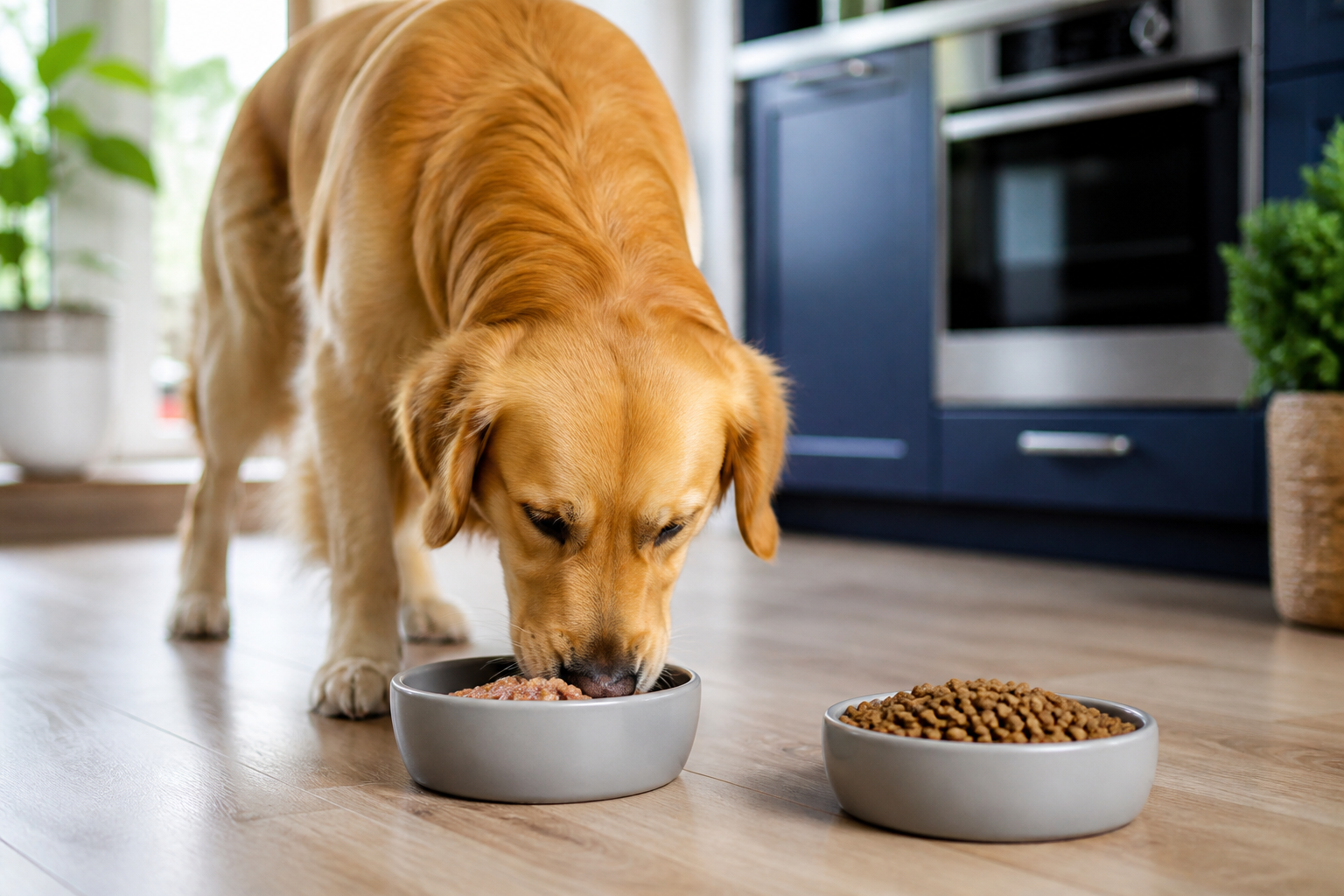
Standing in the dog food aisle can feel like a test you did not study for. You see rows of colorful bags and stacks of heavy cans. You might wonder if your dog is missing out on hydration if they only eat kibble. Perhaps you worry that soft food alone will not help keep their teeth clean. At BaxterBoo, we talk to pet owners every day who are trying to find the perfect balance for their furry friends. This guide covers the pros and cons of both formats and explains why mixing them is a popular choice for many households. We will also look at how to transition between types safely and how to keep calories in check. Ultimately, feeding a combination of wet and dry food can provide a well rounded diet that satisfies your dog's appetite and health needs.
Quick Answer: Yes, you can feed your dog a combination of wet and dry food as long as both are nutritionally complete. Mixing them provides the hydration and flavor of wet food alongside the convenience and dental benefits of dry kibble.
Understanding the Difference Between Wet and Dry Dog Food
The primary difference between these two types of food lies in the moisture content and the cooking process. Dry dog food, or kibble, goes through a process called extrusion. This involves mixing dry and wet ingredients into a dough, which is then cooked under high pressure and pushed through small holes to create specific shapes. After the kibble dries, it is often sprayed with fats and vitamins to ensure it is nutritious and tasty.
Wet dog food starts with protein sources that are ground and mixed with a gravy or jelly containing vitamins and minerals. The mixture is then sealed in cans, pouches, or trays and cooked at high temperatures to ensure it is sterile. The result is a meal that is much closer to the texture of fresh meat.
Most high quality commercial foods in the United States carry an AAFCO statement. This statement confirms that the food is complete and balanced for a specific life stage. If both your wet food and dry food have this label, they are providing all the essential nutrients your dog needs. The choice between them usually comes down to lifestyle, cost, and your dog's health requirements.
Key Takeaway: Both wet and dry foods provide full nutrition if they are AAFCO compliant. The main difference is the water content, which is about 10 percent in dry food and 75 to 80 percent in wet food.
The Advantages of Wet Dog Food
Many dogs find wet food much more appealing than dry kibble. The aroma is stronger and the texture is softer. This makes it an excellent choice for dogs that have become picky or have a naturally low appetite. Because it smells like actual meat and gravy, it often convinces a stubborn eater to finish their meal.
Hydration is the other major benefit of wet food. Many dogs do not drink enough water from their bowls. This is especially true for certain breeds or dogs with a history of urinary tract issues or kidney stones. The high moisture content in canned food helps flush the urinary system and keeps the kidneys working well. You can compare options in our wet dog food category.
Wet food is also very useful for dogs with physical limitations. This includes:
- Puppies that are still losing their baby teeth.
- Senior dogs with missing teeth or painful gums.
- Dogs recovering from dental surgeries or jaw injuries.
- Small breeds that struggle to crunch through large, hard kibble.
Finally, wet food can help with weight management. Because it is mostly water, it has a lower caloric density by volume. Your dog can eat a larger portion of wet food without consuming as many calories as a small amount of dry food. This helps them feel full and satisfied, which can prevent begging between meals.
The Advantages of Dry Dog Food
Dry food is the most common choice for pet owners because of its convenience. It is easy to store and does not require refrigeration after the bag is opened. You can leave it out in a bowl for several hours without it spoiling. This makes it ideal for dogs that prefer to graze throughout the day rather than eat their entire meal at once.
From a health perspective, kibble offers mechanical dental benefits. As your dog crunches the hard pieces, the friction helps scrape away some of the plaque and tartar from their teeth. While it is not a substitute for regular brushing, it is a helpful tool in maintaining oral hygiene.
Cost is another significant factor. Per calorie, dry food is almost always cheaper than wet food. For owners of large breeds like Great Danes or Mastiffs, feeding exclusively wet food can be very expensive. Buying kibble in bulk is a practical way to provide high quality nutrition while staying within a budget.
Dry food also works better with enrichment toys. You can put kibble into slow feeders, snuffle mats, or puzzle toys. This provides mental stimulation and prevents your dog from eating too fast. Wet food is much harder to use in these types of tools without making a significant mess.
Why Mixing Both is Often the Best Choice
Mixing wet and dry food is frequently called mixed feeding. It allows you to take advantage of the benefits of both types. You get the dental scraping and cost savings of dry food along with the hydration and flavor of wet food.
Many owners find that adding a small amount of wet food as a topper makes the meal much more exciting. This variety can prevent your dog from getting bored with their diet. It also makes it easier to hide medications or supplements if your dog needs them. The strong smell of the wet food often masks the scent of a pill or powder.
If you have a senior dog that is starting to lose interest in food, a mix can be the perfect solution. The aroma of the wet food encourages them to eat, while the kibble provides the necessary calories to maintain their weight. It is a flexible approach that you can adjust based on your dog's changing needs over time.
Vet Tip: If your dog has a chronic health condition like kidney disease or severe allergies, consult your veterinarian before mixing foods. They may recommend specific prescription diets. Our dog pharmacy carries prescription pet medications and products for specific medical needs.
For another perspective on combining textures, read our guide to mixing dry dog food with wet food.
How to Successfully Mix Wet and Dry Food
When you decide to feed both, you cannot simply add a can of wet food on top of a full serving of dry food. This will lead to overfeeding and weight gain. You must balance the calories from both sources to ensure your dog stays at a healthy weight.
Step 1: Determine the total daily calories.
Check the feeding guide on both packages. Your veterinarian can also give you a specific calorie goal based on your dog's age and activity level.
Step 2: Decide on the ratio.
A common split is 50 percent wet and 50 percent dry, but you can also do a 75/25 split. Many people use one quarter of a can of wet food as a topper for a slightly reduced portion of kibble.
Step 3: Measure every meal.
Use a standard measuring cup for the dry food and a kitchen scale or the markings on the can for the wet food. Guessing can lead to hundreds of extra calories over a week.
Step 4: Watch your dog's weight.
Keep an eye on their body condition. You should be able to feel their ribs but not see them. If they start gaining weight, reduce the dry food portion slightly.
Considerations for Puppies and Seniors
Puppies have very high energy needs but small stomachs. They often do well with a mix of wet and dry food because it is easy to chew and high in protein. If you are using kibble, you can soak it in a little warm water or low-sodium bone broth to soften it before mixing in the wet food. This makes the transition from milk to solid food much easier on their digestive systems.
Senior dogs often face a decline in their senses of smell and taste. This can make them lose interest in their regular dry food. Adding a wet topper can stimulate their appetite. Additionally, many seniors suffer from joint stiffness or cognitive decline. Some wet foods are specifically formulated with omega fatty acids and antioxidants to support aging joints and brain health.
If your senior dog has lost many teeth, you may eventually need to move to a primarily wet diet. However, if they can still chew, keeping some kibble in the mix is beneficial for their remaining teeth. Always look for senior specific formulas that have the right balance of phosphorus and protein for older kidneys.
Bottom line: Adjust the ratio of wet to dry food as your dog ages to accommodate their dental health and appetite.
For more guidance on changing food textures, see our guide to switching from dry to wet dog food.
Health Factors to Discuss With Your Vet
While most healthy dogs can thrive on a mix of wet and dry food, certain conditions require a more careful approach. For example, dogs with diabetes need very consistent fiber and carbohydrate levels. Changing the ratio of wet and dry food every day can make it harder to manage their blood sugar levels.
Dogs with sensitive stomachs may also struggle with variety. If you decide to start mixing foods, do it slowly over a week. Start with a tiny amount of wet food and gradually increase it while decreasing the dry food. This helps the gut bacteria adjust and prevents diarrhea or gas.
If your dog is prone to obesity, your vet might suggest a specific weight management diet. These are available in both wet and dry formats. Some of these diets require a prescription. We offer these through the BaxterBoo pharmacy in partnership with Pet's Choice, ensuring you have access to the exact formula your vet recommends.
Checklist for Starting Mixed Feeding
- Calculate the total daily calorie requirement with your vet.
- Choose a wet and dry food from the same brand to ensure nutritional compatibility.
- Buy a silicone can lid to keep leftover wet food fresh in the fridge.
- Get a dedicated measuring scoop for the kibble.
- Schedule a weigh-in after two weeks to check for weight changes.
Choosing Quality Ingredients
Regardless of whether you choose a bag or a can, the quality of the ingredients is what matters most. Look for a named animal protein as the first ingredient, such as chicken, beef, or lamb. Avoid foods that list vague terms like "meat by-products" or "animal derivatives" without specifying the source.
Check for artificial colors and preservatives. High quality brands like Open Farm, Stella and Chewy's, and NutriSource use natural preservatives like mixed tocopherols (Vitamin E). You should also look for whole food ingredients like sweet potatoes, blueberries, and spinach, which provide natural vitamins and fiber.
Some dogs benefit from grain-free diets if they have specific allergies, but many dogs do perfectly well with healthy grains like brown rice or oatmeal. If you are unsure which is best for your dog, your veterinarian can provide guidance based on their breed and health history.
Key Takeaway: The best diet is one that uses high quality, transparently sourced ingredients and meets AAFCO standards for your dog's specific life stage.
Storage and Safety Tips
Dry food should be stored in its original bag inside an airtight container. The bag is designed to keep the food fresh and prevent the fats from going rancid. Keep the container in a cool, dry place. Heat and moisture are the enemies of kibble, as they can lead to mold growth or nutrient degradation.
Wet food is sterile until it is opened. Once you open a can, any leftovers must be refrigerated immediately. Most canned food stays fresh for two to three days in the refrigerator. If your dog does not finish their wet food in their bowl within 30 to 60 minutes, you should throw it away. Bacteria grow quickly in the moist environment of canned food at room temperature.
Always wash your dog's bowls with hot, soapy water after every meal. This is especially important when feeding wet food, as the residue can become a breeding ground for bacteria like Salmonella or Listeria. Keeping the feeding area clean is a simple but vital part of your dog's overall health.
For another hydration-focused approach, read our guide to mixing dry dog food with water.
Cost Management and Value
Feeding a mix of wet and dry food is a great way to manage your budget. You can buy large bags of kibble to provide the bulk of the calories and use smaller cans or pouches of wet food as a treat or topper. This gives your dog the high value experience of wet food without the high price tag of an all-canned diet.
At BaxterBoo, we offer several ways to save on your pet's favorite brands. Our Autoship programme allows you to set up recurring deliveries of your chosen wet and dry foods. This ensures you never run out and gives you a discount on your orders. You can also earn rewards through our MVP Rewards program, which helps you get money back on the products you buy most often.
If you have multiple dogs, you might choose to feed the smaller dogs more wet food and the larger dogs more dry food. This balances the needs of the household. Just remember that even a small amount of wet food can provide the hydration benefits your dog needs.
Common Myths About Wet and Dry Food
One common myth is that wet food causes more dental problems than dry food. While dry food does help scrape teeth, wet food does not "cause" decay on its own. Poor oral hygiene and genetics are the primary drivers of dental disease. A dog on an all-wet diet can have healthy teeth if the owner brushes them regularly.
Another myth is that dry food is always "filler." There are many high quality dry foods that are packed with protein and nutrients. Conversely, there are low quality wet foods that contain mostly water and thickeners with very little actual meat. Always read the label rather than assuming one format is inherently better than the other.
Some people believe you should never change your dog's food once you find one they like. While consistency is good for digestion, providing variety through different flavors of wet toppers can actually be beneficial. It helps keep your dog's interest in their food and can provide a broader range of nutrients.
Vet Tip: If your dog experiences sudden vomiting or diarrhea after a food change, stop the new food and contact your vet. Persistent digestive upset can indicate an allergy or a more serious underlying issue.
Conclusion
Deciding whether to feed your dog wet or dry food does not have to be an all-or-nothing choice. Most dogs benefit from a combination of both. Dry food offers convenience, dental support, and value. Wet food provides essential hydration, high palatability, and a softer texture for those who need it. By mixing the two, you can create a mealtime experience that your dog loves while ensuring they get the best possible nutrition.
Remember to balance the calories when mixing formats and introduce new foods slowly to avoid stomach upset. Keep an eye on your dog's weight and consult your veterinarian for specific recommendations. Whether you are shopping for premium kibble or gourmet canned stews, we have a wide selection of trusted brands to help your dog thrive.
- Both wet and dry foods are nutritionally complete if they meet AAFCO standards.
- Mixing provides hydration benefits and helps with dental health.
- Always measure portions to avoid weight gain.
- Consult your vet for prescription needs through our pharmacy.
Check out our full range of dog food and treats to find the perfect mix for your pup. Consider signing up for our Autoship programme to save time and money on every order.
FAQ
Can I mix different brands of wet and dry dog food?
Yes, you can mix different brands as long as both are high quality and nutritionally complete. However, some dogs with sensitive stomachs do better when the wet and dry components are from the same brand and use similar protein sources. If you notice any digestive upset, try sticking to one brand for both types of food.
How much wet food should I add to my dog's kibble?
A common starting point is to replace 25 percent of the dry food with an equivalent caloric amount of wet food. For example, if your dog eats two cups of kibble a day, you could give them 1.5 cups of kibble and a small portion of wet food. Always check the calorie counts on the labels to ensure the total remains the same.
Is it okay to feed my dog only wet food?
It is perfectly fine to feed only wet food if it is labeled as a complete and balanced meal. This is often the best choice for senior dogs with dental issues or dogs that need extra hydration. Just be aware that you will need to be more diligent about brushing their teeth, as they will not get the mechanical cleaning action of kibble.
Does wet food cause weight gain?
Wet food itself does not cause weight gain, but overfeeding does. Because wet food is often more palatable, dogs might be tempted to eat more than they need. However, because it contains a lot of water, it can actually help some dogs feel fuller on fewer calories. The key is to monitor the total daily caloric intake regardless of the food type.






