
 Save 15% on your 1st Autoship learn more

 Email us
 Live Chat
 FAQs
FAQs





Introduction
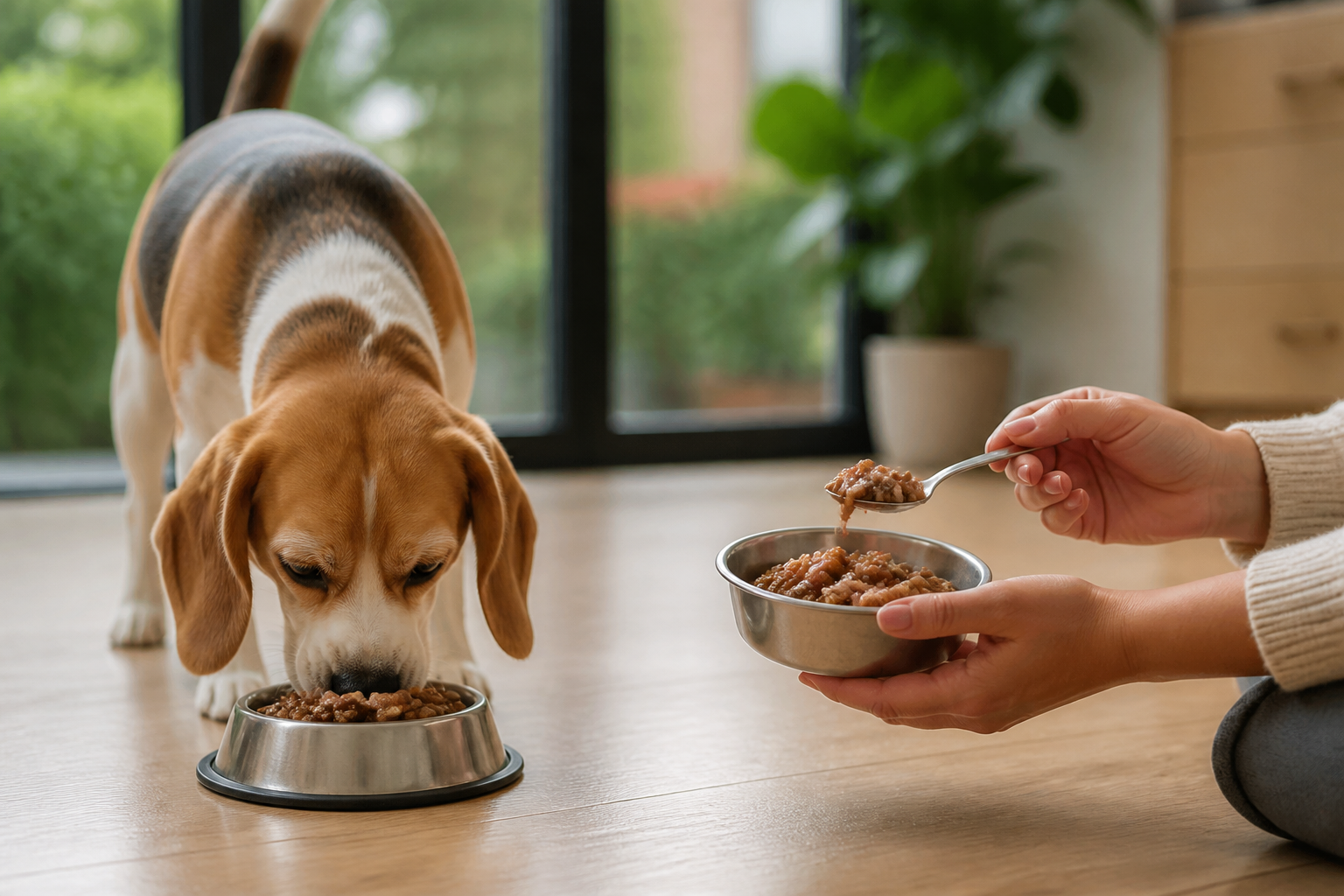
You are standing in the dog food aisle or scrolling through our selection at BaxterBoo, looking at a bag of crunchy kibble in one hand and a savory can of stew in the other. Your dog might be staring at the bowl with a lack of enthusiasm, or perhaps you just want to give them a little something extra for dinner. Many pet owners wonder if combining these two textures is a good idea or if it might upset a sensitive stomach.
This post covers the benefits of mixed feeding, how to calculate the right portions, and why certain health conditions make this a smart choice. We will also explain how to handle transitions safely to keep your dog's digestion on track. Mixing wet and dry food is a great way to provide variety while keeping an eye on your budget and your dog's health. Our dog food category is a helpful place to compare options.
Quick Answer: Yes, you can safely mix wet and dry dog food as long as both are complete and balanced. This combination improves hydration, increases meal appeal for picky eaters, and provides the dental benefits of crunchy kibble alongside the rich aroma of wet food.
The Practical Benefits of Mixed Feeding
Mixing wet and dry food offers a "best of both worlds" approach to nutrition. Dry kibble is popular for its convenience and the mechanical scraping action it provides for dental health. Wet food, on the other hand, is much higher in moisture and often features a stronger aroma that dogs find irresistible.
When you combine them, you create a meal that is more interesting for your dog. This variety can prevent mealtime boredom. It also allows you to use high-quality wet food as a "topper" to enhance a base of premium kibble. This is a cost-effective way to improve your dog's diet without switching to a 100 percent canned food routine. For another perspective on choosing between food types, read Should You Feed Your Dog Wet and Dry Food?.
Improved Hydration
Most dry dog foods contain only about 10 to 12 percent water. Wet dog food is typically 75 to 78 percent water by weight. For dogs that do not drink enough from their water bowl, adding wet food to their kibble is a simple way to increase their daily fluid intake.
Proper hydration is essential for kidney function and urinary tract health. It also helps the body flush out toxins and keeps the skin and coat looking healthy. If you have a dog prone to urinary crystals or stones, that extra moisture is especially important. You can also explore ways to add water to dry dog food for another mealtime option.
Palatability for Picky Eaters
If your dog turns their nose up at plain kibble, the rich smell of wet food can change their mind. The canning process seals in the natural scents of meat and fats. When you mix this with dry food, the gravy or juices coat the kibble, making the whole bowl smell like a fresh meal.
Weight Management Support
Wet food is less "calorie dense" than dry food because of its high water content. This means a dog can eat a larger volume of wet food while consuming fewer calories. For a dog that always seems hungry, mixing in wet food can help them feel full and satisfied without packing on extra pounds.
Key Takeaway: Mixing wet and dry food provides a balance of dental benefits, hydration, and flavor. It is a practical solution for pet owners who want to upgrade their dog's meal without the high cost of an all-canned diet.
Who Benefits Most from a Mixed Diet?
While almost any healthy dog can enjoy a mixed diet, certain dogs find it particularly helpful. We often talk to customers who are looking for ways to support their aging pets or those with specific physical needs.
Senior Dogs
Older dogs often experience a decline in their sense of smell and taste. They may also have dental issues or missing teeth that make chewing hard kibble painful. Adding wet food softens the dry pieces and provides a stronger aroma to stimulate their appetite. Our senior dogs often need that extra motivation to keep their calorie intake up.
Puppies
Growing puppies need a lot of energy and nutrients. Introducing different textures early in life can help prevent them from becoming picky adults. Mixing wet and dry food gives them a variety of sensory experiences while ensuring they get the dense calories they need for growth. Age-appropriate options are available in our puppy collection.
Dogs with Dental Concerns
If your dog has recently had a dental cleaning or has minor gum sensitivity, a mix can help. The wet food softens the kibble so it is easier to crunch. However, the remaining crunch still provides some mechanical cleaning for the teeth that a strictly soft diet would lack.
Vet Tip: If your dog has sudden dental pain, a lack of appetite, or difficulty swallowing, consult your veterinarian for a full dental exam. Once they are cleared for food, mixing textures can help them transition back to their regular diet.
The Math: Calculating Portions and Calories
One of the biggest mistakes pet owners make is simply adding a scoop of wet food on top of a full serving of dry food. This leads to accidental weight gain. You must reduce the amount of kibble to account for the calories in the wet food.
Every brand has a different calorie count. For example, a cup of Royal Canin dry food will have a different energy density than a cup of Farmina. You should check the "kcal/kg" or "kcal/can" on the labels of both products. How Much Wet Dog Food Equals 1 Cup of Dry? offers another look at portion calculations.
The 75/25 Rule
A common starting point is the 75/25 rule. This means 75 percent of the dog's daily calories come from dry food and 25 percent come from wet food. This keeps the meal mostly crunchy while adding plenty of flavor and moisture.
Step-by-Step Portion Adjustments
- Find the total daily calories your dog needs based on their weight and activity level.
- Determine how many calories are in one cup of your dry food.
- Determine how many calories are in one can of your wet food.
- If you want to replace 25 percent of the meal with wet food, subtract 25 percent of the dry food and replace it with the equivalent calorie amount of wet food.
Monitoring Body Condition
Watch your dog's waistline. You should be able to feel their ribs without a thick layer of fat but not see them protruding. If your dog starts gaining weight after you begin mixing, you may need to trim back the total portions.
Transitioning to a Mixed Diet
A sudden change in diet can lead to gas, bloating, or diarrhea. This is because the bacteria in your dog's gut need time to adapt to new ingredients and moisture levels. We always recommend a slow transition over at least one week. For a detailed timeline, see How to Switch From Dry to Wet Dog Food.
- Days 1-2: Use 90 percent of the original dry food and 10 percent of the new wet food mix.
- Days 3-4: Move to 75 percent dry and 25 percent of the new wet mix.
- Days 5-6: Adjust to your final desired ratio, such as 50/50 or 75/25.
- Day 7: Full transition is complete if your dog's stool remains firm.
If you notice any digestive upset, go back to the previous step for a few more days. Some dogs have more sensitive stomachs than others and may need two weeks to fully adjust.
Bottom line: Slow transitions are the best way to prevent stomach upset when introducing wet food to a kibble-only diet.
Managing Therapeutic and Prescription Diets
If your dog is on a therapeutic diet for a condition like kidney disease, urinary stones, or food allergies, you must be very careful. Mixing a prescription kibble with a standard "grocery store" wet food can ruin the effectiveness of the treatment.
Prescription diets are formulated with very specific levels of minerals like phosphorus, magnesium, and sodium. Adding a different brand of wet food can throw these levels out of balance. If your dog needs a special diet, you should only mix the dry version of that prescription with the wet version of the same prescription line.
Our dog pharmacy carries a wide range of prescription products through our partnership with Pet's Choice. Brands like Farmina Vet Life and Royal Canin offer both wet and dry versions of their therapeutic formulas. This allows you to give your dog the variety they want without compromising their medical care.
Vet Tip: Always talk to your vet before mixing anything into a prescription diet. They can help you find the matching canned version that supports your dog's specific health requirements.
Food Safety and Storage Tips
Mixing wet food with dry food changes how you handle mealtime. Dry kibble can sit out in a bowl for a long time without spoiling. Once you add wet food, the clock starts ticking.
The 30-Minute Rule
Mixed food should not sit out at room temperature for more than 30 minutes. The moisture in the wet food creates a perfect environment for bacteria to grow. If your dog does not finish their meal within this window, you should discard the leftovers.
Storing Opened Cans
Once a can of wet food is opened, it must be refrigerated. Use a dedicated silicone can lid or an airtight container to keep the food fresh and prevent it from smelling up your fridge. Most wet foods are safe to keep in the refrigerator for three to five days.
Temperature Matters
Most dogs prefer their wet food at room temperature or slightly warmed. If you are taking a can out of the fridge, you can let it sit on the counter for a few minutes or mix it with a tiny bit of warm water to take the chill off. Never microwave the food in the metal can.
- Use clean stainless steel or ceramic bowls.
- Wash the bowl thoroughly after every mixed meal.
- Check the "Best By" date on cans before opening.
- Seal dry food bags tightly to maintain crunch.
Choosing the Right Brands for Mixing
When selecting foods to mix, look for the AAFCO statement on the label. It should say the food is "complete and balanced" for your dog's specific life stage. We carry several brands at BaxterBoo that work exceptionally well for mixing. Our selection of Open Farm products includes dry recipes and wet stews that can work well for mixed feeding.
Stella and Chewy's
They offer excellent "toppers" and wet foods that are designed to be mixed with kibble. Their ingredients are often minimally processed, which appeals to pet owners who want a more "raw" or natural style of nutrition.
Open Farm
Known for their high-quality sourcing, Open Farm provides stews and gently cooked options that mix perfectly with their dry kibble lines. This is a great choice for owners who care about ingredient transparency and animal welfare.
NutriSource and PureVita
These brands focus on digestive health. If your dog has a slightly sensitive stomach, NutriSource often includes prebiotics and probiotics that help the transition from dry to mixed feeding. You can compare our PureVita selection when looking for another food option.
Zesty Paws and Supplements
If you are mixing food to help with a specific issue like joint health, you might also consider adding a supplement. While mixing wet food helps with hydration, adding a supplement like Cosequin can provide targeted support for senior dogs.
Common Myths About Mixing Food
There are several misconceptions about mixing wet and dry food that we hear from customers in our Vernon Hills store.
Myth 1: Mixing causes dental disease
Some people think that wet food sticks to the teeth and causes cavities. While wet food does not provide the scraping action of kibble, it does not actively cause decay if your dog has a regular dental care routine. Brushing your dog's teeth is the most important factor in dental health, regardless of what they eat.
Myth 2: You can't mix different brands
As long as both foods are high-quality and balanced, you can mix brands. However, for dogs with very sensitive stomachs or those on therapeutic diets, staying within the same brand or product line is usually safer.
Myth 3: Mixing is only for "spoiled" dogs
Mixing food is not just about "spoiling" a pet. It is a functional way to improve health. Increased hydration and better nutrient absorption in seniors are legitimate medical reasons to consider a mixed diet.
Cost Considerations and Value
While wet food is generally more expensive per calorie than dry food, mixing allows you to control the cost. You do not have to feed a 50/50 split to see the benefits. Even adding two tablespoons of wet food to a bowl of kibble can provide the aroma and moisture your dog needs.
To get the most value, consider our Autoship program. You can set your favorite kibble and canned cases to arrive on a regular schedule. This ensures you never run out and saves you money on every order. Our MVP Rewards program also helps you earn points on these regular purchases, which can be used for future treats or gear.
Next Steps for Your Dog's Mealtime
If you are ready to try mixing wet and dry food, start by looking at your dog's current health. Are they drinking enough water? Are they maintaining a healthy weight? Are they excited about their meals?
If your dog has a chronic condition like allergies or kidney issues, visit our pharmacy section first. Our partnership with Pet's Choice allows us to offer the prescription diets you need to keep your dog healthy. For healthy dogs, browse our selection of premium wet foods and toppers to find a flavor that will make your dog's tail wag.
Key Takeaway: Mixing wet and dry food is a versatile feeding strategy that supports hydration and appetite. By measuring calories carefully and transitioning slowly, you can provide a gourmet experience that fits your budget.
Summary Checklist for Mixing
- Confirm both foods are "Complete and Balanced" for the correct life stage.
- Calculate the calories to prevent overfeeding.
- Start with a 75 percent dry and 25 percent wet ratio.
- Transition over 7 to 10 days to avoid stomach upset.
- Refrigerate opened cans and discard leftovers after 30 minutes.
- Use a dedicated can lid to maintain freshness in the fridge.
Feeding your dog should be a moment of connection and health. Whether you are helping a senior dog enjoy their golden years or giving a puppy the best start, mixing textures is a simple, effective tool in your pet care toolkit. If you have questions about which brands work best together, we are always here to help you navigate our selection.
FAQ
Can mixing wet and dry food cause diarrhea?
Yes, any sudden change in a dog's diet can cause loose stools or diarrhea. To avoid this, you should introduce the wet food slowly over at least a week, starting with just a small spoonful. If your dog has a very sensitive stomach, consider a wet food formulated for digestive health, such as those from NutriSource or PureVita.
How much wet food equals one cup of dry food?
There is no universal conversion because every brand has a different calorie density. Generally, dry food is much more concentrated than wet food. You must look at the "kcal per cup" and "kcal per can" on the labels to ensure you are swapping the same amount of energy, rather than just the same volume of food.
Can I feed dry food in the morning and wet food at night?
Yes, this is a very common feeding schedule for many pet owners. It provides the dental benefits of kibble in the morning and the hydration benefits of wet food in the evening. Just ensure the total daily calories from both meals match your dog's specific needs to maintain a healthy weight.
Do I need to add water if I am already mixing in wet food?
You should always provide a bowl of fresh, clean water regardless of what your dog eats. While wet food significantly increases their moisture intake, it does not replace the need for drinking water. Proper hydration is a combination of moisture in the food and easy access to a water bowl at all times.






