
 Save 15% on your 1st Autoship learn more

 Email us
 Live Chat
 FAQs
FAQs





Introduction
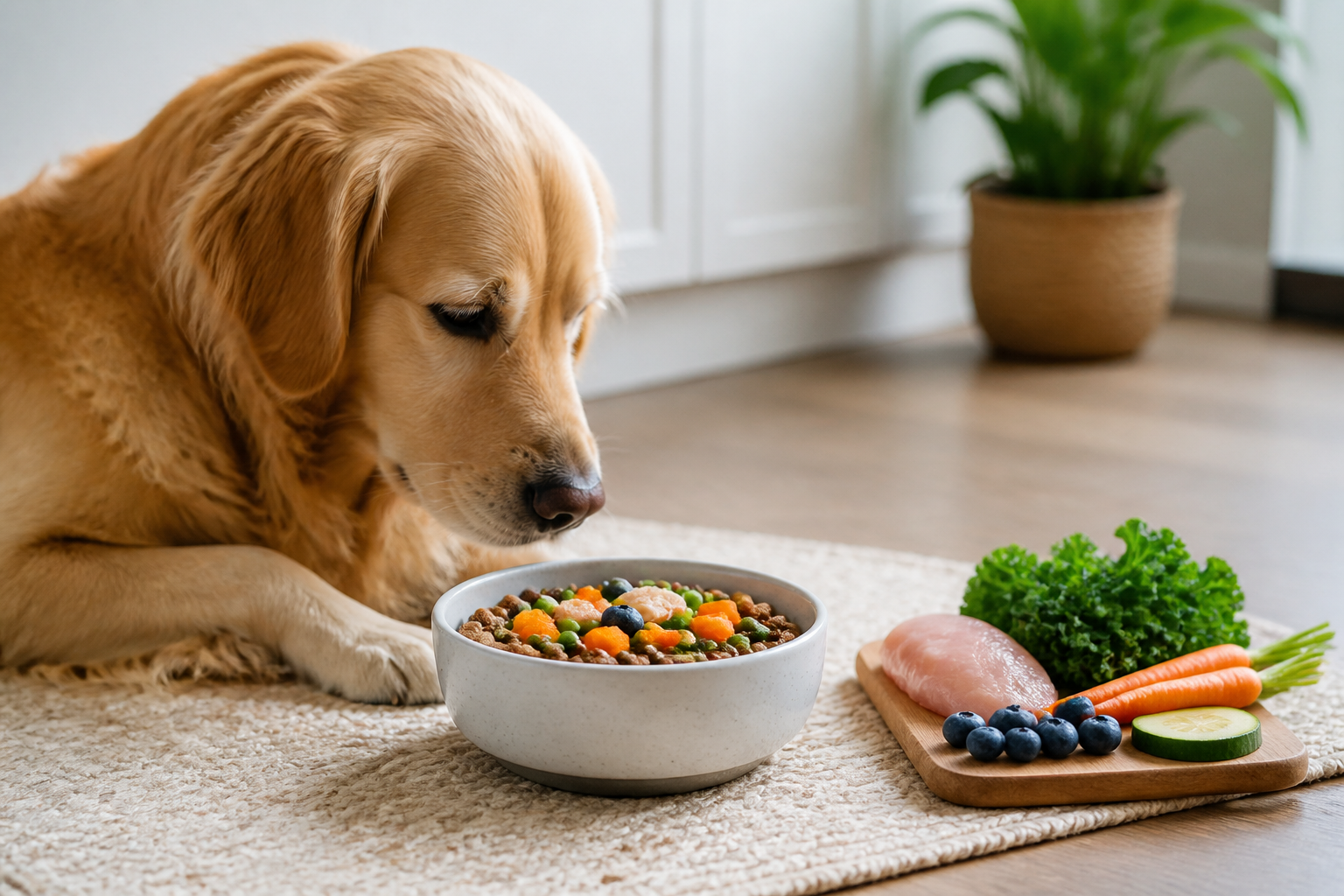
Your dog stands over the bowl and looks up at you. They glance back at the same brown kibble they have eaten every day for months. It is a common scene for many pet parents across the country. You want to provide the best nutrition possible while keeping mealtime exciting for your companion. Adding fresh or commercial toppers to dry food is a great way to improve flavor and boost health. At BaxterBoo, we see how much a small change can improve a dog's enthusiasm for their dinner. This post will cover the best additions for your dog's dry food and how to do it safely. Enhancing a bowl of kibble can provide essential moisture and fresh nutrients that heavy heat processing sometimes removes. You can also browse our dog food category for commercial meal options.
Quick Answer: You can add many healthy items to dry dog food. Fresh options include plain eggs, canned pumpkin, and steamed vegetables like green beans. Commercial options like bone broth and freeze-dried raw toppers are also excellent for boosting nutrition and flavor.
The Golden Rules of Topping Dry Food
Before you start raiding the refrigerator, you should understand the basic rules of dog nutrition. Commercial kibble is formulated to be complete and balanced. This means it has the exact ratio of vitamins and minerals your dog needs. When you add other foods, you risk unbalancing that ratio.
Most experts suggest that toppers and treats should not make up more than 10 to 25 percent of your dog's daily calories. If you stay within this range, you avoid providing too much of one nutrient or not enough of another. It also helps prevent weight gain. Every calorie you add from a topper should be subtracted from the amount of kibble you serve. For additional meal-planning ideas, read our guide to mixing dry and wet dog food.
Vet Tip: If your dog has a chronic health condition like kidney disease or pancreatitis, consult your veterinarian before adding new foods. Some toppers are high in protein or fat and could worsen certain medical issues.
Calculating the Calories
Check the bag of your dog's dry food for the calorie count. It is usually listed as kcal per cup. If you add half an egg, look up the calories for that egg. Then remove the equivalent amount of kibble. This keeps the total daily energy intake the same.
Introduce New Foods Slowly
Do not add five different toppers at once. Start with one item in a small amount. Watch your dog for any signs of an upset stomach or changes in their stool. If they tolerate the first addition well for a few days, you can try something else. This method helps you identify exactly which food is the culprit if your dog has an allergic reaction or digestive trouble.
Fresh Protein Boosters from Your Kitchen
Protein is the foundation of a dog's diet. While kibble contains protein, adding fresh animal-sourced items can provide highly digestible amino acids. These support muscle growth, immune function, and coat health.
The Power of Eggs
Eggs are often called a gold standard for protein. They are affordable and easy to prepare. You can serve them scrambled, hard-boiled, or even raw. Some owners worry about raw egg whites causing a biotin deficiency. However, the yolk contains plenty of biotin to balance it out. If you are nervous about bacteria, a light scramble without butter or salt is a perfect choice.
Lean Meats and Organs
Small amounts of cooked chicken, turkey, or lean beef are excellent toppers. Always ensure the meat is unseasoned. Avoid using meat that was cooked with onions or heavy garlic. You can also use organ meats like heart or gizzard. These are nutrient-dense and very appealing to picky eaters.
Sardines and Mackerel
Fish is a fantastic source of Omega-3 fatty acids. These fats help with skin health and can reduce inflammation in the joints. Look for canned sardines or mackerel packed in water. Avoid fish packed in oil or brine, as the extra fat and salt are not good for dogs. One or two small fish per week can make a big difference in your dog's coat shine.
Key Takeaway: Fresh proteins like eggs and water-packed sardines are the easiest way to upgrade a bowl of kibble. They provide high-quality amino acids and healthy fats that support overall wellness.
Adding Moisture and Hydration
Dry kibble typically only contains about 10 percent moisture. Dogs in the wild would get much more hydration from their food. Adding liquids to dry food can help with digestion and support kidney health. It also makes the food smell more appetizing. For ready-to-use options, explore our food topper and broth collection.
Bone Broth
Bone broth is a favorite for many dogs. It is rich in collagen, which supports joint health. You can make it at home by simmering bones with a bit of apple cider vinegar for 24 hours. If you buy it at the store, make sure it is specifically for pets. Human bone broth often contains onions and high levels of sodium.
Goat's Milk
Often called "universal milk," goat's milk is easier for dogs to digest than cow's milk. it is packed with probiotics that support gut health. You can find frozen or powdered goat's milk at specialty pet stores. It provides a creamy texture that many dogs find irresistible. Native Pet goat milk powder is one commercial option to compare.
Plain Water
If you are on a budget, even warm water can improve kibble. It softens the hard pieces, which is helpful for senior dogs with dental issues. The warm water also releases the fats and aromas in the food. This makes the meal smell stronger and encourages a picky dog to eat.
Steps for Rehydrating Kibble
- Measure your dog's standard portion of dry food.
- Add a small amount of warm water or broth. Use about a quarter cup of liquid for every cup of food.
- Let the food sit for five to ten minutes. The kibble will soak up the moisture and become soft.
- Stir and serve.
Fruits and Vegetables for Fiber and Antioxidants
Vegetables and fruits add variety and essential fiber to the diet. Fiber helps keep the digestive system moving. Antioxidants help protect cells from damage. However, dogs have a shorter digestive tract than humans. This means they cannot always break down the tough cell walls of raw plants.
Steamed or Pureed Veggies
To help your dog get the most nutrition, you should cook or blend vegetables. Steaming green beans, broccoli, or carrots makes them much easier to digest. You can also use a food processor to turn raw veggies into a mash. This breaks the cellulose walls.
- Green Beans: Low in calories and high in fiber.
- Carrots: Great for Vitamin A and eye health.
- Zucchini: A gentle source of hydration and minerals.
- Spinach: Rich in iron, but should be fed in small amounts.
The Benefits of Pumpkin
Plain canned pumpkin is a staple in many pet households. It is a miracle worker for both diarrhea and constipation. The high fiber content helps regulate the bowels. Ensure you buy 100 percent pure pumpkin and not pumpkin pie filling. Pie filling contains sugar and spices that can make your dog very sick.
Berries as Superfoods
Blueberries, raspberries, and strawberries are packed with vitamins. They are low in sugar compared to other fruits. You can toss a few fresh or frozen berries on top of the kibble. They provide a nice crunch and a burst of flavor.
Commercial Toppers and Mixers
If you do not have time for meal prep, there are many high-quality commercial options. These are designed to be convenient while still offering the benefits of fresh food. We carry a wide variety of these at BaxterBoo to help you customize your dog's diet. You can compare options such as Stella & Chewy's dog food toppers.
Freeze-Dried Raw Toppers
Brands like Stella & Chewy's and Open Farm offer freeze-dried raw morsels. These provide the nutritional benefits of a raw diet without the mess. You can crumble these over the kibble or rehydrate them with a little water. They are usually made from high-quality meats and organs. For more information, read our guide to freeze-dried dog food.
Dinner Dusts and Sprinkles
For the pickiest eaters, dinner dust is a great solution. This is a finely ground powder made from freeze-dried meat. It coats every piece of kibble in a flavor your dog loves. It is hard for a dog to "pick out" the topper and leave the kibble behind when it is in powder form.
Wet Food Mix-ins
You can always mix a spoonful of high-quality wet food into the dry. Brands like Farmina and The Honest Kitchen offer wet formulas that are very high in protein. This adds moisture and variety. Just remember to adjust the amount of dry food to keep the calories balanced.
Key Takeaway: Commercial toppers are a convenient way to add raw nutrition or extra moisture. Using a mix of dry food and high-quality wet toppers can provide a more varied nutrient profile.
Targeted Support and Health Needs
Sometimes you want to add something to the bowl to help with a specific issue. This is where supplements and functional toppers come into play.
Joint and Skin Support
If you have a senior dog, you might add a pump of salmon oil or a green-lipped mussel supplement. These provide fatty acids that support mobility. For dogs with dry skin, coconut oil can be a helpful addition. Start with a very small amount, as too much oil can cause loose stools.
Probiotics for Digestion
If your dog often has a sensitive stomach, adding a probiotic powder or a spoonful of plain Greek yogurt can help. Probiotics introduce good bacteria to the gut. This can improve nutrient absorption and help with gas.
Managing Chronic Conditions
If your dog is managing a serious health condition, simple toppers might not be enough. Our pharmacy offers a range of prescription pet foods through our partnership with Pet's Choice. We carry brands like Farmina Vet Life that are formulated for specific medical needs. Whether your dog needs help with weight management or kidney support, these diets are designed by experts to provide medical-grade nutrition.
Vet Tip: Prescription diets are considered a medical treatment. Never switch your dog to a prescription food without a specific recommendation and a valid prescription from your veterinarian.
Foods You Must Never Add
While many human foods are safe, some are extremely toxic to dogs. You must be careful when sharing items from your kitchen.
- Onions and Garlic: These can damage a dog's red blood cells.
- Grapes and Raisins: These can cause sudden kidney failure.
- Chocolate and Caffeine: These affect the heart and nervous system.
- Macadamia Nuts: These can cause weakness and tremors.
- Xylitol: This artificial sweetener is found in some peanut butters and yogurts. It is life-threatening for dogs.
Always read the label on any packaged food you plan to share. Look for hidden ingredients like salt, sugar, and artificial sweeteners.
Managing Your Dog's Weight While Adding Toppers
One of the biggest risks of adding toppers is obesity. It is very easy to accidentally overfeed when you are adding "just a little bit" of extra food.
The Measuring Cup Method
Do not guess the amounts. Use a standard measuring cup for the kibble and a tablespoon for the toppers. If you add two tablespoons of wet food, remove about an eighth of a cup of kibble. Keeping a consistent routine helps you monitor your dog's weight more accurately.
Watch the Body Condition
Feel your dog's ribs regularly. You should be able to feel the ribs without a thick layer of fat over them. You should also see a visible waist when looking down at them from above. If your dog starts losing their "tuck," it is time to cut back on the toppers or increase their exercise.
Why Variety Matters for Dogs
Eating the same thing every day can lead to a lack of interest in food. It can also mean your dog is only getting one specific profile of nutrients. Adding different toppers introduces new textures and smells. This mental stimulation is good for your dog's brain.
It also helps prevent your dog from becoming too "fixated" on one specific food. If you ever need to switch brands due to a recall or a change in availability, a dog used to variety will have a much easier time with the transition. For additional ideas, read our guide for picky eaters.
Bottom line: Adding variety through toppers keeps your dog engaged and can fill small nutritional gaps in a processed diet.
Conclusion
Improving your dog's dry food does not have to be complicated or expensive. Whether you choose a simple egg from the kitchen or a premium freeze-dried topper from our warehouse, your dog will appreciate the effort. Remember to keep the additions to under 25 percent of their total calories and always check for toxic ingredients. For those looking for the ultimate convenience, you can set up our Autoship programme for your favorite toppers and mixers. This ensures you never run out of the items your dog loves and earns you a free MVP Gold membership.
Key Takeaway: Start with simple additions like water or eggs to see how your dog reacts. Gradually experiment with different fruits, vegetables, and commercial mixers to find the perfect combination for your pup.
FAQ
Can I add water to my dog's dry food every day?
Yes, adding water is a healthy habit for most dogs. It increases hydration and can make the food more digestible. Just be sure to wash the bowl after every meal, as wet kibble can grow bacteria if left out too long.
Are raw eggs safe to add to kibble?
Most healthy dogs can handle raw eggs without any issues. They provide excellent protein and healthy fats. However, if your dog has a compromised immune system or is a puppy, you may want to cook the eggs first to eliminate the risk of salmonella.
How much pumpkin should I add for my dog's digestion?
A general rule is one teaspoon of plain canned pumpkin per 10 pounds of body weight. You can give this once or twice a day. It is very effective for firming up loose stools or helping with mild constipation.
Can I mix wet dog food and dry food together?
Mixing wet and dry food is a great way to add moisture and flavor. Many owners use a 75/25 split, where 75 percent of the calories come from kibble and 25 percent from wet food. Just be sure to calculate the calories to avoid overfeeding your pet.






