
 Save 15% on your 1st Autoship learn more

 Email us
 Live Chat
 FAQs
FAQs





Introduction
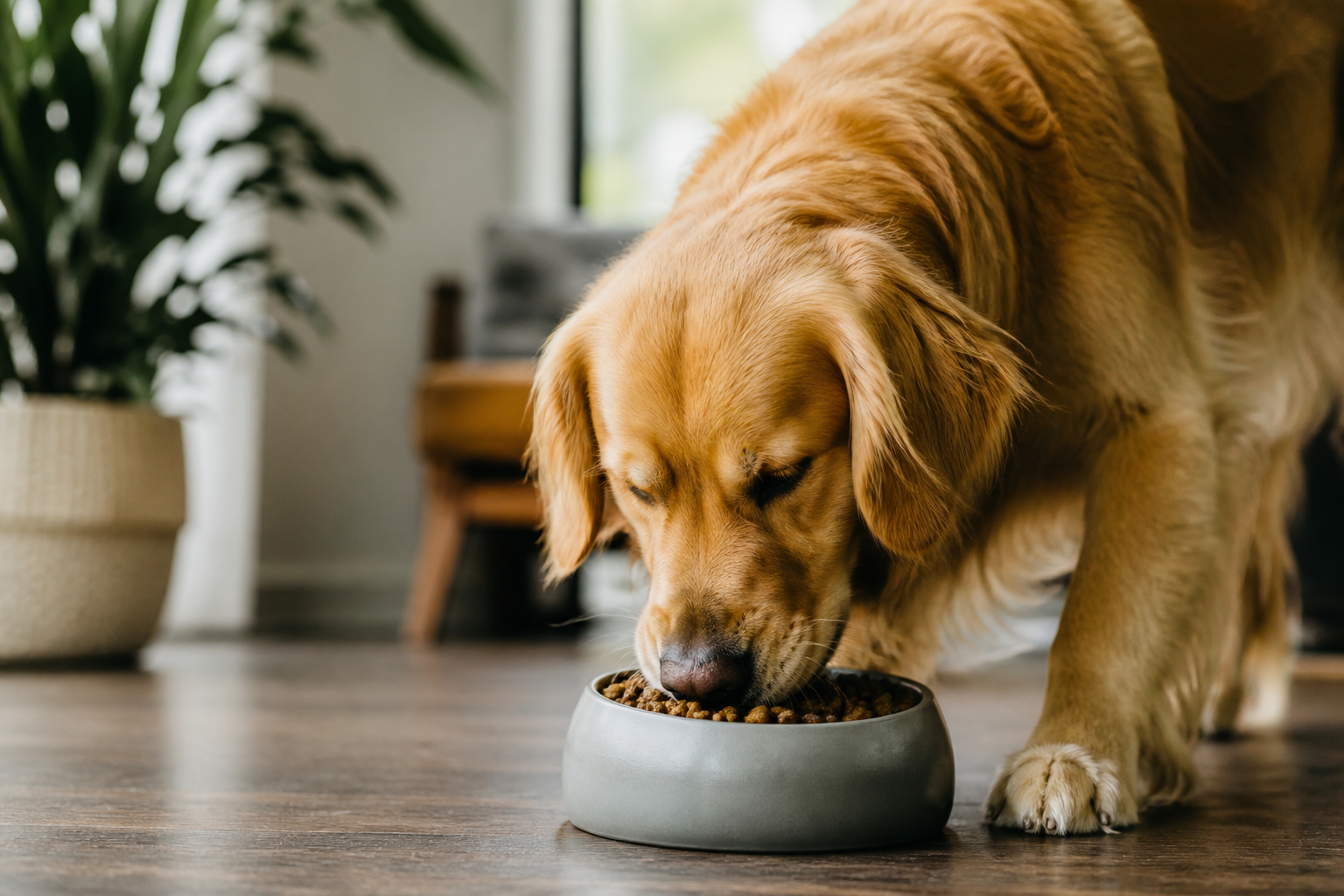
You pour the kibble, the bowl hits the floor, and your dog just looks at you. Maybe they give it a polite sniff before wandering away. We have all been there. Finding a dry food that combines high quality nutrition with a taste your dog actually gets excited about can feel like guesswork. At BaxterBoo, we spend our days talking to pet parents who are navigating these exact choices. This guide covers how palatability works, what ingredients drive a dog to finish their bowl, and which brands consistently win the taste test. We want to help you find a food that supports their health and makes mealtime the highlight of their day. Choosing the right kibble involves balancing nutritional standards with the specific preferences of your individual pet.
Understanding What Makes Food Palatable
A dog's sense of smell is their primary way of interacting with the world. While humans have about 6 million olfactory receptors, dogs have up to 300 million. This means that for a dog, the best dry food is usually the one that smells the most appealing. When you open a bag of kibble, that initial scent is what tells your dog whether they want to dive in or walk away.
Taste is the second factor. Dogs have fewer taste buds than humans, but they are particularly sensitive to the taste of meats and fats. They also have a specific set of taste buds located at the tip of the tongue that are designed for water. This helps them enjoy moist food, but it also explains why they might prefer a kibble that has a light coating of fat or oil.
Texture and "mouthfeel" also matter. Some dogs prefer a very small, crunchy kibble that is easy to chew. Others, especially larger breeds, may enjoy a larger nugget that requires more crunching. Many modern premium foods now include multiple textures, such as crunchy kibble mixed with soft pieces of freeze dried raw meat.
Quick Answer: Dogs typically prefer dry foods that have a high fat content and named animal proteins as the first several ingredients. Aromas from animal fats and organ meats like liver are the biggest drivers of palatability for most dogs.
The Role of Protein in Taste
When looking at what dry dog food dogs like best, protein is the foundation. Dogs are biologically designed to crave animal protein. However, not all protein is created equal in the eyes of a dog. Most dogs prefer "named" meats. This means the label specifically says "chicken," "beef," "lamb," or "salmon" rather than "meat meal" or "animal by-products."
Named meats tend to have a more distinct and natural aroma. High protein diets, such as those from Orijen or Acana, often use a variety of fresh or raw animal ingredients. These brands focus on "biologically appropriate" ratios. This means they include muscle meat, organs, and cartilage. To a dog, these ingredients provide a complex and rich flavor profile that mimics what their ancestors would have eaten in the wild. Explore our selection of Orijen products when comparing protein-focused recipes.
Why Organ Meats Matter
You might notice ingredients like chicken liver or beef heart on a premium food label. While these might not sound appealing to you, they are a delicacy for dogs. Organ meats are incredibly nutrient dense and have a very strong scent. Manufacturers often use liver as a natural flavor enhancer by coating the outside of the kibble in a liver "digest" or spray. This makes the food smell irresistible the moment the bag is opened.
The Importance of Fat Content
Fat is the most calorie dense nutrient, but it is also a primary flavor carrier. In the wild, fat was a vital source of energy. Dogs have retained a strong preference for foods with a higher fat content. This is why many "weight management" or "low fat" diets are harder to get dogs to eat.
Common fats found in highly palatable dry foods include:
- Chicken fat
- Salmon oil
- Beef tallow
- Pork fat
Salmon oil is a particularly popular addition. Not only does it provide essential omega-3 fatty acids for skin and coat health, but it also has a strong, fishy scent that many dogs find enticing. If you have a picky eater, looking for a food with a slightly higher fat percentage on the guaranteed analysis can often solve the problem.
Key Takeaway: The "Guaranteed Analysis" on the back of the bag is your best tool. For healthy adult dogs, a fat content between 15% and 18% is usually very palatable without being excessively greasy.
Texture and Kibble Size
The physical shape of the kibble can change how a dog experiences their meal. Small breeds like Chihuahuas or Yorkies often struggle with large, hard nuggets. This can make them seem like picky eaters when they are actually just physically uncomfortable. Small breed formulas typically feature a smaller, "kibble-sized" bite that is easier to break down.
Conversely, some large dogs are "gulpers." If the kibble is too small, they might swallow it whole without tasting it, which can lead to digestive upset or bloat. Larger kibble encourages chewing, which releases more of the flavor and helps clean teeth.
Some brands, like Stella and Chewy's, offer "kibble plus" options. These bags contain standard dry kibble mixed with chunks of freeze dried raw meat. This provides a variety of textures in one bowl. The freeze dried bits are usually the first thing a dog picks out because they are soft and extremely flavorful. For more options, browse our freeze-dried food collection.
Top Brands Known for Palatability
Through our experience at BaxterBoo, we have seen certain brands consistently perform well with dogs that are hard to please. These brands often invest more in the quality of their raw ingredients, which results in a better tasting final product.
Farmina Vet Life and N&D
Farmina is an Italian brand that uses high quality ingredients like wild boar, lamb, and cod. They use a "Twin-Screw" extrusion process that allows for better fat integration. This means the fat is cooked into the kibble rather than just sprayed on the outside. This helps the food stay fresh longer and keeps the flavor consistent throughout the bag.
Orijen and Acana
These brands are famous for their high inclusion of fresh and raw animal ingredients. Orijen often features up to 85% animal ingredients. Because they use so much fresh meat, the aroma is very strong and natural. They do not rely on artificial flavorings to make the food taste good.
Open Farm
Open Farm is popular for owners who want transparency. They use humanely raised meats and wild caught fish. Their recipes often include functional ingredients like coconut oil and turmeric. The clean, high quality fats in their recipes make them a favorite for many dogs. Compare recipes in our selection of Open Farm products.
Stella and Chewy’s
If your dog likes the taste of raw food but you prefer the convenience of dry, Stella and Chewy’s is a great middle ground. Their "Raw Coated" kibble is baked and then tumbled in a freeze dried raw coating. This gives the dog that "raw" flavor hit the moment the food touches their tongue.
When Pickiness Is a Health Concern
Sometimes, a dog's refusal to eat dry food has nothing to do with the brand. If a dog who usually eats well suddenly becomes picky, it is time to look at their health. Dental issues are a common culprit. If a dog has a cracked tooth or inflamed gums, crunching down on hard kibble can be painful.
In other cases, underlying issues like kidney disease, liver problems, or digestive sensitivities can cause nausea. A nauseous dog will associate their food with feeling sick and may refuse to eat it. If your dog shows other symptoms like vomiting, lethargy, or a change in drinking habits, you should consult your veterinarian.
Our pharmacy carries a variety of FDA approved medications and prescription diets through our partnership with Pet's Choice. If your vet determines that your dog needs a specific therapeutic diet for a condition like food allergies or urinary health, we can help you fulfill those needs easily. Many prescription diets from brands like Royal Canin or Hill’s Science Diet are specially formulated to be highly palatable because the manufacturers know that sick dogs often have a decreased appetite. You can also explore our dog pharmacy for available options.
Vet Tip: Always rule out medical issues before assuming your dog is just being difficult. A quick check of the teeth and gums can tell you a lot. If your dog is over seven years old, senior bloodwork can help ensure their pickiness isn't a sign of an internal health change.
How to Read a Label for Taste
To find what dry dog food dogs like best, you have to look past the photos of roasted vegetables on the front. Flip the bag over and look at the first five ingredients. For a broader comparison, start with our dog food category.
Follow this checklist when evaluating a new food:
- Does it list a specific animal (e.g., Turkey) as the first ingredient?
- Are there named fats listed (e.g., Chicken Fat) in the first five to seven ingredients?
- Is the protein percentage appropriate for your dog’s activity level?
- Does it avoid generic terms like "animal fat" or "poultry meal"?
- Is the "Best By" date at least six months away to ensure freshness?
Freshness is a major factor in palatability. Once a bag of dog food is opened, the fats begin to oxidize and go rancid. This changes the smell and taste. To keep food tasting its best, store it in the original bag and place that bag inside an airtight container. This provides a double barrier against oxygen and pests. For additional storage guidance, read how long dry dog food stays fresh once opened.
Transitioning to a More Palatable Food
If you have decided to switch to a tastier kibble, do not do it all at once. Even if the new food is higher quality, a sudden change can cause an upset stomach. This often leads to diarrhea or gas, which might make your dog wary of the new food.
Step 1: Mix 25% of the new food with 75% of the old food for two days.
Step 2: Increase to a 50/50 mix for the next two days.
Step 3: Move to 75% new food and 25% old food for two more days.
Step 4: Offer 100% of the new food.
During this time, watch your dog’s stools and energy levels. If you notice any issues, slow the transition down. Some dogs with sensitive stomachs may need ten days to two weeks to fully adjust. For another approach to combining textures, read can you mix dry dog food with wet.
The Role of Grains in Palatability
There is a common debate about grain-free versus grain-inclusive diets. From a taste perspective, many dogs enjoy the flavor of whole grains like barley, oatmeal, or brown rice. These ingredients provide a different texture and a slightly sweet, nutty aroma when cooked.
Some dogs do better on grain-free diets, especially if they have specific sensitivities. However, for most dogs, a high quality grain-inclusive food can be just as tasty. Brands like NutriSource or Farmina Ancestral Grain use ancient grains that are often more digestible and flavorful than cheap fillers like corn or wheat. Additional guidance is available in our dry dog food nutrition guide.
Key Takeaway: "Grain-free" does not automatically mean "better tasting." The quality of the meat and fat sources is always the most important factor for palatability.
Special Considerations for Life Stages
Puppies
Puppies have very high energy needs and a developing sense of taste. They usually prefer foods with a higher fat and protein content because their bodies are craving those nutrients for growth. Small, easy to chew kibble is a must for young puppies.
Seniors
As dogs age, their sense of smell and taste can dim. This is why many senior dogs suddenly seem pickier. They may need a food with a much stronger aroma. You can often help a senior dog enjoy their dry food more by adding a little warm water or a tasty topper. This releases the scent of the fats and softens the kibble for aging teeth.
Working Dogs and Athletes
Dogs that are very active need a "performance" diet. These foods are usually the most palatable because they are very high in fat. Brands like Royal Canin or Purina Pro Plan offer performance lines that are designed to be extremely enticing to keep a working dog’s calorie intake high.
Summary of Feeding for Flavor
Finding the right dry food is a journey of observation. Pay attention to how your dog reacts when you open the bag. Do they come running? Do they wag their tail? If you have to coax them to the bowl or add several toppers just to get them to eat, the kibble itself likely isn't meeting their preferences.
At BaxterBoo, we curate our selection to include brands that prioritize both health and flavor. We know that the "best" food is only the best if your dog actually eats it. Whether you are looking for a high protein Orijen recipe or a specialized Farmina Vet Life formula, the goal is a happy dog and a clean bowl.
Bottom line: Focus on high quality animal fats and named meat proteins to find a dry food your dog will truly love.
FAQ
Why does my dog only eat dry food if I add a topper?
This often happens if the base kibble has a low fat content or uses lower quality ingredients that lack a strong aroma. Your dog has learned that if they wait, you will provide something tastier like wet food or broth. You can often phase out toppers by switching to a more palatable, high protein dry food that uses fresh meat and organ meats.
Is expensive dog food always more palatable?
Not necessarily, but there is often a correlation. Premium brands usually use higher percentages of fresh meat and natural fats rather than plant-based proteins and artificial flavors. These natural ingredients produce a stronger, more enticing scent that dogs prefer. However, some mid-priced brands also focus heavily on palatability by using flavor coatings.
Can I mix two different dry foods to make them more tasty?
Yes, you can mix two high quality dry foods if they both meet your dog’s nutritional needs. This can provide a variety of flavors and textures that keep a dog interested. Just be sure to calculate the total calories so you aren't overfeeding your pet. It is also wise to ensure both foods are formulated for your dog's specific life stage.
Does the shape of the kibble really matter to my dog?
For some dogs, yes. The shape affects how the kibble breaks apart in the mouth and how the flavor is released. Small dogs often prefer flat or small round shapes that are easy to crack. Brachycephalic breeds (like Pugs or Bulldogs) sometimes find specific shapes, like a clover or a star, easier to pick up with their tongues.






