
 Save 15% on your 1st Autoship learn more

 Email us
 Live Chat
 FAQs
FAQs





Introduction
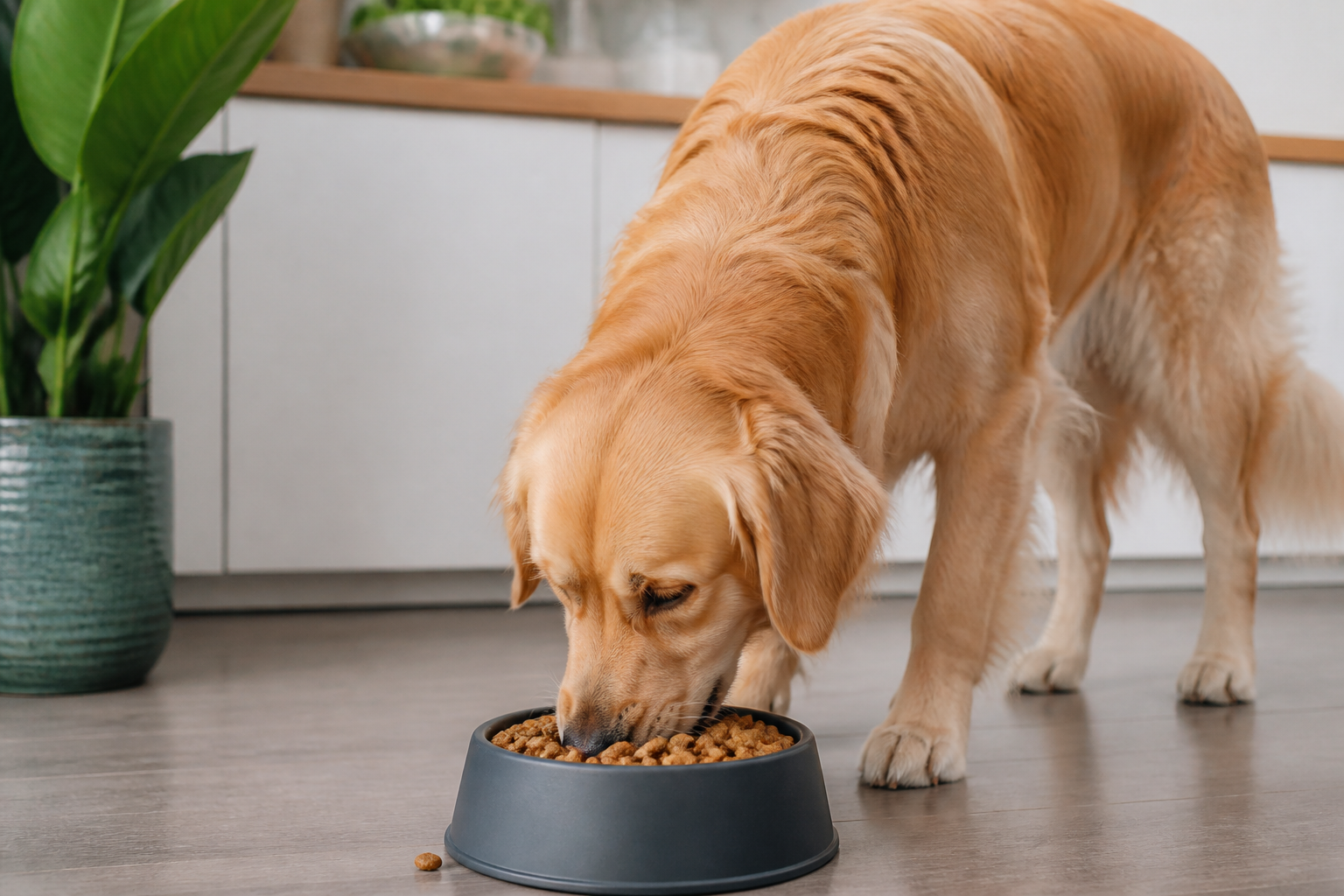
Walking down the pet food aisle can feel like a test you did not study for. You see walls of colorful bags promising everything from shiny coats to limitless energy. Every brand claims to be the best. At BaxterBoo, we see this confusion every day from pet parents visiting our Vernon Hills warehouse or browsing our online shop. Finding the right dry food is about matching a recipe to your dog's unique age, activity level, and health history. This article explores how to identify high-quality ingredients, which brands offer the most reliable nutrition, and how to choose a kibble that supports your dog's long-term wellness. Understanding what goes into the bowl is the first step toward a healthier life for your pet.
Quick Answer: Good dry dog food features a named animal protein as the first ingredient, like chicken or lamb. It should be "complete and balanced" according to AAFCO standards and suited to your dog's specific life stage.
The Basics of Quality Dry Dog Food
Dry dog food is a popular choice for many reasons. It is convenient, cost-effective, and easy to store. However, not all kibble is created equal. The manufacturing process involves grinding ingredients into a dough, cooking them, and then extruding them through molds to create the shapes we recognize. This process can vary significantly between budget brands and premium options.
A high-quality dry food starts with whole food sources. You want to see specific meats listed at the top of the ingredient panel. Avoid vague terms like "meat meal" or "animal fat." Instead, look for "deboned chicken," "lamb meal," or "wild-caught salmon." These specific names tell you exactly what your dog is eating.
The secondary ingredients are just as important. Quality carbohydrates like sweet potatoes, oats, or brown rice provide energy and fiber. Some modern recipes use "ancient grains" like spelt or quinoa. These are often easier for dogs to digest than corn or wheat. We carry brands like Farmina that focus on these low-glycemic grains to help maintain steady energy levels.
Key Takeaway: The first three to five ingredients on the label represent the majority of the food's volume. Ensure these are recognizable whole foods rather than fillers or by-products.
Why Choose Dry Food Over Wet Food
Many owners wonder if they should feed dry or wet food. While both can provide excellent nutrition, dry food offers distinct advantages for the average household.
One primary benefit is dental health. The crunchy texture of kibble creates mechanical friction against the teeth as a dog chews. This action helps scrape away soft plaque before it can harden into tartar. While kibble is not a replacement for regular brushing, it is a helpful tool in a daily dental routine.
Convenience is another major factor. Dry food can sit in a bowl for several hours without spoiling. This is ideal for "grazers" who prefer to eat small amounts throughout the day. It is also much easier to use in puzzle toys or slow feeders. Using kibble for enrichment activities keeps your dog's mind sharp and slows down fast eaters.
For another perspective on the differences between these options, read our guide to choosing between dry and wet dog food.
Comparing Dry and Wet Options
| Feature | Dry Dog Food (Kibble) | Wet Dog Food (Canned) |
|---|---|---|
| Shelf Life | Long (after opening) | Short (must refrigerate) |
| Dental Benefit | Helps reduce plaque | No mechanical cleaning |
| Cost | Generally more affordable | Higher cost per calorie |
| Hydration | Low moisture content | High moisture content |
| Palatability | Moderate | Usually very high |
Identifying the Best Ingredients
When you look at a bag of food, the ingredient list is your most honest resource. US regulations require ingredients to be listed by weight before cooking. Since meat contains a lot of water, it often appears first.
The Importance of Named Proteins
Look for specific animal sources. If a label says "poultry meal," it could be anything from chickens to turkeys to geese. A brand like Acana or Orijen will specify "fresh chicken" or "dehydrated turkey." This transparency is a hallmark of a good dry food. High-quality animal proteins provide the essential amino acids your dog needs for muscle repair and immune function.
Fats and Oils
Healthy fats are necessary for skin and coat health. Look for named sources like chicken fat or salmon oil. Salmon oil is particularly rich in Omega-3 fatty acids. These fats support brain development in puppies and can help reduce inflammation in older dogs. If you see "vegetable oil" or "animal fat," the quality is likely lower.
Fruits and Vegetables
Good dry food often includes colorful produce like blueberries, spinach, carrots, and apples. These provide natural vitamins, minerals, and antioxidants. Antioxidants help fight oxidative stress and support the immune system. Some brands also add "superfoods" like turmeric or chia seeds to provide extra wellness benefits.
Bottom line: A quality dry food uses specific, named ingredients and avoids artificial colors, flavors, or chemical preservatives like BHA and BHT.
Choosing Food Based on Life Stage
A Great Dane puppy has very different nutritional needs than an elderly Chihuahua. Feeding a food that does not match your dog's life stage can lead to growth issues or weight gain.
Puppy Nutrition
Puppies grow at an incredible rate. They need more protein and fat than adult dogs to support building bone and muscle. They also require specific levels of calcium and phosphorus. Large breed puppies need a very specific ratio of these minerals to ensure their bones do not grow too fast, which can cause joint problems later in life. Look for bags specifically labeled for puppies or "all life stages."
Adult Maintenance
Once a dog reaches maturity, their caloric needs stabilize. The goal of adult food is maintenance. You want a balance that keeps them at a healthy weight while providing enough energy for their daily walks and play. Most dogs thrive on a standard adult maintenance formula unless they have specific health concerns.
Senior Support
As dogs age, their metabolism slows down. Senior dogs often benefit from food that is lower in calories but higher in fiber to aid digestion. Many senior recipes also include supplements like glucosamine and chondroitin. These ingredients support joint health and mobility. We carry several senior-specific formulas from brands like NutriSource and Open Farm that focus on these aging needs.
You can compare options for different ages in our dog food category.
Vet Tip: Always transition your dog to a new life-stage food slowly over seven to ten days. Rapid changes can cause stomach upset or diarrhea, regardless of the quality of the food.
Addressing Specific Health Needs
Sometimes, standard kibble is not enough. Many dogs deal with allergies, sensitive stomachs, or weight issues. In these cases, the "best" food is one that addresses their specific condition.
Sensitive Stomachs and Food Allergies
If your dog has itchy skin, chronic ear infections, or frequent gas, they might have a food sensitivity. Common triggers include beef, dairy, or wheat. Limited ingredient diets are excellent for these dogs. These recipes use a single protein source and a single carbohydrate source. This makes it much easier to identify and avoid the ingredient causing the reaction. Brands like Zignature or Natural Balance specialize in these formulas.
Weight Management
Obesity is a common health problem for dogs in the US. Extra weight puts stress on the heart and joints. Weight management dry foods are designed to be "bulky" but lower in calories. They often use increased fiber to help your dog feel full while eating less.
Prescription Diets and the Pharmacy
Some conditions require more than just over-the-counter kibble. If your dog has kidney disease, urinary crystals, or severe inflammatory bowel disease, your vet may recommend a prescription diet. These are formulated with specific clinical goals in mind.
Our pet pharmacy carries FDA-approved prescription pet foods through our partnership with Pet's Choice. If your veterinarian provides a script for brands like Royal Canin Vet Life or Farmina Vet Life, we can help you fulfill those needs. These foods are considered a part of your dog's medical treatment plan.
Key Takeaway: If your dog is showing signs of a health struggle like hair loss or persistent vomiting, consult your veterinarian. They can help determine if a prescription diet or a specific supplement is necessary.
Trusted Brands in the Industry
We take pride in curating the brands we carry. We do not just stock what is popular. We stock what we would feed our own pets. Here are a few standout names in the dry food world.
Farmina
This brand is known for its scientific approach to nutrition. They offer grain-free options as well as "ancestral grain" recipes. Their foods are often coated with vitamins after the cooking process. This ensures the nutrients are not destroyed by heat.
Stella & Chewy's
While famous for raw food, their "Raw Coated Kibble" is a fantastic dry option. It starts with high-quality baked kibble and is tumbled in freeze-dried raw meal. This provides the convenience of dry food with the high palatability and nutritional punch of raw.
Royal Canin
Royal Canin is a leader in breed-specific nutrition. They study the jaw shape and nutritional requirements of different breeds. Whether you have a Pug with a flat face or a German Shepherd with a sensitive digestive tract, they likely have a kibble shape and recipe designed specifically for them.
Open Farm
If transparency is your priority, Open Farm is a top choice. Every bag comes with a code that allows you to trace the origin of every ingredient. They use humanely raised meats and non-GMO vegetables. It is a great choice for eco-conscious pet parents.
How to Read a Guaranteed Analysis
Every bag of dry food has a box called the Guaranteed Analysis. This tells you the minimum percentages of protein and fat, and the maximum percentages of fiber and moisture.
- Protein: For a healthy adult dog, look for at least 20 to 25 percent.
- Fat: Most adult foods range from 10 to 15 percent. Active dogs may need more.
- Fiber: Usually around 3 to 5 percent. Higher fiber is good for digestion or weight loss.
- Moisture: Dry food is typically around 10 percent moisture.
Remember that these numbers are based on the weight of the food including the water. If you are comparing dry food to wet food, you have to do a little math to get the "dry matter basis" because wet food is mostly water.
Transitioning to a New Dry Food
Once you find a good dry food, do not switch it all at once. A sudden change can shock your dog's digestive system. Use a gradual approach over about a week.
Step 1: Mix 25% of the new food with 75% of the old food. / Feed this for two to three days while watching for any changes in stool or energy.
Step 2: Move to a 50/50 split. / Continue for another two days if your dog seems to be doing well.
Step 3: Increase to 75% new food and 25% old food. / This is usually the stage where you will notice if the new food agrees with their skin or coat.
Step 4: Transition to 100% of the new food. / Your dog's digestive tract should now be fully adjusted to the new ingredients.
For additional guidance, see our article on switching from dry to wet dog food.
Storing Your Dry Dog Food
Even the best kibble can go bad if stored incorrectly. The fats and oils in dry food can turn rancid when exposed to air and heat.
Keep the food in its original bag. These bags are designed to keep moisture and air out. You can place the entire bag inside a plastic or metal airtight bin. Do not pour the food directly into a plastic bin. The plastic can leach odors into the food, and old fats can settle in the corners of the bin and spoil the new food you pour on top.
Store the food in a cool, dry place. A pantry is much better than a garage or a laundry room where temperatures and humidity levels fluctuate. Most dry food is best if used within six weeks of opening.
For more freshness guidance, read how long dry dog food stays fresh once opened.
Enhancing the Dry Food Experience
If your dog is a picky eater or you just want to add some variety, you can "dress up" their kibble. This keeps the convenience of dry food while adding extra nutrients.
- Warm Water or Broth: Adding a splash of warm water or low-sodium bone broth brings out the aroma of the kibble. It also adds a little extra hydration.
- Freeze-Dried Toppers: Many brands make "meal mixers" or "toppers." These are small pieces of freeze-dried meat that you sprinkle on top.
- Fresh Veggies: A few green beans or a spoonful of plain canned pumpkin (not pie filling) can add fiber and vitamins.
Vet Tip: If you add toppers or treats to your dog's dry food, remember to reduce the amount of kibble slightly. Those extra calories can add up quickly and lead to weight gain.
Conclusion
Finding a good dry food for your dog does not have to be a mystery. By focusing on named proteins, avoiding artificial fillers, and matching the recipe to your dog's life stage, you can provide a foundation for a long and healthy life. Whether you are looking for a high-protein formula like Orijen or a breed-specific recipe from Royal Canin, the quality of the ingredients should always be your guide. We are here to help you navigate these choices at BaxterBoo with our curated selection of over 500 brands.
- Look for named meat sources like chicken or salmon as the first ingredient.
- Choose a formula specifically for your dog's age (Puppy, Adult, or Senior).
- Consider your dog's unique health needs, such as skin sensitivities or weight management.
- Store food in its original bag inside an airtight container for maximum freshness.
Bottom line: The best dry food is the one that your dog enjoys, fits your budget, and results in a healthy coat, steady energy, and firm stools.
If you are ready to stock up on quality kibble, consider signing up for our Autoship program. You will save on your first order and receive a free MVP Gold membership. This makes it easy to keep your dog's favorite food on hand without ever running out.
FAQ
Can dogs live only on dry food?
Yes, dogs can live healthy and full lives eating only dry food. High-quality dry foods are formulated to be complete and balanced, meaning they contain every vitamin, mineral, and nutrient a dog needs. As long as your dog has constant access to fresh water, a kibble-only diet is a safe and convenient option for most pets.
How do I know if my dog's dry food has gone bad?
The most obvious sign of spoiled dry food is a sour or "paint-like" smell, which indicates that the fats have gone rancid. You might also notice your dog suddenly refusing to eat or showing signs of an upset stomach. Always check the "best by" date on the bag and keep it in a cool, dry place to prevent mold or spoilage.
Is grain-free dry food better for dogs?
Grain-free is not necessarily "better" for all dogs, but it is a great option for those with specific grain sensitivities or allergies. Many dogs do perfectly well on grain-inclusive diets that use high-quality carbohydrates like oats or barley. It is best to consult with your veterinarian to decide if your dog truly needs a grain-free diet or if they would benefit from ancient grains.
How much dry food should I feed my dog?
The amount of food depends on your dog's weight, age, and activity level. Every bag of food includes a feeding chart, but these are general guidelines and may need adjustment. If your dog is highly active, they may need more than the suggested amount, while a "couch potato" may need less to maintain a healthy weight.






