
 Save 15% on your 1st Autoship learn more

 Email us
 Live Chat
 FAQs
FAQs





Introduction
You are standing in the pet food aisle or scrolling through dozens of online pages. Every bag of kibble claims to be the best. The bright packaging promises vitality, a shiny coat, and peak performance. But when you flip the bag over to read the fine print, the list of words looks more like a chemistry experiment than a meal. At BaxterBoo, we know that choosing the right food is one of the most important decisions you make for your dog. It affects everything from their energy levels to the quality of their stool and the longevity of their life. This guide will help you cut through the marketing noise to identify the high-quality nutrients your dog actually needs. Understanding what ingredients to look for in dry dog food ensures you are providing a foundation for long-term health.
The Power of Protein
Protein is the most critical component of your dog's diet. It provides the essential amino acids necessary for building muscle, repairing tissue, and supporting a healthy immune system. When you look at a label, the first ingredient should always be a clearly named animal protein. If you are comparing options, start with our dry dog food category.
Named sources like chicken, beef, lamb, or salmon are preferable to vague terms. If you see "meat meal" or "poultry meal," it is a red flag. These generic terms allow manufacturers to include low-quality tissues from various animals. At BaxterBoo, we curate brands like our selection of Orijen products, our selection of ACANA products, and our selection of Stella & Chewy's products because they prioritize specific, high-quality animal proteins.
Understanding Meat Meals
There is a common misconception that all "meals" are bad. In reality, a named meal like "chicken meal" can be a fantastic protein source. Because dry kibble is made through a cooking process called extrusion, whole meats often lose their volume once the water is removed. A named meat meal is a concentrated protein source where the water and fat have already been removed.
What to Avoid in Protein
Avoid any ingredient that includes the word "by-product" if you want the highest quality. While by-products like organ meats can be nutritious, the term is often used to mask lower-quality parts of the animal.
Quick Answer: Look for named animal proteins like chicken or lamb as the first ingredient. Aim for a crude protein level above 30 percent for active adult dogs to ensure they are getting enough amino acids.
Carbohydrates and Digestible Energy
Dogs are not obligate carnivores like cats, meaning they can and do utilize carbohydrates for energy. Carbs provide the glucose that fuels your dog's brain and muscles. However, the source of those carbohydrates matters immensely for blood sugar stability and digestive health.
Whole Grains versus Ancient Grains
Many owners worry about grains, but whole grains like brown rice, oatmeal, and barley provide excellent fiber and B vitamins. Ancient grains like quinoa, millet, and amaranth are also becoming popular in premium foods for their high nutrient density. These options are far superior to refined grains, which can cause spikes in blood sugar. If you want a related read, see How Long Does Dry Dog Food Stay Fresh Once Opened?.
Grain-Free Alternatives
If your dog has a confirmed grain sensitivity, grain-free foods often use legumes like chickpeas, lentils, or peas. These are also great sources of fiber and protein. However, if you are choosing a grain-free diet, make sure the recipe is balanced with adequate taurine to support heart health.
Key Takeaway: Carbohydrates should provide sustained energy through whole food sources. Avoid refined flours or "cereal by-products" which offer little more than empty calories.
Healthy Fats and Essential Fatty Acids
Fat is a concentrated source of energy that helps your dog absorb vitamins A, D, E, and K. It also plays a vital role in keeping their skin hydrated and their coat glossy. Just like protein, the fat source should be named.
Chicken fat or salmon oil are excellent additions. Salmon oil, in particular, is rich in Omega-3 fatty acids like EPA and DHA. These are known to support brain development in puppies and reduce inflammation in senior dogs with stiff joints. Brands like our selection of Zesty Paws products and our selection of Honest Paws products often emphasize these essential fats in their formulations.
The Problem with Generic Fat
If a label lists "animal fat" or "vegetable oil," it is best to move on. These generic terms do not tell you which animal or plant the fat came from. This can be dangerous for dogs with specific allergies. Furthermore, generic fats are more likely to be lower quality or highly processed.
Next Steps for Skin and Coat
- Check for Omega-3 and Omega-6 levels on the guaranteed analysis.
- Look for flaxseed or fish oil in the top ten ingredients.
- Ensure the fat source is named (e.g., "Beef Fat" instead of "Animal Fat").
The Role of Fiber and Prebiotics
A dog's digestive system relies on fiber to keep things moving. It helps regulate stool consistency and can even assist in weight management by helping your dog feel full. Look for ingredients like beet pulp, chicory root, and pumpkin.
Chicory root is a source of inulin, which acts as a prebiotic. Prebiotics are essentially food for the "good" bacteria in your dog's gut. When combined with probiotics, which are the live beneficial bacteria themselves, they create a robust microbiome. A healthy gut translates to a stronger immune system since a large portion of the immune system resides in the digestive tract. For a helpful comparison, our freeze-dried food collection is another place to look for nutrient-dense options.
Vet Tip: If your dog has persistent digestive issues like gas or loose stools, consult your veterinarian. They may recommend a prescription diet or a specific probiotic supplement to balance the gut microbiome.
Fruits, Vegetables, and Superfoods
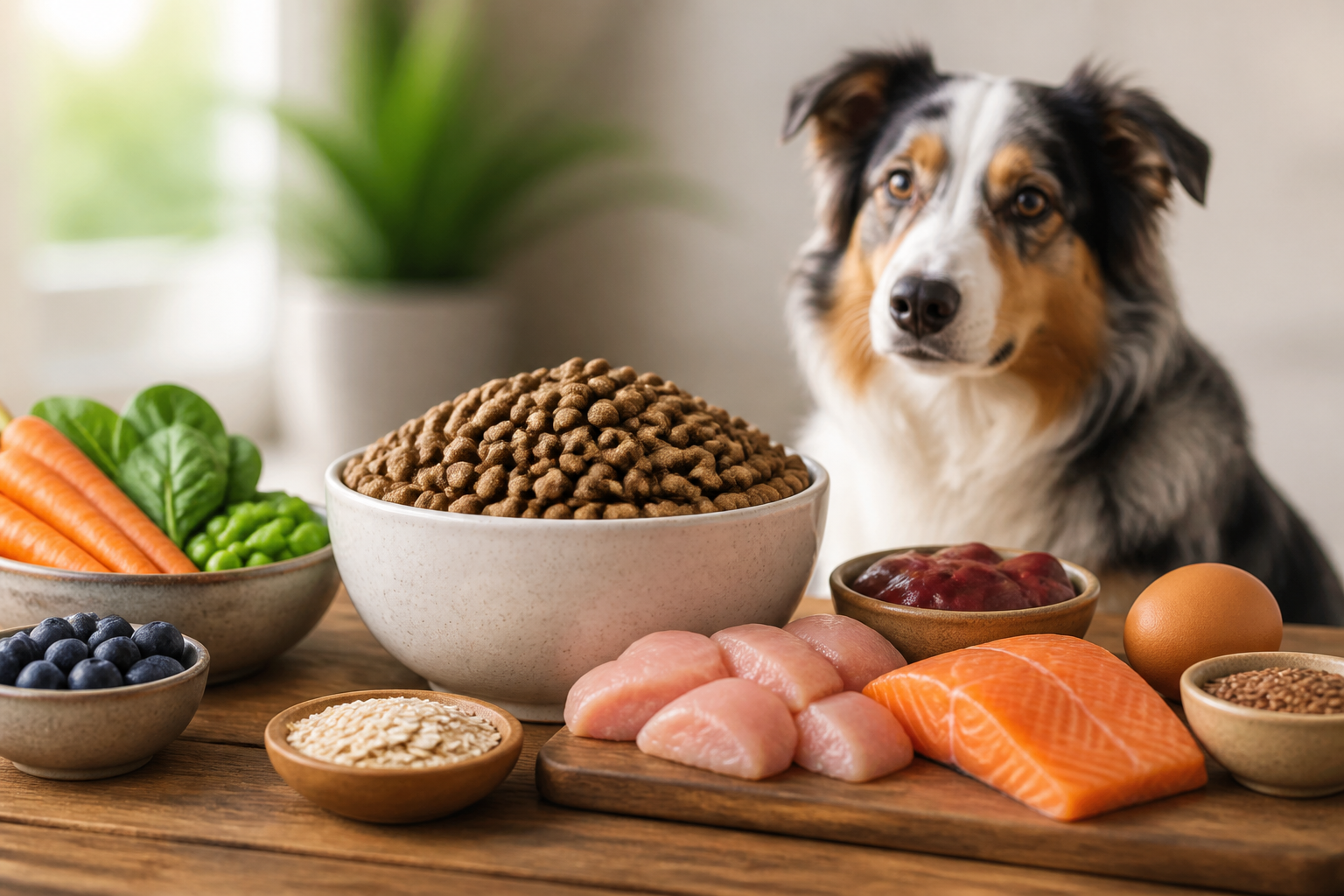
Modern dog food often includes a variety of fruits and vegetables. These are not just for show: they provide natural sources of vitamins, minerals, and antioxidants. Antioxidants help fight oxidative stress and can support long-term cellular health.
Look for these nutrient-dense ingredients:
- Blueberries: Rich in antioxidants and fiber.
- Carrots: A great source of beta-carotene for eye health.
- Spinach: Provides iron and essential vitamins.
- Sweet Potatoes: Offer complex carbohydrates and potassium.
If these ingredients appear at the very end of a long list, they are likely present in very small amounts. Ideally, you want to see a few whole fruits or vegetables in the first half of the ingredient list. For more feeding guidance, What’s the Best Dry Dog Food for Small Dogs? is a useful next step.
Identifying and Avoiding Fillers
Fillers are ingredients that have little to no nutritional value but are added to bulk up the food and lower production costs. While they are not always "toxic," they take up space that should be reserved for nutrient-dense foods.
Common fillers to watch for:
- Corn syrup or other sugar additives.
- Wheat gluten (often used to artificially raise protein percentages).
- Artificial colors like Red 40 or Yellow 5.
- Propylene glycol.
Our team at BaxterBoo carefully selects brands that avoid these unnecessary additives. We believe that every ingredient in the bowl should serve a purpose for your pet's wellness.
Natural versus Artificial Preservatives
Dry food needs to be shelf-stable, but how it stays fresh matters. High-quality dog foods use natural preservatives, often listed as "mixed tocopherols," which is a form of vitamin C or E.
You should avoid artificial preservatives such as BHA, BHT, and ethoxyquin. These chemicals have been the subject of health concerns in the pet industry for years. Natural preservatives are much safer for long-term consumption, though they do mean the food has a shorter shelf life than chemically preserved options. Always check the "Best By" date on your bag of kibble. If you want another practical reference, read How to Feed Freeze Dried Dog Food for Better Health.
Bottom line: Natural preservatives like vitamin E (tocopherols) are the gold standard for keeping dry food fresh without harsh chemicals.
How to Read the Guaranteed Analysis
The ingredient list tells you what is in the food, but the Guaranteed Analysis tells you the nutrient levels. In the United States, labels must list minimum percentages for crude protein and crude fat, and maximum percentages for crude fiber and moisture.
When comparing foods, remember that these numbers are based on the weight of the food as it is in the bag. If you are comparing a dry food to a wet food, you have to account for the moisture content to get an accurate comparison. For dry food, look for a protein count that aligns with your dog's life stage. Puppies and working dogs generally need higher protein and fat than sedentary senior dogs.
Transitioning to a New Food
Once you find a food with the right ingredients, do not switch your dog's diet overnight. A sudden change can lead to significant stomach upset. Instead, follow a gradual transition over seven to ten days.
Step 1: Mix 25 percent of the new food with 75 percent of the old food for three days. Step 2: Move to a 50/50 split for the next three days. Step 3: Increase to 75 percent new food and 25 percent old food for the final three days. Step 4: Serve 100 percent of the new food.
Monitor your dog's energy and stool quality during this time. If you notice any vomiting or severe diarrhea, slow down the transition and consult your vet.
Managing Special Dietary Needs
Sometimes, a standard high-quality kibble is not enough. Dogs with chronic conditions like kidney disease, severe allergies, or urinary crystals may require a prescription diet. These formulas are specifically engineered to manage medical issues through precise nutrient control.
Our pet pharmacy offers a wide range of FDA-approved medications and prescription pet foods through our partnership with Pet's Choice. We carry brands like Royal Canin and Farmina Vet Life that provide targeted nutrition for specific health concerns. If your veterinarian has prescribed a specific diet, you can easily manage those orders through us to ensure your dog never misses a meal.
Vet Tip: Never put your dog on a highly restrictive or prescription diet without a veterinary diagnosis. These foods are formulated with specific nutrient levels that may not be appropriate for a healthy dog.
The Importance of the AAFCO Statement
The Association of American Feed Control Officials (AAFCO) sets the standards for pet food nutrition in the United States. Somewhere on your dog food bag, there should be a nutritional adequacy statement. This statement confirms that the food is "complete and balanced."
It will also specify the life stage the food is intended for:
- Growth and Reproduction: For puppies and pregnant or nursing dogs.
- Adult Maintenance: For adult dogs with normal activity levels.
- All Life Stages: Meets the requirements for any dog, from puppyhood to senior years.
If a bag says it is for "intermittent or supplemental feeding only," it is not a complete meal and should only be used as a topper or treat.
Quality Control and Sourcing
Knowing where ingredients come from is just as important as knowing what they are. Reputable brands are transparent about their sourcing and manufacturing processes. They perform regular safety checks for contaminants like Salmonella or E. coli.
When you shop with us, you are choosing from over 500 trusted brands that have been handpicked for their commitment to quality. We have been operating since 2006, and our warehouse in Vernon Hills is filled with products we would be happy to feed our own pets. For another brand-focused read, see our selection of NutriSource products.
Tips for Storing Dry Food
- Keep the food in its original bag. The bags are designed to keep oxygen and light out.
- Place the bag inside an airtight container for extra protection against pests.
- Store the food in a cool, dry place. Heat and humidity can cause fats to go rancid quickly.
- Wash your dog's food bowl daily to prevent bacterial growth.
Summary of Ingredient Excellence
Selecting the best dry dog food does not have to be a guessing game. By focusing on named proteins, healthy fats, and whole food carbohydrates, you are giving your dog the tools they need to thrive. Avoid the fillers and artificial additives that provide no benefit.
Whether you are managing a senior dog's joint health with Cosequin or starting a new puppy on a grain-inclusive diet, the ingredients are the roadmap to their well-being. If you ever feel overwhelmed, remember that we are here to help you navigate the options. You can also learn more about smart shopping with Selecting Your Pet's Nutrition: What's Best Dry Dog Food?.
Key Takeaway: Quality starts with the first five ingredients. Named animal proteins, whole grains, and specific fat sources are the hallmarks of a premium dry dog food.
Final Considerations for Your Dog
Every dog is an individual. A food that works wonders for a neighbor's dog might not suit yours. Pay attention to your dog's "feedback"—their coat should be shiny, their skin clear, and their energy consistent. If you see signs of allergies, such as itchy paws or ear infections, it may be time to look into a limited ingredient diet or consult our pharmacy for allergy management options.
We invite you to join the MVP Rewards programme where you can earn up to 5 percent back on your purchases. This is a great way to save on premium brands like NutriSource, Stella and Chewy's, and Open Farm. For even more convenience, our Autoship programme ensures your dog's favorite food arrives right on schedule, so you never have to worry about a last-minute trip to the store.
BaxterBoo is committed to providing value without compromise. From our warehouse in Illinois to your front door, we provide the expert-curated selection your pet deserves.
FAQ
What are the top five ingredients I should look for in dog food?
The top five ingredients should primarily consist of named animal proteins and high-quality carbohydrates or fats. Ideally, you want to see a specific meat like "Deboned Chicken" or a named meal like "Lamb Meal" at the very top. Following the protein, look for whole grains like brown rice or healthy fats and fibers such as salmon oil or sweet potatoes.
Is grain-free dog food better than grain-inclusive?
Not necessarily, as it depends entirely on your dog's specific health needs. Many dogs thrive on whole grains like oats and barley, which provide essential fiber and vitamins. Grain-free diets are necessary for dogs with specific grain allergies, but they often use legumes as a substitute. Always consult your vet to see which option is best for your pet's heart and digestive health.
How can I tell if a dog food uses high-quality ingredients?
Check the label for named sources rather than generic terms. High-quality food will list "Chicken Fat" instead of "Animal Fat" and "Salmon" instead of "Fish." Additionally, look for a lack of artificial colors, flavors, and chemical preservatives like BHA or BHT. A "complete and balanced" AAFCO statement is also a mandatory indicator of nutritional quality.
Why does my dog food contain meat meal?
Meat meal is a concentrated protein source created by cooking out the water and fat from animal tissues. In dry kibble production, it is often more efficient than whole meat because it does not shrink during the extrusion process. As long as the meal is named (e.g., Turkey Meal), it is a highly nutritious and safe source of animal protein for your dog.






