
 Save 15% on your 1st Autoship learn more

 Email us
 Live Chat
 FAQs
FAQs





Introduction
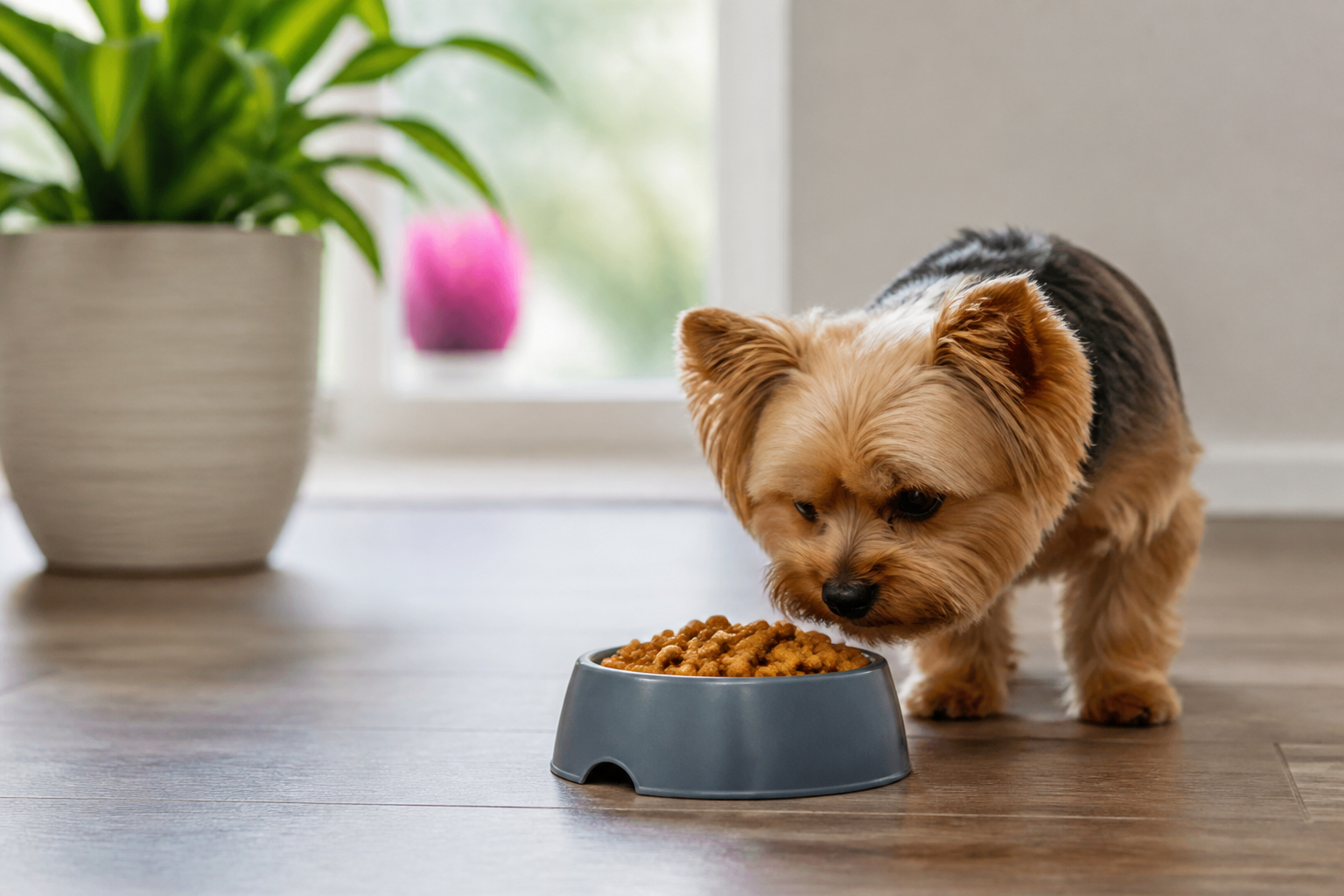
You are standing in front of a shelf or scrolling through a website, looking at your five pound companion and wondering how such a tiny creature can have such complicated needs. Small dogs often have the biggest personalities in the house, but their physical requirements are very different from a large breed. Choosing the wrong kibble size can lead to dental issues or even choking hazards. At BaxterBoo, we see this struggle often when pet parents try to find the perfect balance of nutrition and safety for their petite pups. This guide covers how to identify high quality ingredients, why calorie density matters for small bodies, and which brands provide the best support for their unique metabolism. Finding a good dry food means looking beyond the bag and understanding what your dog needs to thrive at every life stage.
Quick Answer: A good dry food for small dogs features a small kibble size for easier chewing and a high calorie density to support their fast metabolism. Look for recipes where a high quality animal protein is the first ingredient and includes omega fatty acids for skin and coat health.
Understanding the Small Dog Metabolism
Small dogs are not just miniature versions of big dogs. They have a significantly higher metabolic rate per pound of body weight. This means they burn energy much faster than a Labrador or a Golden Retriever. If a small dog does not get enough calories, they can experience drops in blood sugar, also known as hypoglycemia. This is especially common in toy breed puppies.
A good dry food must be nutrient dense. Because their stomachs are small, they cannot eat large volumes of food at once. Every bite needs to count. High quality fats and proteins provide the concentrated energy they need to stay active without requiring them to eat massive portions.
Key Takeaway: Small dogs require more calories per pound than large dogs because their metabolic rates are much faster, making nutrient density a top priority.
The Role of Caloric Density
When you look at a bag of dog food, check the calorie count per cup. Small breed specific formulas are usually higher in calories than standard maintenance diets. This allows your dog to get the fuel they need from a smaller serving. We often recommend feeding small dogs multiple small meals throughout the day to keep their energy levels stable.
Managing Weight in Small Breeds
While they need more calories, small dogs are also very prone to obesity. Even one extra pound on a ten pound dog is a massive weight gain. A good dry food should provide energy without excessive fillers that lead to fat storage. If your dog is struggling with weight, we carry options like Farmina Vet Life for weight management through our pet pharmacy.
Why Kibble Size and Shape Matter
The most obvious difference in small breed food is the size of the kibble. Large, hard nuggets are difficult for tiny mouths to break down. This can lead to your dog skipping meals because eating is physically uncomfortable. Smaller kibble is designed to be easily cracked and swallowed.
Dental Health Benefits
Small dogs are notorious for having dental problems. Their teeth are often crowded into small jaws, which traps food and leads to plaque buildup. Dry food can actually help with this. The mechanical action of chewing a hard kibble helps scrape some of the plaque off the surface of the teeth. Some small breed formulas are shaped specifically to encourage more chewing, which provides a better cleaning effect.
For additional guidance, see our dog dental care category.
Safety and Choking Hazards
A kibble that is too large can be a choking hazard for a toy breed. If a dog tries to swallow a large piece without chewing it thoroughly, it can get stuck. Smaller, flatter kibble shapes are much safer for dogs like Chihuahuas, Yorkies, or Pomeranians.
Vet Tip: If your small dog is missing teeth or has severe dental disease, consult your veterinarian about whether to soften dry kibble with warm water or transition to a prescription dental diet available through the BaxterBoo pharmacy.
Key Ingredients to Look For
The ingredient list is the best way to determine if a food is actually good for your dog. Marketing on the front of the bag can be confusing. The back of the bag tells the real story.
- Named Animal Proteins: Look for specific meats like "chicken," "beef," or "lamb" as the first ingredient. Avoid generic terms like "meat meal" or "animal by-products."
- Healthy Fats: Small dogs benefit from omega-3 and omega-6 fatty acids. Ingredients like salmon oil or flaxseed help keep their skin healthy and their coat shiny.
- Complex Carbohydrates: Ingredients like sweet potatoes, brown rice, or oats provide steady energy. Avoid foods with excessive corn or soy fillers which offer less nutritional value.
- Antioxidants: Small dogs often live longer than large breeds. Ingredients like blueberries, cranberries, and spinach provide antioxidants that support the immune system over a long lifespan.
The Importance of Protein
Protein is the building block for muscles and organs. For small dogs, high quality protein is essential to maintain lean muscle mass. Brands like Open Farm or Stella and Chewy’s use responsibly sourced proteins that are highly digestible. This means your dog’s body can actually use the nutrients instead of passing them as waste.
Bottom line: A high quality dry food for small dogs should always list a specific animal protein as the first ingredient and include healthy fats for coat support.
Life Stage Transitions for Small Dogs
Your dog’s nutritional needs will change as they grow. A puppy needs different fuel than a senior. Because small dogs live longer, they spend more time in the adult and senior phases of life.
Small Breed Puppies
Puppies need extra protein and minerals like calcium and phosphorus for bone growth. They also need very frequent feedings to prevent low blood sugar. We carry brands like NutriSource that offer small breed puppy formulas with prebiotics to support sensitive young stomachs.
For more information about introducing puppies to kibble, read our guide to when puppies can eat dry dog food.
Small Breed Seniors
A dog is generally considered a senior around age seven to nine. For small dogs, this is often when joint issues or heart health become a concern. A good senior dry food will have slightly fewer calories to prevent weight gain and added supplements like glucosamine or chondroitin.
- Step 1: Consult your vet about when to transition to senior food.
- Step 2: Choose a formula with joint support and antioxidants.
- Step 3: Gradually mix the new food with the old food over 7 to 10 days.
Addressing Common Small Breed Health Issues
Many small dogs face specific health challenges that can be managed through diet. Allergies, sensitive stomachs, and urinary tract health are common topics we hear about from our customers.
Sensitive Stomachs and Food Allergies
If your dog is constantly itching or has frequent upset stomachs, they might have a sensitivity to a common ingredient like chicken or grain. In these cases, a limited ingredient diet or a novel protein like venison or duck can help. Many owners find success with grain-free options from brands like Zesty Paws or The Honest Kitchen.
For broader nutritional considerations, explore our small breeds collection.
Urinary Tract Health
Some small breeds are prone to developing bladder stones. Maintaining the correct mineral balance in their dry food is vital. If your vet diagnoses a urinary issue, they may recommend a prescription diet. Our partnership with Pet's Choice allows us to fulfill these prescription orders through our pharmacy, ensuring your dog gets the exact formulation they need.
Vet Tip: Never switch your dog to a prescription or therapeutic diet without a formal diagnosis and recommendation from your veterinarian.
How to Choose Between Popular Brands
There are hundreds of brands on the market, but only a few specialize in the high standards required for small breed health. At BaxterBoo, we handpick brands that prioritize ingredient transparency and nutritional balance.
Premium Kibble Options
Brands like Farmina and NutriSource are excellent for small dogs. Farmina uses a low glycemic index approach, which is great for maintaining steady energy levels. NutriSource is known for its "Good 4 Life" system that focuses on gut health and nutrient absorption.
Freeze-Dried and Air-Dried Alternatives
If you want the convenience of dry food with the nutrition of raw, consider air-dried or freeze-dried options. Brands like Ziwi Peak or Stella and Chewy's offer nutrient-dense morsels that are very small and easy to eat. These are often highly palatable, making them great for picky eaters.
Our extra-small and toy-breed dry food selection makes it easier to compare small kibble options.
Comparing Dry Food Features
| Feature | Standard Dry Food | Small Breed Specific Dry Food |
|---|---|---|
| Kibble Size | Medium to Large | Extra Small / Mini |
| Calorie Count | Moderate | High |
| Protein Source | Variable | Usually High Quality / Named |
| Dental Support | General | Enhanced / Specific Shapes |
| Price Point | Lower | Moderate to Higher |
Feeding Practices for Small Dogs
How you feed your dog is just as important as what you feed them. Small dogs have tiny stomachs that can only hold so much at once.
Feeding Schedules
Instead of one large meal, try two or three smaller meals. This prevents the stomach from becoming over-distended and helps keep blood sugar levels consistent throughout the day. If you have a very active small dog, a small snack between meals can also be helpful.
Portion Control
Always use a standard measuring cup. It is very easy to overfeed a small dog by "eyeballing" the portion. Check the feeding guidelines on the bag, but remember these are just starting points. Your dog's activity level and age will determine the exact amount they need.
For more portion guidance, read our feeding guide for small dogs.
Key Takeaway: Proper feeding for small dogs involves using a measuring cup and splitting daily calories into multiple small meals to ensure stable energy.
The BaxterBoo Difference in Pet Care
We have been operating since 2006, and our warehouse in Vernon Hills, Illinois, is stocked with over 500 trusted brands. We don't just put products on shelves because they are popular. We choose them because we would feed them to our own pets.
Our team understands that pet care is a long-term commitment. That is why we offer programs like MVP Rewards, where you can earn up to 5% back on every purchase. If you find a food that your small dog loves, our Autoship program ensures you never run out, while also providing a free MVP Gold membership.
If your small dog requires more than just a standard diet, our pharmacy is a primary resource for our customers. Through our partnership with Pet's Choice, we provide FDA-approved medications and prescription diets for chronic conditions, heart health, and allergy management. This hybrid model of a physical superstore and a full-service pharmacy means you can get everything your dog needs in one place.
Transitioning to a New Dry Food
When you find a good dry food, do not switch over all at once. A sudden change can cause diarrhea or vomiting, especially in small dogs with sensitive systems.
- Days 1-3: 25% new food, 75% old food.
- Days 4-6: 50% new food, 50% old food.
- Days 7-9: 75% new food, 25% old food.
- Day 10: 100% new food.
Watch your dog's stool and energy levels during this time. If you notice any issues, slow down the transition. If your dog is a very picky eater, you can add a small amount of warm water or a high quality topper like those from Tiki Cat or Caru to make the new kibble more appealing.
For more ideas, read how to wet dry dog food for better digestion and hydration.
Conclusion
Finding a good dry dog food for small dogs requires focusing on calorie density, kibble size, and ingredient quality. Your dog needs a food that supports their fast metabolism while being easy to chew and digest. By choosing a small-breed specific formula, you are addressing the unique physiological needs of your companion. We recommend starting with a high-protein, nutrient-dense kibble and monitoring your dog’s weight and energy closely. For those managing specific health conditions or needing prescription diets, our pharmacy is here to help. Explore our full selection of extra-small and toy-breed dog food and join our MVP Rewards program to get the best value on your pet's nutrition.
Bottom line: The best food for your small dog is one that balances high caloric needs with a safe kibble size and ingredients that support their long-term health.
FAQ
Can I feed my small dog regular adult dog food? While regular adult food is safe, it often lacks the calorie density small dogs need and the kibble may be too large. Small breed formulas are specifically designed to support their higher metabolism and smaller mouths. If you use a standard food, you may need to feed larger portions, which can be hard on a small stomach.
How many calories does my small dog need daily? The exact number depends on your dog's weight, age, and activity level, but small dogs typically need about 40 calories per pound of body weight. This is higher than the roughly 20 to 30 calories per pound that large dogs require. Always check with your veterinarian to determine the ideal caloric intake for your specific dog.
Is grain-free dry food better for small dogs? Grain-free is not necessarily better unless your dog has a specific allergy or sensitivity to grains. Many high-quality small breed foods include healthy grains like brown rice or oatmeal for energy. Consult your vet before going grain-free, as they can help determine if your dog actually needs a limited ingredient diet.
Why is my small dog such a picky eater? Small dogs can be picky because of their sensitive palates or because the kibble size is uncomfortable to chew. Sometimes, they are simply holding out for treats or "people food." Try a small-breed specific kibble with high protein content and consider adding a splash of warm water to enhance the aroma.






